Touch and affection are fundamental human needs. When women experience a lack of physical connection and emotional intimacy, they often develop coping mechanisms that can impact their well-being and relationships. Understanding these behaviors is the first step toward addressing affection starvation and finding healthier ways to meet these essential needs.
Understanding Touch Starvation in Women
Touch starvation, also known as skin hunger, occurs when we go without physical contact for extended periods. This condition affects both physical and mental health, triggering a cascade of emotional and physiological responses. For women starved of affection, the impact can be particularly profound, influencing behavior in ways they might not even recognize.

Touch starvation can lead to profound feelings of loneliness and emotional distress
Research shows that physical touch releases oxytocin (often called the “love hormone”) while reducing cortisol (the stress hormone). Without adequate physical affection, women may experience increased stress, anxiety, and even depression. Recognizing the signs of affection starvation is crucial for addressing this often overlooked aspect of well-being.
1. Becoming Unusually Clingy or Needy

When starved of affection, many women unconsciously become more clingy or needy in relationships. This behavior stems from a desperate attempt to secure the connection and reassurance they crave. They might text constantly, seek frequent validation, or become anxious when their partner is unavailable.
This clinginess isn’t a character flaw but rather a natural response to feeling emotionally malnourished. The body and mind are simply trying to fulfill an essential need for connection, much like how physical hunger drives us to seek food.
“Clinginess is often misinterpreted as neediness when it’s actually a sign that a basic human need isn’t being met. It’s the emotional equivalent of reaching for water when you’re thirsty.”
2. Constantly Seeking Validation and Compliments
Women experiencing affection starvation often find themselves fishing for compliments or seeking external validation. They might repeatedly ask how they look, frequently seek reassurance about their partner’s feelings, or create situations designed to elicit praise.
This behavior reflects an attempt to receive emotional nourishment through words when physical affection is lacking. The validation serves as a substitute for the touch and closeness they truly desire, providing temporary relief from feelings of unworthiness or invisibility.

3. Overcommitting to Work or Activities
Many women respond to affection starvation by throwing themselves into work, volunteering, or other activities. This busy schedule serves multiple purposes: it distracts from feelings of loneliness, creates opportunities for social connection, and provides alternative sources of validation and purpose.
While productivity can be positive, this behavior becomes problematic when it’s driven by an attempt to escape emotional pain rather than genuine interest. The constant busyness can further deplete emotional resources and create a cycle where there’s even less time for nurturing relationships.

4. Developing Physical Symptoms and Health Issues
Touch starvation often manifests physically. Women experiencing prolonged affection deprivation may develop headaches, digestive issues, compromised immune function, sleep disturbances, and unexplained pain. These symptoms aren’t imaginary but reflect the very real physiological impact of chronic stress and elevated cortisol levels.
Research shows that lack of physical touch can directly affect our bodies, demonstrating how deeply interconnected our emotional and physical health truly are. Many women seek medical help for these symptoms without recognizing their emotional origins.
Common physical symptoms of affection starvation include sleep disturbances, digestive issues, frequent headaches, increased susceptibility to illness, and unexplained muscle tension or pain.
5. Becoming Overly Attached to Pets

Pets often become emotional lifelines for women experiencing affection starvation. The unconditional love and physical contact animals provide can help satisfy the need for touch and connection. Many women report talking to their pets, sleeping with them, and finding significant emotional comfort in these relationships.
While pet relationships are healthy and beneficial, an excessive emotional dependence on animals may indicate unmet needs in human relationships. Pets provide valuable affection but cannot fully replace the complexity of human connection.
6. Initiating Arguments to Provoke Emotional Responses
Paradoxically, some women starved of affection may initiate conflicts or arguments with their partners. This behavior, while seemingly counterproductive, stems from the principle that negative attention feels better than no attention at all. Arguments create emotional intensity and engagement, even if it’s not the positive connection they truly desire.
These conflicts often center around topics that aren’t the real issue, making resolution difficult. The underlying need is for emotional engagement and reassurance that the relationship matters enough to fight for.
“Sometimes we pick fights not because we’re angry, but because we’re lonely. Conflict at least confirms we matter enough to engage with.”
7. Becoming Overly Focused on Children
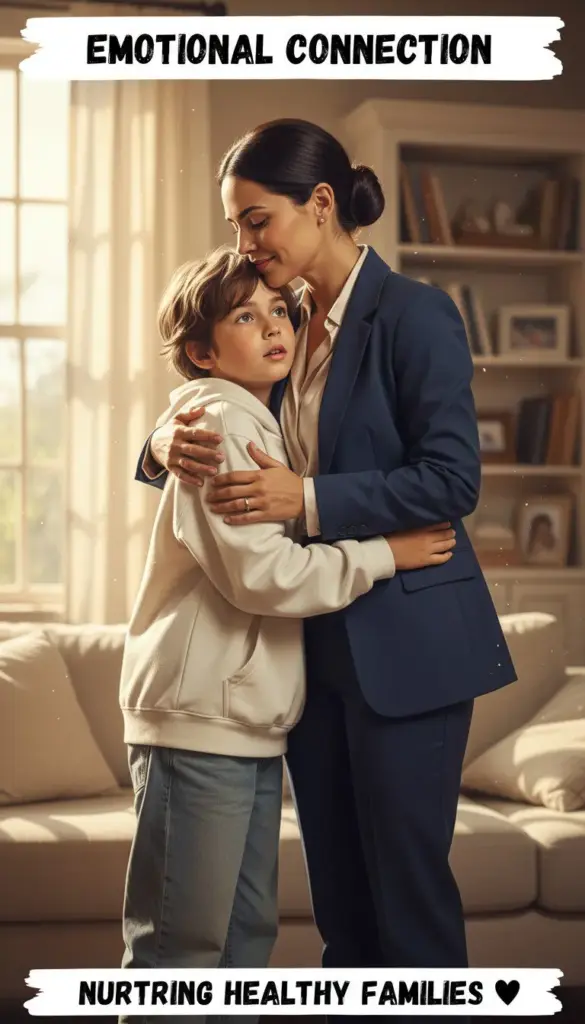
For mothers experiencing affection starvation, children can become the primary or sole source of physical touch and emotional connection. They may become overly involved in their children’s lives, seeking to fulfill their own emotional needs through these relationships.
While maternal devotion is natural, this dynamic can create unhealthy boundaries and place inappropriate emotional burdens on children. Children may feel responsible for their mother’s emotional well-being, creating potential long-term relationship patterns.
8. Developing Inappropriate Attachments
Women experiencing severe affection starvation may develop attachments to inappropriate or unavailable people. This might include developing feelings for married colleagues, becoming emotionally invested in fictional characters, or maintaining unhealthy connections with ex-partners.
These attachments provide emotional stimulation and fantasy fulfillment when real-life relationships aren’t meeting needs. The brain seeks connection wherever it can find it, even when these attachments have no potential for healthy fulfillment.

If you find yourself developing intense attachments to unavailable people, this may be a sign that your needs for connection aren’t being met in your current relationships. This awareness can be the first step toward seeking healthier sources of affection.
9. Becoming Overly Concerned with Appearance

Many women respond to affection starvation by becoming increasingly focused on their physical appearance. They may spend excessive time and money on clothing, makeup, fitness, or even cosmetic procedures, believing that enhancing their attractiveness will lead to more affection and attention.
While self-care is healthy, this behavior becomes problematic when driven by desperation rather than self-love. The underlying belief is often that they must “earn” affection through physical perfection rather than deserving it inherently.
10. Engaging in Emotional Eating or Other Compulsive Behaviors
Food, shopping, social media, or other compulsive behaviors often become substitutes for affection. These activities temporarily stimulate pleasure centers in the brain, providing momentary relief from emotional hunger. Comfort eating is particularly common, as it literally fills an emptiness, albeit not the emotional one that truly needs addressing.
These behaviors create cycles of temporary relief followed by shame or regret, further depleting emotional resources. The underlying need for connection remains unaddressed, leading to escalating compulsive behaviors.

11. Withdrawing Socially
While some women seek more connection when affection-starved, others withdraw socially. This seemingly contradictory response stems from self-protection – if intimate relationships aren’t providing affection, casual social interactions can feel painfully superficial by comparison.
Social withdrawal often creates a vicious cycle where decreasing social contact leads to fewer opportunities for affection, further exacerbating the original problem. The isolation can deepen depression and reinforce negative beliefs about relationships.
“Sometimes we withdraw not because we want less connection, but because we want deeper connection than what’s being offered.”
12. Becoming Overly Self-Sufficient
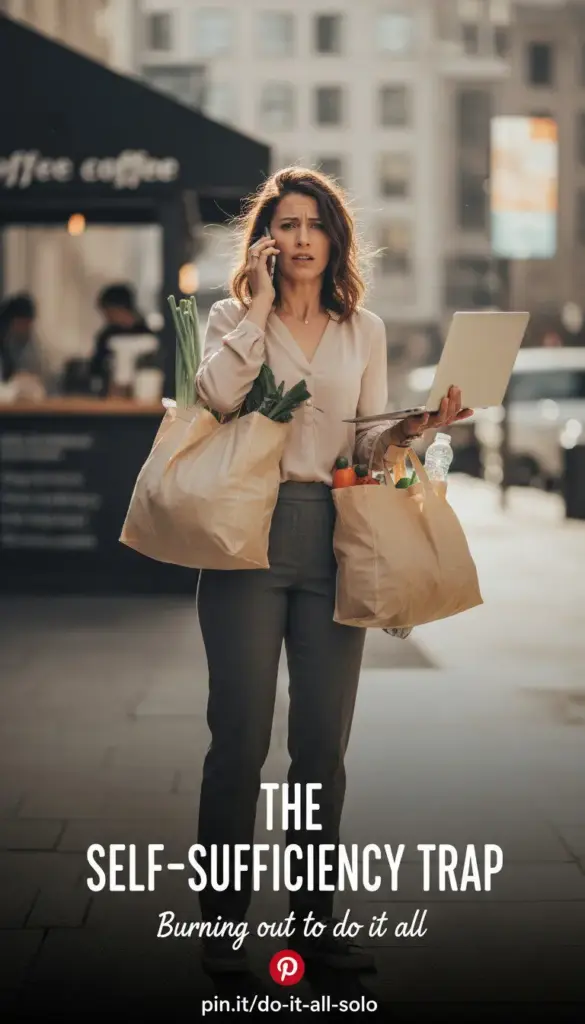
Many women respond to affection starvation by developing extreme self-sufficiency. They pride themselves on “not needing anyone,” handling everything alone, and never asking for help. This behavior serves as both self-protection and adaptation to unmet needs.
While independence is healthy, extreme self-sufficiency often masks deep longing for connection. By convincing themselves they don’t need affection, women attempt to avoid the pain of its absence. This coping mechanism can become so ingrained that accepting affection becomes difficult even when it becomes available.
13. Developing Heightened Sensitivity to Rejection
Women experiencing chronic affection starvation often develop an increased sensitivity to perceived rejection. Minor slights, delayed text responses, or neutral facial expressions may be interpreted as evidence of rejection or abandonment.
This heightened sensitivity stems from the brain’s attempt to protect from further emotional deprivation. By staying hypervigilant to potential rejection, women try to avoid additional pain. Unfortunately, this sensitivity often creates self-fulfilling prophecies by damaging relationships through constant misinterpretations.
If you find yourself frequently feeling rejected by small incidents that others might not notice, consider whether affection starvation might be increasing your sensitivity to perceived abandonment.
14. Romanticizing Past Relationships

When current relationships lack affection, many women begin idealizing past relationships. They selectively remember the affectionate moments while minimizing problems that existed. This romanticization provides emotional comfort through nostalgia and fantasy.
This behavior can prevent women from fully engaging in current relationships or addressing their actual needs. The idealized past becomes a standard against which current relationships are judged, often unfairly.
15. Settling for Crumbs of Affection
Perhaps the most heartbreaking response to affection starvation is settling for minimal displays of affection and treating them as treasures. A brief touch, a kind word, or even basic courtesy may be interpreted as significant affection when standards have been lowered through deprivation.
Women in this situation often defend partners who provide very little affection, making excuses like “that’s just how they are” or “at least they don’t hurt me.” This acceptance of crumbs reinforces the cycle of affection starvation by normalizing emotional neglect.

Healthy Ways to Address Affection Starvation
Self-Care Approaches
- Practice self-massage or use weighted blankets to stimulate touch receptors
- Engage in regular exercise to release endorphins and reduce stress
- Schedule regular professional massages or spa treatments
- Create physical comfort through soft fabrics, warm baths, and cozy environments
- Consider adopting a pet if your lifestyle allows
Relationship Approaches
- Communicate your need for affection directly and specifically
- Seek therapy to address underlying patterns and improve communication
- Join support groups to connect with others experiencing similar challenges
- Cultivate non-romantic physical connections through dance, sports, or friend hugs
- Consider whether current relationships can meet your needs with proper communication
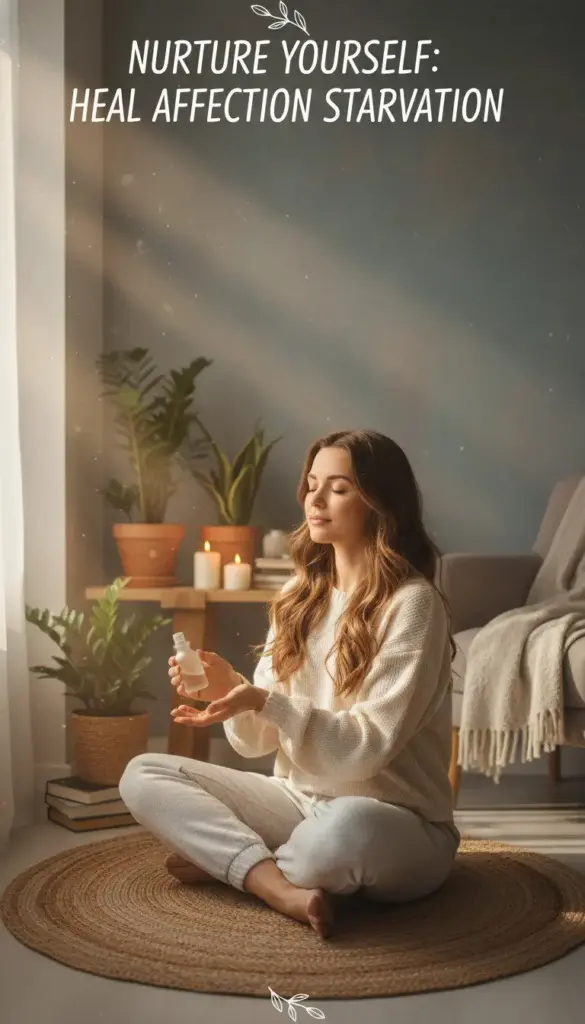
Understanding Your Need for Affection is the First Step Toward Healing
Recognizing these behaviors in yourself isn’t a reason for shame but an opportunity for growth and healing. Touch starvation is a legitimate physiological and emotional condition that affects millions of women. By acknowledging your need for affection as valid and important, you take the first step toward creating relationships that truly nourish you.
Remember that your need for physical touch and emotional connection isn’t a weakness—it’s a fundamental human requirement as essential as food and water. You deserve relationships that provide the affection you need, and with awareness and support, you can create a life rich in meaningful connection.
“The human need for physical touch remains stable across our entire lifespan. From infancy to old age, we never outgrow our need for affectionate connection.”