
You do not need a perfect house. You need a plan that tells you what to do next.
This weekly cleaning schedule breaks household work into small jobs that fit real life. Use it with kids, pets, a full-time job, or a low-energy week. Start where you can, adjust the rest, and let progress count.

A visible checklist makes the next cleaning task easier to start.
Why This Weekly Cleaning Schedule Feels Manageable
A house can become messy through small moments. A few dishes remain in the sink. Laundry stays in the dryer. Hair gathers on the bathroom floor. By the weekend, those small things feel like one huge job.
A useful cleaning routine prevents that pileup. It does not ask you to scrub every surface every day. Instead, it gives each area a short turn during the week. That keeps the work visible and limits the time needed for each task.
The goal is maintenance, not showroom perfection. Some weeks will go smoothly. Other weeks will include sick days, late meetings, travel, or unexpected things. A flexible routine survives those changes better than a strict plan.
Choose a minimum standard
Before you begin, decide what “clean enough” means for your home. Your minimum standard might be clear kitchen counters, fresh bathroom towels, empty trash, and clean floors in busy areas.
These priorities matter more than a spotless shelf. When energy is low, complete the minimum list. Extra cleaning can wait for a better day.
Use a short time limit
Set a timer for 15 to 30 minutes. Work until it rings, then stop or take a break. A time limit protects your energy and makes cleaning feel less endless.
Remember: A routine is a guide, not a test. Missing one day does not erase your work. Simply choose the next task when you are ready.
What to Include in Weekly Cleaning
Most homes need attention in the same core areas. The exact list depends on your house, room count, pets, and family. Begin with the spaces that affect health, comfort, and daily function.
Kitchen
Keep food areas fresh and usable.
- Wipe counters and cabinet handles
- Clean the stovetop and sink
- Check the refrigerator for spills
- Sweep and mop the floors
- Run or empty the dishwasher
Bathrooms
Focus on touch points and moisture.
- Clean sinks, mirrors, and counters
- Scrub the toilet and shower
- Replace towels and bath mats
- Empty the trash
- Mop the floor
Living Areas
Reset the rooms your family uses most.
- Put clutter back in its place
- Dust visible surfaces
- Vacuum rugs and floors
- Fluff cushions and fold blankets
- Remove cups, dishes, and wrappers
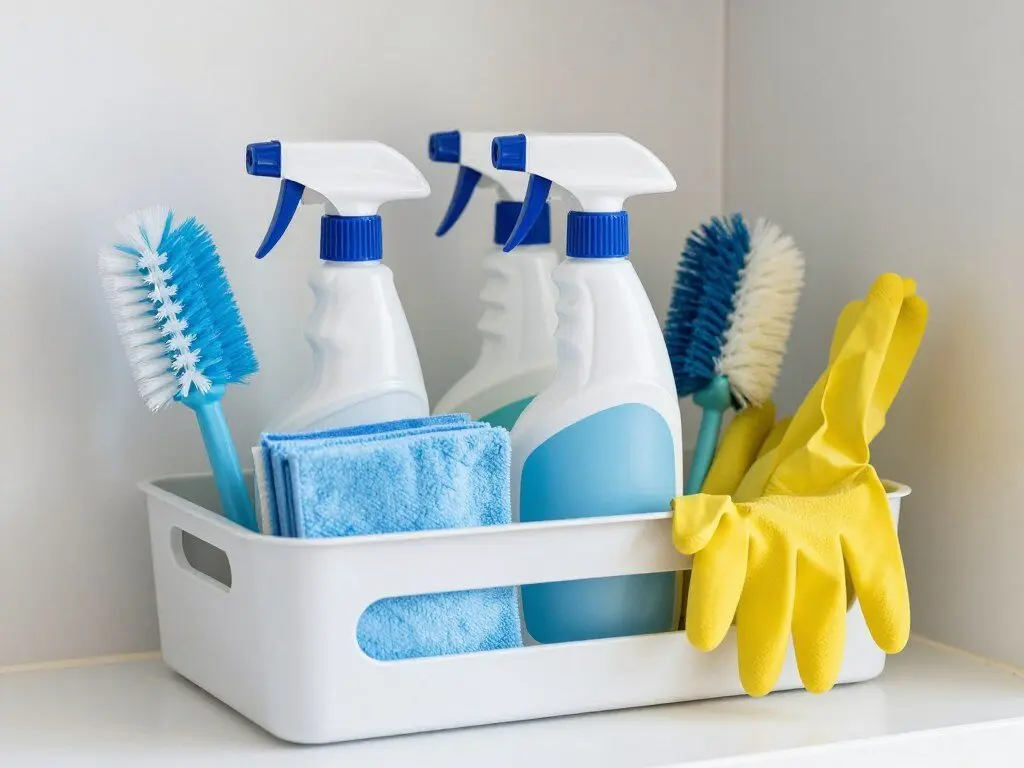
A small caddy keeps basic supplies ready for the next room.
Daily basics versus weekly cleaning
Daily cleaning should protect your home from fast-growing messes. Put dishes in the dishwasher, wipe food spills, clear a walkway, and return loose items to their place. These small actions may take only a few minutes.
Weekly cleaning handles jobs that need more focus. That includes changing sheets, cleaning bathrooms, dusting, vacuuming, and washing towels. Separating daily and weekly work keeps every day from becoming a deep-cleaning day.
A Monday–Sunday Cleaning Routine Schedule
This routine schedule gives each day one main focus. Add the daily basics when possible. If you have more time, continue. If you do not, stop after the priority tasks.
| Day | Main focus | Suggested cleaning tasks | Estimated time |
| Monday | Bedrooms | Make the bed, change sheets, clear surfaces, dust, and vacuum. | 20–30 minutes |
| Tuesday | Bathrooms | Clean sinks, mirrors, toilets, shower areas, towels, and floors. | 20–35 minutes |
| Wednesday | Kitchen | Wipe appliances, clean the sink, check the refrigerator, and mop. | 25–40 minutes |
| Thursday | Living areas | Remove clutter, dust, vacuum, and reset blankets, pillows, and baskets. | 15–30 minutes |
| Friday | Entry and outside | Clear the car, sweep the porch, empty small bins, and check floors. | 15–25 minutes |
| Saturday | Laundry | Wash clothes, towels, and sheets. Fold one load and put it away. | 20–45 minutes |
| Sunday | Reset and catch up | Finish one missed task, restock supplies, and prepare for the next day. | 10–20 minutes |
Monday: Reset the bedrooms
Start with the bed. Put dirty sheets in the laundry area and make the bed with fresh ones. Clear cups, clothes, and papers from the room.
Dust the most visible surfaces. Then vacuum or sweep, working from the far corner toward the door. If you have several bedrooms, clean the main bedroom first and rotate the others every week.
Tuesday: Clean the bathrooms
Spray the sink and shower area first so the product has time to work. Clean mirrors, counters, faucets, toilets, and floors. Replace damp towels.
Do not feel required to detail every bathroom every week. Start with the bathroom used most often. A quick clean in another room is still useful.
Wednesday: Refresh the kitchen
Load the dishwasher and clear the counters. Wipe the stovetop, microwave handle, refrigerator door, and cabinet pulls. Clean the sink last so it feels fresh when you finish.
Check older food while you wipe refrigerator shelves. Sweep crumbs, then mop the areas near the sink, stove, and table. These are the places that usually need attention first.
Thursday: Tidy the living room
Collect items that belong in other rooms. Place books, toys, shoes, and chargers where they belong. Dust the coffee table, media console, and other easy-to-see surfaces.
Vacuum rugs and open floor areas. If the room is already tidy, use the time to check corners, pet hair, and under furniture.
Friday: Handle overlooked areas
Friday is a good day for the car, entryway, porch, or mudroom. Remove trash from the car. Shake out the mat. Sweep steps and clear packages or shoes.
This day can also cover a small outdoor job. Water plants, pull a few weeds, or clear the area near the door. Keep the list short.
Saturday: Run the laundry
Wash the clothing, towels, and sheets that need attention. If you cannot do every load laundry task, complete one full load from washer to drawer.
Folding immediately can prevent a second pile. If that is not realistic, place clean items in one basket and schedule folding for the next day.
Sunday: Reset for the next week
Walk through the home for five minutes. Check floors, bins, counters, and bathrooms. Choose one unfinished task instead of trying to do everything.
Restock toilet paper, soap, detergent, and bags. A small preparation step can make the next day easier.
Make this plan your own
Save the full schedule, adjust the order, and use the version that fits your home.

A simple bedroom reset can make the whole home feel calmer.
Daily Cleaning Habits That Protect Your Time
A few daily cleaning habits reduce the pressure on your weekly plan. They are not extra chores to complete perfectly. Think of them as small resets that keep mess from spreading.
- Make the bed
- Open curtains and air the room
- Move dishes to the dishwasher
- Start one load laundry if needed
Morning reset
- Clear kitchen counters
- Run the dishwasher
- Put loose items in a basket
- Check floors for crumbs and hair
Evening reset
- Wipe the bathroom sink
- Empty a full trash bin
- Fold one blanket
- Set out supplies for tomorrow
Five-minute finish
Use the one-touch rule
When you notice an item, move it to its final place if you can. Put mail in its tray. Put a cup in the dishwasher. Hang the jacket instead of placing it on a chair.
This reduces clutter without creating a separate cleaning session. It also helps kids learn that every item has a place.
Keep a small cleaning station
Store basic supplies where the work happens. Keep bathroom cloths and cleaner under the sink. Keep a dustpan near the kitchen. Keep the vacuum easy to reach.
Convenience matters. If collecting supplies takes ten minutes, you are less likely to begin a five-minute job.
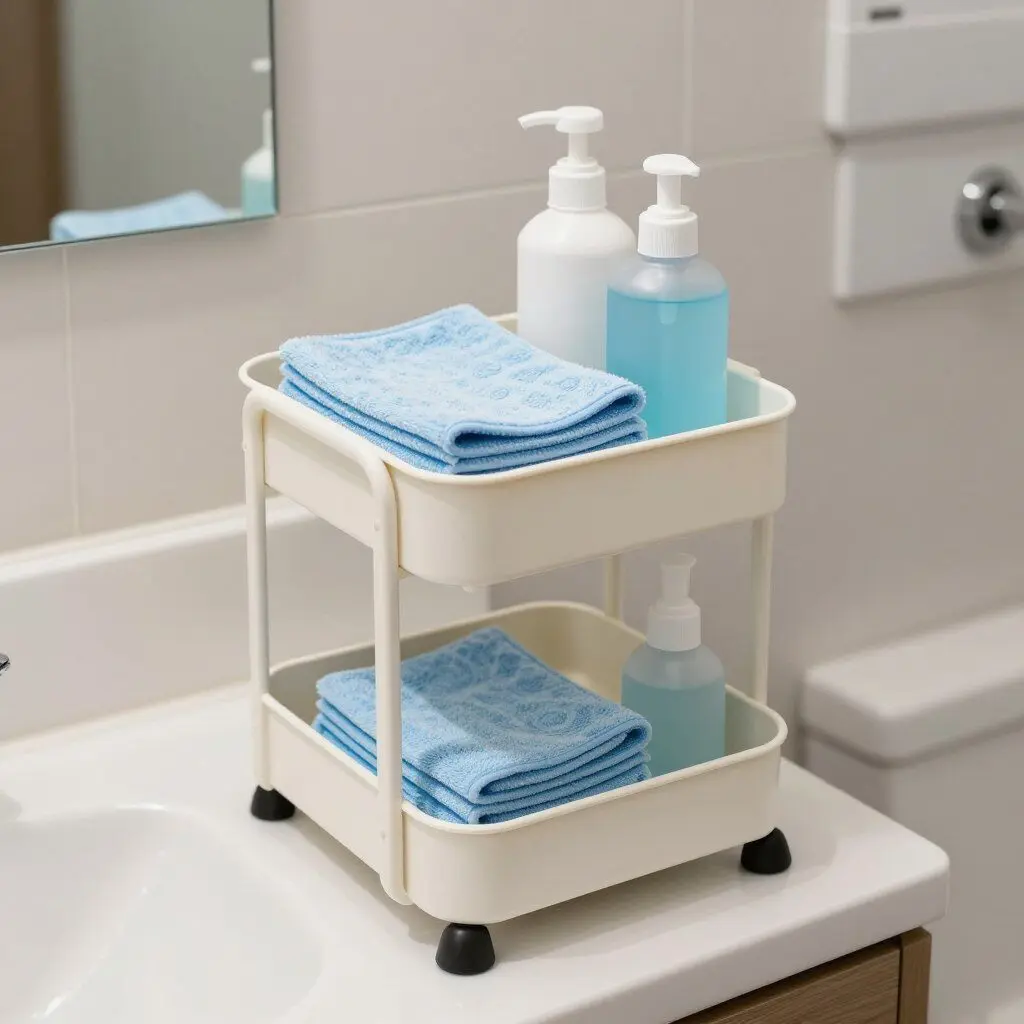
Place the tools near the mess to make daily cleaning easier.
How to Adapt the Routine to Your Home
The best cleaning schedule changes with your circumstances. A two-bedroom apartment does not need the same plan as a large house. A family with young kids has different pressure points than a single adult with pets.
For a small apartment
Combine bedrooms and living areas on one day. Use the extra day for floors, laundry, or a monthly cleaning job. Keep supplies in one portable caddy.
For a larger house
Divide rooms into zones. Clean the most-used rooms every week and rotate low-use rooms. You can also give one floor its own day.
For families with kids
Assign small jobs based on age. Young children can collect toys, match socks, or wipe low surfaces with a damp cloth. Older kids can empty bins, vacuum, or fold towels.
Use clear ownership. “Clean the room” feels vague. “Put toys in the basket and clear the floor” gives a child a finish line.
For roommates or partners
Share the plan rather than hoping someone notices the work. Divide tasks by area, not just by time. One person can handle bathrooms while another manages floors and laundry.
For full work schedules
Use short evening blocks. Choose one task after dinner and stop when the timer ends. Save larger jobs for a weekend morning, but protect time for rest too.
For low-energy weeks
Use the minimum version. Wash dishes, remove trash, clean the toilet, and check floors in the busiest room. Skip mirrors, baseboards, and detailed dusting.
If you miss a day, do not double the next day’s list. Move the task to Sunday or leave it for the next cycle. Consistency grows when the plan allows recovery.

Shared responsibilities make the routine lighter for everyone.
Weekly Deep-Cleaning Priorities Without the Overload
Deep cleaning does not mean cleaning every inch of the house every week. It means choosing one or two jobs that protect the home or prevent a larger problem.
High priority
- Food spills and sticky surfaces
- Toilets, sinks, and shower floors
- Pet hair in shared areas
- Trash and recycling
Rotate weekly
- Behind small appliances
- Dusty shelves and doors
- Baseboards in one room
- Under beds or sofas
Save for monthly cleaning
- Window tracks
- Ceiling fans and vents
- Closet sorting
- Large appliance care
Use a rotating extra
Add one extra task to the day that matches the area. On kitchen day, clean the refrigerator shelf. On bedroom day, dust the fan. On bathroom day, wash the shower curtain.
One extra each week is enough. A rotating system helps you reach neglected areas without giving them all the same deadline.
Protect your floors
Floors often show the condition of the home first. Vacuum high-traffic areas every week, or more often if you have pets. Check floors near entrances and dining spaces for grit and crumbs.
Use the right tool for the surface. Sweep hard floors when needed and vacuum rugs slowly. Mop only after removing loose dirt, so you do not spread it around.

Clean high-traffic floors first when your time is limited.
How to Stay Consistent When Life Gets Busy
Consistency comes from making the routine easy to restart. It does not come from having unlimited time. Use cues, visible tools, and a short list.
- Choose a regular cue. Start after breakfast, after school drop-off, or after dinner. A familiar cue removes the need to decide.
- Write the next action. Replace “clean the bathroom” with “wipe the sink.” A clear action creates momentum.
- Pair cleaning with something pleasant. Listen to music, a podcast, or an audiobook while you work.
- Stop before resentment builds. A 20-minute session is better than an exhausting effort you avoid next week.
- Review on Sunday. Notice what worked, what took too much time, and what should move to another day.
Skip, combine, and restart
You can skip tasks that do not matter that week. You can combine two small jobs when you have extra time. You can also move laundry from Saturday to Tuesday if that better matches your schedule.
Do not spend time rewriting the entire plan after one missed day. Continue with the next useful task. The routine works because it can bend.
Make the checklist visible
Put the schedule on the refrigerator, inside a cabinet, or near the laundry area. A visible list helps you remember the plan without keeping it in your head.
Check off completed tasks. The marks show progress, especially when the home still looks lived in. This small reward can make the next day feel easier.
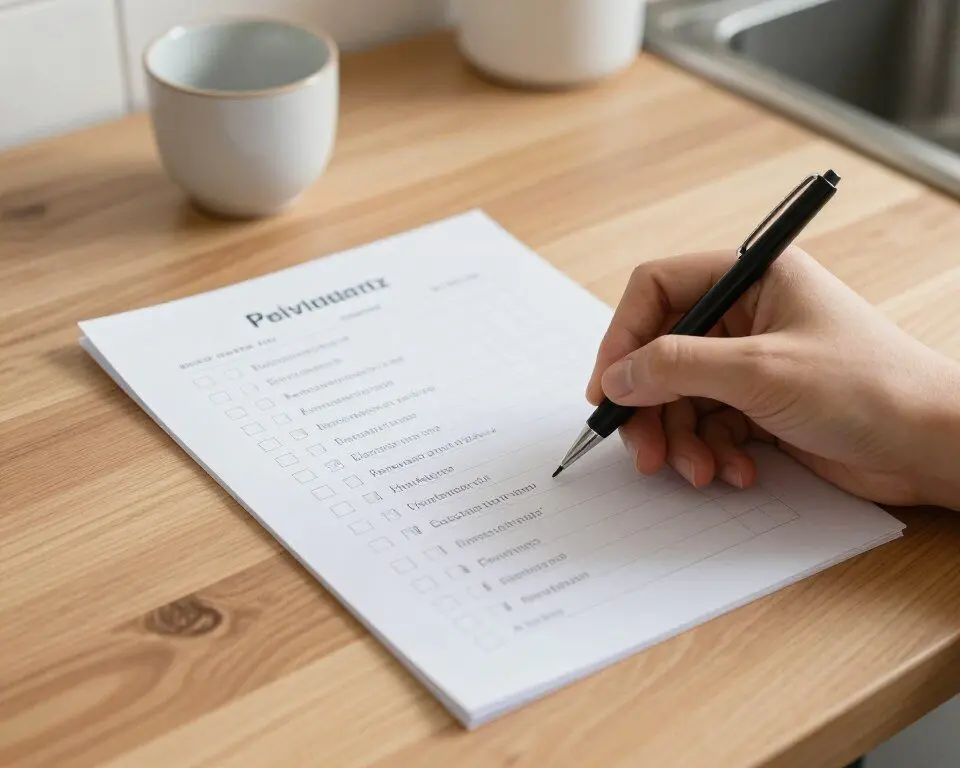
Checking off small wins can help the routine become a habit.
Start with one room today
Choose the room causing the most stress, set a 15-minute timer, and complete only the visible priorities.
Weekly Cleaning Schedule FAQs and Final Encouragement
How much cleaning should I do each day?
Start with 15 to 30 minutes. Complete the daily basics, then focus on the assigned room. A smaller session is still worthwhile when time is short.
What if I cannot clean every day?
Combine tasks into two or three sessions. Keep the kitchen, bathrooms, dishes, laundry, and high-traffic floors as your first priorities.
Should I clean all bathrooms every week?
Clean the bathrooms that receive the most use every week. Rotate low-use bathrooms when your schedule or energy is limited.
How often should I wash sheets?
Many households wash sheets weekly. If that feels difficult, choose a regular interval that keeps the bed fresh and fits your laundry capacity.
When should I add monthly cleaning?
Add one monthly job after the weekly plan feels stable. Clean vents, window tracks, fans, or one storage area without adding a large list.
Your home does not need a demanding routine to feel better. It needs a few repeatable actions, a clear place for each task, and permission to adjust.
Use this weekly cleaning schedule as a starting point. Change the days, shorten the time, ask for help, or skip a task when life requires it. The best routine is not the most impressive one. It is the one you can return to tomorrow.
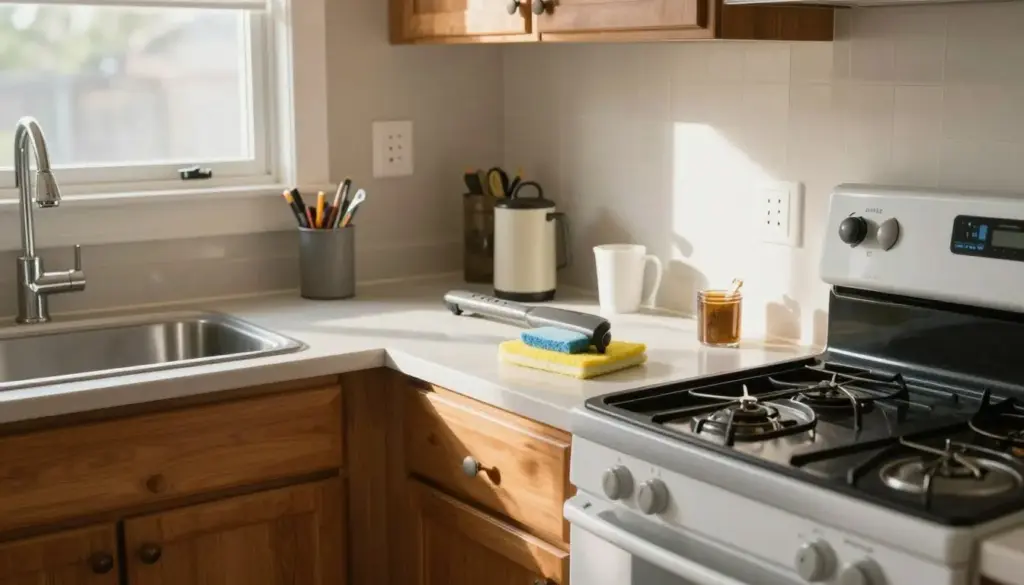
A reset kitchen supports the next busy day.
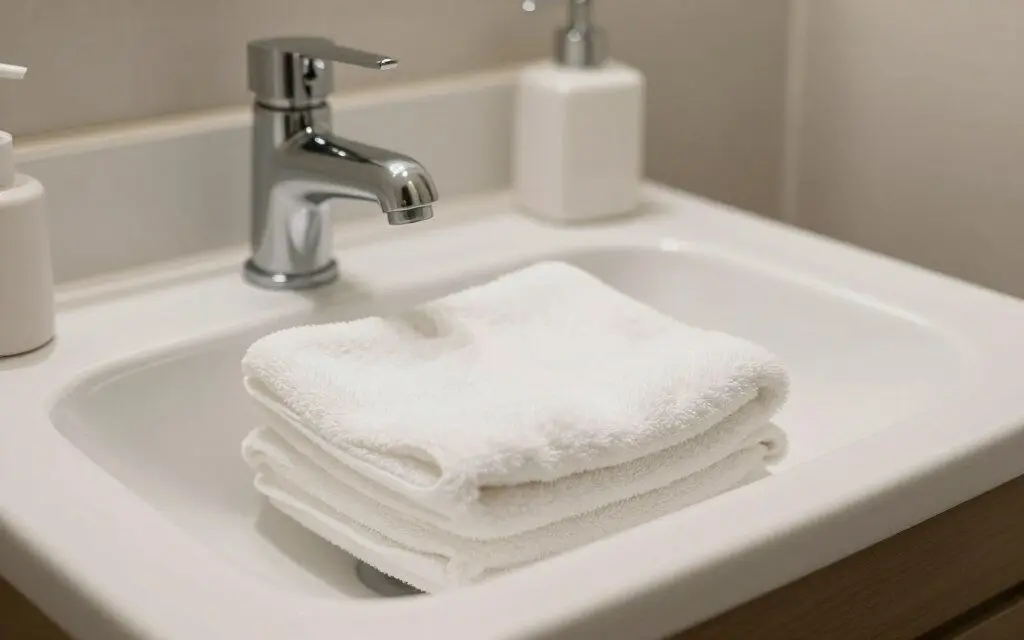
Small bathroom details can create a fresh feeling.
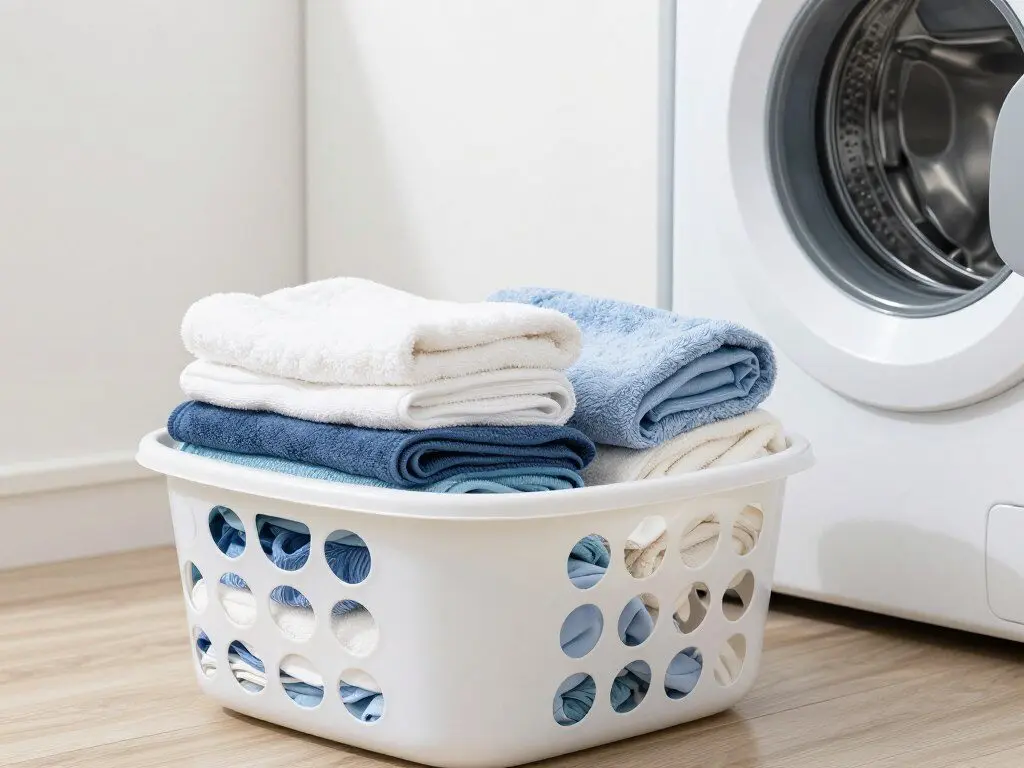
Finishing one load from wash to drawer is a useful win.

Simple storage makes the daily reset faster.
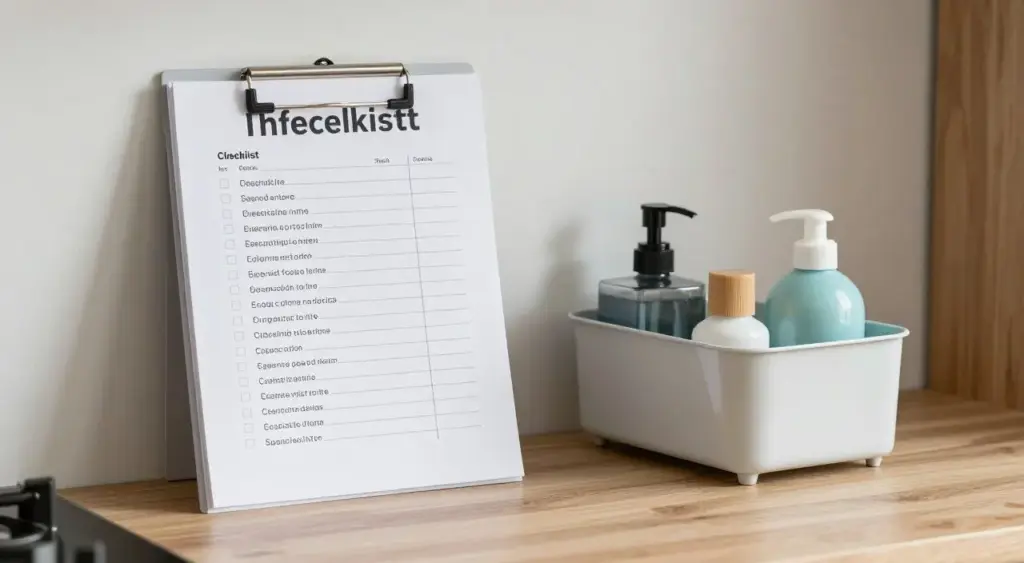
Keep the checklist close to the work area.
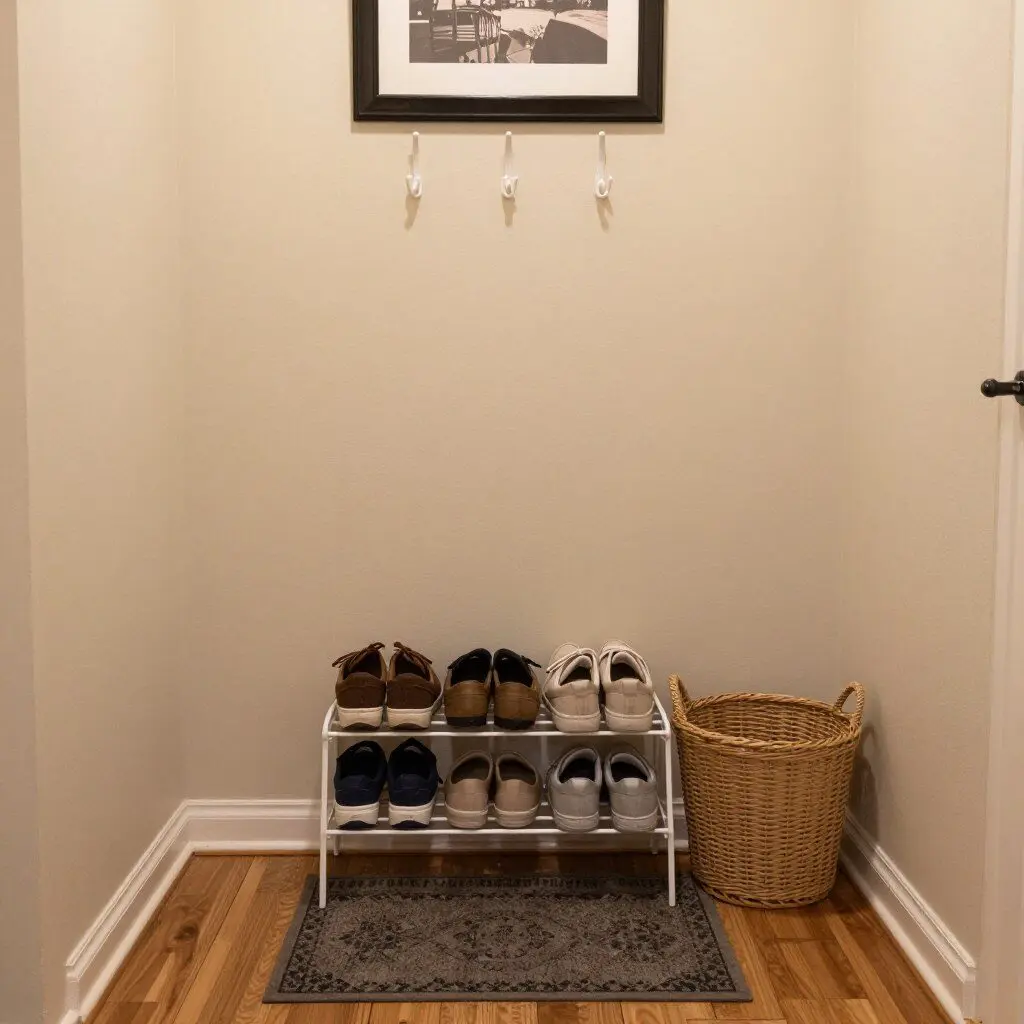
An organized entryway prevents clutter from spreading.
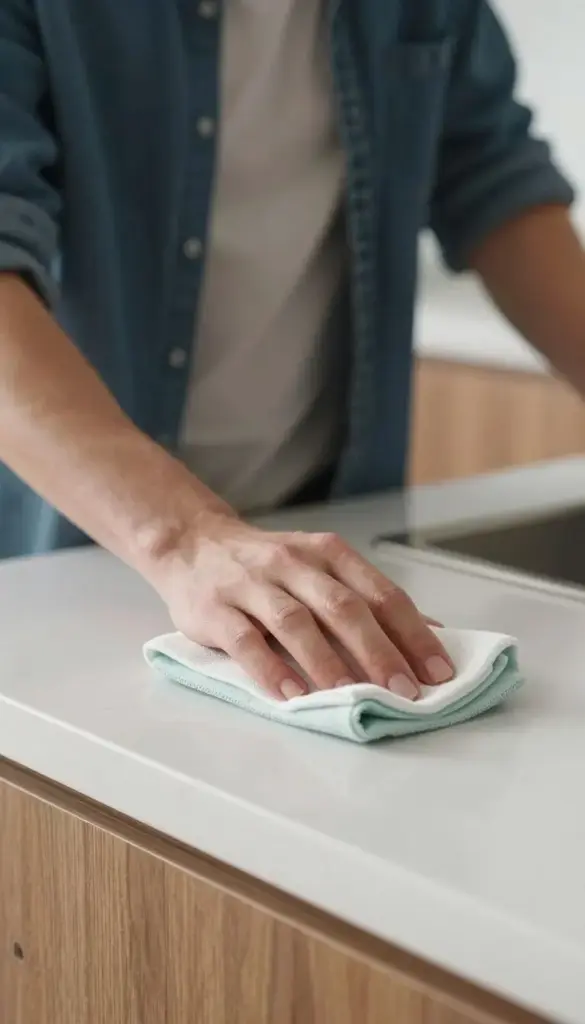
A quick wipe can be enough for a busy day.
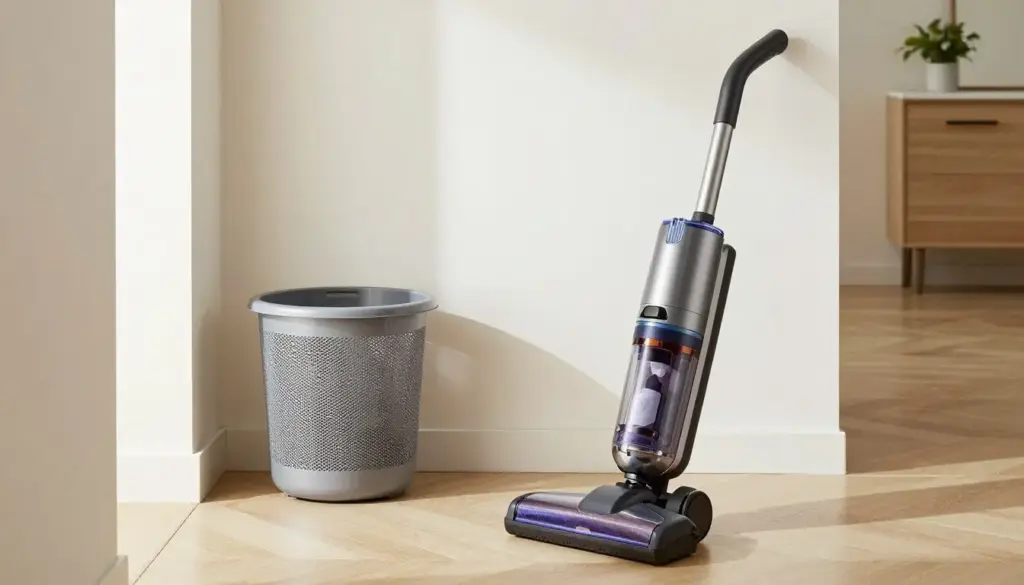
Ready-to-use tools reduce the friction of starting.

Fresh sheets can make a weekly reset feel rewarding.

Children can help with simple, clear cleaning tasks.
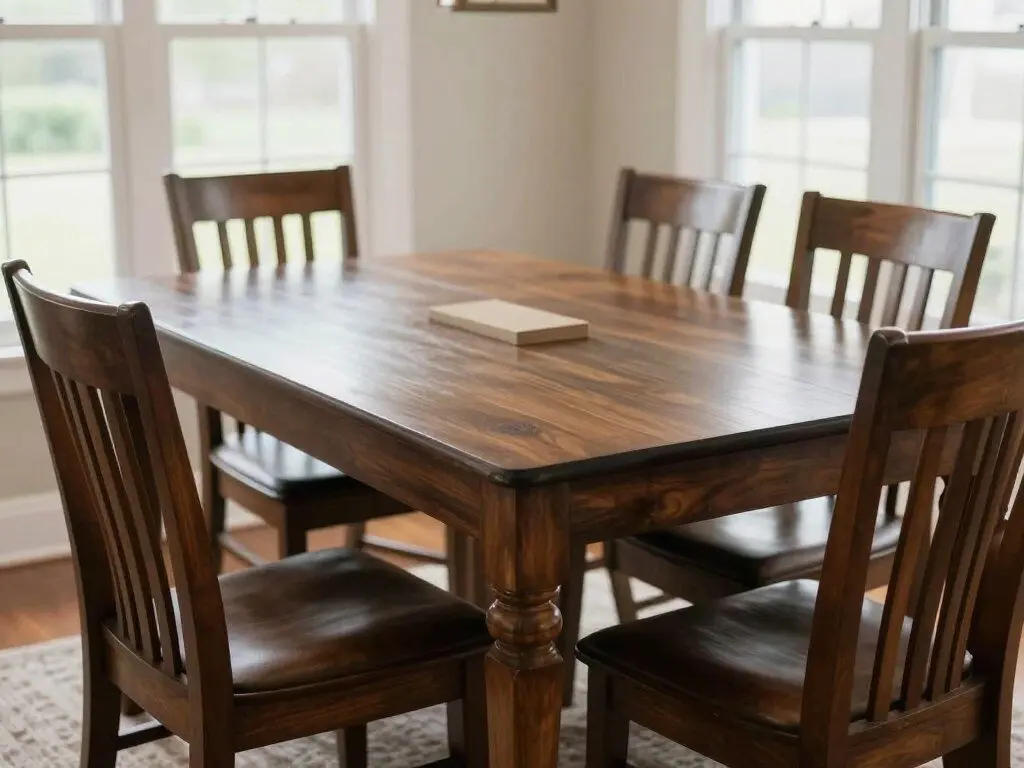
A clear table gives the room an instant reset.
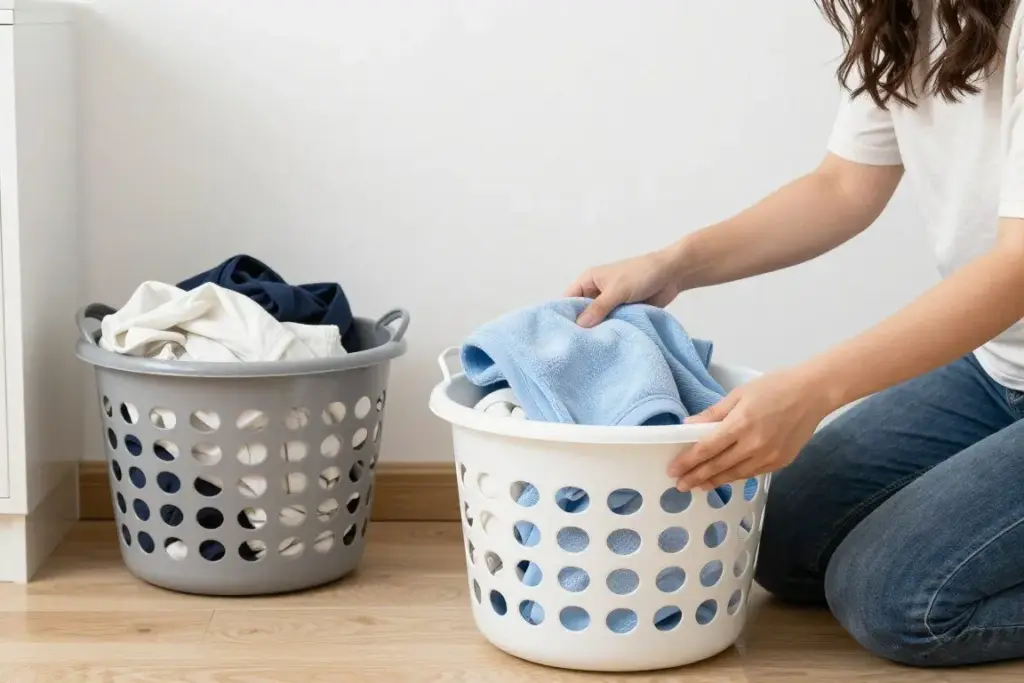
Sorting first can make laundry feel less scattered.
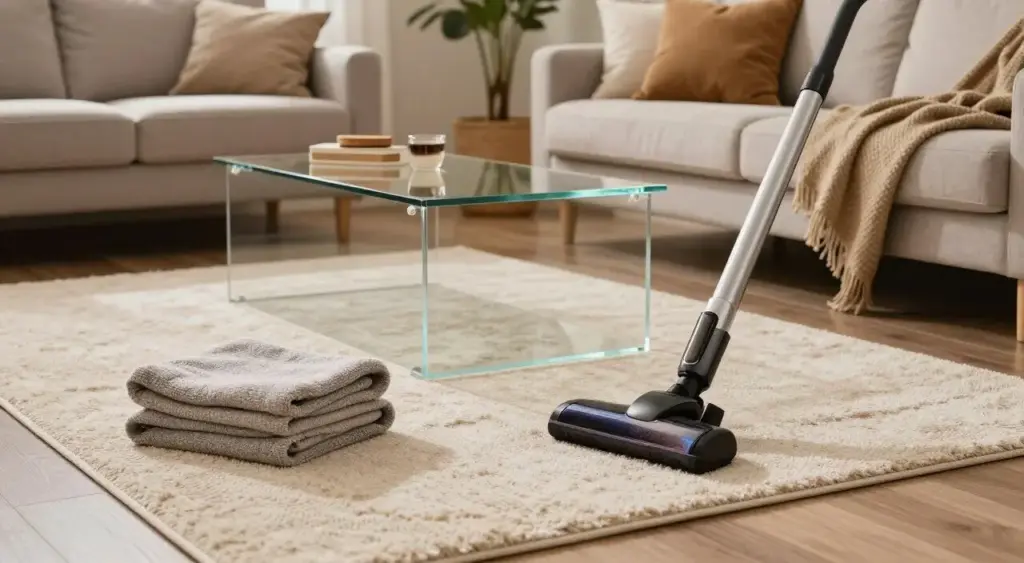
A few visible resets can change how a room feels.
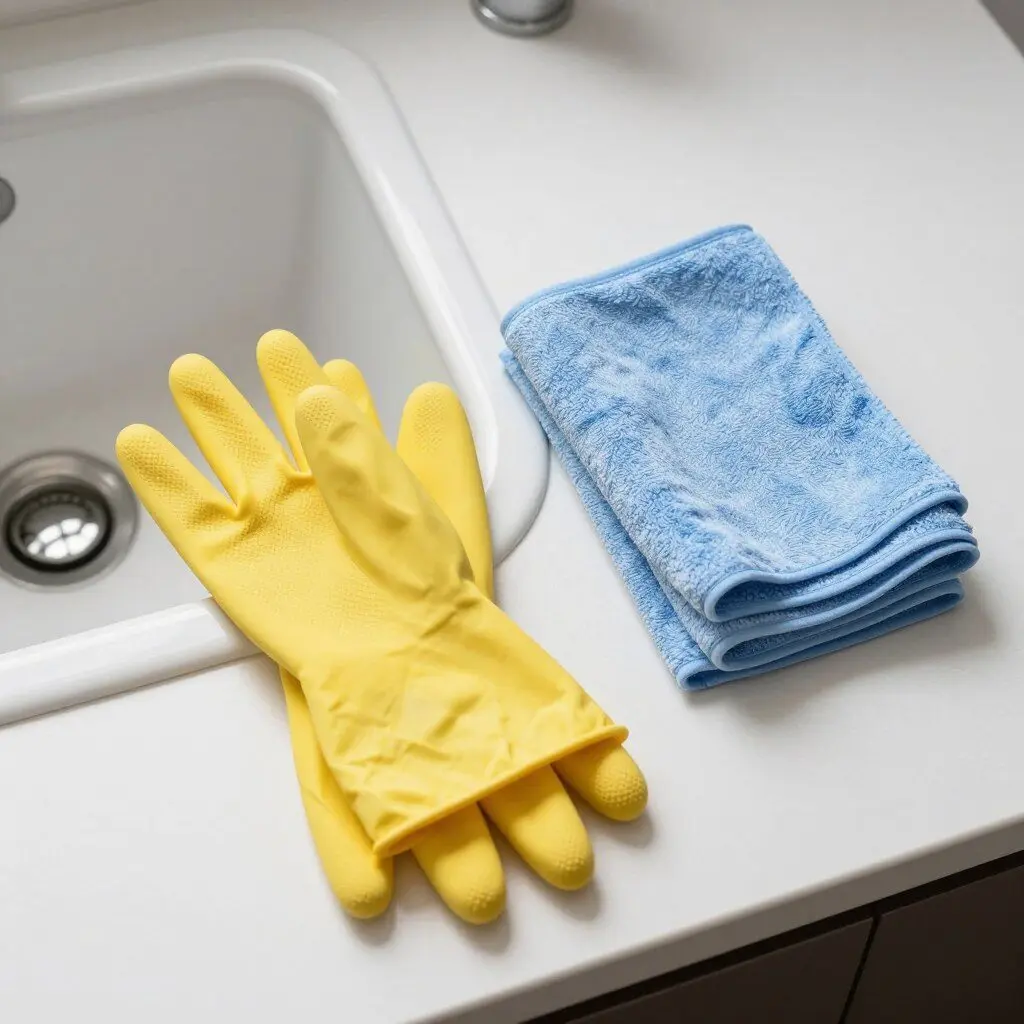
Keep simple tools available for quick touch-ups.
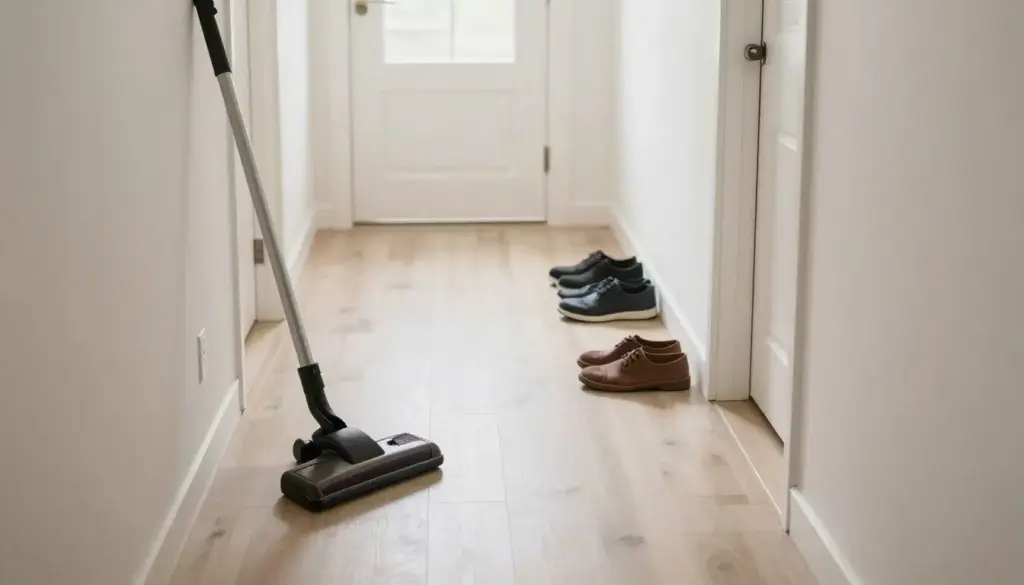
Clean walkways make the entire home feel more orderly.

A quick weekly review keeps the plan realistic.
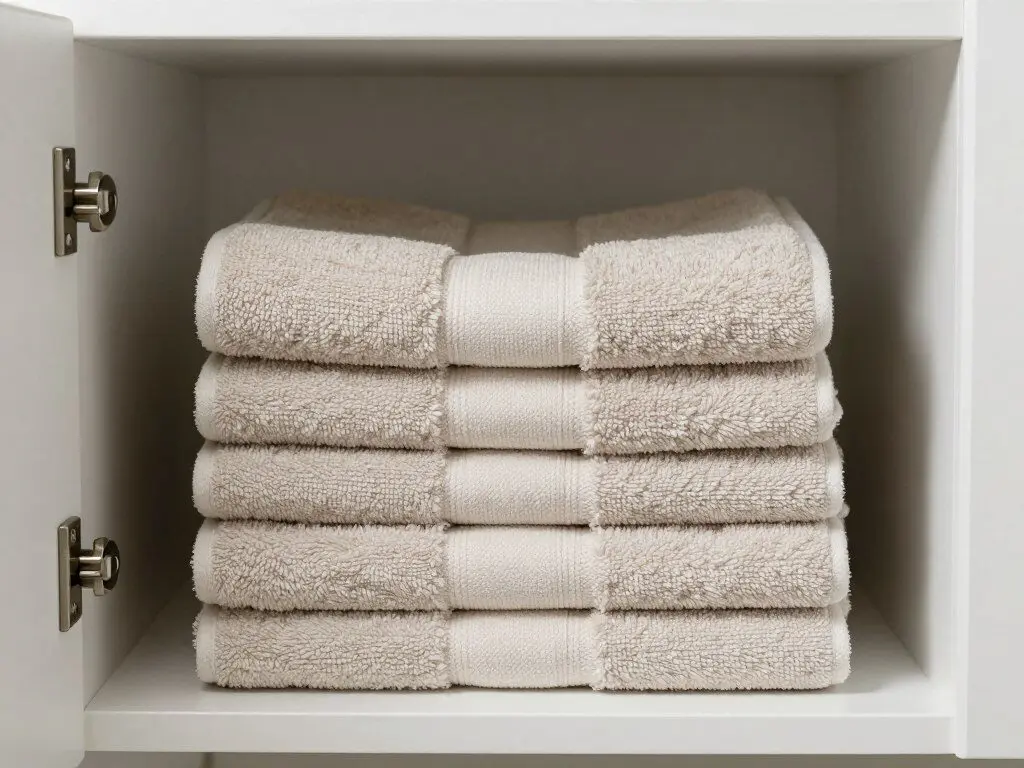
Restocking supplies is a small task with a big payoff.
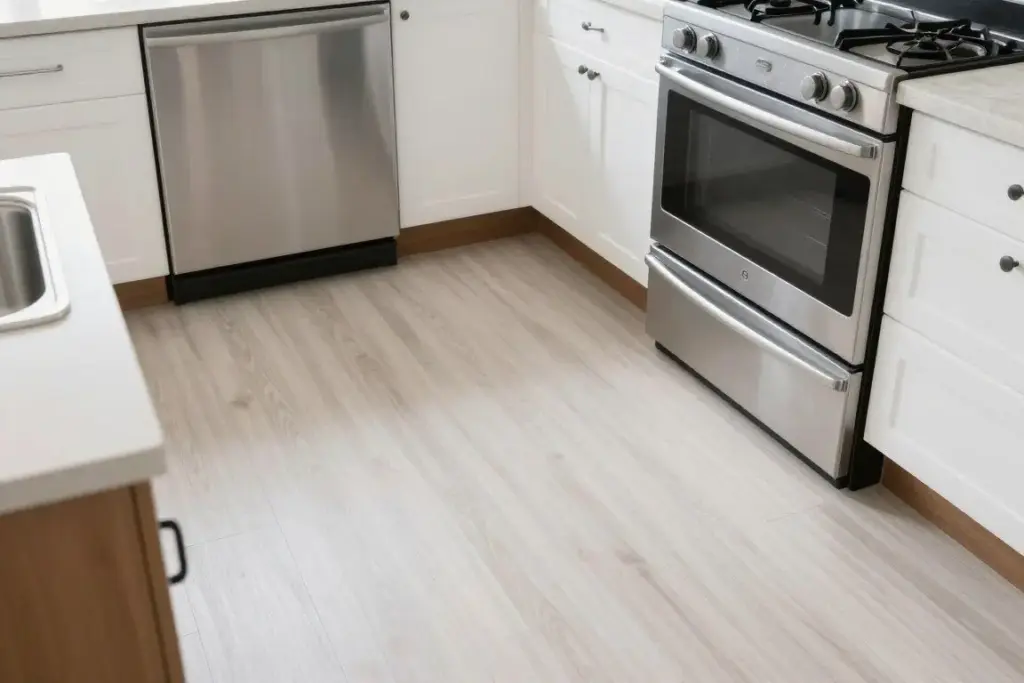
Focus on the floor areas that receive the most traffic.
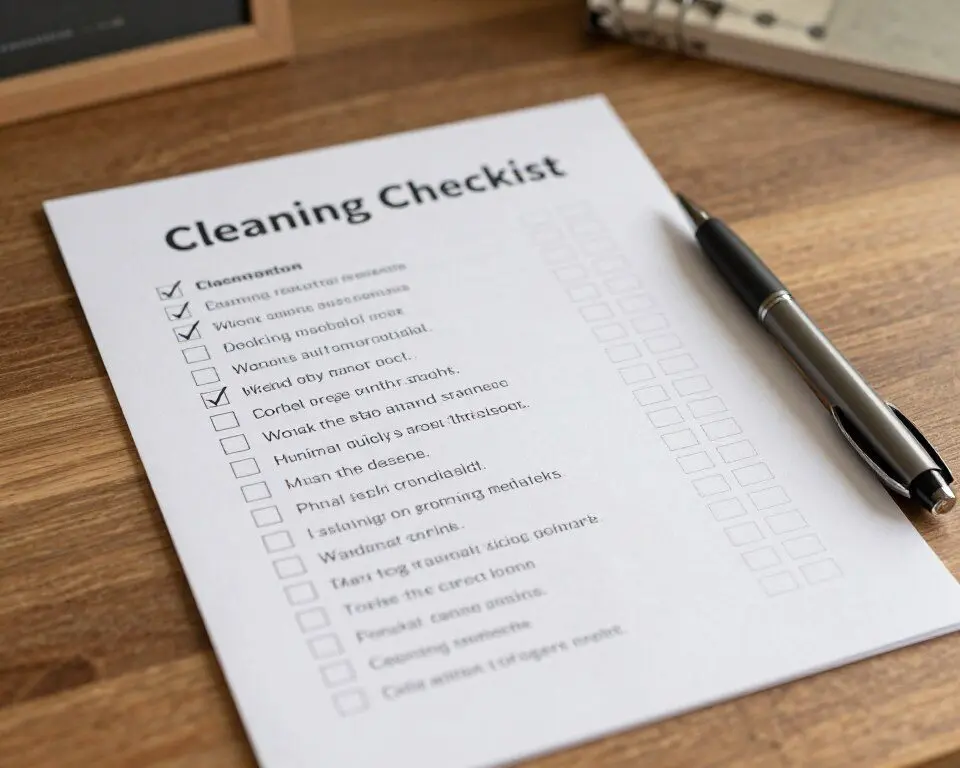
Visible progress helps turn a plan into a habit.

A portable caddy supports room-by-room cleaning.

The aim is a calmer home, not a perfect one.
Keep your clean-ish home moving
Use the checklist, choose one task for today, and give yourself credit for every step.