Squishies have taken the craft world by storm. These adorable, squishy toys bring joy to kids and adults alike. Making squishies at home is easier than you think.
This guide shows you how to make squishies in five different styles. From simple paper designs to memory foam creations, we’ve got fun projects for every skill level. Let’s dive into the wonderful world of DIY squishies!
Get Free Printable Squishy Templates!
Save time and create perfect squishies every time. Download our free templates featuring emoji faces, animals, and fun shapes designed specifically for this tutorial.
1. Paper Squishies: The Classic DIY Approach
Paper squishies are the perfect starting point for beginners. This craft project requires minimal supplies and delivers maximum fun. Kids love decorating their own designs.
The beauty of paper squishies lies in their simplicity. You can make them in any shape or size. They’re lightweight and perfect for fidgeting.
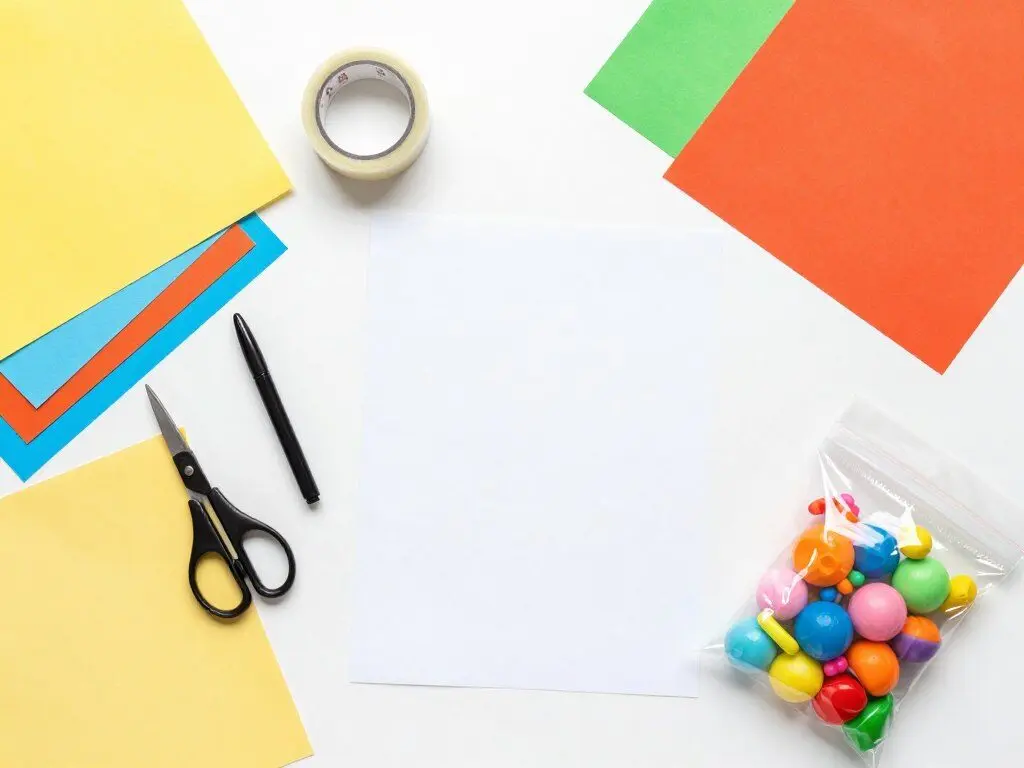
Materials You’ll Need
- Two sheets of colored construction paper or cardstock
- White paper for details
- Clear transparent tape or scotch tape
- Black marker or colored markers
- Scissors
- Toy stuffing or pillow filling
- Glue stick for attaching decorations
- Small plastic bag (optional but helpful)
Step-by-Step Instructions
- Draw your design on colored paper or print a template. Popular shapes include animals, food items, and emoji faces.
- Create a second identical cutout for the back of your squishy. Both pieces should match perfectly.
- Cut out any additional details like ears, eyes, or decorative elements from different colored paper.
- Glue the detail pieces onto your main design. Let the glue dry completely before proceeding.
- Cover the entire front surface with clear tape strips. Overlap the tape slightly to avoid gaps. Smooth out any air bubbles.
- Flip your design over and tape the back piece the same way. Leave a small opening at the bottom untaped.
- Fill your squishy with toy stuffing through the opening. Don’t overstuff – leave room for squishing.
- Seal the opening with tape. Fold the edges neatly for a clean finish.
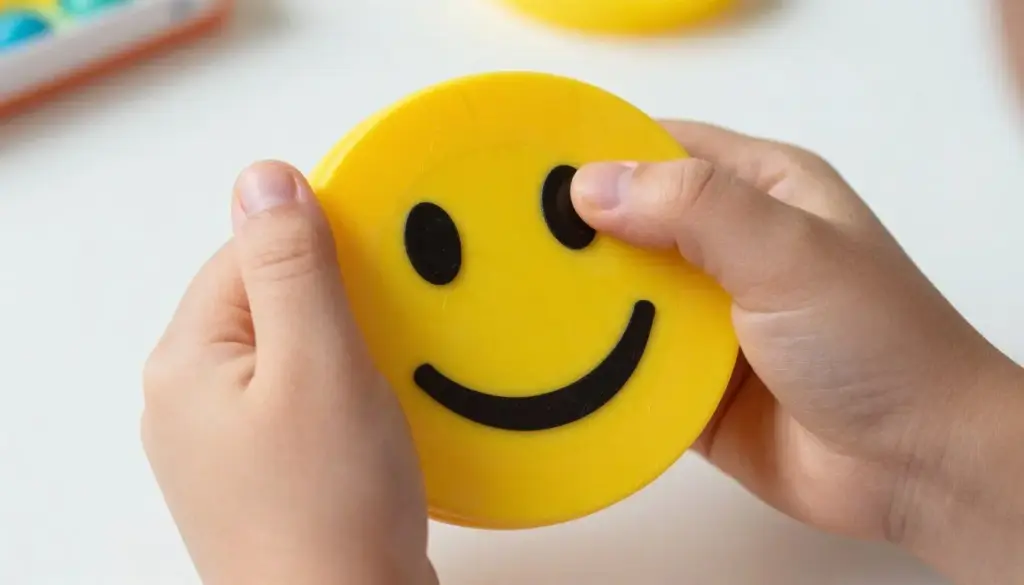
Pro Tip: The bigger your paper squishy, the better it squishes! Use a full sheet of paper for best results. A little space for air to escape makes the slow-rising effect work better.
Paper squishies are incredibly versatile. You can experiment with different shapes and designs. Some crafters even make themed collections. The taping step is crucial for durability.
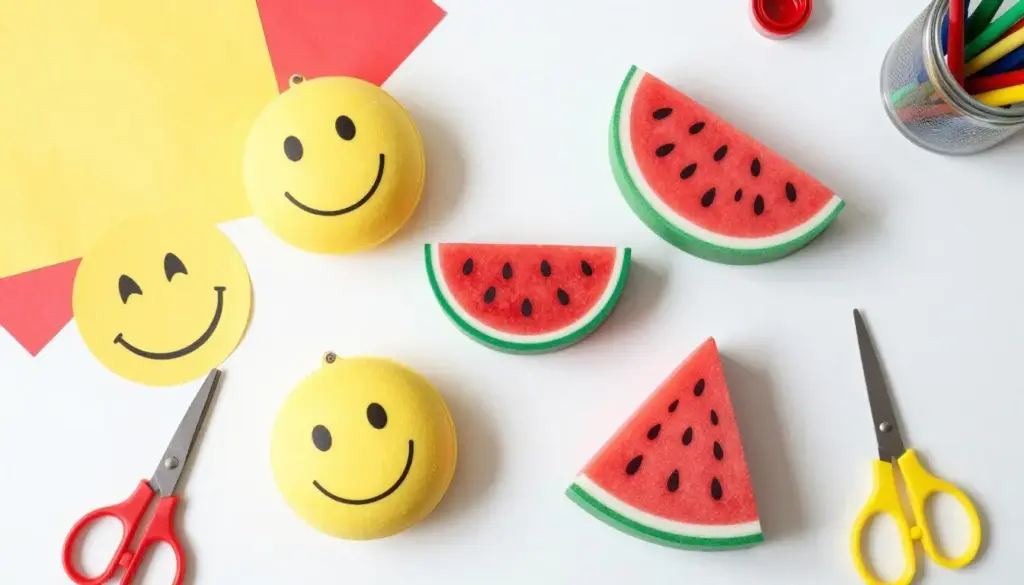
2. Watermelon Squishies: Memory Foam Fun
Memory foam squishies offer the most authentic squishy experience. These DIY creations feel remarkably similar to store-bought versions. The slow-rising effect is simply satisfying.
Watermelon slices make perfect squishy shapes. Their simple design is beginner-friendly. The bright colors look cheerful and inviting.
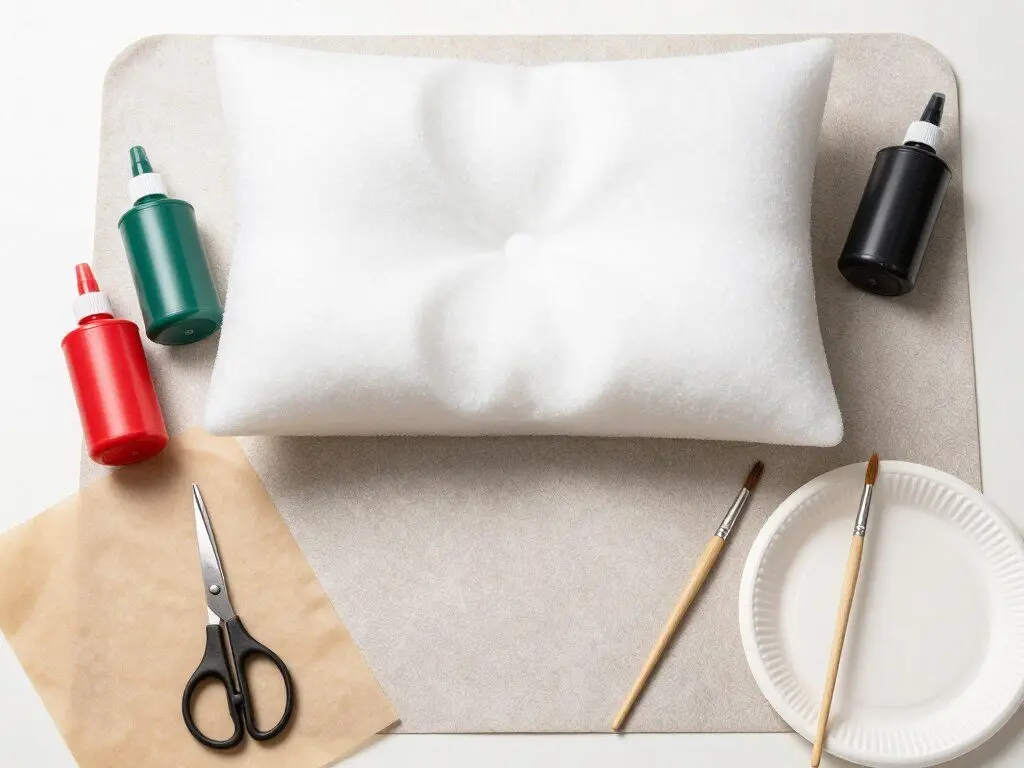
Essential Supplies
- Memory foam pillow (not shredded foam)
- Very sharp scissors or fabric shears
- Fabric paint in red, green, and black
- Paintbrushes in various sizes
- Paper plate for paint mixing
- Wax paper or parchment paper
- Optional: art mat or drop cloth for workspace protection
Creating Your Memory Foam Squishy
- Cut open your memory foam pillow. One pillow makes about fifteen squishies of different sizes.
- Cut the foam into a rectangle approximately three inches by four inches.
- Shape the rectangle into a half-circle to create the watermelon slice shape.
- Refine your shape by trimming small bits until you’re satisfied with the form.
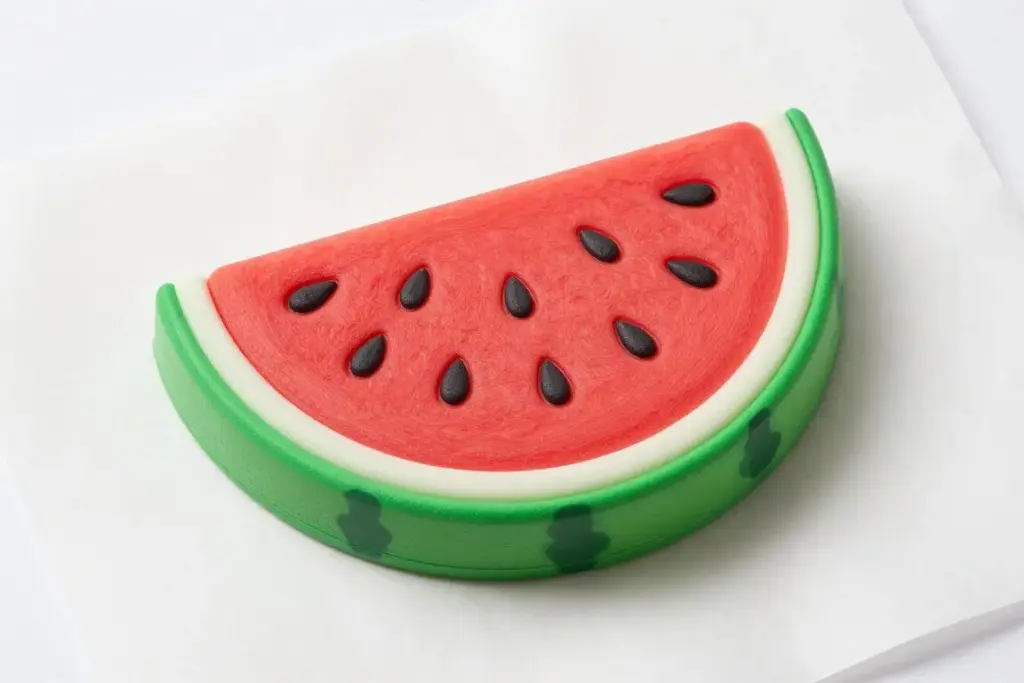
- Paint the center portion red using fabric paint. Use generous strokes for even coverage.
- Add a green border around the edge to represent the watermelon rind.
- Use black paint to create small seed dots scattered across the red center.
- Place your painted squishy on parchment paper to dry overnight.
Important: Fabric paint permanently stains clothing. Wear old clothes or a craft apron during this project. Disposable gloves protect your hands from paint.
Memory foam squishies provide the best tactile experience. The foam naturally wants to return to its original shape. This creates that signature slow-rising effect. Kids find these incredibly satisfying to squeeze.
Need Quality Memory Foam?
We recommend using fresh memory foam pillows for the best results. They cut cleanly and create perfectly squishy toys.
3. Emoji Squishies: Express Yourself
Emoji squishies bring personality to your craft collection. These expressive faces are instantly recognizable. Kids love making their favorite emoji characters.
The circular shape is simple to create. You can customize expressions endlessly. From laughing faces to heart eyes, the possibilities are endless.
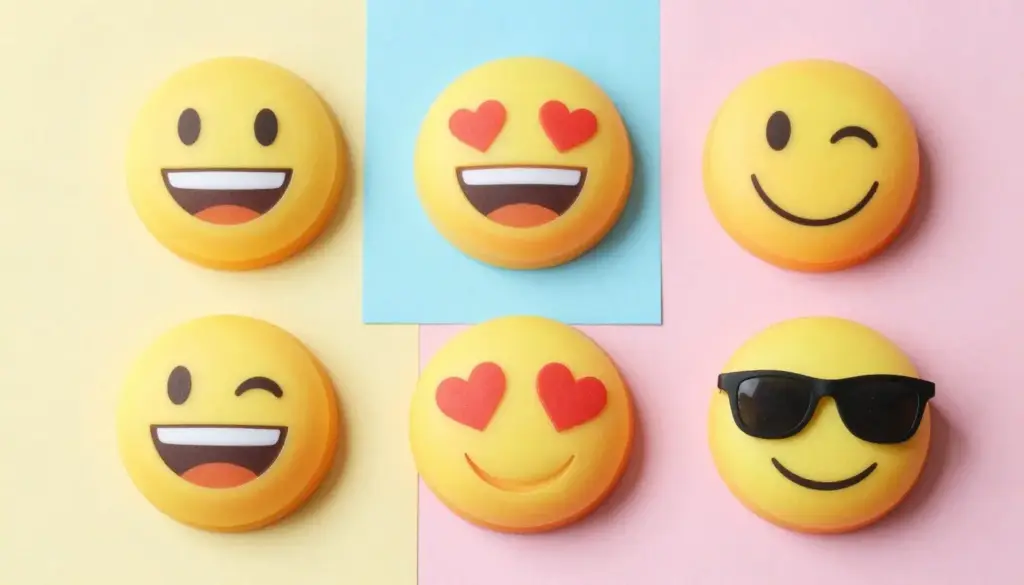
Materials for Emoji Squishies
- Yellow construction paper or cardstock
- White, black, pink, and red paper for facial features
- Medium bowl or plate for circle tracing
- Clear tape for waterproofing
- Markers or colored pens
- Toy stuffing material
- Scissors and glue stick
Making Your Emoji Squishy
- Trace a circle using your bowl on yellow paper. Make it as large as possible for better squishing.
- Cut out two identical yellow circles. One becomes the front, one becomes the back.
- Cut out emoji features from colored paper. Hearts for eyes, tear drops, smiles, or sunglasses work great.
- Draw the mouth with black marker. Sketch lightly in pencil first if you’re not confident.
- Glue all facial features onto one circle. Press firmly and let dry.
- Cover the decorated side completely with overlapping tape strips. Smooth carefully to avoid wrinkles.
- Tape the back circle similarly. Align both pieces and tape around the edges, leaving a small gap.
- Stuff the squishy through the gap. Fill loosely for optimal squishiness.
- Seal the final opening with tape. Fold the edges inward for a neat finish.

Taping Tip: If your taping skills are excellent and there are no air gaps, your squishy might not rise. Make a few tiny pin pricks to allow air flow. This creates the slow-rising effect.
Bigger emoji squishies work better than smaller ones. The larger size allows more stuffing and better squishing action. A full sheet of paper folded in half provides the ideal dimensions.
4. Foam Sheet Squishies: Quick and Colorful
Craft foam sheets offer another fantastic option for making squishies. These materials are readily available at any craft store. They come in vibrant colors and various thicknesses.
Foam sheet squishies hold their shape well. They’re perfect for detailed designs. The material is easy to cut and decorate.
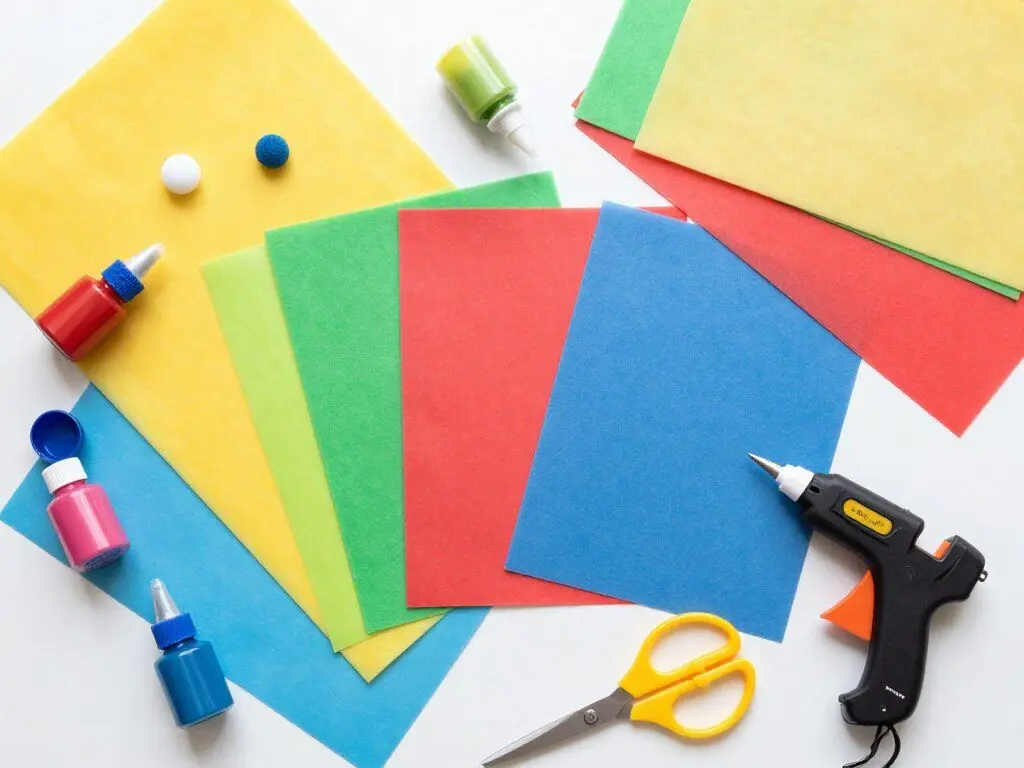
Supplies You’ll Need
- Craft foam sheets in various colors (2-3mm thickness works best)
- Puffy paint or dimensional fabric paint
- Hot glue gun and glue sticks
- Scissors or craft knife
- Poly-fil stuffing or cotton batting
- Markers for details
- Templates or stencils (optional)
Creating Foam Sheet Squishies
- Choose your design and cut two identical shapes from foam sheets. Popular choices include cupcakes, donuts, or animals.
- Decorate the front piece with puffy paint. Add details like frosting swirls, sprinkles, or facial features.
- Let the puffy paint dry completely. This usually takes four to six hours.
- Apply hot glue around the edge of one foam piece. Leave a two-inch opening for stuffing.
- Press the second foam piece on top. Hold firmly until the glue sets.
- Stuff your squishy through the opening. Use small amounts of filling at a time.
- Seal the opening with more hot glue. Press the edges together securely.
- Add final details with markers if desired. Touch up any areas that need it.
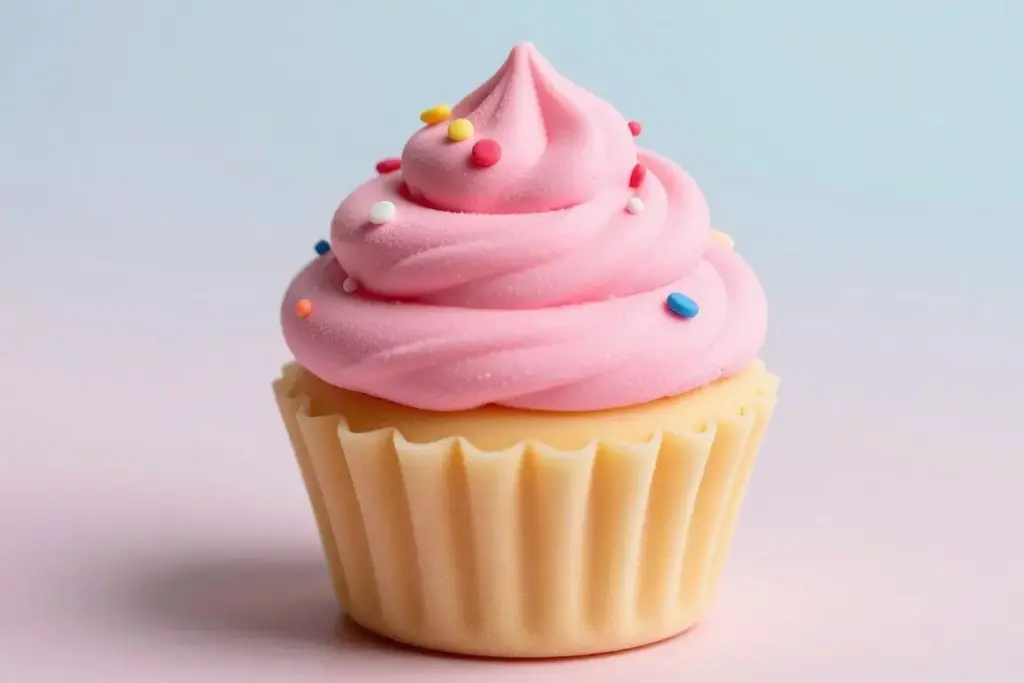
Puffy Paint Magic: Puffy paint creates a realistic squishy texture on foam surfaces. Apply it generously for the best dimensional effect. Multiple thin layers work better than one thick layer.
Foam sheet squishies are more durable than paper versions. The material resists tearing and holds up to frequent squishing. Kids can play with these for weeks without damage.
5. Stress Ball Squishies: Therapeutic and Fun
Stress ball squishies serve double duty as craft projects and fidget toys. These squeezable creations help relieve stress and anxiety. They’re perfect for both kids and adults.
This style uses balloons and different fillings. The texture variations create unique sensory experiences. Each filling produces a different squishing sensation.
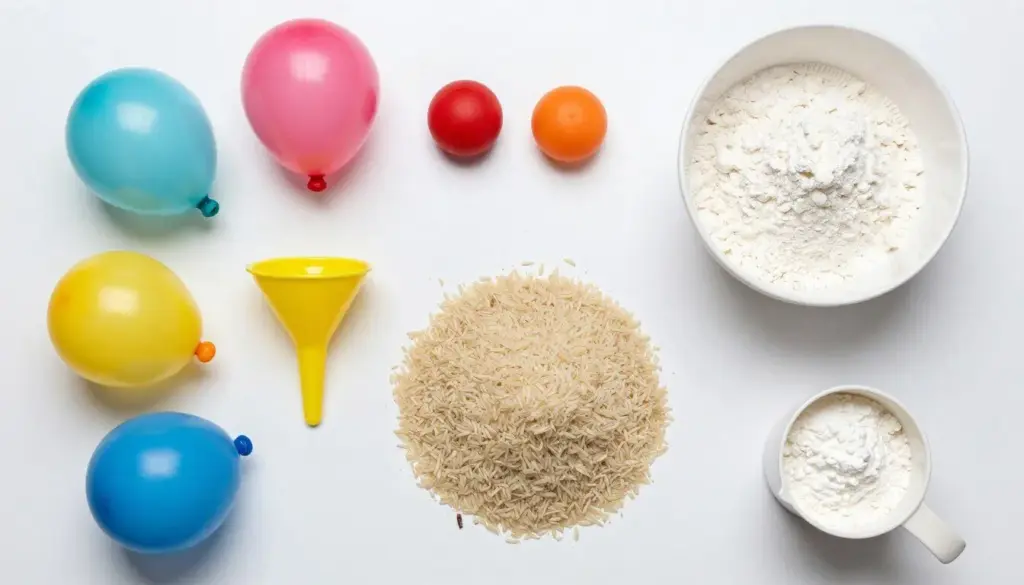
Materials Needed
- Balloons in various colors (standard party balloons work great)
- Plastic funnel or empty plastic bottle
- Filling options: flour, rice, play sand, cornstarch, or kinetic sand
- Scissors
- Permanent markers for decorating
- Measuring cups
- Optional: a second balloon for double layering
Making Stress Ball Squishies
- Stretch your balloon several times to make it more pliable. This prevents tearing during filling.
- Attach the balloon opening to your funnel or cut bottle top.
- Pour your chosen filling slowly through the funnel. Fill until the balloon reaches tennis ball size.
- Remove the funnel carefully. Squeeze out excess air from the balloon.
- Tie the balloon closed with a secure knot. Make it as tight as possible.
- Trim the excess balloon tail close to the knot.
- For extra durability, slip a second balloon over the first with the opening at the opposite end.
- Decorate with permanent markers. Draw faces, patterns, or designs.
Flour Filling
Creates a soft, moldable texture. Easy to squeeze and shape. The most affordable option. Provides a smooth, silky feel.
Rice Filling
Offers a firmer, grainier texture. Makes subtle sounds when squeezed. Provides good resistance. More satisfying for vigorous squishing.

Sensory Benefits: Different fillings provide unique sensory experiences. Flour offers smooth resistance, rice provides texture, and sand gives weight. Try making several types to find your favorite.
Stress ball squishies are incredibly therapeutic. The repetitive squeezing motion helps focus and calm the mind. Many teachers use these as classroom fidget tools. They’re also great for hand strengthening exercises.
Want 10+ More Squishy Designs?
Download our complete squishy crafting guide with advanced techniques, troubleshooting tips, and bonus designs including animals, food items, and seasonal themes.
Essential Tips for Making Perfect Squishies
Creating successful squishies requires attention to detail. These tips help ensure your projects turn out great every time. Small adjustments make big differences in the final product.
General Crafting Tips
- Always start with clean, dry hands to keep your materials pristine
- Work on a protected surface to catch spills and messes
- Don’t overstuff your squishies – they need room to compress
- Let all glue and paint dry completely before handling
- Store finished squishies in a cool, dry place away from direct sunlight
- Make multiple squishies at once to maximize your crafting time
- Keep a small repair kit handy with extra tape, glue, and stuffing
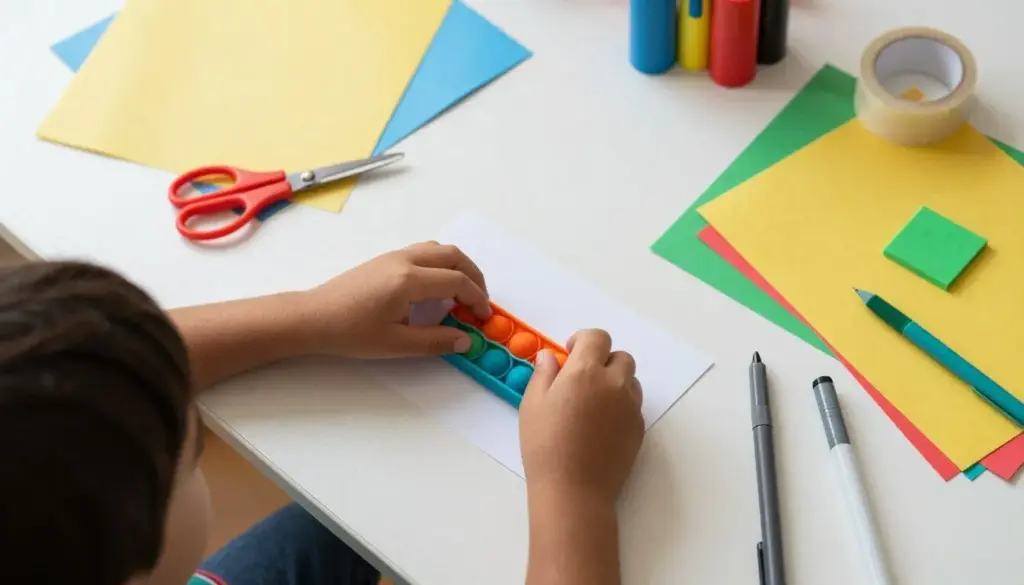
Troubleshooting Common Issues
Making Squishies with Kids
These craft projects are perfect family activities. Different styles suit different age groups. Young children need supervision with scissors and hot glue.
Paper squishies work great for ages six and up. The simple steps boost confidence. Memory foam squishies are better for older kids due to paint handling. Stress ball squishies suit all ages with adult help for filling.
Best Practices for Group Crafting
- Pre-cut shapes for younger children
- Set up stations for different project stages
- Have extra materials ready for mistakes
- Allow plenty of drying time between sessions
Safety Considerations
- Supervise all cutting activities closely
- Use non-toxic paints and glues only
- Keep small parts away from toddlers
- Ensure proper ventilation when using paint
Start Your Squishy-Making Adventure Today
You now know how to make squishies in five different styles. Each method offers unique benefits and creative possibilities. From simple paper designs to therapeutic stress balls, there’s a squishy project for everyone.
The best part about making squishies is the creative freedom. Experiment with colors, shapes, and designs. Let your imagination guide your crafting journey.
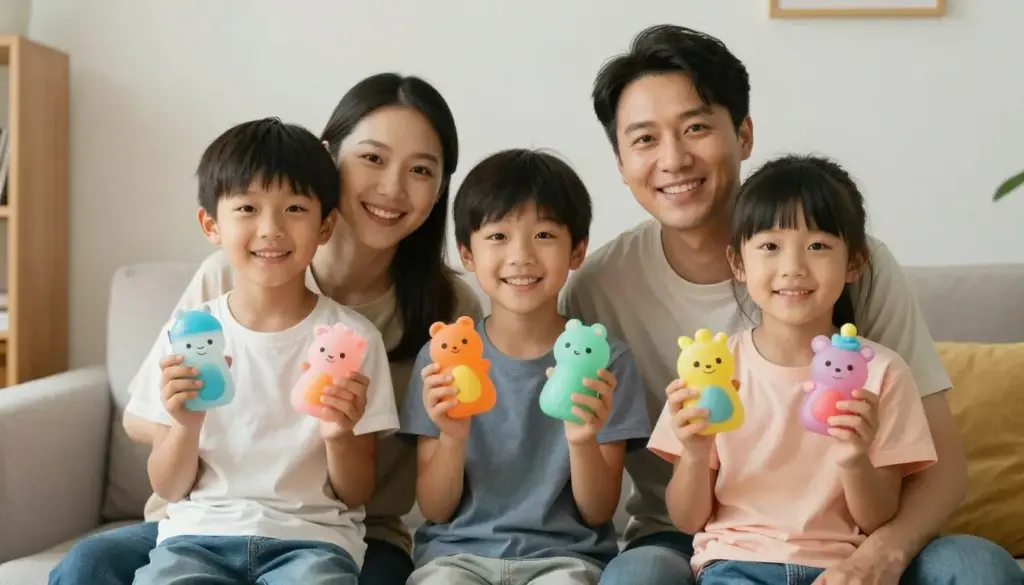
These DIY projects cost just a few dollars in materials. Most supplies are already in your craft closet. The memories you create while crafting together are priceless.
Start with the paper squishy method if you’re new to this craft. Build your skills and try more advanced techniques. Before long, you’ll have a whole collection of homemade squishies. Share your creations with friends and family. Happy squishing!
Share Your Squishy Creations!
We’d love to see what you make! Share photos of your homemade squishies on social media and inspire other crafters. Tag your posts so we can feature your work.