
Setting achievable 36 New Years Resolutions Ideas (2027) begins with prioritising steady, incremental improvements over sudden, drastic lifestyle overhauls. The most effective new year resolutions fit naturally into daily rhythms, supporting sustained physical vitality, emotional calm, and deeper bonds with loved ones. Choosing balanced commitments helps establish practical habits that bring genuine satisfaction throughout the coming year.
Personal circumstances, work patterns, and household priorities dictate which resolution ideas yield the greatest long-term reward. Assessing everyday energy levels and practical boundaries allows anyone to adopt habits that enrich life rather than introduce unnecessary pressure.

Quiet morning reflection provides the ideal foundation for setting rewarding, sustainable life ambitions.
Physical Health and Everyday Vitality
Nurturing physical health creates the energy needed to tackle daily commitments and enjoy leisure time with friends and family. Focusing on regular hydration, nourishing meals, consistent movement, and restorative rest establishes a robust foundation for general wellness.
1. Hydrate Consistently Throughout the Day

Keeping fresh water nearby makes meeting daily hydration needs an effortless, natural part of your morning and afternoon.
Maintaining proper fluid levels supports digestion, mental concentration, and healthy joint mobility from morning until evening. Carrying a reusable water bottle or keeping a fresh pitcher on the desk serves as a gentle visual prompt to drink throughout the day. Infusing tap water with fresh cucumber, mint sprigs, or citrus slices adds an appealing, refreshing flavour that encourages regular sips without added sugars.
2. Cook More Whole Meals at Home

Preparing wholesome home-cooked meals offers full control over ingredients and brings simple culinary joy to everyday living.
Preparing meals in your own kitchen provides full control over wholesome ingredients, sodium levels, and balanced portion sizes. Exploring seasonal vegetable stews, tray bakes, and legume salads turns home cooking into a relaxing creative outlet after busy work commitments. Batch cooking wholesome bases ahead of time relieves evening cooking pressure and provides nutritious lunches ready for subsequent days.
3. Incorporate Daily Gentle Movement

Consistent daily walks through local green spaces refresh the mind while maintaining physical mobility and joint health.
Physical activity does not require punishing athletic programmes to produce tangible, uplifting benefits for the body. A brisk walk through the neighbourhood, a gentle gardening session, or a series of dynamic stretches helps maintain joint mobility and boosts circulation. Approaching movement as a restorative daily appointment rather than a chore fosters lasting consistency across every season.
4. Establish a Relaxing Evening Sleep Schedule

A dedicated evening wind-down routine prepares the nervous system for uninterrupted, restorative night-time sleep.
Consistent sleep patterns allow the brain and physical body to recover fully from daytime demands and stresses. Dimming bright ceiling fixtures, stepping away from portable screens, and reading a physical book signals the nervous system to wind down naturally. Keeping the bedroom dark, quiet, and cool helps preserve uninterrupted rest, leading to brighter, more alert mornings.
Physical vitality thrives on gentle regularity rather than intense, sporadic efforts. Committing to small, daily adjustments in hydration and rest yields far greater long-term resilience than occasional, drastic fitness campaigns.
Mental Clarity and Mindfulness
Cultivating internal calm allows one to navigate everyday challenges with composure and emotional balance. Incorporating brief pauses, reflective writing, and screen-free periods helps quiet a busy mind and preserves focus for meaningful pursuits.
5. Begin the Morning with a Screen-Free Pause

Resisting the urge to check mobile notifications immediately upon waking preserves valuable mental peace and morning clarity.
Reaching for digital devices immediately upon waking floods the mind with notifications, emails, and global headlines before the day has properly begun. Dedicating the opening moments of the morning to stretching, making a hot drink, or simply looking out the window fosters grounded presence. This calm buffer allows you to set deliberate intentions rather than reacting impulsively to outside pressures.
6. Practise Daily Reflective Journaling

Putting thoughts onto paper untangles complex emotions and creates an encouraging record of personal growth over the year.
Writing down thoughts, daily observations, and small victories provides an effective emotional outlet that untangles mental clutter. Even jotting down three things that brought a smile or noting an ongoing challenge helps process complex emotions with perspective. Looking back through completed pages over time highlights subtle personal growth and reinforces gratitude for life’s simple pleasures.
7. Introduce Focused Breathwork Breaks
Pausing for several slow, deliberate breaths resets the nervous system during demanding afternoons or stressful meetings.
Taking intentional pauses to concentrate solely on the sensation of breathing interrupts the physical stress response during busy afternoons. Inhaling deeply through the nose and releasing the breath slowly through the mouth helps steady an accelerated heart rate and loosens muscular tension. Repeating this simple exercise throughout the workday resets cognitive focus without requiring specialised equipment.
8. Schedule Regular Digital Detox Windows

Setting devices aside during evening leisure hours reclaims valuable attention for tactile hobbies and family conversations.
Constant connectivity fragments attention and fuels subtle background fatigue throughout the week. Setting aside dedicated hours on weekends or quiet evenings where digital devices remain in another room reclaims mental clarity. Filling those liberated hours with conversation, board games, or craft projects restores genuine social intimacy and presence.
Mental stillness does not require complete silence or elaborate retreats. Taking brief, deliberate moments of quiet contemplation between daily tasks acts as an effective shield against cognitive overload.
Personal Finance and Practical Budgeting
Establishing straightforward financial routines reduces household stress and builds confidence when managing future milestones. Mindful spending, regular reviews of recurrent commitments, and intentional saving habits help household funds work far more productively.
9. Implement Intentional Weekly Meal Planning

Organising weekly meals before visiting the supermarket prevents duplicate purchases and dramatically reduces food waste.
Mapping out lunches and dinners before visiting the supermarket curtails impulsive shopping and dramatically decreases food waste. Taking stock of pantry staples, freezer supplies, and fresh produce ensures each ingredient serves a definite culinary purpose throughout the week. This organised method keeps grocery expenditure predictable while ensuring balanced nutrition across every family meal.
10. Conduct a Seasonal Subscription Audit

Reviewing bank statements every few months reveals forgotten recurring payments that can be cancelled with immediate savings.
Recurring digital memberships, streaming services, and monthly subscription boxes often go underused while quietly drawing from bank accounts. Setting a recurring calendar reminder every few months to scrutinise bank statements highlights services that no longer justify their ongoing cost. Cancelling redundant subscriptions immediately frees up household money that can be redirected towards long-term savings goals.
11. Practise a Twenty-Four Hour Rule for Discretionary Purchases

Pausing for a full day before purchasing non-essential goods prevents impulse buys and clarifies true priorities.
Impulse buying frequently addresses transient emotional boredom rather than an authentic household need. Imposing a deliberate pause before purchasing non-essential items allows initial marketing excitement to settle down naturally. If the desire or practical necessity remains clear after the pause, the item can be purchased with confident satisfaction.
12. Build an Automated Emergency Cushion

Automating small transfers into a separate emergency fund builds financial resilience without requiring daily calculation.
Unexpected vehicle repairs, domestic appliance breakdowns, or routine dental bills can disrupt carefully managed monthly budgets. Establishing an automatic transfer from the primary current account into a dedicated savings reserve right after payday removes the temptation to spend those funds. Over time, this unhurried habit establishes an invaluable financial buffer that delivers lasting peace of mind.
- Check bank statements regularly to identify recurring charges that are no longer used or appreciated.
- Keep a running list of desired personal items and review them periodically before completing online checkouts.
- Separate emergency funds from everyday spending accounts to avoid inadvertent depletion during regular shopping.
Enriching Friendships and Family Relationships
Close human connections offer invaluable emotional support, shared joy, and stability through life’s changing seasons. Making intentional time for friends, partners, and extended family members protects meaningful relationships from the friction of hectic schedules.
13. Share a Weekly Device-Free Family Meal

Gathering around the dinner table without phones or television fosters heartfelt conversations and authentic mutual support.
Sharing supper around the dinner table without the distraction of television screens or incoming alerts encourages heartfelt conversations. Everyone at the table receives an open floor to share highs, setbacks, or humorous events from their respective days. This predictable weekly tradition reinforces household unity and provides children and adults alike with a secure, attentive space.
14. Send Handwritten Notes to Loved Ones

Receiving an unexpected physical card in the post brings deep warmth and lasting emotional reassurance to cherished friends.
In an era dominated by fleeting digital texts and group chats, receiving an unexpected letter or card in the letterbox feels remarkably personal. Taking a few moments to express gratitude, celebrate an anniversary, or simply check in shows profound care and attentiveness. Many recipients cherish these physical keepsakes for years, turning a simple gesture into a treasured memory.
15. Practise Active, Empathetic Listening

Putting down distractions to give undivided attention during conversations deepens emotional trust between partners and friends.
True listening involves giving undivided attention without mentally rehearsing your reply or formulating unsolicited advice while the other person speaks. Nodding attentively, maintaining gentle eye contact, and validating their emotions creates a safe haven where loved ones feel truly understood. This empathetic communication style prevents unnecessary misunderstandings and deepens mutual respect across all relationships.
16. Coordinate Regular Outdoor Walks with Friends

Combining gentle outdoor exercise with friendly conversation turns simple catch-ups into restorative, uplifting outings.
Replacing noisy cafe meetups or crowded pubs with outdoor walks provides a calm, refreshing backdrop for meaningful conversations. Strolling side by side through local parks or coastal paths encourages open dialogue while simultaneously keeping both individuals active. The shared movement and connection with natural surroundings leave everyone feeling invigorated, cheerful, and emotionally grounded.
Meaningful relationships require deliberate presence rather than superficial multitasking. Checking incoming messages during a heartfelt discussion with a friend diminishes emotional trust and prevents genuine intimacy.
Organising the Home Sanctuary
A tidy, peaceful living space promotes mental clarity and serves as a welcoming retreat from demanding outside commitments. Incorporating steady, manageable domestic routines keeps household clutter under control without necessitating arduous weekend cleaning marathons.
17. Practise the Evening Ten-Minute Surface Reset

Spending ten quiet minutes clearing kitchen worktops before bed ensures every morning begins in a calm, organised environment.
Spending a few quiet minutes before retiring to bed wiping kitchen worktops, rinsing the sink, and returning stray items to their homes transforms morning routines. Stepping into an orderly kitchen makes preparing the morning brew a tranquil pleasure rather than an immediate encounter with yesterday’s mess. This modest evening ritual prevents domestic tasks from accumulating into overwhelming burdens.
18. Carry Out Regular Seasonal Wardrobe Decluttering

Sorting clothing at the change of each season ensures wardrobes hold only garments that fit comfortably and look flattering.
Overcrowded wardrobes make choosing an outfit each morning an unnecessarily frustrating chore. Sorting through clothing at the shift of each season allows you to donate ill-fitting items and mend garments that require minor repairs. Keeping only garments that fit well and suit your current lifestyle makes morning dressing straightforward and enjoyable.
19. Care for Bedding and Household Linens Mindfully

Laundering sheets and household towels on a steady schedule maintains domestic hygiene and brings comforting freshness to bedrooms.
Laundering bed linen and bathroom towels on a steady schedule maintains high standards of home comfort and hygiene. Hanging freshly washed linen outdoors to dry in clean air provides an incomparable, naturally crisp scent that aids restful slumber. Treating household textiles with care prolongs their life and ensures bedtime remains an inviting, restorative experience.
20. Curate Intentional, Clutter-Free Decorative Spaces

Displaying a modest selection of treasured ornaments highlights their beauty far more effectively than crowded shelves.
Surfaces crowded with miscellaneous bric-a-brac gather dust and create visual noise that subconsciously elevates tension. Selecting a small number of meaningful ornaments, family heirlooms, or botanical prints showcases their unique beauty far more effectively. Rotating decorative pieces periodically refreshes the atmosphere of living rooms without requiring new retail purchases.
| Routine | Frequency | Primary Advantage |
| Kitchen Surface Reset | Daily | Creates an orderly environment for peaceful mornings. |
| Wardrobe Review | Seasonal | Reduces morning clothing indecision and supports donations. |
| Linen Washing | Weekly | Promotes bedtime comfort and healthy sleep hygiene. |
| Shelf Declutter | Monthly | Lowers visual distraction in central living areas. |
Fostering Creativity and Lifelong Learning
Engaging in artistic hobbies, literary exploration, and intellectual study keeps the mind agile and broadens everyday perspectives. Allocating dedicated time for personal interests nurtures self-expression and brings profound joy separate from professional obligations.
21. Dedicate Regular Time to Reading Physical Books

Immersing yourself in physical novels and historical texts strengthens sustained concentration and expands imaginative thinking.
Reading printed literature offers an immersive experience that digital screens, with their endless notifications and hyperlinks, rarely match. Absorbing engaging historical volumes, imaginative fiction, or insightful biographies strengthens sustained cognitive focus and broadens vocabulary. Carrying a compact paperback during daily commutes turns idle waiting intervals into rich learning opportunities.
22. Explore Tactile Arts and Creative Crafts

Working with physical artistic media like paints or clay fosters therapeutic absorption and creative satisfaction.
Expressing yourself through tactile activities such as watercolour painting, knitting, wood carving, or pottery engages the hands in soothing, meditative focus. The purpose of amateur creative exploration lies in the tactile process of making, not in commercial perfection or gallery exhibition. Engaging in hands-on hobbies after hours provides a therapeutic counterbalance to screen-dominated office work.
23. Practise a New Language Consistently
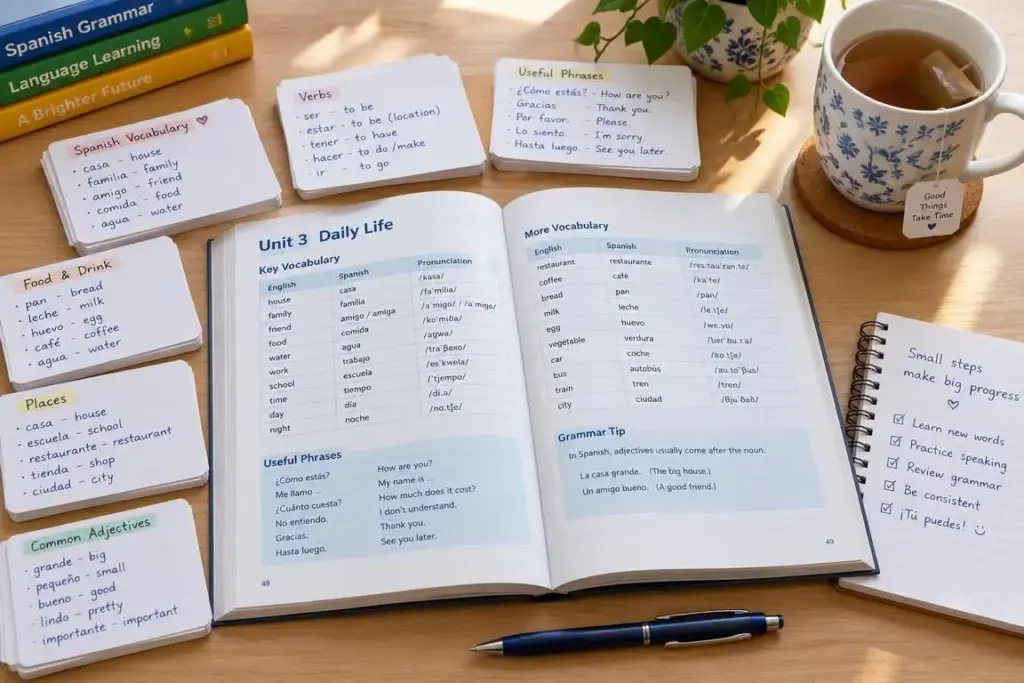
Studying foreign vocabulary through brief, regular practice sessions builds cognitive agility and cultural understanding.
Learning a foreign tongue expands cognitive flexibility and fosters deep appreciation for different world cultures and international literature. Reviewing grammar principles, listening to native audio dialogues, and practising vocabulary during morning routines builds steady conversational competence. Modest daily exposure yields far greater fluency and vocabulary retention than irregular, marathon cramming sessions.
24. Listen to Educational Audio and Documentaries

Tuning in to informative podcasts during routine housework or commutes turns mundane chores into engaging educational sessions.
Listening to well-researched audio lectures, historical narratives, or science podcasts enriches routine domestic chores such as ironing or washing dishes. Exploring diverse subjects outside your professional trade introduces novel ideas and sparks fresh conversations with friends. This accessible habit allows continuous personal enrichment without cutting into dedicated family time.
Creative pursuits and personal learning require patience and curiosity rather than immediate mastery. Allowing room for experimentation without harsh self-criticism makes developing new skills deeply satisfying.
Work-Life Balance and Professional Boundaries
Maintaining firm boundaries around working hours preserves energy and prevents the gradual onset of professional burnout. Prioritising concentrated deep work, clear communication, and deliberate evening shutdowns supports sustained productivity and domestic tranquillity.
25. Establish Firm Calendar Boundaries for Deep Work

Reserving dedicated calendar slots for focused tasks protects critical projects from constant meeting interruptions.
Fragmenting working days with ad-hoc meetings and instant messages leaves little opportunity for complex, demanding analytical tasks. Reserving dedicated blocks on the office calendar for uninterrupted deep focus allows critical assignments to reach completion efficiently. Communicating these focus hours clearly to colleagues sets healthy mutual expectations across the team.
26. Practise Single-Tasking Over Chaotic Multitasking

Focusing attention entirely on one task at a time improves the quality of your output and lowers working stress.
Attempting to juggle multiple demanding projects simultaneously divides cognitive bandwidth, elevates errors, and induces mental fatigue. Focusing undivided attention on a single document, spreadsheet, or task until it reaches a natural stopping point produces superior results. This disciplined focus finishes work faster and leaves the mind significantly fresher at the end of the day.
27. Take Regular Posture and Eye Breaks

Standing up, stretching, and looking away from monitor screens at steady intervals relieves physical strain and eye fatigue.
Sitting motionless in front of computer monitors for prolonged spells causes neck tension, lower back stiffness, and digital eye strain. Standing up regularly to stretch, pacing while taking telephone calls, and looking at distant horizons relaxes ocular muscles. Incorporating these brief physical resets maintains comfortable posture and prevents late-afternoon lethargy.
28. Implement a Definite Evening Work Shutdown

Shutting down your work computer and leaving the desk signals the brain that the working day is officially complete.
Blurring the boundary between work commitments and domestic life creates chronic low-level anxiety that impairs evening relaxation. Closing all browser tabs, reviewing tomorrow’s top priorities, and completely shutting down the computer establishes a crisp psychological conclusion to the workday. This deliberate boundary ensures personal evenings and weekends remain truly restorative.
Professional boundaries protect sustained quality of output. Stepping away from work devices each evening recharges cognitive faculties, ensuring higher creativity and enthusiasm when returning to the desk next morning.
Sustainable Living and Outdoor Connection
Connecting with the natural world and adopting thoughtful ecological practices benefits personal wellbeing and supports environmental stewardship. Modest domestic choices reduce household waste while nurturing a deep, grounding appreciation for local biodiversity.
29. Spend Time Daily in Local Green Spaces

Daily exposure to green trees, birdsong, and fresh air measurably reduces mental stress and uplifts your mood.
Regular contact with trees, singing birds, and open skies lowers stress hormones and restores emotional equilibrium. Whether walking through an urban botanical garden, a quiet municipal park, or local woodlands, natural surroundings offer profound mental calm. Making an outdoor stroll an unshakeable daily habit anchors the spirit regardless of busy schedules.
30. Replace Single-Use Items with Durable Alternatives

Carrying durable shopping bags and containers reduces household plastic rubbish and saves money over time.
Single-use plastics and disposable convenience containers generate immense volumes of landfill waste and unnecessarily burden municipal infrastructure. Keeping washable canvas shopping totes in the car boot and packing lunches in durable stainless steel tins minimises daily disposable rubbish. These durable items save household money over time while significantly lowering your environmental footprint.
31. Implement Practical Strategies to Reduce Food Waste

Storing fresh ingredients in clear airtight containers ensures food remains appetising and is consumed before spoiling.
Discarding spoiled vegetables and forgotten leftovers squanders the energy, water, and agricultural labour required to produce them. Organising refrigerator shelves so older ingredients sit prominently at the front ensures they are consumed before past their best. Repurposing roast vegetables into soups or freezing leftover bread for croutons extracts maximum culinary value from every shop.
32. Establish a Simple Kitchen Composting System

Diverting vegetable peelings and coffee grounds to compost enriches garden soil while reducing landfill emissions.
Diverting fruit peels, vegetable ends, and used coffee grounds away from household dustbins prevents organic waste from generating harmful methane in landfill sites. A sealed countertop compost caddy traps odours effectively while collecting organic matter for garden compost heaps or municipal green waste collections. Over time, garden compost transforms into rich, dark humus that revitalises outdoor soil and flowerbeds naturally.
- Carry reusable cloth bags and a stainless steel water bottle whenever leaving the house.
- Place older perishables on the top shelf of the refrigerator to ensure they are eaten first.
- Collect raw fruit and vegetable peelings in a countertop caddy for municipal collection or garden composting.
Cultivating Kindness and Community Connection
Investing energy into local communities strengthens the social fabric and creates a profound sense of shared belonging. Offering time, neighbourly support, and sincere kindness helps combat social isolation and enriches both giver and receiver.
33. Volunteer Regular Time with a Local Charity

Donating regular hours to community food banks or animal shelters provides vital assistance to local initiatives.
Offering practical assistance to local food banks, community libraries, or animal welfare shelters provides indispensable support to essential social services. Engaging directly with diverse members of your community broadens empathy and breaks down insular daily routines. Even committing a single morning each month makes a tangible, valuable contribution to local welfare.
34. Support Independent Local Businesses and Makers

Purchasing groceries and gifts from independent high street shops keeps wealth circulating directly within your neighbourhood.
Spending a portion of your weekly shopping budget at independent bakeries, greengrocers, and family bookshops keeps local high streets vibrant. Independent shopkeepers take personal pride in their curated goods, offering knowledgeable service and genuine community connections. Keeping local currency circulating within your immediate neighbourhood strengthens the economic resilience of the area.
35. Perform Thoughtful Neighbourly Gestures

Checking in on elderly neighbours or sharing homegrown garden produce builds safe, welcoming, and friendly communities.
Strong neighbourhoods begin with small acts of everyday thoughtfulness, consideration, and attentiveness. Bringing in a neighbour’s recycling bin during heavy rain, sharing excess homegrown apples, or offering a greeting to elderly residents combats social isolation. These warm gestures weave a resilient community safety net where everyone feels seen, respected, and supported.
36. Practise Spontaneous Acts of Everyday Courtesy

Expressing sincere thanks and offering genuine smiles to service staff brightens everyday encounters for everyone involved.
Modern daily life often moves at an impatient, rushed pace that can leave frontline retail and transport workers feeling unappreciated. Offering sincere eye contact, saying a warm thank you, letting someone merge in traffic, or holding an elevator door costs nothing yet transforms encounters. Spreading unprompted courtesy creates positive emotional ripples that brighten the entire day for everyone you meet.
Community connection grows from genuine presence and small, consistent courtesies. Treating neighbours, local shopkeepers, and public service workers with patience and warmth builds a kinder everyday environment for all.
Frequently Asked Questions
How can I make my New Year’s resolutions stick for the whole year?
Focusing on one or two small, practical habits at a time rather than overhauling multiple areas at once supports lasting success. Tying a new routine to an existing daily behaviour, such as drinking water right after boiling the morning kettle, helps embed the action naturally.
What should I do if I abandon a resolution a few weeks into the year?
Treating occasional slips as normal adjustments rather than outright failures allows you to resume your preferred routine without guilt. Evaluating whether the initial goal was overly ambitious helps you scale it down to a more manageable daily or weekly pace.
Are smaller micro-resolutions more effective than large annual goals?
Yes, modest micro-resolutions are easier to integrate into busy schedules and produce less cognitive friction than massive lifestyle changes. Achieving steady, incremental milestones builds positive momentum and confidence, which reinforces long-term habit formation.
How often should I review my progress on personal resolutions?
Conducting a brief, gentle review once a month or at the start of each season offers sufficient perspective to adjust routines as practical circumstances shift. Regular check-ins highlight what is working comfortably and identify areas where expectations can be refined without pressure.
Building Lasting Habits in 2027
Approaching the new year with realistic curiosity, patience, and self-compassion creates the ideal conditions for sustained personal growth. Choosing two or three manageable commitments from these suggestions allows healthy routines to blossom naturally over the coming seasons. Small, thoughtful actions repeated consistently across everyday life yield remarkable peace of mind, vibrant physical vitality, and deep satisfaction.