Many people believe doomsday prepping requires spending thousands of dollars on specialized gear. This misconception stops families from taking basic steps toward emergency preparation. The truth is different.
You can build a solid foundation of survival supplies without breaking your budget. Smart preppers know that some of the most versatile emergency items cost less than a cup of coffee. These dirt-cheap essentials can mean the difference between comfort and hardship during disasters.
This guide reveals 27 prepping items you can stockpile for under a dollar each. Each item serves multiple purposes in emergency situations. From natural disasters to power outages, these supplies will help your family stay safe and secure when systems fail.
Start Your Prepping Journey Today
Get our free Complete Prepper’s Checklist plus weekly budget-friendly survival tips delivered to your inbox. Join thousands of families preparing the smart way.
Why Budget Prepping Makes Sense for Every Family
Emergency preparation doesn’t require expensive gear to be effective. The items on this list prove that practical beats pricey when disaster strikes. These supplies focus on versatility and reliability rather than fancy features.
Budget prepping allows you to build depth in your supplies. Instead of buying one expensive multi-tool, you can stock dozens of useful items for the same price. This approach gives you backups and barter options during extended emergencies.
Many preppers start small and build their stockpiles gradually. Buying a few dirt-cheap items each week adds up quickly. Within months, you’ll have a substantial emergency supply without feeling financial strain.
Essential Doomsday Prepping Items Under One Dollar
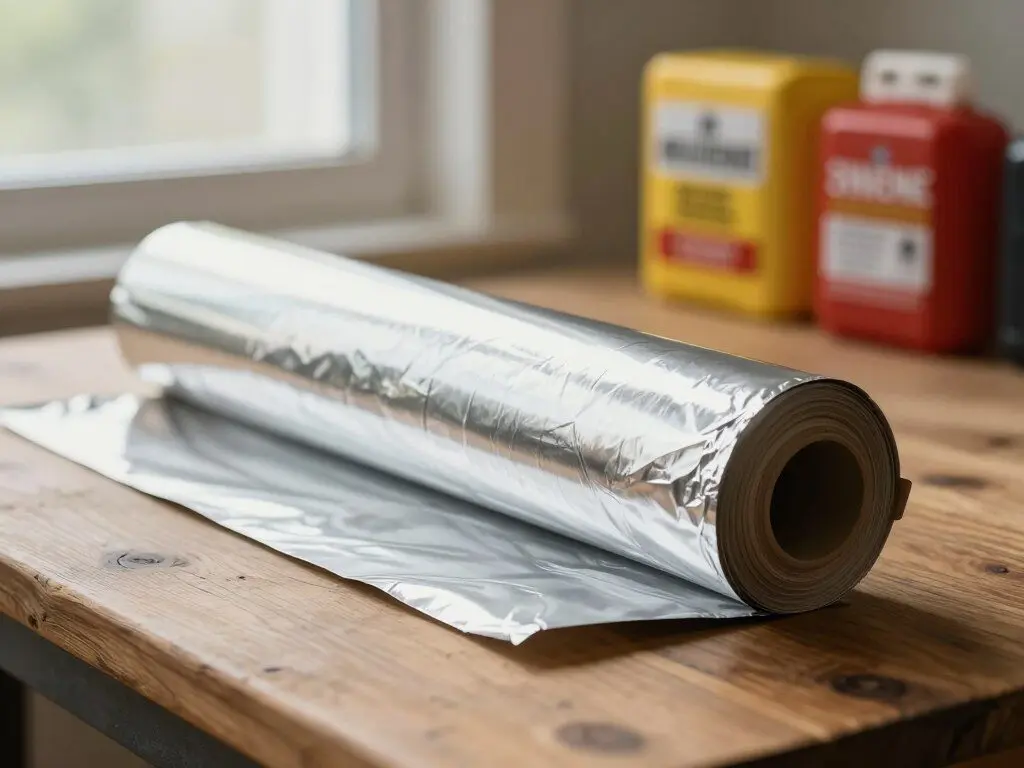
1. Aluminum Foil
Aluminum foil stands out as one of the most versatile prepping items you can stockpile. This thin metal sheet handles cooking, storage, and survival tasks with equal effectiveness. A single roll costs less than a dollar at most stores.
You can fashion foil into makeshift containers for cooking over open fires. It reflects heat and light, making it valuable for emergency warmth or signaling rescuers. Preppers use foil to protect electronics from electromagnetic pulses during doomsday scenarios.
The material weighs almost nothing and takes up minimal storage space. You can wrap food items to extend their shelf life. In emergency situations, foil serves as a fishing lure when shaped correctly.
2. Baby Wipes
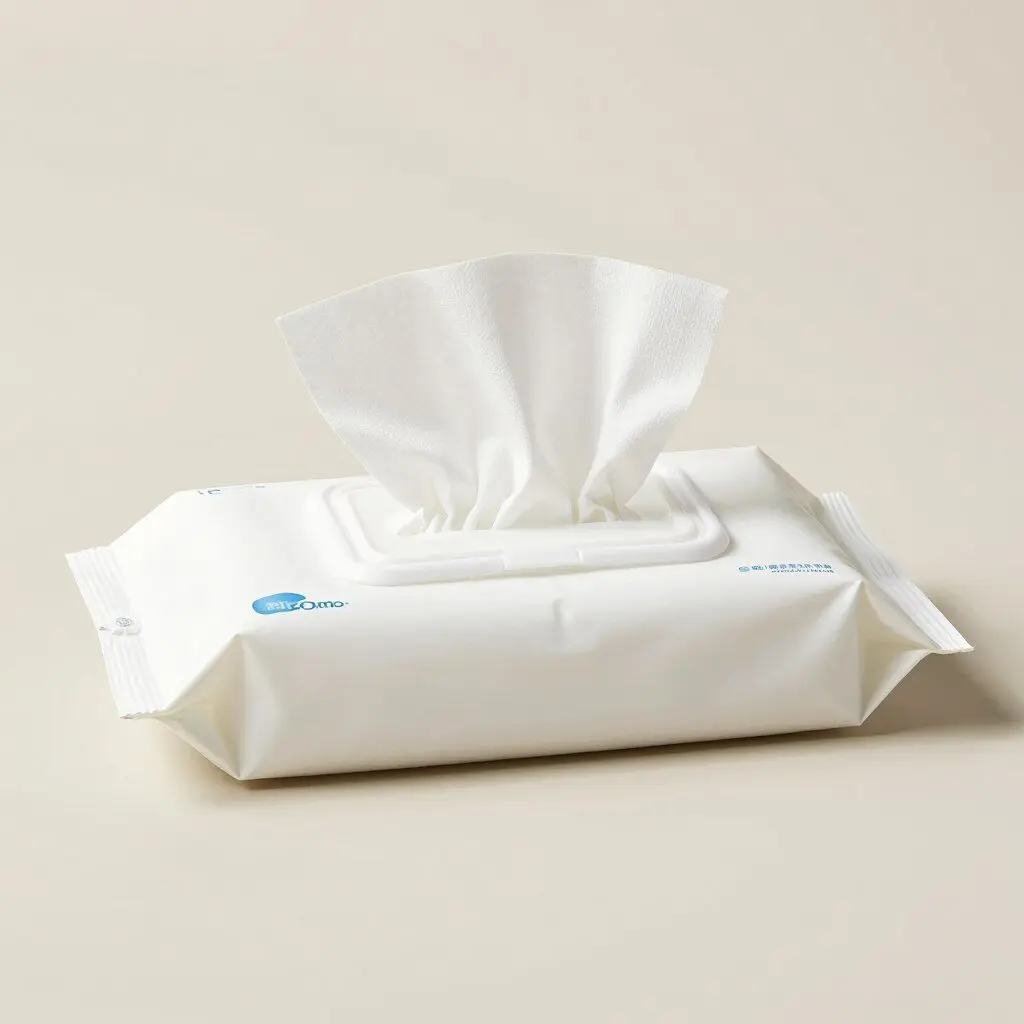
Personal hygiene becomes a major challenge when water systems fail. Baby wipes solve this problem by providing an easy way to stay clean without running water. These moist towelettes work for washing hands, faces, and bodies during disasters.
Beyond personal cleaning, baby wipes handle household tasks effectively. You can clean dishes, wipe down surfaces, and sanitize tools with these versatile cloths. Many preppers keep several packages in their emergency supplies for extended power outages.
The wipes remain effective for years when stored properly. They cost pennies per package at discount stores. Their compact size makes them easy to include in bug-out bags and emergency kits for your home and vehicle.
3. Baking Soda
This humble white powder deserves a prominent place in every prepper’s stockpile. Baking soda serves dozens of functions beyond its common kitchen uses. A single box costs less than a dollar and lasts for years in storage.
You can use baking soda as toothpaste, deodorant, or antacid during emergencies. It neutralizes odors in confined spaces and helps preserve food longer. Mixed with water, it becomes an effective cleaning solution for almost any surface.
The powder also works as a fire extinguisher for small grease fires. Gardeners use it to control fungus on plants and sweeten acidic soil. Its long shelf life and multiple applications make it essential for doomsday prepping on any budget.
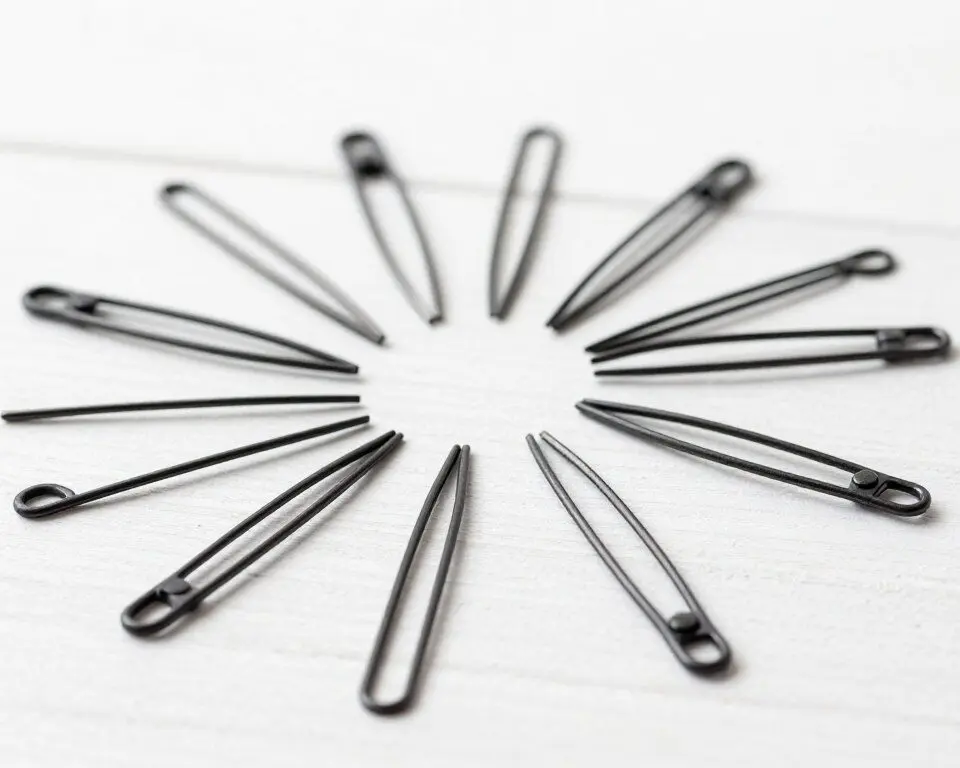
4. Bobby Pins
These small metal clips pack surprising utility into their tiny frames. Bobby pins cost almost nothing but solve numerous problems during emergency situations. Smart preppers stock boxes of these versatile fasteners for unexpected uses.
A bobby pin can function as a makeshift screwdriver for small screws. People use them to pick simple locks when keys are lost. They hold items together temporarily and serve as zipper pulls when the original tab breaks.
You can fashion bobby pins into sewing needles or fishing hooks in survival scenarios. They weigh nothing and take up zero space in your emergency kit. Every prepper should have at least one box tucked away for when creativity meets necessity.
5. Cigarettes
Whether you smoke or not, cigarettes have value in prepping supplies. These tobacco products serve practical survival purposes beyond their intended use. A single pack costs a few dollars but individual cigarettes are worth pennies each.
The dry tobacco inside makes excellent fire-starting tinder in wet conditions. Cigarette ash stops bleeding on small cuts and wounds when medical supplies run low. The paper and filter components have their own emergency applications.
Cigarettes become valuable barter items when normal supply chains collapse. Many people would trade essential supplies for tobacco during extended disasters. Store a few packs in waterproof containers even if you never plan to smoke them yourself.
6. Clothespins
Modern dryers make clothespins seem outdated, but preppers know better. These simple wooden or plastic clips become essential when electricity fails. A bag of clothespins costs less than a dollar at most stores.
You’ll need them to hang wet clothes on lines for air drying. Beyond laundry, clothespins organize papers, label cords, and hold small items together. Wooden pins can be broken down into kindling for starting emergency fires.
Gardeners sharpen clothespins into small stakes for marking plants and supporting seedlings. They clip bags shut to keep food fresh longer. Their durability and multiple uses justify storing several dozen in your emergency supplies.
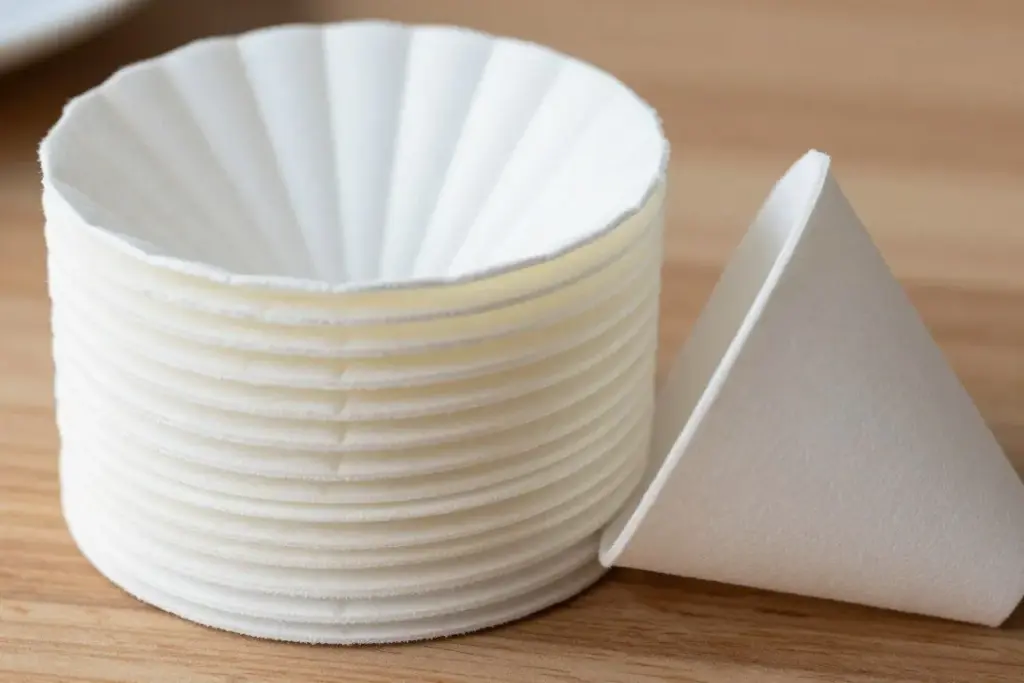
7. Coffee Filters
Coffee lovers already appreciate these circular papers, but their utility extends far beyond brewing. Coffee filters solve multiple problems during disaster situations. Bulk packages cost pennies per filter at discount retailers.
They pre-filter dirty water before purification, removing sediment and debris. You can use them as disposable bowls for dry foods or to make improvised bandages in medical emergencies. The paper material works well for starting fires when dry.
Gardeners use coffee filters to store and sprout seeds during prepping activities. They protect delicate items during storage and absorb excess moisture. Whether you drink coffee or not, these versatile papers deserve space in your emergency stockpile.
8. Condoms
These latex products serve surprising survival purposes beyond their primary function. Condoms provide waterproof storage for small essential items like matches and tinder. Individual packages cost less than a dollar at many stores.
Their waterproof nature protects important documents and electronic devices from moisture. You can stretch them over rifle barrels to keep out water and debris without affecting shooting. They work as emergency medical gloves when proper gloves aren’t available.
Uninflated condoms take up almost no space in bug-out bags. They can carry water in emergency situations, though not as reliably as purpose-built containers. Smart preppers include a few in every emergency kit for their versatility.
9. Dental Floss
This thin string serves your teeth well but offers numerous survival applications. Dental floss works as fishing line, thread for repairs, and cordage for small projects. A single container costs less than a dollar and contains hundreds of feet.
You can use floss as a clothesline for drying small items. It cuts soft foods cleanly when knives aren’t available. The string ties bundles together and serves as emergency shoelaces.
Preppers use unwaxed dental floss for sewing repairs on clothing and gear. It lashes small shelter components together during outdoor survival situations. The compact size and incredible length make it perfect for every emergency kit.
Ready to Build Your Emergency Supply?
Browse essential prepping categories to find affordable items that protect your family. Start with these tested supplies that experienced preppers trust.
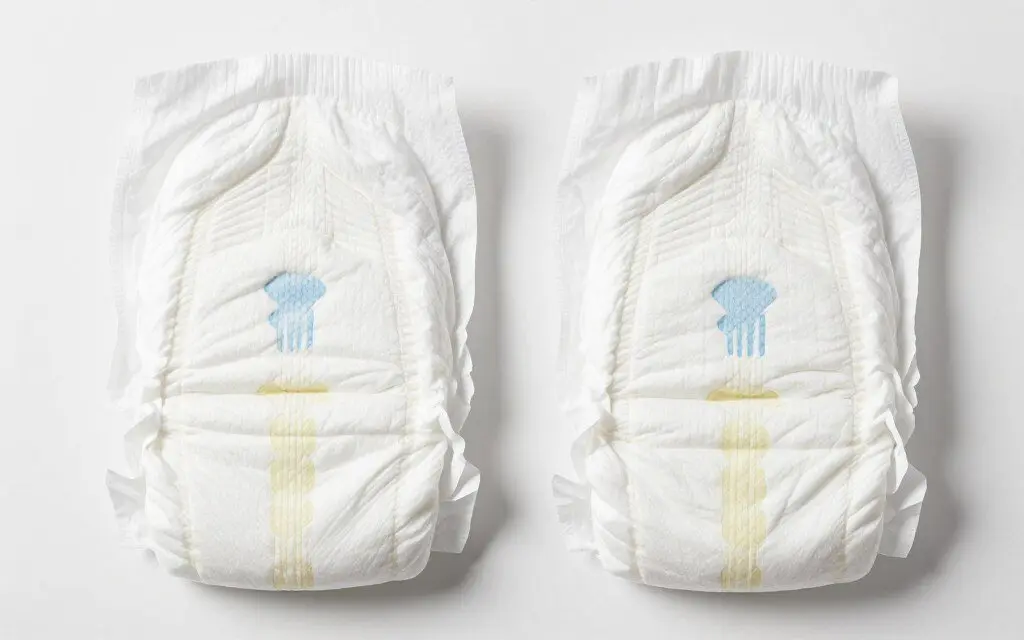
10. Diapers
Families with small children know diapers are essential, but their uses extend beyond babies. These absorbent products solve multiple problems during emergencies. Individual diapers cost less than a dollar when bought in bulk packages.
The super-absorbent material inside makes excellent wound dressings and bandages. You can create ice packs by adding water and freezing the diaper. They provide extra padding inside uncomfortable shoes during evacuation.
Diapers pre-filter extremely dirty water by removing large particles and sediment. The absorbent core soaks up spills and leaks around your home. Even people without children should consider storing a pack for emergency versatility.
11. Duct Tape
No prepping list would be complete without this legendary repair tool. Duct tape fixes almost anything temporarily and sometimes permanently. Single rolls cost around a dollar at discount stores during sales.
You can repair torn clothing, patch leaking containers, and seal broken windows with this adhesive fabric. It creates makeshift bandages, secures splints, and even removes warts. Preppers use it to mark trails and leave messages during emergencies.
The tape works in extreme temperatures and sticks to most surfaces. You can fashion rope, create shelter repairs, and reinforce weak structures. Every emergency kit, vehicle, and home should have multiple rolls of this versatile supply.
12. Heavy-Duty Garbage Bags
These large plastic bags serve far more purposes than holding trash. Heavy-duty garbage bags become essential tools during disaster scenarios. Bulk boxes cost pennies per bag at warehouse stores.
Cut them open to create waterproof ground covers or emergency rain ponchos. They protect supplies from moisture and keep sleeping bags dry. You can fill them with leaves for insulation or use them as improvised water containers.
The bags work as blackout curtains when taped over windows. They cover broken glass and seal drafty areas during power outages. Their light weight and multiple applications justify storing dozens in your prepping supplies.
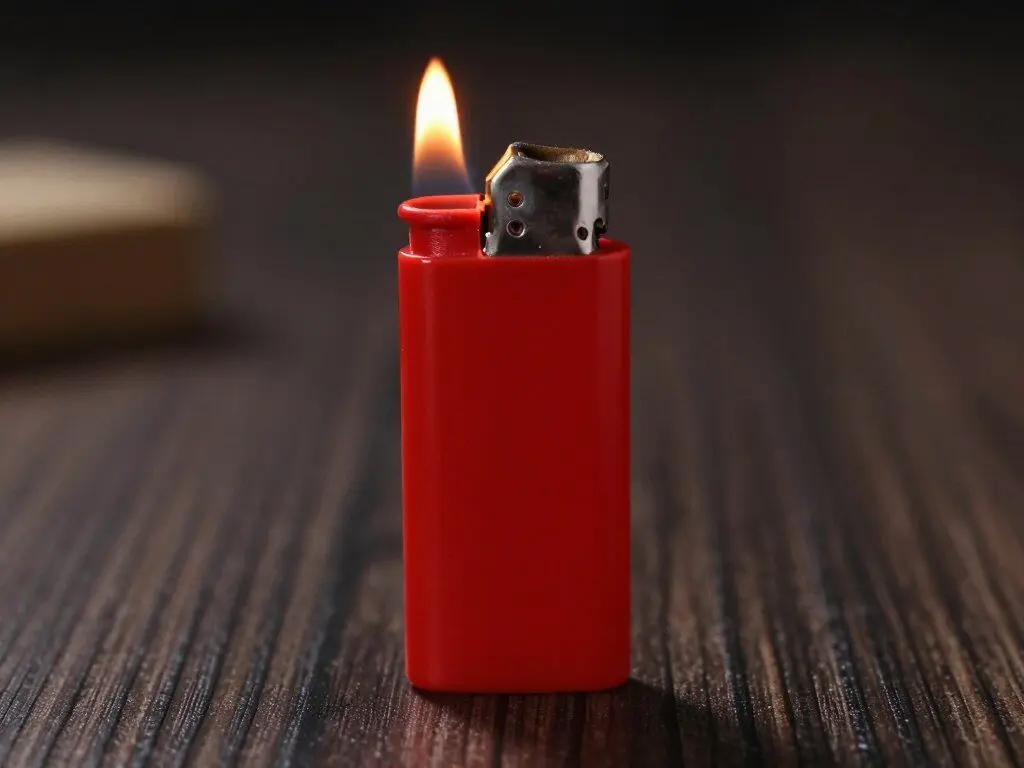
13. Disposable Lighters
Fire-starting ability ranks among the most critical survival skills. Disposable lighters provide thousands of flames for less than a dollar each. Smart preppers stockpile dozens of these reliable fire starters.
They work in most weather conditions and require no special technique. You can start emergency fires, light candles, and ignite stoves for cooking. The flame assists with sterilizing tools and burning thread ends on repairs.
Lighters remain functional for years when stored properly. They take up minimal space and weigh almost nothing. Keep them in every emergency kit, vehicle, and jacket pocket for instant fire-starting capability during disasters.
14. Strike-Anywhere Matches
These traditional fire starters provide backup when lighters fail. Strike-anywhere matches light on any rough surface, making them extremely reliable. A box costs less than a dollar and contains dozens of matches.
Store them in waterproof containers to maintain their effectiveness. The wooden sticks become kindling after use. You can split matches lengthwise to double your supply during extended emergencies.
Matches work at any altitude and in conditions where lighters struggle. They produce no mechanical parts that can break. Every prepper should maintain multiple boxes of strike-anywhere matches as part of their fire-starting essentials.
15. Paper Clips
These tiny metal wires punch above their weight in emergency situations. Paper clips cost almost nothing but solve countless small problems. A box contains hundreds of these versatile fasteners for under a dollar.
You can straighten them into improvised sewing needles or fishing hooks. They create makeshift compass needles when magnetized. Preppers use paper clips as lock picks for simple locks and as zipper replacements.
The clips organize important documents and connect small items together. They weigh nothing and take up zero space in your supplies. Their metal construction makes them useful for various electrical and mechanical repairs during disasters.
16. Petroleum Jelly
This thick ointment serves medical and survival purposes equally well. Petroleum jelly protects skin, waterproofs items, and starts fires when needed. Small containers cost less than a dollar at most drugstores.
You can treat minor burns, chapped skin, and windburn with this versatile product. It lubricates stuck mechanisms and protects metal tools from rust. Cotton balls soaked in petroleum jelly become excellent fire starters that burn for several minutes.
The jelly remains stable for years in storage without refrigeration. It creates waterproof seals around container lids and protects important documents. Every first aid kit should include at least one small container of this multi-purpose supply.
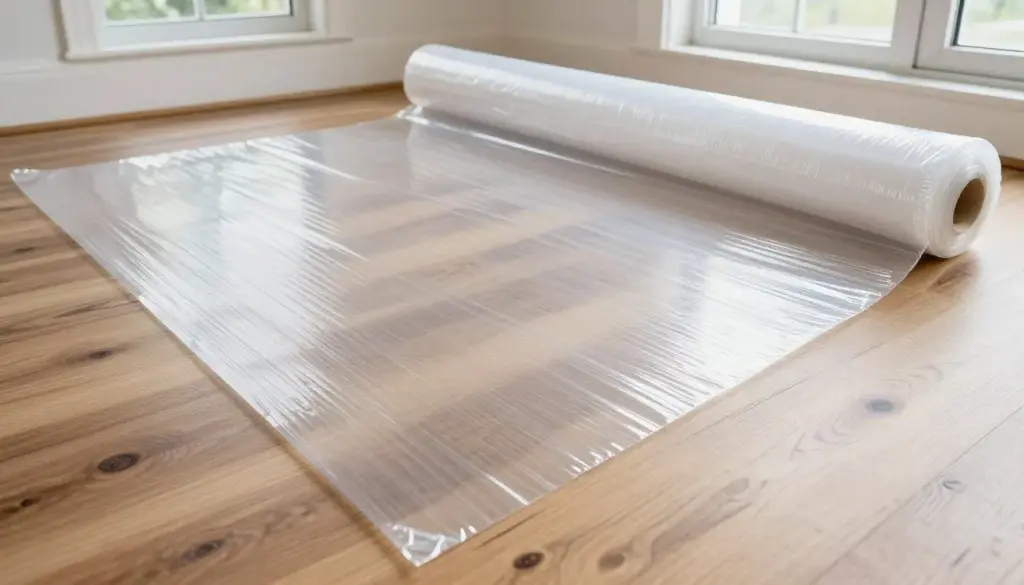
17. Plastic Drop Cloths
Large sheets of thin plastic solve numerous shelter and protection problems. Plastic drop cloths create emergency shelters, cover broken windows, and protect supplies from rain. Single sheets cost around a dollar at hardware stores.
You can collect rainwater using plastic sheeting as funnels and catchment systems. The material creates wind barriers and insulates drafty areas. Cut it into smaller pieces for individual use or keep it whole for maximum coverage.
Preppers use plastic sheeting to isolate contaminated areas during disasters. It reflects heat when used properly and creates vapor barriers in shelters. The lightweight material folds into small packages for easy storage and transport.
18. Safety Pins
These simple fasteners prove invaluable during emergency situations. Safety pins repair clothing, secure bandages, and connect items together temporarily. Packages of assorted sizes cost less than a dollar at craft stores.
You can create makeshift fishing hooks from larger safety pins. They hold together torn fabric and replace lost buttons on clothing. Preppers use them to mark locations and create improvised compasses.
The pins attach emergency blankets as cloaks or connect tarps for shelter. They organize small items and prevent zippers from opening. Every emergency kit should contain safety pins in various sizes for maximum versatility during disasters.
19. Table Salt
This essential mineral serves purposes far beyond seasoning food. Table salt preserves meat, treats ailments, and maintains health during emergencies. Large containers cost less than a dollar at grocery stores.
You can cure and preserve fresh meat without refrigeration using salt. It cleans wounds, soothes sore throats when gargled, and settles upset stomachs. The mineral creates brine solutions for food preservation that last months.
Salt melts ice on walkways during winter disasters and helps extinguish certain types of fires. It removes stains and odors from clothing and containers. Every prepper should stockpile several pounds of this versatile and essential supply.
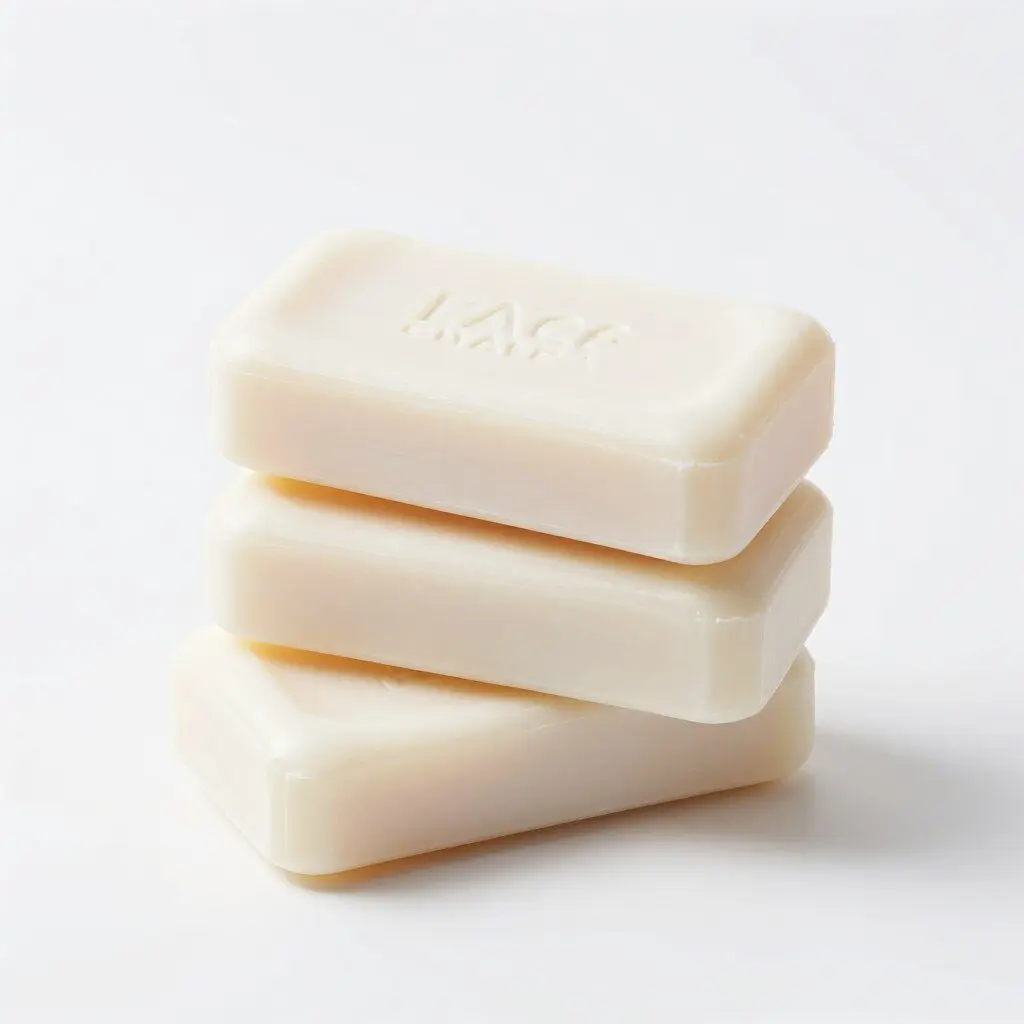
20. Bar Soap
Personal hygiene maintains health and morale during extended emergencies. Bar soap cleans bodies, clothes, and dishes effectively. Individual bars cost less than a dollar at discount stores.
Unlike liquid soap, bars store indefinitely without leaking or drying out. You can use small pieces to lubricate stuck zippers and drawers. The soap helps remove stains from clothing when washing by hand.
Bar soap works in cold water and rinses completely without residue. It prevents infections by keeping skin clean during disasters. Stock dozens of bars in your prepping supplies for long-term emergency hygiene needs.
21. Cellulose Sponges
These compressed cleaning tools expand when wet and handle numerous tasks. Cellulose sponges clean dishes, absorb spills, and filter water preliminarily. Individual sponges cost pennies at dollar stores.
The natural material biodegrades over time, making it environmentally friendly. You can use small pieces as fire starters when dry. Sponges apply cleaning solutions efficiently and rinse clean for repeated use.
They insulate small areas when inserted into gaps and cracks. The material absorbs many times its weight in water for emergency cleanup. Every emergency supply should include several sponges for cleaning and general utility.
22. Tea Light Candles
These small candles provide light and heat during power outages. Tea lights burn for several hours each and cost pennies apiece in bulk. Smart preppers stockpile hundreds for extended disasters.
You can heat small amounts of food or water using multiple tea lights. They produce enough light for basic tasks in dark rooms. The metal containers protect the wax and make them safe to use.
Tea lights store compactly and remain stable for years. They work as timers when you need to track approximate hours. Every emergency kit needs at least a dozen tea lights for backup lighting and emergency warmth.
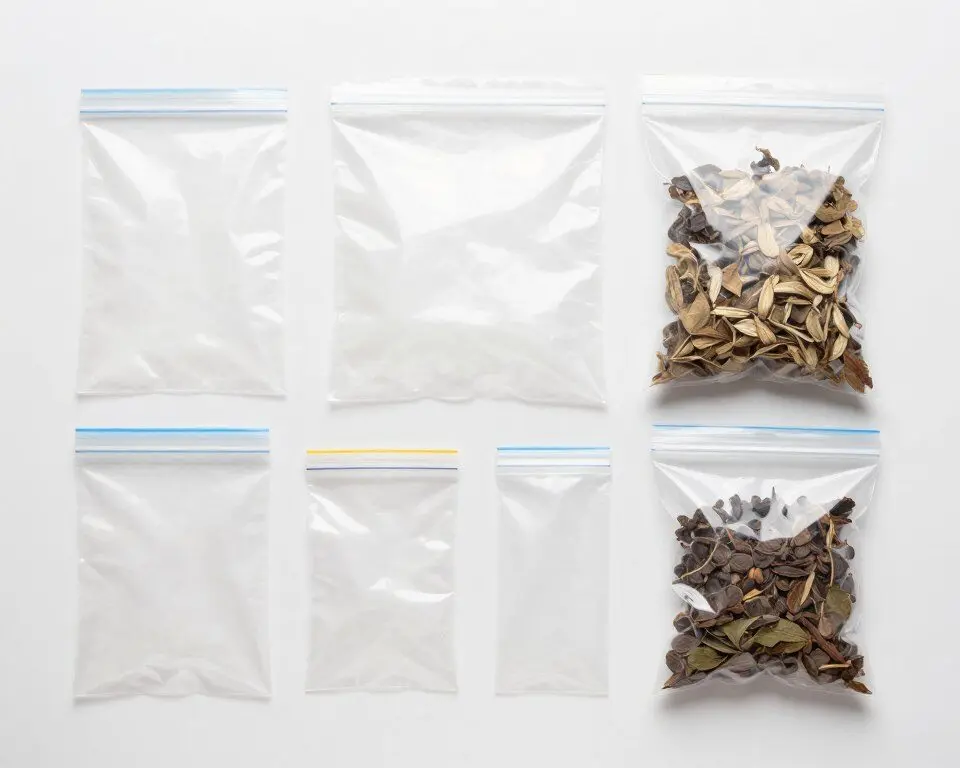
23. Zip-Lock Plastic Bags
These resealable bags organize, protect, and preserve supplies during emergencies. Zip-lock bags keep food fresh, protect electronics from moisture, and store small items. Bulk boxes cost pennies per bag.
The waterproof seal prevents moisture damage to important documents and matches. You can write on them with permanent markers for organization. They work as emergency ice packs when filled with water and frozen.
Zip-lock bags compress clothing to save space in evacuation bags. They collect water samples and store foraged foods safely. Every prepper needs hundreds of bags in various sizes for countless emergency applications.
24. White Vinegar
This acidic liquid cleans, preserves, and treats various problems during disasters. White vinegar costs less than a dollar per bottle at grocery stores. Its long shelf life and versatility make it essential for prepping.
You can disinfect surfaces, remove odors, and clean clothing with vinegar. It preserves vegetables through pickling and treats minor ailments like jellyfish stings. The acid removes rust from tools and cleans windows effectively.
Vinegar neutralizes alkaline substances and soothes insect bites when diluted. It extends the life of cut flowers and removes stains from fabric. Every emergency supply should include several bottles of this multi-purpose liquid.
25. Cable Ties
These plastic fasteners secure items quickly and hold strong under pressure. Cable ties repair gear, bundle supplies, and create temporary fixes during emergencies. Bulk packages cost pennies per tie.
You can use them as handcuffs for security purposes during disasters. They secure shelter components and repair broken equipment temporarily. Preppers connect multiple ties together for longer cordage when needed.
The fasteners organize cables and cords efficiently in emergency setups. They work as makeshift hinges and hold split wood together. Every prepper should maintain hundreds of cable ties in various sizes for maximum versatility during disasters.
26. Liquid Bleach
Water purification becomes critical when municipal systems fail during disasters. Liquid bleach disinfects water, sanitizes surfaces, and prevents disease spread. Small bottles cost around a dollar at stores.
A few drops of bleach per gallon make questionable water safe to drink. It sanitizes food preparation areas and disinfects medical equipment. The chemical removes mold and mildew from damp storage areas.
Bleach whitens and disinfects laundry when washing clothes by hand. It creates powerful cleaning solutions when diluted properly. Every emergency supply needs bleach for water purification and sanitation during extended disasters.
27. Cotton Balls
These soft fiber bundles serve medical and survival purposes effectively. Cotton balls apply medicine, start fires, and clean wounds during emergencies. Large bags cost less than a dollar at drugstores.
You can soak them in petroleum jelly for excellent fire starters that burn several minutes. They apply antiseptic solutions precisely and remove makeup or dirt from skin. The natural fiber absorbs liquids efficiently for medical applications.
Cotton balls filter out large particles from water before purification. They plug ears during loud events and cushion delicate items during transport. Every first aid kit needs cotton balls for their versatility and essential medical uses during disasters.
How to Store Your Dirt-Cheap Prepping Supplies
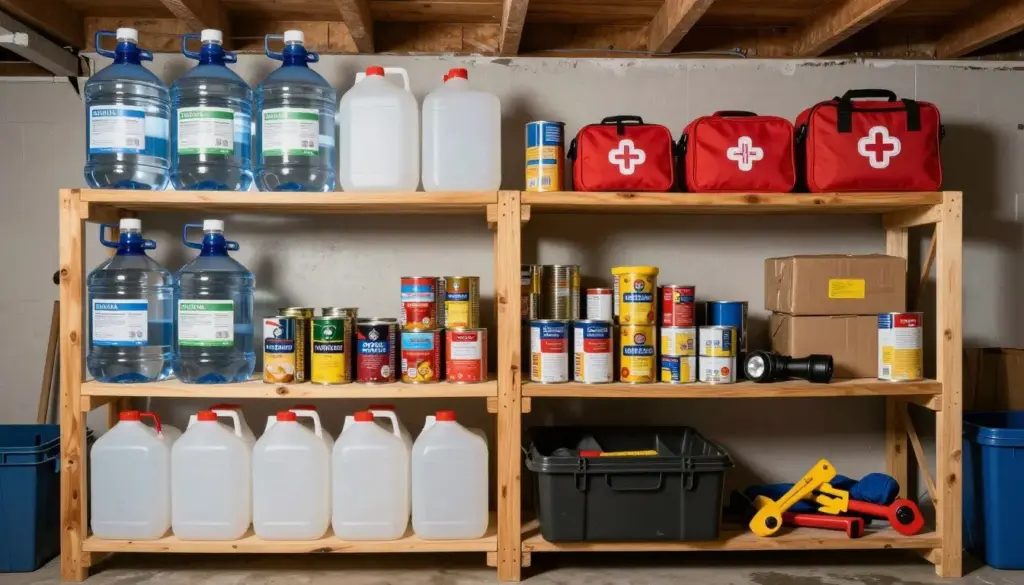
Proper storage extends the life of your emergency items significantly. Keep supplies in cool, dry locations away from direct sunlight. Basements and closets work well if they stay dry year-round.
Use plastic containers with tight-fitting lids to protect items from moisture and pests. Label everything clearly with contents and purchase dates. Rotate supplies regularly to ensure nothing expires before you need it.
Group similar items together for easy access during emergencies. Create separate kits for home, vehicle, and evacuation scenarios. Check your supplies every six months and replace items that have degraded or expired.
Storage Pro Tip: Vacuum-sealing extends the shelf life of many prepping items. This method protects against moisture, pests, and air exposure while saving storage space in your home.
Building Your Stockpile Without Breaking the Bank
Start small and build your emergency supplies gradually over time. Buy a few dirt-cheap items each week during your regular shopping trips. This approach prevents financial strain while steadily increasing your preparedness level.
Watch for sales at dollar stores and discount retailers. Many of these items go on clearance regularly, letting you stock up for even less. Buy in bulk when prices drop to maximize your prepping budget.
Focus on versatile items that serve multiple purposes during disasters. The supplies on this list represent the best value for budget-conscious preppers. Within a few months, you’ll have a substantial emergency stockpile without spending a fortune.
Weekly Shopping Strategy
Add three to five prepping items to your regular grocery list each week. This gradual approach builds supplies without noticeable budget impact.
- Set a weekly prepping budget of five to ten dollars
- Focus on one category per month for depth
- Buy store brands to maximize quantity
- Track purchases to avoid duplicate items
Bulk Buying Tips
Warehouse stores offer the best prices on emergency supplies when buying in quantity. Split bulk purchases with other preppers to save money.
- Compare per-unit costs between regular and bulk sizes
- Share warehouse membership fees with family
- Coordinate group purchases for better deals
- Stock up during seasonal clearance sales
Practical Skills Every Prepper Needs to Master
Owning emergency supplies means nothing without knowing how to use them effectively. Practice with your prepping items before disasters strike. Familiarity builds confidence and reveals gaps in your preparation.
Learn multiple uses for each item on your supply list. Creativity extends the utility of basic supplies during emergencies. Read survival guides and watch tutorials about improvised tools and techniques.
Test your emergency plans regularly with family members. Practice scenarios help everyone understand their roles during disasters. The mind becomes your most important prepping tool when you develop practical skills today.
Taking Action on Your Doomsday Prepping Journey
These 27 dirt-cheap items form a solid foundation for any emergency preparedness plan. You don’t need expensive gear to protect your family during disasters. Smart prepping focuses on versatility, reliability, and affordability.
Start building your stockpile this week with just a few items from this list. Each supply you add increases your family’s security and peace of mind. Budget prepping proves that effective disaster preparation remains accessible to everyone regardless of income.
The world faces increasing instability from natural disasters, economic uncertainty, and infrastructure vulnerabilities. Taking steps toward preparedness today helps ensure your family’s survival tomorrow. These inexpensive items can make the critical difference when emergency situations arise.