Clutter sneaks into our homes quietly. One day you have plenty of space. The next, you’re moving piles just to find a place to sit. If you’re feeling overwhelmed by stuff, you’re not alone. Most homes accumulate items over months and years without anyone noticing.
The good news? You don’t need a complete home makeover. Small steps make a big difference. Getting rid of just a few items creates breathing room. It reduces stress and saves time searching for things you actually need.
This guide covers 88 specific things to declutter today. These aren’t vague suggestions. Each item represents something many people store but rarely use. You’ll find practical ideas for every room in your house. Some items you won’t think twice about tossing. Others might surprise you.

Starting is often the hardest part. But once you begin removing unnecessary items, momentum builds. You’ll notice how much easier it becomes to keep your home tidy. You’ll spend less time cleaning and organizing. Most importantly, you’ll feel lighter.
Ready to reclaim your space? Let’s dive into the complete list of things you can declutter right now.
Quick Start Tip: Don’t try to tackle everything at once. Pick one category that resonates with you. Spend just 15 minutes on it. Small wins build confidence and create lasting change.
Things to Declutter from Your Kitchen
The kitchen collects more items than almost any other room. Gadgets, dishes, and food items pile up over time. Many of these things served a purpose once. Now they just take up valuable space in your cabinets and drawers.
Duplicate Kitchen Items
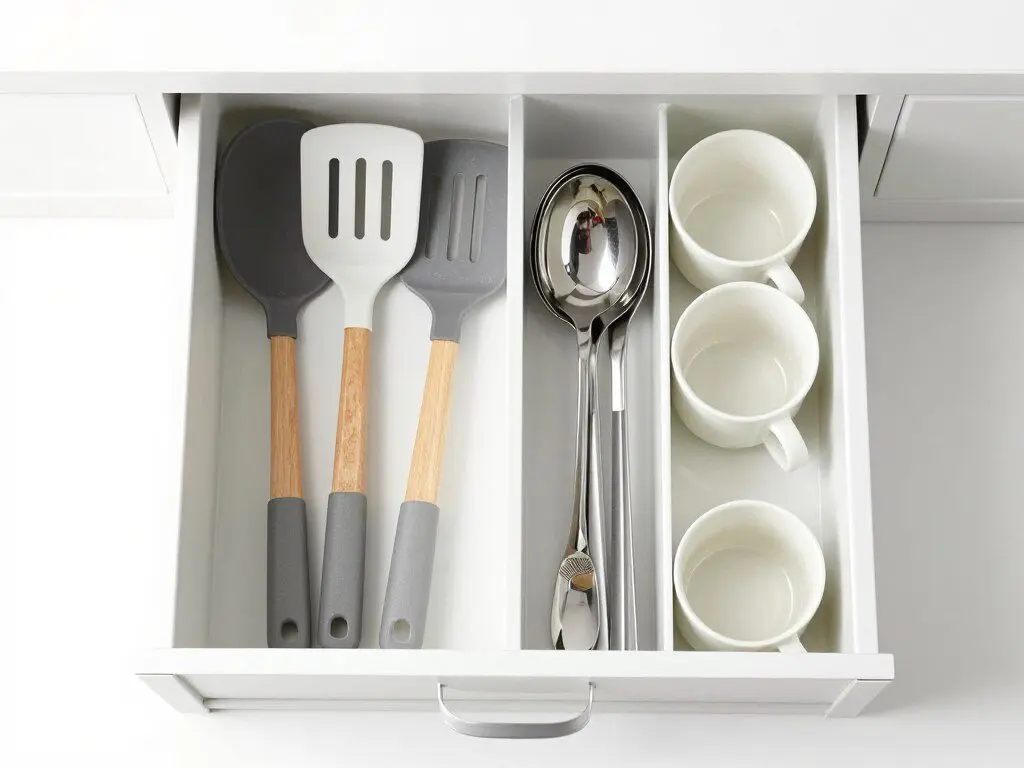
Most kitchens have way more utensils than necessary. How many spatulas does one household really need? Go through your drawers and identify duplicates. Keep your favorite of each type. Donate or discard the rest.
1. Extra spatulas – If you have three or four spatulas, pick the one you always reach for. The others are just taking up drawer space.
2. Duplicate measuring cups – One good set handles all your cooking and baking needs. Multiple sets just create clutter.
3. Extra mixing bowls – Keep a small, medium, and large bowl. The rest can go to someone who needs them more.
4. Redundant serving spoons – Two or three serving spoons work for most families. You don’t need a drawerful.
Unused Kitchen Gadgets and Appliances
Kitchen gadgets seem like great ideas when you buy them. But how many actually get used regularly? Be honest about what you use versus what sits in cabinets gathering dust.
5. That bread maker you used once – If it’s been months since you made bread, it’s time to let it go.
6. Specialty baking pans – Bundt pans, muffin tins you never use, novelty-shaped pans. If you haven’t baked with them in a year, donate them.
7. Unused small appliances – Juicers, food processors, or blenders that never leave the cabinet are prime candidates for decluttering.
8. Single-purpose gadgets – Avocado slicers, strawberry hullers, and garlic presses often do jobs a knife handles just as well.
9. Old crockpots or rice cookers – If you upgraded to a newer model, get rid of the old one. Keeping backups “just in case” creates unnecessary clutter.
10. Broken appliances you plan to fix – If you haven’t fixed it in six months, you probably won’t. Time to make space.
Excess Dishes and Glassware
Dishes multiply mysteriously. You buy a new set but keep the old ones. Guests bring wine and leave glasses. Before you know it, cabinets overflow with mismatched items.
11. Chipped or cracked dishes – These aren’t safe to use and they make your cabinets look messy. Toss them.
12. Mismatched cups and mugs – Keep your favorites. Donate promotional mugs and random cups you never choose.
13. Extra coffee mugs – Most people have a favorite mug they use daily. The other dozen can find new homes.
14. Plastic containers without lids – Match up your storage containers. Anything without a mate goes in the recycling.
15. Old water bottles – If you have newer, better bottles, recycle the worn-out ones.
16. Promotional glasses – Those free cups from restaurants or events rarely match your style. Pass them along.
Food and Pantry Items
Food clutter takes up space and can actually cost you money. Expired items and things you’ll never use create chaos in your pantry.
17. Expired spices – Spices lose potency over time. Check dates and toss anything past its prime.
18. Stale crackers and chips – If they’ve gone soft or taste off, throw them out. Eating bad food isn’t saving money.
19. Mystery frozen items – Unidentified freezer-burned food from months ago serves no purpose. Clear it out.
20. Condiment packets – That drawer full of soy sauce, ketchup, and hot sauce packets? You’ll never use them all. Keep a few favorites and toss the rest.
21. Duplicate pantry items – Three bottles of vanilla extract or four jars of cinnamon mean you forgot what you had. Consolidate and use what you have before buying more.
22. Old cookbooks you never use – If you haven’t opened it in years and everything you cook comes from online recipes, donate those cookbooks to make room.
Get Your Free Printable Decluttering Checklist
Download our complete 88-item checklist to track your progress room by room. This printable guide makes decluttering simple and organized.
Things to Declutter from Your Bathroom
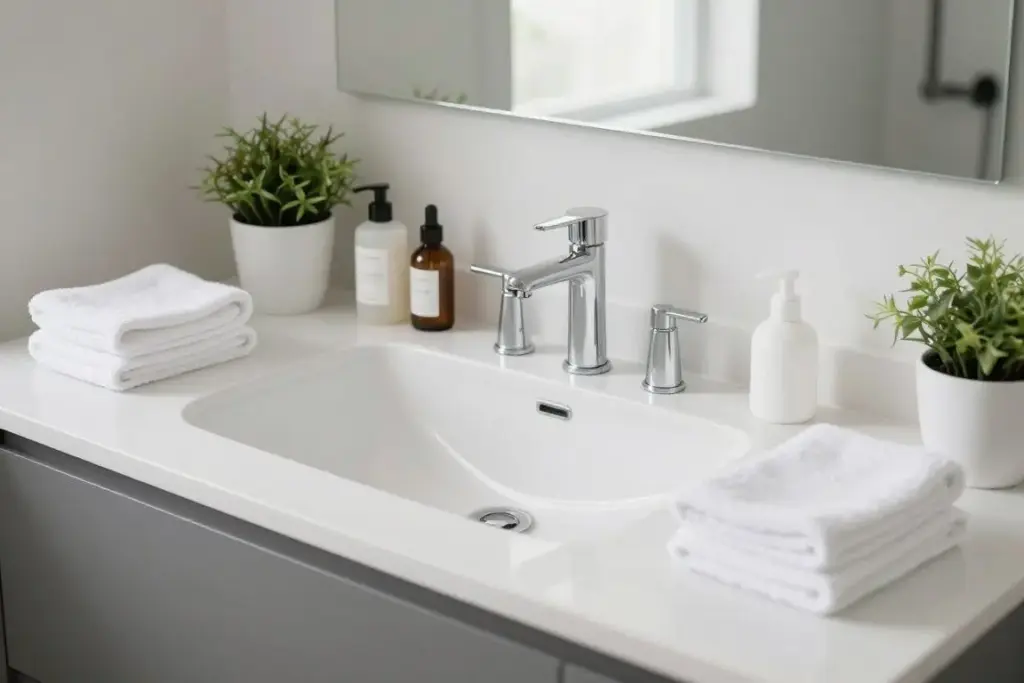
Bathrooms are small spaces that somehow hold massive amounts of stuff. Old products, expired medications, and beauty items we tried once all compete for limited cabinet space. Decluttering your bathroom creates a more peaceful morning routine.
Old Beauty and Personal Care Products
Beauty products have expiration dates. Using old makeup can cause skin problems. Hair products that didn’t work as promised just take up space under your sink.
23. Expired makeup – Mascara lasts three months. Foundation about a year. Check your products and toss anything past its safe use period.
24. Hair products that didn’t work – That volumizing spray or smoothing serum that failed to deliver? Stop saving it hoping it’ll work someday.
25. Old sunscreen – Sunscreen loses effectiveness after about three years. Using expired sunscreen puts your skin at risk.
26. Dried-out nail polish – If it’s thick and goopy, it won’t apply well. Time to replace it or go without.
27. Hotel toiletries you never use – Those little shampoo bottles seemed useful when you brought them home. But do you actually use them? Probably not.
28. Perfume samples – If you haven’t worn them in months, you don’t like the scent enough to keep them.
29. Old razors – Dull razors don’t work well and can irritate skin. Keep fresh ones and toss the old.
30. Half-empty lotion bottles – Consolidate what you can. Recycle bottles that have been sitting there for years.
Excess Towels and Linens
How many towels does your household actually need? Most of us have way more bath towels, washcloths, and hand towels than we’ll ever use at once.
31. Worn-out bath towels – Towels that are threadbare, stained, or no longer absorbent should be replaced or repurposed as cleaning rags.
32. Extra hand towels – Two or three per bathroom is plenty. The rest can go.
33. Mismatched washcloths – Keep sets that work together. Donate random single washcloths.
34. Old bath mats – If they’re moldy, stained, or worn thin, it’s time for replacements.
Medicine Cabinet Clutter
Medicine cabinets often become repositories for expired medications and old first aid supplies. This is both wasteful and potentially dangerous.
35. Expired medications – Check dates on all pills, syrups, and ointments. Dispose of expired medications properly at a pharmacy.
36. Old prescriptions – Medications from past illnesses should be discarded, not saved for future use.
37. Dried-up bandages – If the adhesive doesn’t stick anymore, they won’t help when you need them.
38. Ancient first aid supplies – Check expiration dates on antibiotic ointments, pain relief creams, and other treatments.
Things to Declutter from Your Bedroom
Your bedroom should be a peaceful retreat. But when it’s full of clothes you don’t wear, books you won’t read, and random items without homes, it becomes stressful instead of restful.
Clothing and Accessories
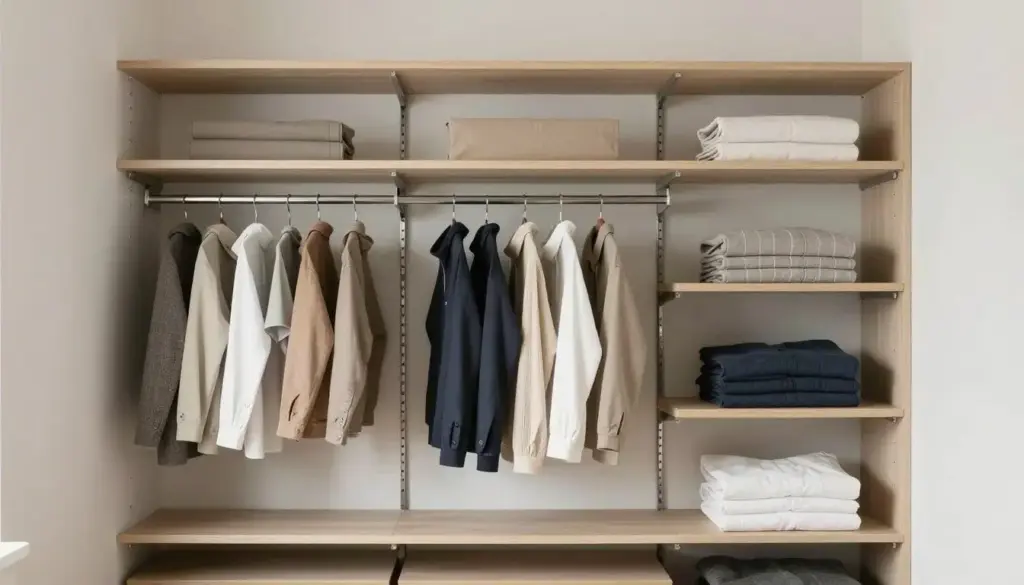
Closets overflow with clothes that don’t fit, don’t match our style, or make us feel bad when we wear them. If you haven’t worn something in over a year, you probably won’t wear it next year either.
39. Clothes that don’t fit – Keeping smaller sizes “for motivation” usually just makes you feel bad. Donate them and buy new clothes when you need them.
40. Uncomfortable shoes – Life’s too short for shoes that hurt. If they’re not comfortable, you won’t wear them.
41. Old workout clothes – Stretched-out, stained, or damaged athletic wear should be replaced or used as rags.
42. Socks with holes – Holey socks serve no purpose. Toss them and make room for good ones.
43. Mismatched socks – After a reasonable waiting period, accept that the match isn’t coming back.
44. Outdated accessories – Belts, scarves, and jewelry you haven’t worn in years won’t suddenly become your style again.
45. Uncomfortable underwear – If it doesn’t fit right or feels bad, get rid of it. You deserve comfortable basics.
46. Worn-out bras – When the elastic is shot and the support is gone, it’s time for new ones.
47. Clothes with permanent stains – If the stain survived multiple washings, it’s permanent. Let the item go.
48. Formal wear you’ll never wear again – That bridesmaid dress or old prom outfit takes up valuable closet space.
Bedroom Miscellaneous
Bedrooms collect random items that don’t really belong there. Clearing these out makes the space more functional and peaceful.
49. Old books you won’t reread – Unless you reference them regularly or truly love them, books can be donated to libraries or used bookstores.
50. Excess throw pillows – If you remove half of them every night to sleep, you have too many.
51. Extra blankets – One or two spare blankets is reasonable. Ten is clutter.
52. Old chargers and cords – If you don’t remember what device they belong to, you don’t need them.
53. Unused alarm clocks – Your phone probably handles this now. The old clock radio can go.
54. Jewelry you never wear – Keep pieces with sentimental value and things you actually wear. Donate or sell the rest.
Things to Declutter from Your Living Room
Living rooms serve as gathering spaces for family and guests. When they’re cluttered with old magazines, unused decor, and random items, they lose their welcoming feel.
Media and Entertainment Items
Entertainment has gone digital, but many homes still store old physical media that never gets used.
55. DVDs and Blu-rays you never watch – With streaming services, most physical media just collects dust. Keep true favorites and donate the rest.
56. Old CDs – If you stream music now, those CD cases are wasting space.
57. Outdated electronics – Old DVD players, VCRs, or game consoles you no longer use should be recycled or donated.
58. Tangled cords and cables – Sort through them. Recycle ones that go to devices you no longer own.
59. Old remote controls – If the device is gone, the remote can go too.
60. Instruction manuals – Most manuals are available online now. Recycle paper copies unless they’re for complex items you reference often.
Decorative Items
Decorations should make you happy. If they don’t bring you joy or fit your current style, they’re just visual clutter.
61. Decor you don’t like anymore – Your tastes change over time. It’s okay to let go of things that no longer match your style.
62. Excess picture frames – Empty frames waiting for photos rarely get filled. Keep only the ones you’re actually using.
63. Dusty artificial plants – If they look fake and collect dust, they’re not adding to your space.
64. Candles you never light – Candles are meant to be burned. If you’re saving them, ask yourself why.
65. Vases you don’t use – Three or four vases handle most needs. The collection from every flower delivery can be pared down.
66. Old magazines and newspapers – If you haven’t read them yet, you probably won’t. Recycle them and enjoy the clear surfaces.

Paper Clutter
Paper seems to multiply overnight. Mail, kids’ schoolwork, receipts, and random notes pile up on every flat surface.
67. Old greeting cards – Keep truly special ones. Most can be recycled after you’ve enjoyed them.
68. Outdated calendars – Last year’s calendar serves no purpose. Recycle it or save one page if it has important dates noted.
69. Junk mail – Sort mail immediately and recycle what you don’t need. Don’t let it accumulate.
70. Old receipts – Unless you need them for returns or taxes, receipts can be tossed after a reasonable time.
71. Expired coupons – If you didn’t use them before they expired, they’re just paper clutter now.
Things to Declutter from Your Office and Craft Areas
Home offices and craft spaces collect supplies like magnets. We buy things for projects that never happen. We save materials “just in case.” Before long, creative spaces become cluttered storage areas.
Office Supplies
How many pens do you actually need? Office supply clutter makes it harder to find what you need when you need it.
72. Dried-out pens and markers – Test your writing tools. Toss the ones that don’t work anymore.
73. Excess notebooks – If you have more blank notebooks than you’ll use in the next year, donate some.
74. Old sticky notes – If the adhesive doesn’t stick well anymore, they’re useless.
75. Broken office tools – Staplers that don’t staple, tape dispensers that don’t cut, scissors that don’t cut cleanly. Replace or discard them.
76. Outdated electronics – Old keyboards, mice, or computer accessories you’re not using take up drawer space.
Craft Supplies and Hobby Materials
Crafts and hobbies bring joy. But supplies for abandoned projects just create guilt and clutter.
77. Craft supplies for abandoned hobbies – If you haven’t scrapbooked in five years, donate those supplies to someone who will use them.
78. Dried-up paint and glue – Art supplies have limited shelf lives. Test them and toss what’s no longer usable.
79. Fabric scraps too small to use – Be honest about whether you’ll actually make something with tiny fabric pieces.
80. Broken crayons – Unless you’re melting them for a project, broken crayons are frustrating to use.
81. Old patterns and project instructions – If the project didn’t interest you enough to complete it, let the pattern go.
Things to Declutter from Storage and Miscellaneous Areas
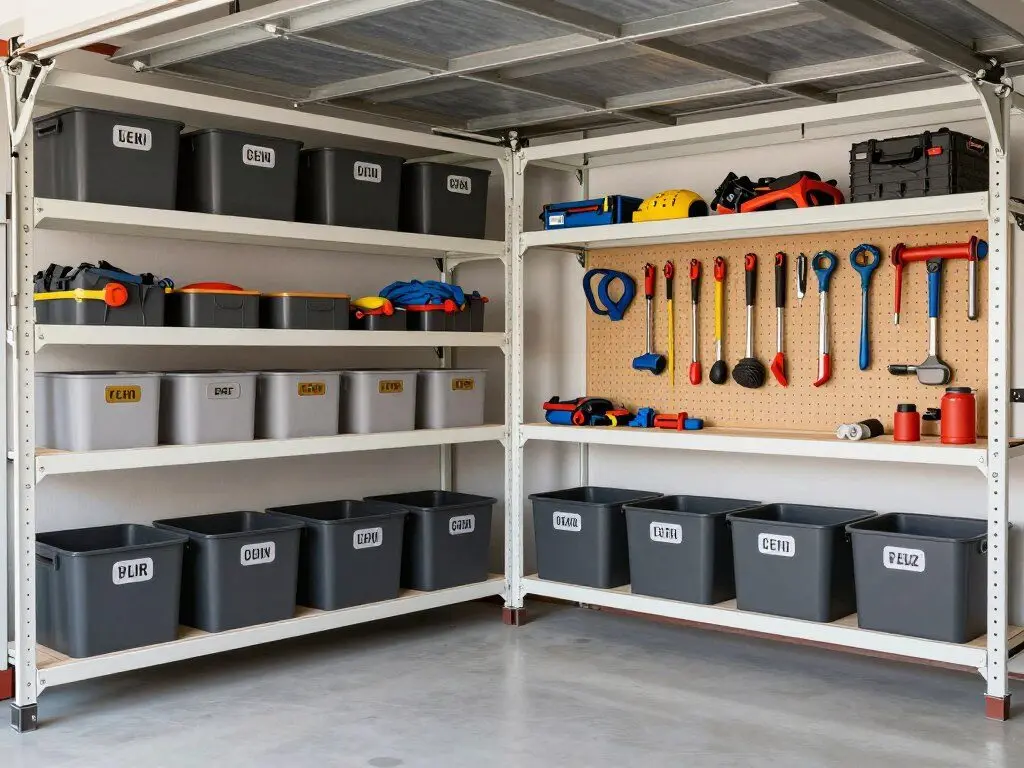
Garages, basements, and storage areas become dumping grounds for items we don’t know what to do with. Out of sight often means out of mind until these spaces become unusable.
Garage and Storage Area Items
82. Broken tools – If you haven’t fixed that broken hammer or drill in months, you probably won’t. Replace it or do without.
83. Dried-up paint cans – Old paint doesn’t store well. Dispose of dried-up or separated paint properly at a hazardous waste facility.
84. Empty boxes “just in case” – You don’t need to save every box from every purchase. Keep a few useful sizes and recycle the rest.
85. Sports equipment for activities you don’t do – Those skis you haven’t used in a decade? Someone else could enjoy them now.
86. Old holiday decorations – If you haven’t displayed them in several years, donate them to make room for decorations you actually use.
87. Duplicate cleaning supplies – Multiple bottles of the same cleaner take up space. Use what you have before buying more.
88. Plastic bags and containers – Save a reasonable number for reuse. The giant collection stuffed under the sink can be recycled.
Start Small
Begin with easy wins like expired food or dried-out pens. Success builds momentum.
- Choose one small category
- Set a 15-minute timer
- Celebrate your progress
- Build the habit gradually
Make Decisions Quickly
Overthinking leads to keeping too much. Trust your first instinct about items.
- Use the one-year rule
- Consider actual usage patterns
- Don’t keep things out of guilt
- Focus on your current life
Have a Plan for Items
Knowing where things will go makes it easier to let them leave your house.
- Donate useful items to charities
- Sell valuable items online
- Recycle what you can
- Trash only as a last resort
Maintain Your Progress
Decluttering once isn’t enough. Build habits to prevent future accumulation.
- One in, one out rule
- Regular mini-decluttering sessions
- Mindful shopping habits
- Seasonal reviews of belongings
The Real Benefits of Decluttering Your Home
Decluttering delivers more than just visual appeal. The benefits touch multiple areas of your life in surprising ways.
More Time in Your Day
Less stuff means less time spent cleaning, organizing, and searching for things. The average person spends one year of their life looking for lost items. When you have fewer belongings, everything has a clear home. You know exactly where to find what you need.
Cleaning becomes faster too. Fewer items on surfaces means you can wipe down counters in seconds instead of minutes. Fewer clothes mean less time doing laundry and putting things away. All these small time savings add up throughout your week.
Reduced Stress and Anxiety
Clutter creates visual noise that affects your mental state. Studies show that people with cluttered homes have higher levels of the stress hormone cortisol. Your brain processes everything in your environment. The more things competing for attention, the harder your brain works.
A decluttered space feels calmer. You can relax more easily. Your mind isn’t constantly reminded of tasks you need to do or decisions you need to make about all that stuff.
Better Focus and Productivity
Clear spaces support clear thinking. When your environment is organized, your brain can focus on the task at hand instead of being distracted by mess. This applies to home offices, kitchens, and any space where you need to concentrate.
Many people report getting more done in less time after decluttering their workspace. Without visual distractions, tasks get completed faster and with better quality.
Financial Benefits
Decluttering often reveals duplicate purchases. You find three of the same item because you couldn’t find the first two. When you know what you own, you stop buying duplicates.
You also become more intentional about new purchases. Once you’ve experienced the freedom of less stuff, you think more carefully before bringing new items home. This naturally reduces impulse buying and saves money over time.
Selling items you no longer need can generate extra cash too. Many people are surprised by how much money they can make from decluttering.

Common Decluttering Mistakes to Avoid
Even with good intentions, people make mistakes that slow progress or create new problems. Avoid these common pitfalls to make your decluttering journey smoother.
Trying to Do Everything at Once
The biggest mistake is attempting to declutter your entire house in a weekend. This approach leads to burnout, decision fatigue, and often an even bigger mess when you give up halfway through.
Break the project into small chunks. Tackle one category or one small area at a time. Fifteen focused minutes beats an exhausting all-day session that leaves you never wanting to declutter again.
Moving Clutter Instead of Removing It
Some people organize clutter instead of getting rid of it. They buy storage bins and containers to hold things they don’t actually need or use. This just hides the problem.
Before you buy organizational products, declutter first. You might discover you don’t need additional storage at all. Your existing storage works fine when it’s not overflowing with unnecessary items.
Keeping Things “Just in Case”
The “just in case” mentality keeps a lot of clutter in homes. You worry you might need something someday. But storing items for years while they depreciate or become outdated doesn’t make practical sense.
If you haven’t used something in over a year, you probably won’t. And if you do need it later, borrowing or buying it then often makes more sense than storing it indefinitely.
Feeling Guilty About Letting Go
Gifts, inherited items, and expensive purchases often stay in homes because of guilt rather than usefulness. You feel bad getting rid of something someone gave you or something you spent good money on.
Remember that keeping items you don’t use doesn’t honor them or the giver. Things serve their purpose by being used. If an item doesn’t fit your life now, someone else might enjoy it. That’s better than it sitting unused in your closet.
Not Having a Removal Plan
Items pile up in your car or garage when you don’t have a clear plan for where they’ll go. This creates new clutter and makes it tempting to bring things back inside.
Before you start, research donation centers, schedule pickup appointments, or plan your drop-off trips. Make it easy to complete the process by removing items from your home quickly.
How to Maintain a Clutter-Free Home
Decluttering once solves the immediate problem. But without new habits, clutter returns. These strategies help you maintain your progress long-term.
The One In, One Out Rule
Every time you bring something new into your home, remove something similar. Buy a new shirt? Donate an old one. Get a new book? Pass along one you’ve already read.
This simple rule keeps the total amount of stuff in your home stable. You can still get new things without accumulating clutter.
Regular Decluttering Sessions
Schedule brief decluttering sessions weekly or monthly. Spend 15 minutes scanning your home for items that can leave. This prevents small amounts of clutter from building into overwhelming messes.
Make it part of your routine. Some people declutter a category each month. Others do a quick sweep every Sunday evening. Find a rhythm that works for your life.
Mindful Shopping Habits
Before buying anything, ask yourself key questions. Do I really need this? Where will I store it? What will I use it for? How often will I actually use it?
Wait 24 hours before making non-essential purchases. This cooling-off period eliminates most impulse buys. If you still want the item a day later and can clearly articulate how it will improve your life, then consider buying it.
Everything Needs a Home
Clutter often consists of homeless items that don’t have designated spots. When everything has a specific place, it’s easy to put things away and keep surfaces clear.
If you can’t find a home for something, that’s a sign you might not need it. Your home has finite space. Items that don’t have clear storage spots probably don’t deserve to stay.
Digital Decluttering Matters Too
Don’t forget about digital clutter. Overflowing email inboxes, duplicate photos, and old files slow down your devices and create mental clutter.
Apply the same decluttering principles to your digital life. Delete old emails. Remove apps you don’t use. Organize your photos and delete duplicates or bad shots. A clean digital space supports a clear mind just like a physical one does.
Quick Win Challenge
Pick five items from this list right now. Don’t overthink it. Grab a bag and gather those five things. Put them in your car for donation tomorrow. That’s it. Five items removed creates five spaces of freedom in your home. Small actions build big results over time.
Room-by-Room Decluttering Strategy
Approaching decluttering room by room creates structure and prevents overwhelm. Each space has different priorities and challenges.
Kitchen Strategy
Start with expired food and obvious trash. This creates immediate visible results that motivate you to continue. Next, tackle duplicate utensils and gadgets you never use. Finish with dishes and storage containers.
Kitchens function best with frequently used items within easy reach. Store or donate things you use less than once a month. Your daily cooking routine becomes much smoother when you’re not digging through cluttered drawers and cabinets.
Bathroom Approach
Begin by checking expiration dates on all products. Toss anything past its date without hesitation. Then evaluate products you’ve tried but don’t like. These rarely get used once you’ve decided they don’t work for you.
Count your towels. Most households need two bath towels per person plus a few extras for guests. Everything beyond that takes up storage space without adding value.
Bedroom Focus
Clothing deserves dedicated attention. Try on anything you’re unsure about. If it doesn’t fit well or make you feel good, it goes. This includes uncomfortable shoes that have been sitting unworn for months or years.
Clear surfaces matter in bedrooms. Nightstands cluttered with books, charging cables, and random items create visual stress before bed and first thing in the morning. Keep surfaces minimal for better rest and calmer mornings.
Living Room Method
Flat surfaces collect clutter quickly in living areas. Start by clearing coffee tables, end tables, and entertainment centers. Find homes for items that belong elsewhere in your house.
Evaluate decorations honestly. Do they make you happy? Do they fit your current style? Or are they just there because they’ve always been there? Keep only pieces that actively improve your space.
What to Do With Decluttered Items
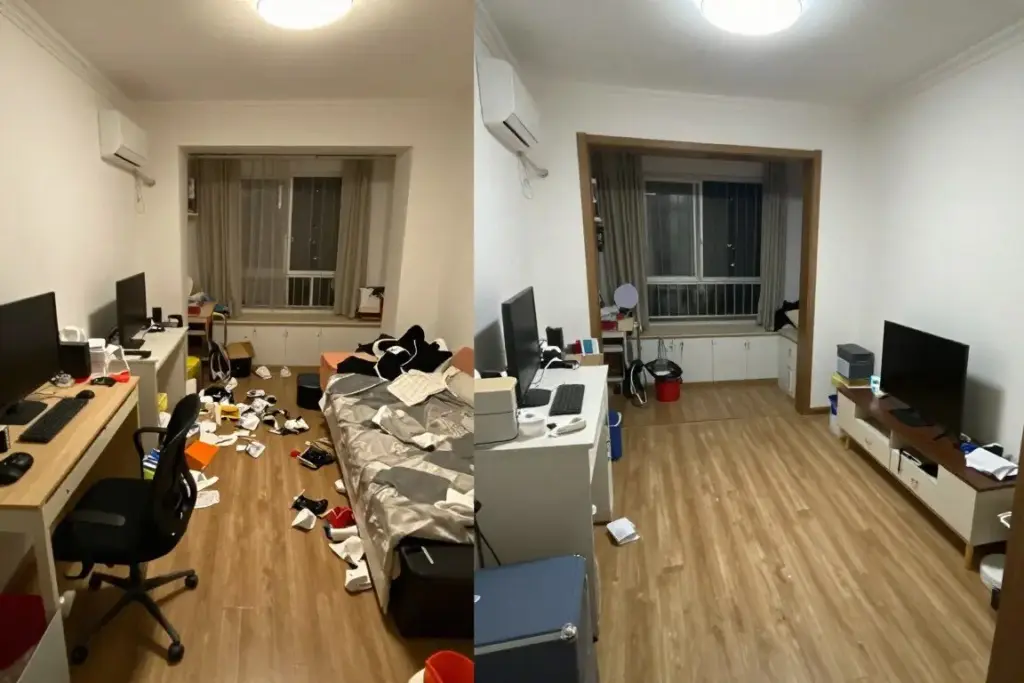
Knowing where items will go makes it easier to let them leave. Different items suit different destinations.
Donation Options
Local charities welcome gently used clothing, household goods, and furniture. Organizations like Goodwill, Salvation Army, and local shelters often offer pickup services for large donations. This removes the barrier of transportation.
Check what items each organization accepts. Some take everything. Others have restrictions on furniture, electronics, or certain household goods. Calling ahead saves wasted trips.
Women’s shelters often need professional clothing, toiletries, and household items. Schools appreciate art supplies, books, and educational materials. Animal shelters can use old towels and blankets. Finding the right home for items makes decluttering feel good instead of wasteful.
Selling Items for Extra Money
Valuable items deserve the effort of selling. Online marketplaces like Facebook Marketplace, Craigslist, and eBay connect you with local buyers. Poshmark and thredUP work well for clothing.
Price items realistically. Used items sell for much less than retail, typically 25-50% of original price depending on condition. Set your prices to move items quickly rather than holding out for top dollar.
Consignment shops offer another option. They handle the selling process for you in exchange for a percentage of the sale price. This works well for quality clothing, furniture, and home decor.
Proper Disposal Methods
Some items require special disposal. Electronics shouldn’t go in regular trash because they contain hazardous materials. Many retailers offer free electronics recycling. Best Buy, Staples, and similar stores accept old devices.
Paint, batteries, and chemicals need hazardous waste facilities. Most cities host collection events several times per year. Check your local waste management website for schedules and locations.
Regular trash should be the last resort. But some things are truly trash – broken items with no repair value, stained or damaged textiles, expired food. Don’t feel guilty about throwing away actual garbage.
Gifting to Friends and Family
Before offering items to friends, make sure they actually want them. Don’t pass your clutter onto someone else. Ask specifically if they need or want particular items rather than showing up with bags of stuff.
Buy Nothing groups and neighborhood sharing platforms work well for this. People actively looking for items appreciate free goods. You’re not putting friends in an awkward position of feeling obligated to take things they don’t want.
Decluttering When You Share Your Space
Decluttering gets more complex when multiple people share a home. Different people have different attachment levels to belongings and different tolerance for clutter.
Respect Other People’s Belongings
Only declutter your own things unless you have explicit permission. Getting rid of someone else’s belongings without asking damages trust and creates resentment. Even if you think something is obvious clutter, it might matter to the other person.
Lead by example instead. When family members see the benefits you experience from decluttering, they often become interested in trying it themselves. Your peaceful, organized space speaks louder than lectures about minimalism.
Involve Kids in Age-Appropriate Ways
Children can participate in decluttering from a young age. Even toddlers can help sort toys into keep and donate piles with guidance. Make it a game rather than a chore.
Older kids benefit from learning decision-making skills through decluttering. Ask questions that help them evaluate their belongings. “Do you still play with this? Does it make you happy? Would another kid enjoy this more?”
Let kids make final decisions about their own toys and clothes. You can guide and suggest, but forcing them to get rid of things they care about backfires. They’ll hide items or become more attached to stuff as a reaction.
Creating Shared Standards
Discuss expectations for shared spaces with everyone in your household. Common areas like kitchens and living rooms need agreed-upon standards. How clear should surfaces stay? Where do mail and papers go? How often should things be tidied?
Make these agreements specific and reasonable. “Keep the coffee table clear except for one decorative item” works better than “keep things neat.” Specific expectations are easier to follow and maintain.
Compromise on Differences
You might want bare counters while your partner likes a lived-in feel. Neither approach is wrong. Finding middle ground that respects both preferences keeps peace while reducing clutter.
Perhaps counters stay mostly clear but a small designated area allows for current projects or decorative items. Or personal spaces get decorated according to individual preferences while shared spaces maintain agreed-upon standards.
Ready to Transform Your Home?
Get our complete decluttering system including printable checklists, room-by-room guides, and maintenance strategies. Plus, join our email community for ongoing support and motivation.
Instant download. No credit card required. Start decluttering in the next 5 minutes.
Start Your Decluttering Journey Today
You now have a complete list of 88 things to declutter from your home. This isn’t about achieving perfection or living like a minimalist monk. It’s about creating space for what matters in your life.
Every item you remove gives you something back. You gain time from easier cleaning and organizing. You gain peace from less visual noise. You gain freedom from the weight of managing too much stuff. These benefits compound over time.
Start small and build momentum. Pick three items from this list right now. Put them in a bag for donation. Feel the instant relief of making those decisions and removing those things from your home. That feeling motivates you to continue.
Remember that decluttering is a journey, not a destination. Your needs change over time. Items that served you well in the past might not fit your current life. That’s perfectly normal. Regular evaluation keeps your home aligned with who you are now.
The best time to declutter was yesterday. The second best time is right now. You don’t need to wait for the perfect moment or the ideal organizing system. You just need to start removing things that no longer serve you.
Your future self will thank you. Imagine coming home to clear counters, organized closets, and spaces that function smoothly. That vision becomes reality one decluttered item at a time. The work you do today creates the peaceful home you’ll enjoy tomorrow.
Take the first step. Choose your starting point from these 88 items. Set aside 15 minutes. Make it happen. Your decluttered home awaits.