Watching children light up during craft time brings pure joy to any daycare setting or home. These hands-on activities do more than just keep little ones busy. They build essential fine motor skills, spark creativity, and create lasting memories.
Finding the right daycare crafts can feel overwhelming. Too complicated, and kids lose interest. Too simple, and they miss valuable learning opportunities. The sweet spot exists where fun meets developmental growth.
This collection features 24 tried-and-tested craft ideas that children genuinely love. Each activity uses common materials you likely already have. From paper plate creations to nature-inspired art, these crafts work perfectly for toddlers and preschoolers alike. Let’s explore activities that will transform your craft time into magical learning experiences.
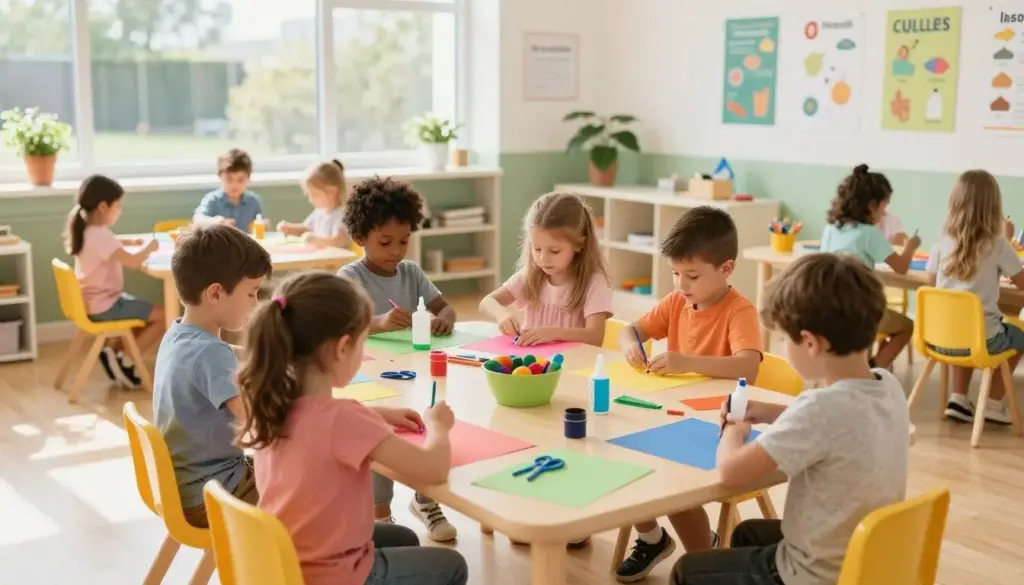
1. Paper Plate Rainbow Fish
Transform an ordinary paper plate into a stunning underwater creature. This craft combines vibrant colors with simple cutting techniques that help develop hand-eye coordination.
Cut triangle shapes from one side of the paper plate to create fins and a tail. Kids paint the plate body in bright rainbow colors using washable paint. Once dry, they add googly eyes and draw scale patterns with markers.
The cutting action strengthens fine motor skills while the painting process encourages color recognition. This activity takes about twenty minutes and creates beautiful results perfect for classroom displays.
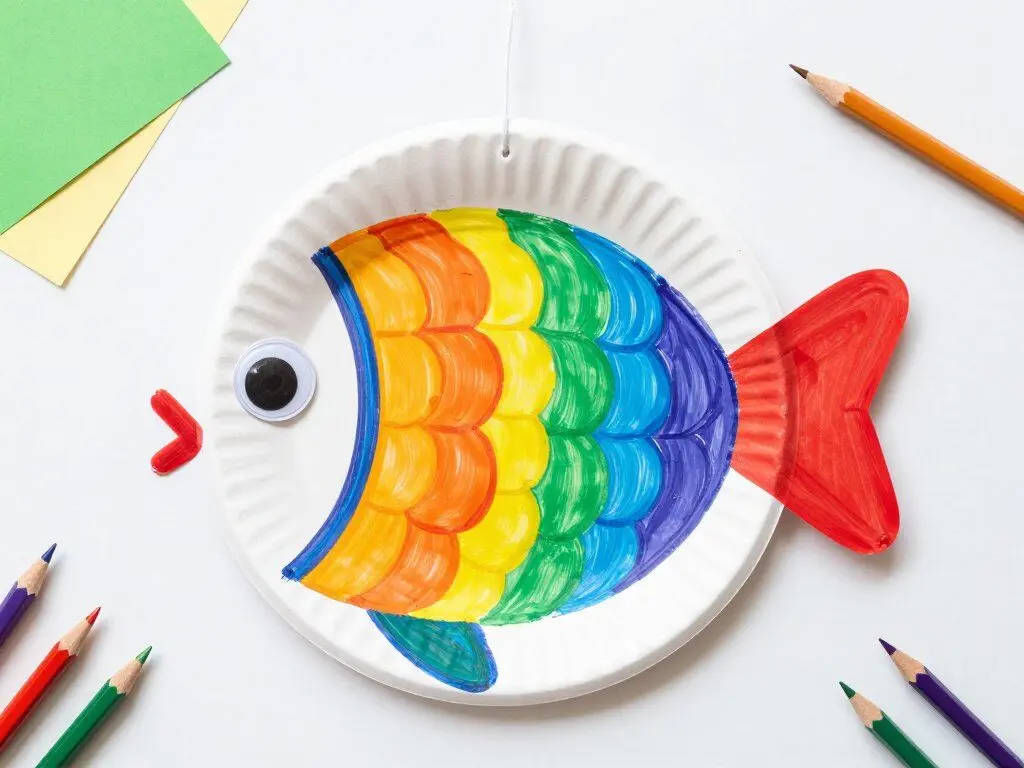
Materials needed include paper plates, washable paint, brushes, googly eyes, markers, and child-safe scissors. Most classrooms already stock these basics, making this an easy choice for any day.
2. Cotton Ball Clouds
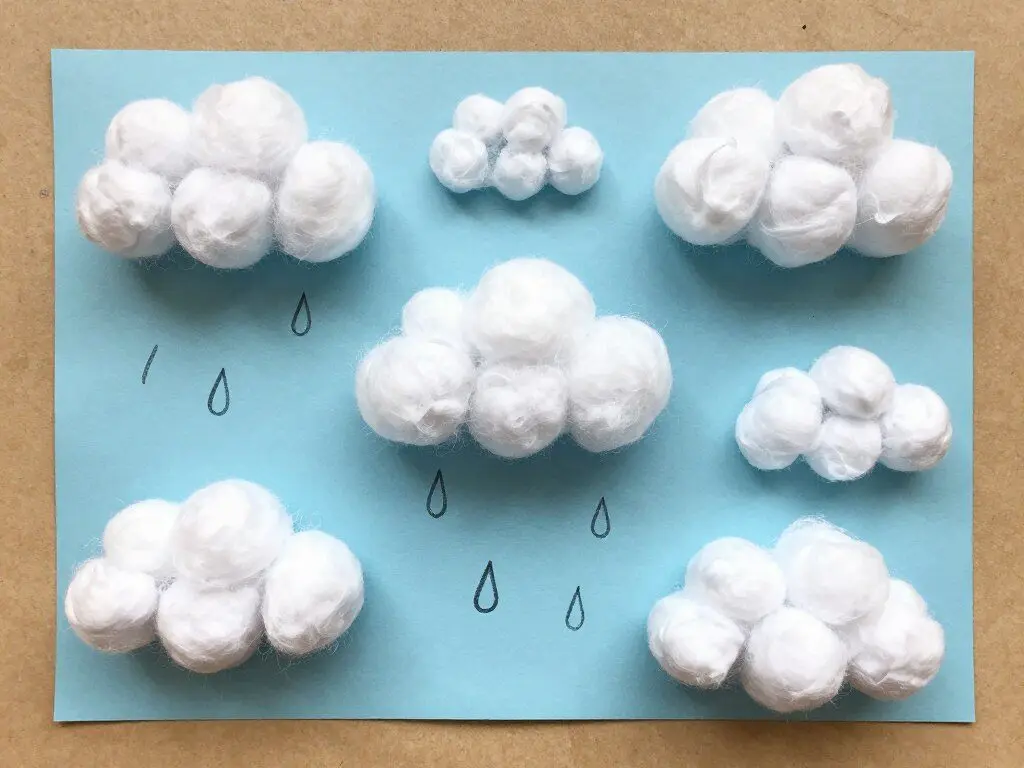
Fluffy cotton balls become magical clouds in this tactile craft that toddlers adore. The soft texture provides sensory input while building motor skills through gluing and positioning.
Start with blue construction paper as your sky background. Children pull apart cotton balls to create different cloud shapes and sizes. They apply glue to the paper and press cotton balls down firmly.
This simple activity teaches weather concepts while developing spatial awareness. Kids love the squishy feeling of cotton balls between their fingers. The process naturally practices hand strength needed for future writing skills.
Add rain by drawing lines with blue markers under clouds. Some kids prefer creating storm clouds by mixing gray paint with cotton. Others make sunshine with yellow paper circles peeking through their clouds.
3. Handprint Flowers
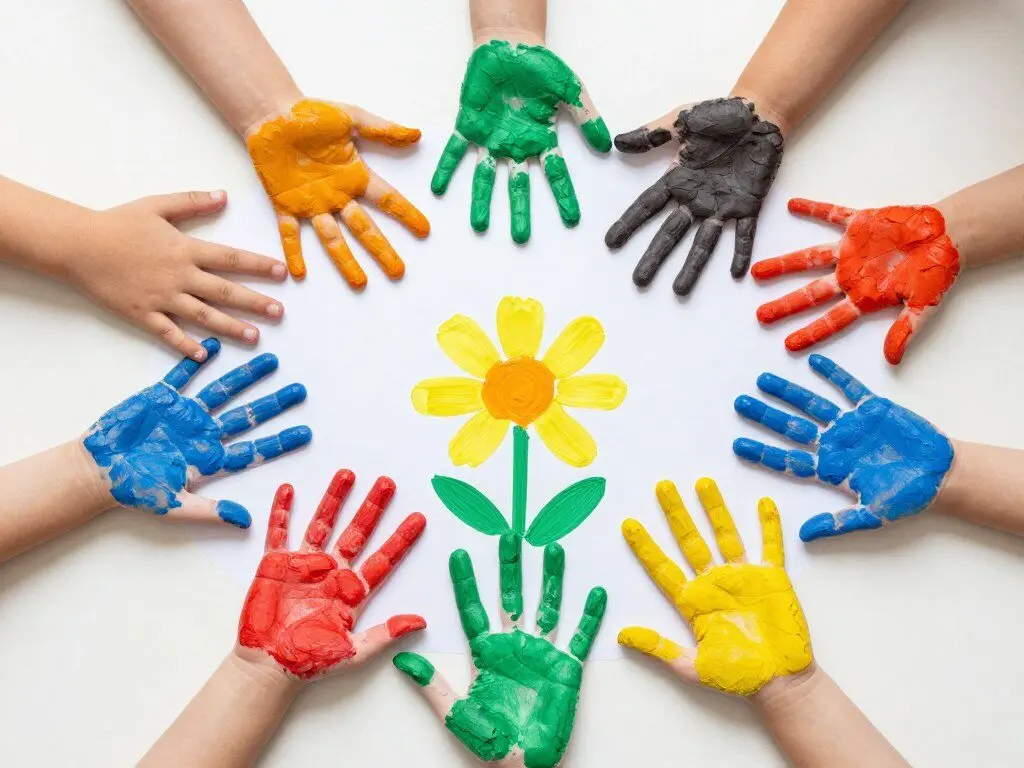
Nothing captures childhood quite like handprint art. These cheerful flowers preserve tiny hand sizes while teaching colors and patterns.
Paint each child’s palm and fingers in bright colors. Press hands onto white paper to create flower petals arranged in a circle. Use green paint for thumb prints as stems and leaves.
This craft works wonderfully for Mother’s Day or spring celebrations. Parents treasure these keepsakes showing how small their children’s hands once were. The activity strengthens hand muscles and practices following multi-step directions.
Each flower becomes unique based on hand size and color choices. Display them together for a stunning garden effect that brightens any wall.
4. Toilet Paper Roll Binoculars
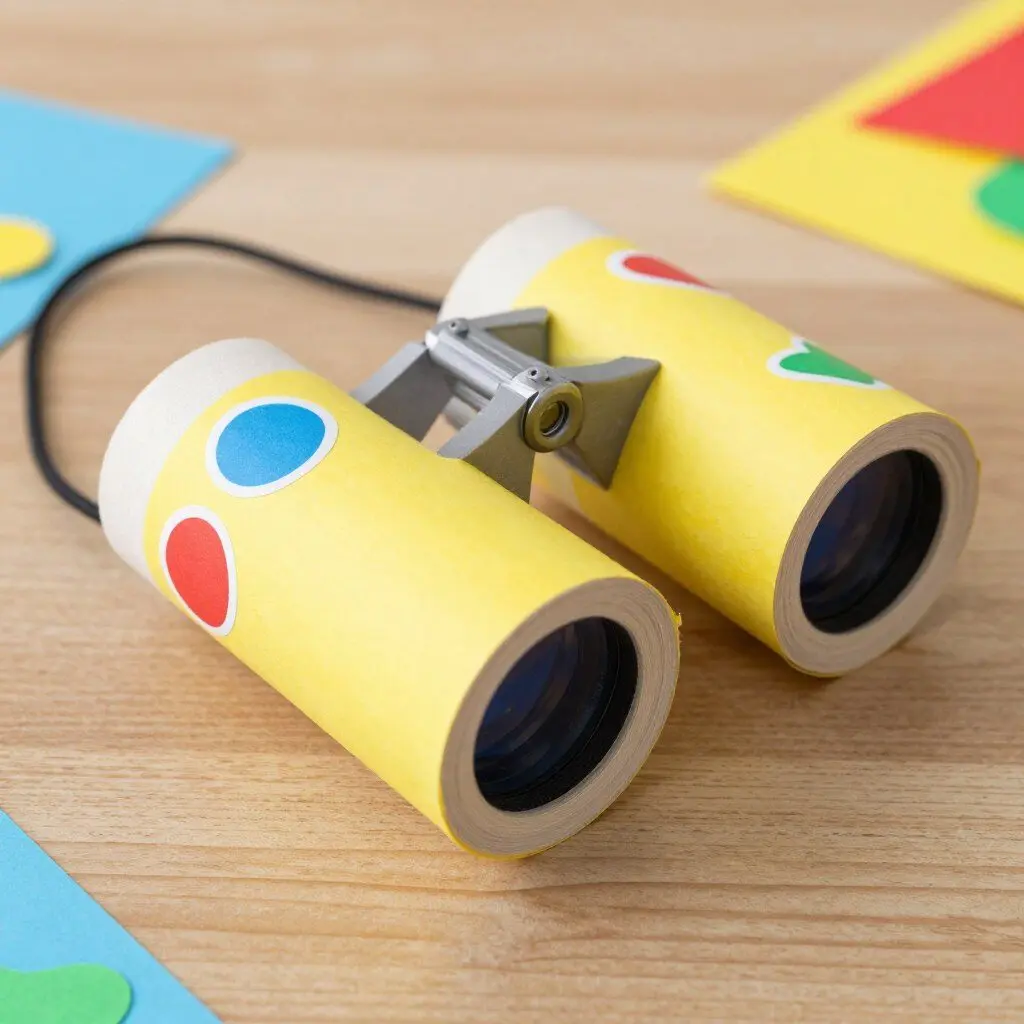
Recycling meets imagination with these playful binoculars. Kids transform empty toilet paper rolls into exploration tools perfect for outdoor adventures.
Tape two toilet paper rolls together side by side. Let children wrap construction paper around the rolls and secure with glue. Punch holes on outer edges and thread yarn through to create a neck strap.
Decorate with stickers, markers, or paint to personalize each pair. This craft teaches recycling concepts while encouraging imaginative play. Children use their finished binoculars for nature walks, treasure hunts, and pretend safaris.
The assembly process builds problem-solving skills as kids figure out how pieces fit together. Rolling and taping practice fine motor control essential for daily tasks.
5. Paper Cup Flowers
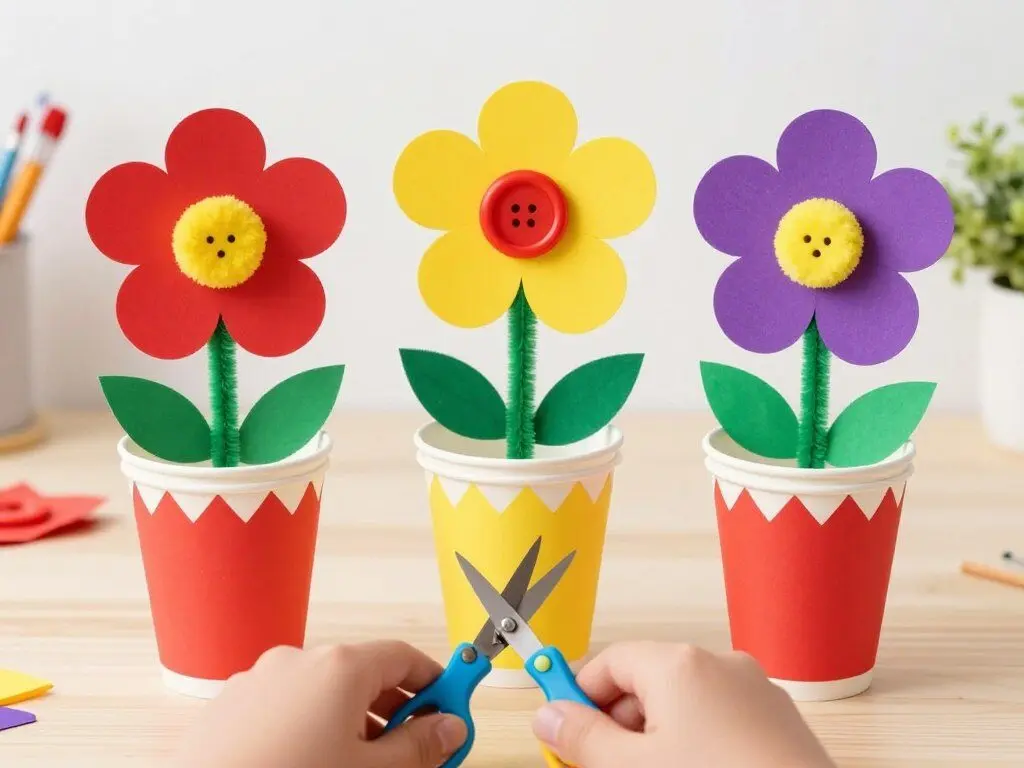
Disposable paper cups bloom into cheerful flowers in this three-dimensional craft. The standing design adds depth to typical flat art projects.
Cut paper cups into petal shapes around the rim, leaving the base intact. Paint cups in vibrant flower colors like red, yellow, or purple. Once dry, glue a green craft stick or pipe cleaner inside as a stem.
Add paper leaves and a button or pom-pom center. These flowers stand upright in playdough bases or foam blocks for display. The cutting practice develops scissor skills while painting strengthens hand muscles.
Create entire bouquets for gifts or seasonal decorations. This activity introduces basic flower anatomy in a hands-on way that sticks with young learners.
6. Fingerprint Caterpillars
Tiny fingerprints transform into adorable crawling caterpillars. This craft requires minimal supplies while maximizing creativity and fine motor development.
Dip fingertips in washable paint and press repeatedly on paper to create a caterpillar body. Each fingerprint becomes a body segment. Once dry, add legs, antennae, and faces with markers.
Children practice counting by making caterpillars with specific numbers of segments. The repeated finger pressing motion builds the same muscles needed for pencil grip. Each caterpillar develops its own personality through color and facial expression choices.
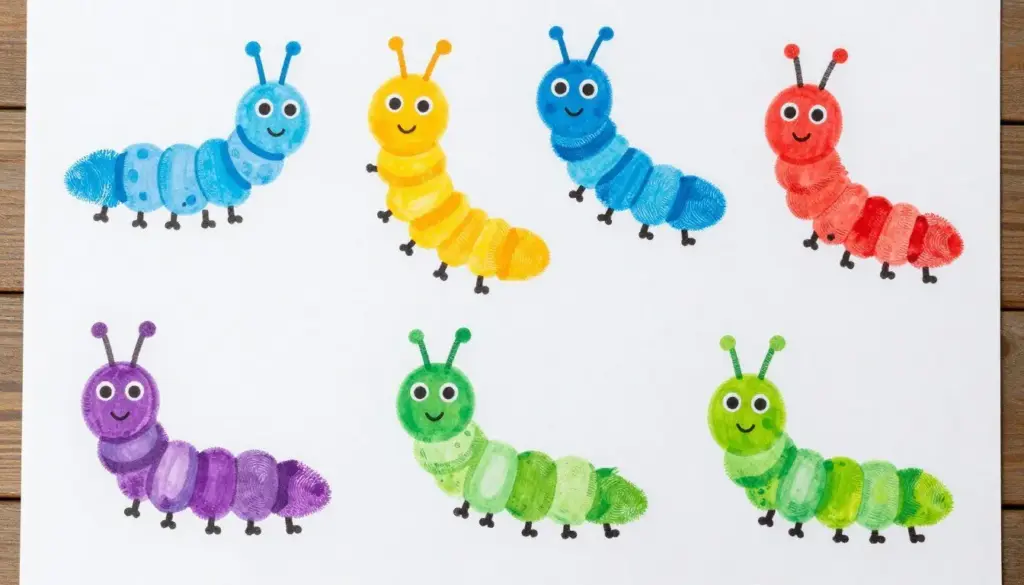
This activity pairs perfectly with reading The Very Hungry Caterpillar. Kids connect their art to story concepts, deepening comprehension and engagement.
Ready to Create More Magic?
These first six crafts are just the beginning of your creative journey. Each activity builds essential skills while keeping kids engaged and happy. Want even more inspiration delivered straight to your inbox? Join thousands of parents and educators who receive our weekly craft ideas, teaching tips, and printable resources.
7. Nature Collage Art
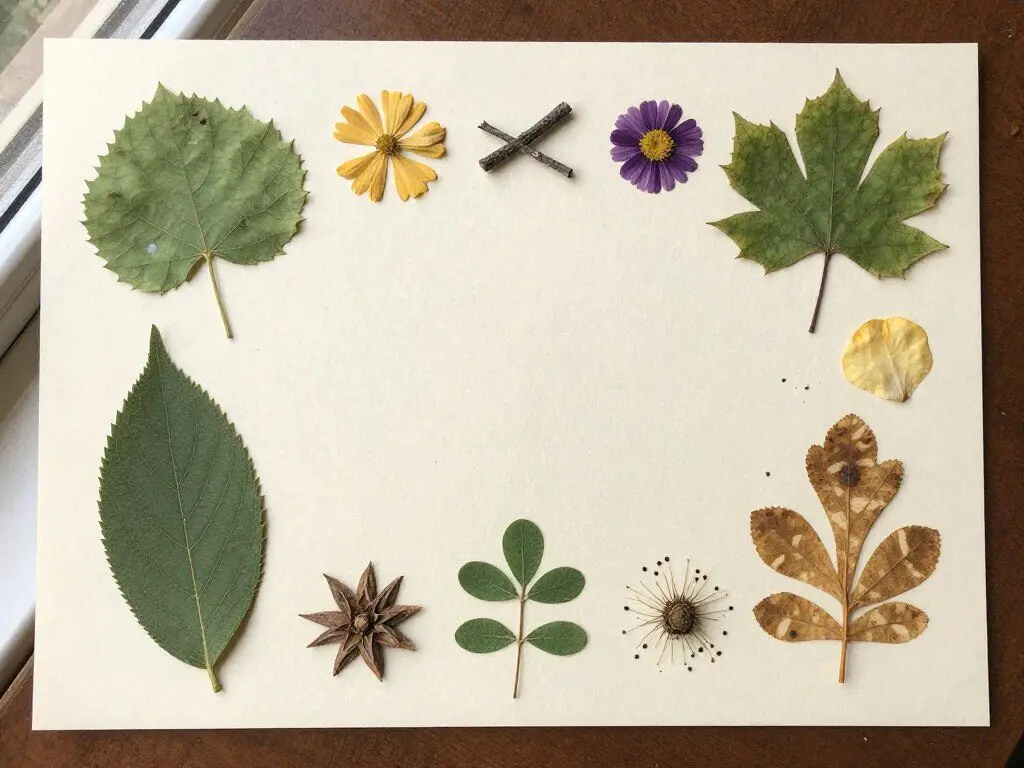
Outdoor exploration meets artistic expression in these beautiful nature collages. Collecting materials gets kids moving while creating exercises decision-making and design skills.
Take children on a nature walk to gather leaves, twigs, flower petals, and small pebbles. Back inside, arrange findings on paper or cardboard using glue. Encourage patterns, faces, or abstract designs.
This craft connects children to their environment while teaching respect for nature. The variety of textures stimulates sensory processing. Each collage becomes unique based on what nature provides that day.
Discuss colors, shapes, and where each item came from. This extends learning beyond the craft table into science and language development. Press finished collages under heavy books overnight for longer-lasting results.
8. Paper Bag Puppets
Brown paper bags transform into entertaining puppets that encourage dramatic play and storytelling. This classic craft never loses its appeal with young children.
Fold the bottom flap of a paper lunch bag to create the puppet’s mouth. Decorate with construction paper features like eyes, ears, and noses. Add yarn for hair and markers for details.
Create animal puppets, family member puppets, or favorite story characters. The open-ended nature allows each child’s imagination to shine. Finished puppets become props for puppet shows that develop language skills and confidence.
The folding and gluing process builds hand-eye coordination. Children practice sequencing as they assemble parts in logical order. This activity works equally well for individual or group projects.
9. Painted Rock Animals
Smooth rocks become charming animal friends through simple painting techniques. This outdoor craft idea combines rock hunting with creative expression.
Search for flat, smooth rocks during outdoor time. Wash and dry them thoroughly. Paint rocks to resemble ladybugs, bees, turtles, or any animal children love. Add details with markers once paint dries.
Seal finished rocks with clear acrylic spray for outdoor display. These creatures brighten gardens, window sills, or classroom nature tables. The painting process improves brush control and color mixing skills.
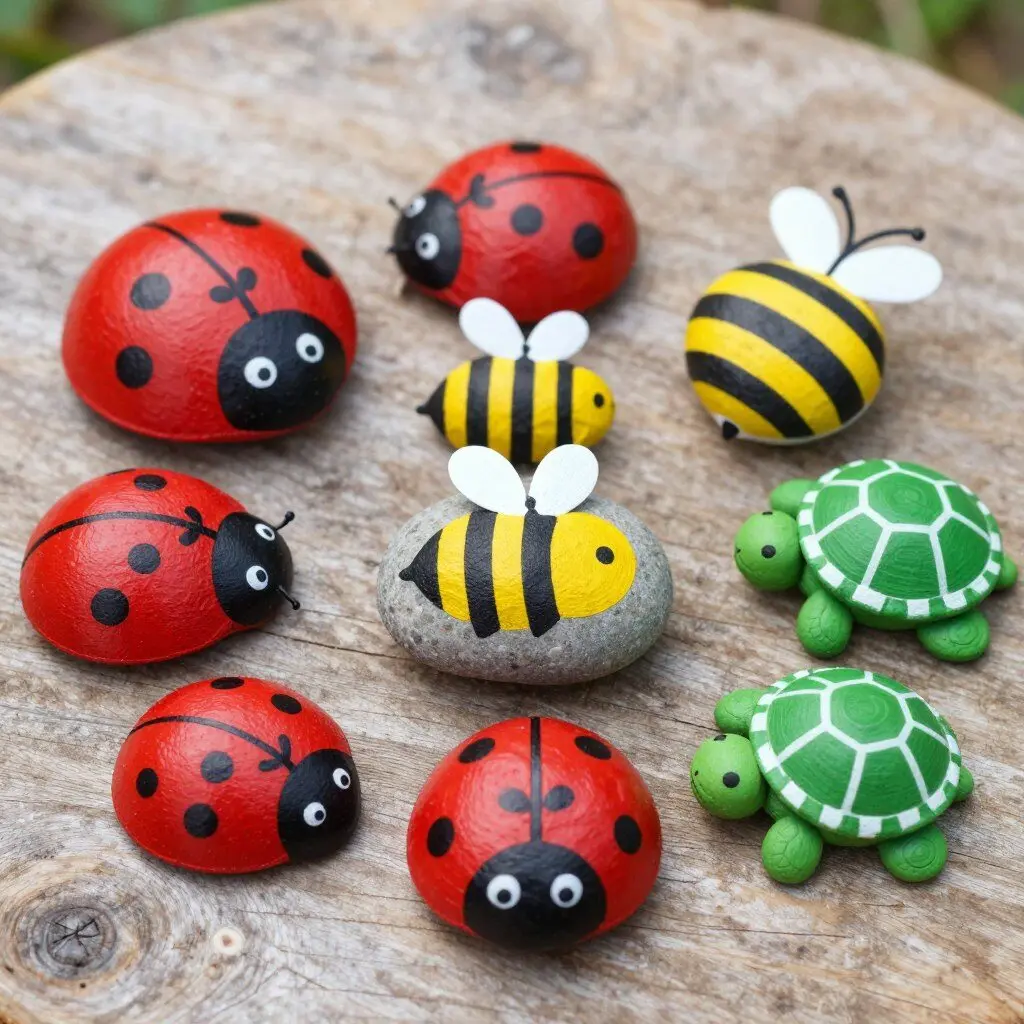
Rock painting teaches patience as children wait for layers to dry. They learn that rushing leads to smudged results. This natural consequence helps develop self-control and planning skills.
10. Coffee Filter Butterflies
Coffee filters and markers create stunning butterfly wings through color-blending magic. The surprise element keeps kids engaged throughout this process.
Fold coffee filters and color with washable markers in various patterns. Spray lightly with water and watch colors blend and spread. Once dry, pinch the center and secure with a clothespin or pipe cleaner to form wings.
Add pipe cleaner antennae and googly eyes. The chemical reaction between markers and water fascinates young scientists. Each butterfly emerges with unique patterns impossible to replicate exactly.
This craft teaches cause and effect while practicing fine motor skills through coloring and folding. Hang butterflies from the ceiling for a magical classroom transformation that celebrates spring or metamorphosis units.
11. Popsicle Stick Picture Frames
Craft sticks arrange into personalized frames perfect for photos or artwork. This project teaches spatial reasoning while creating meaningful keepsakes.
Glue four craft sticks into a square frame shape. Let dry completely, then decorate with paint, buttons, sequins, or stickers. Attach a photo or small artwork to the back with tape.
Add a magnetic strip or string hanger for display. Children practice geometry concepts as they create corners and ensure all sides are equal. The finished frames make wonderful gifts for family members.
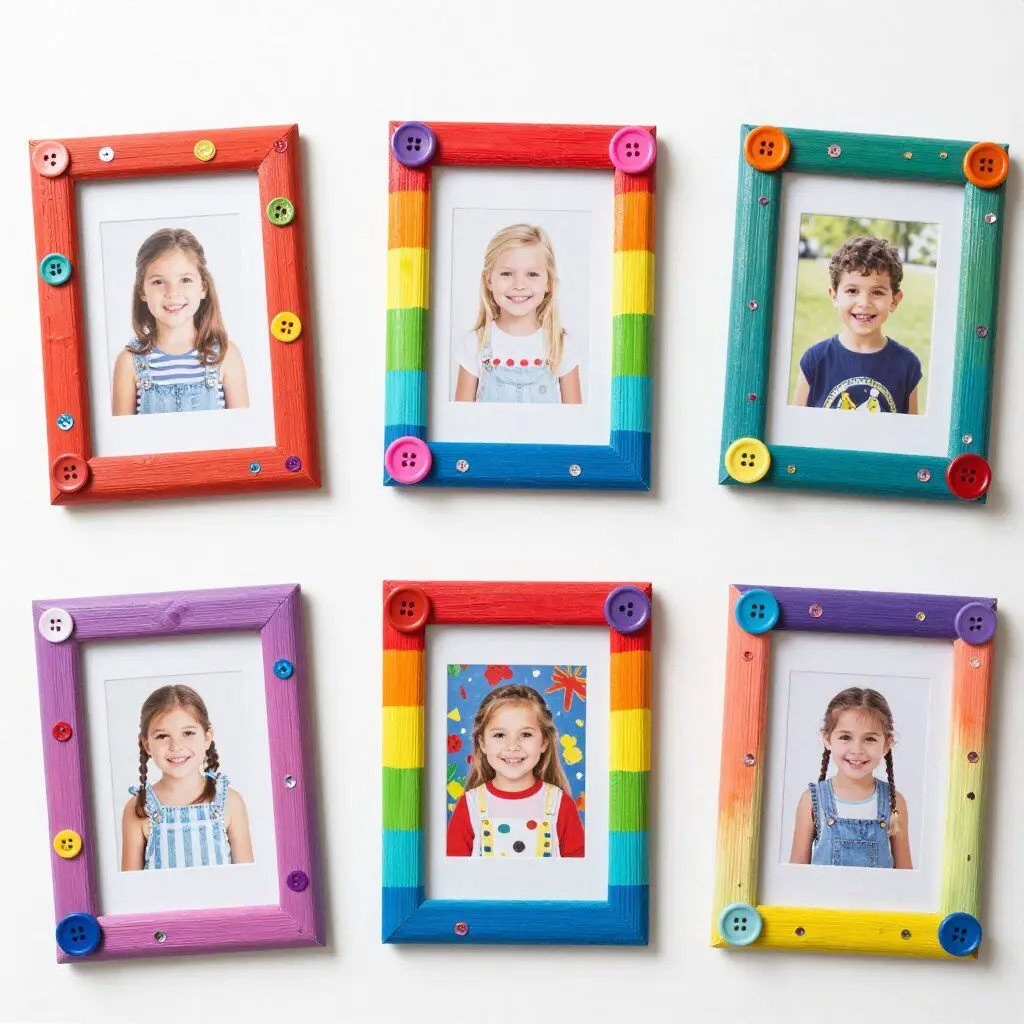
This activity requires patience as glue dries and pieces set. Children learn that some projects need time and careful handling. The step-by-step assembly builds sequential thinking skills.
12. Sponge Painting
Cut sponges create interesting textures and patterns that differ from traditional brush painting. This technique introduces new ways of applying paint while strengthening grip.
Cut kitchen sponges into shapes like circles, squares, or triangles. Clip each with a clothespin for easy handling. Dip in paint and stamp onto paper to create patterns and pictures.
Combine multiple shapes and colors for complex designs. The stamping motion builds hand muscles differently than coloring or writing. Children explore how pressure affects paint coverage, developing cause-and-effect understanding.
Create seasonal scenes, abstract art, or patterned backgrounds for other crafts. Sponge painting produces beautiful results with less mess than traditional painting, making cleanup easier for busy caregivers.
Download Your Free Craft Template Collection
You’re halfway through our craft collection! Want to make these activities even easier? Get instant access to printable templates, supply checklists, and step-by-step photo guides for all 24 crafts. Join our creative community today.
13. Egg Carton Caterpillars
Recycled egg cartons become cheerful caterpillars that teach sustainability alongside creativity. This three-dimensional craft adds variety to flat paper projects.
Cut egg cartons into strips of connected cups. Paint each cup a different color to create a rainbow caterpillar body. Once dry, add pipe cleaner antennae, googly eyes, and draw a smiling face.
Poke small holes for pipe cleaner legs if desired. This activity demonstrates how trash transforms into treasure through imagination. The irregular surface of egg cartons challenges painting skills differently than smooth paper.
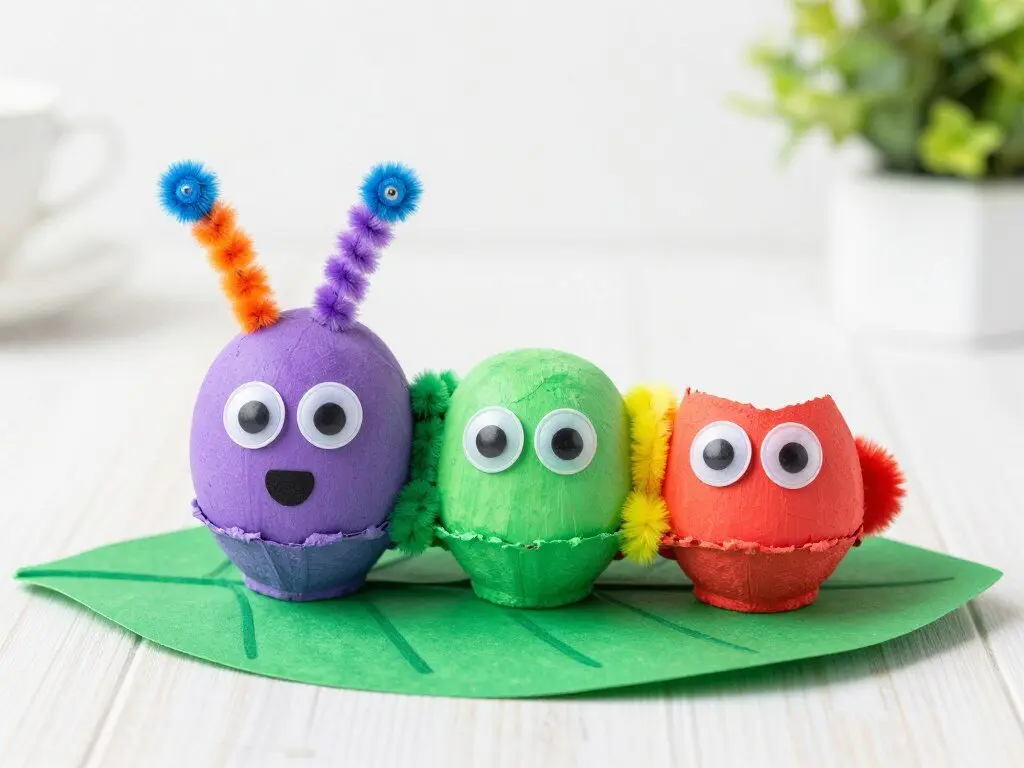
Discuss recycling and environmental care while crafting. Children learn their actions impact the planet. These caterpillars work perfectly alongside butterfly crafts to teach metamorphosis concepts.
14. Paper Chain Snakes
Traditional paper chains slither into reptile form with this playful twist. The repetitive linking motion provides excellent fine motor practice.
Cut construction paper into strips. Form loops and interlock them to create a long chain body. Make the head from a larger paper piece with eyes, tongue, and pattern details.
Use different colored strips to create patterns along the snake’s body. This activity teaches sequencing and pattern recognition. The linking action strengthens fingers for future writing tasks.
Measure finished snakes to incorporate math concepts. Compare lengths and count links. These wiggly creations make fantastic hallway decorations that show collaborative effort when each child adds sections.
15. Bubble Wrap Printing
Bubble wrap creates unique textured prints that fascinate young artists. The satisfying pop adds sensory appeal to this painting technique.
Paint bubble wrap with various colors. Press painted side onto paper to transfer the bubble pattern. Overlap colors for interesting effects. Children love both the painting and popping aspects.
Create bubble wrap fish, flowers, or abstract backgrounds. The texture adds visual interest impossible to achieve with regular painting. This method teaches printmaking basics in an accessible way.
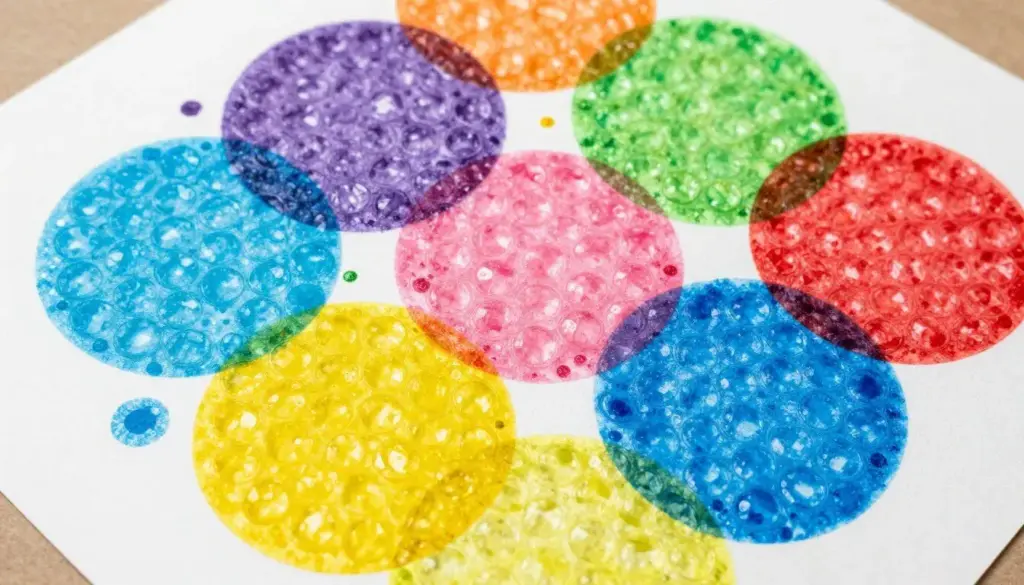
Discuss texture and pattern during creation. Children develop vocabulary for describing visual elements. Save bubble wrap from packages to always have supplies available for spontaneous art sessions.
16. Yarn Wrapped Letters
Cardboard letters wrapped in colorful yarn teach letter recognition through tactile experience. This craft combines literacy learning with fine motor development.
Cut large letters from cardboard or use pre-cut forms. Apply glue to small sections and wrap tightly with yarn. Continue until the entire letter is covered in vibrant colors.
Children spell their names, practice alphabet order, or create sight words. The wrapping motion develops pincer grip and hand-eye coordination. The raised texture provides sensory input that reinforces letter shapes through touch.
Display wrapped letters as room decorations or take-home learning tools. Parents appreciate crafts that support academic skills while remaining fun and engaging for young learners.
17. Paper Plate Masks
Paper plates become anything from animals to superheroes through creative decoration. These masks spark imaginative play long after craft time ends.
Cut eye holes in paper plates at appropriate positions. Decorate plates to represent chosen characters using paint, construction paper, feathers, or fabric scraps. Attach craft stick handles or elastic strings for wearing.
Create animal masks for storytelling, community helper masks for dramatic play, or monster masks for overcoming fears. The design process requires planning and problem-solving as children figure out how to represent their ideas.
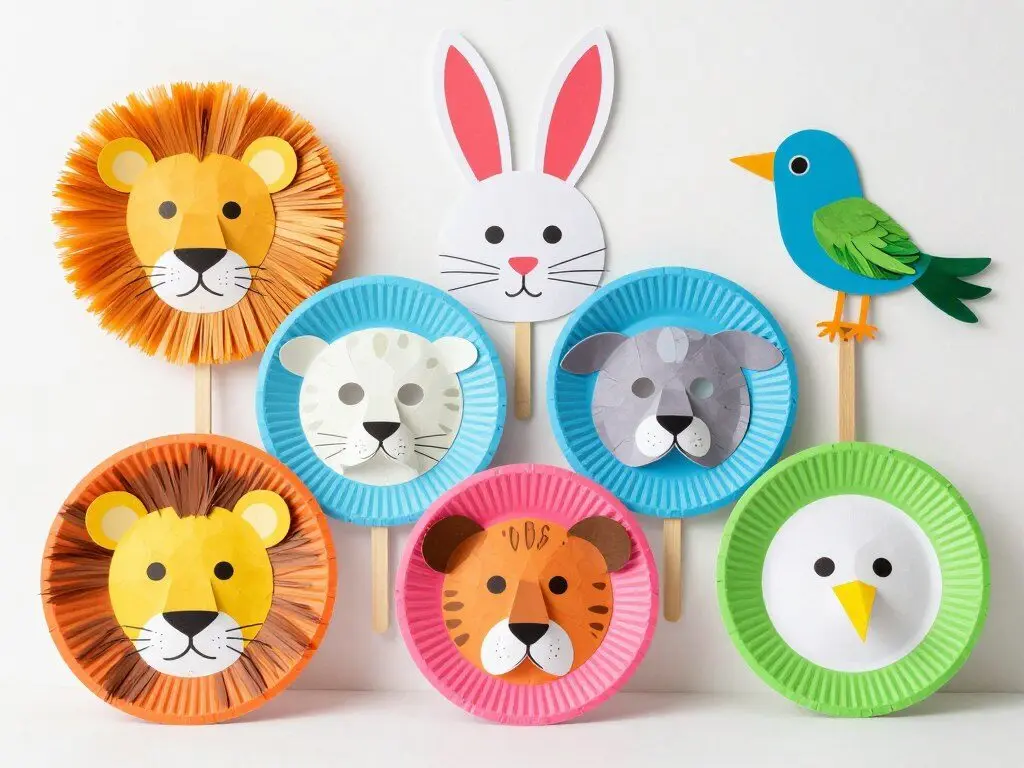
Masks facilitate role-playing that builds social-emotional skills. Children practice different perspectives as they become various characters. This type of play supports empathy development and emotional regulation.
18. Salt Dough Ornaments
Homemade salt dough provides endless sculpting possibilities using simple kitchen ingredients. This activity teaches measurement, following recipes, and three-dimensional creation.
Mix flour, salt, and water to create moldable dough. Roll out and cut with cookie cutters or shape by hand. Poke holes for hanging before baking. Once cooled, paint and seal with clear coating.
Create holiday ornaments, gift tags, or decorative magnets. The mixing process offers sensory experiences while teaching early math concepts through measuring. The sculpting strengthens hand muscles essential for writing.
These keepsakes last for years when properly sealed. Children see their creations become permanent treasures rather than temporary art. This permanence adds meaning and value to their work.
Love These Craft Ideas?
You’ve discovered 18 amazing activities that boost creativity and skills. The best part? There are six more waiting for you! Before we continue, consider bookmarking this page so you can easily return whenever you need fresh inspiration. Your future self will thank you when craft time approaches.
19. Straw Painting
Drinking straws become unexpected art tools in this breath-control activity. The technique strengthens oral motor skills while creating one-of-a-kind paintings.
Drop liquid paint onto paper in small puddles. Use straws to blow air, spreading paint in different directions. Combine colors to create interesting patterns and designs.
This activity develops breath control needed for speech development. Children learn cause and effect as they discover how blowing strength and angle affect paint movement. The unpredictable results reduce perfectionism and encourage process-focused thinking.
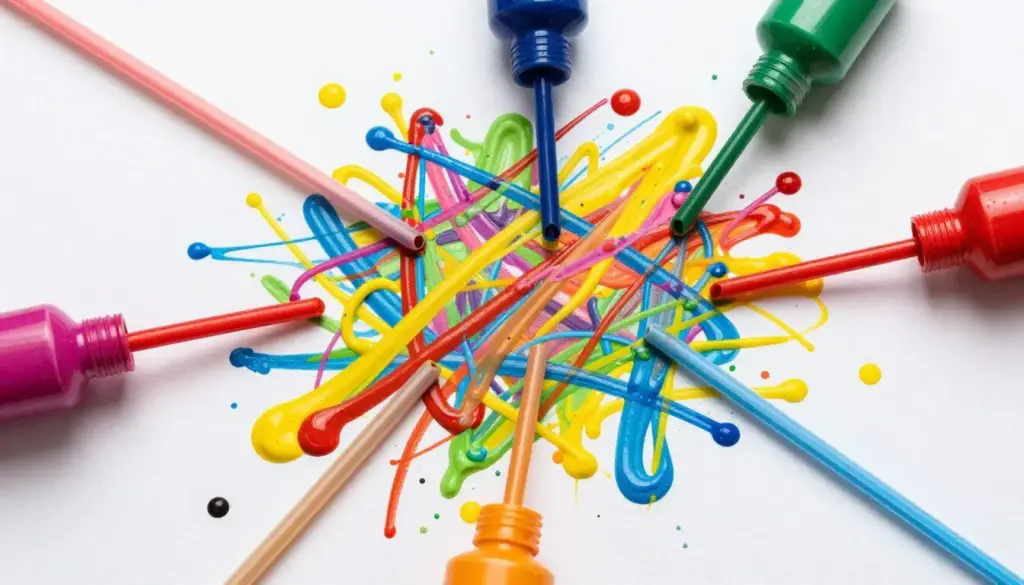
Create monsters by blowing paint bodies then adding googly eyes to finished designs. Turn splatters into flowers or fireworks with added details. This open-ended approach celebrates creativity over specific outcomes.
20. Pasta Necklaces
Dried pasta beads become colorful jewelry in this traditional craft that never goes out of style. The threading action provides essential fine motor practice.
Color dried pasta tubes with markers or food coloring in water. Let dry completely. Thread pasta onto yarn or string to create necklaces or bracelets.
Create patterns with different pasta shapes and colors. This activity teaches sequencing, pattern recognition, and counting. The threading motion develops the pincer grip crucial for pencil control.
Tie completed necklaces for wearing or gifting. Children beam with pride wearing jewelry they created themselves. These simple accessories boost confidence and provide conversation starters about their accomplishment.
21. Tissue Paper Stained Glass
Colorful tissue paper creates stunning window decorations that mimic stained glass effects. Light shining through amplifies the beauty of this art form.
Cut or tear tissue paper into small pieces. Apply diluted glue to contact paper or wax paper. Press tissue pieces onto glue in overlapping patterns. Add another layer of contact paper on top to seal.
Trim edges and hang in windows where sunlight illuminates the colors. This craft teaches color mixing as overlapping tissue creates new hues. The tearing motion strengthens hand muscles while offering sensory satisfaction.
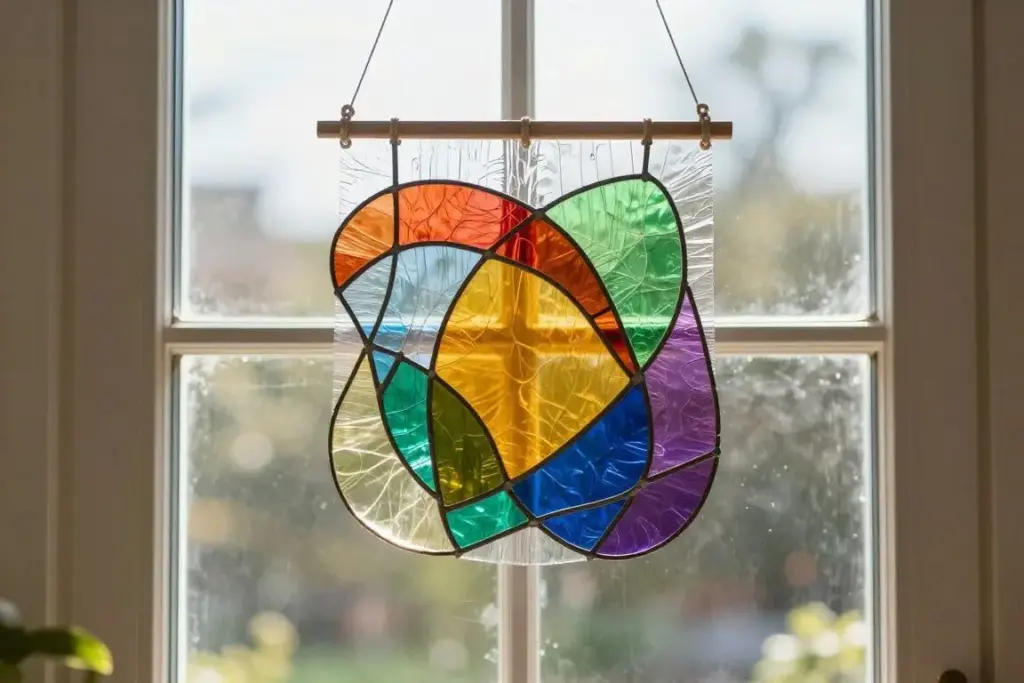
Discuss how light travels through transparent materials. This simple science lesson connects art to early physics concepts. Children remember lessons better when experienced through hands-on creation.
22. Cardboard Tube Rockets
Toilet paper rolls blast off into space as imaginative rockets. This craft combines recycling, space themes, and dramatic play opportunities.
Cover toilet paper tubes with colored paper or paint. Create pointed nose cones from construction paper formed into cones. Add paper flames at the bottom and decorate with stickers, foil stars, or drawn details.
Children engage in pretend play launching rockets and exploring space. The assembly requires problem-solving as they figure out how to attach cones securely. This engineering thinking builds STEM foundations.
Pair rockets with space-themed books and activities. Cross-curricular connections deepen learning and maintain interest across multiple subjects. These rockets work perfectly for dramatic play areas encouraging cooperative games.
23. Fruit and Vegetable Stamping
Sliced produce creates interesting stamps that introduce healthy foods while making art. This technique connects nutrition education to creative expression.
Cut fruits and vegetables like apples, potatoes, celery, or peppers in half. Dip cut surfaces in paint and stamp onto paper. Create patterns, pictures, or decorative designs.
Discuss where food comes from and the importance of eating various colors. The natural shapes and textures produce unique prints impossible to replicate artificially. This activity reduces food waste by using imperfect or extra produce.
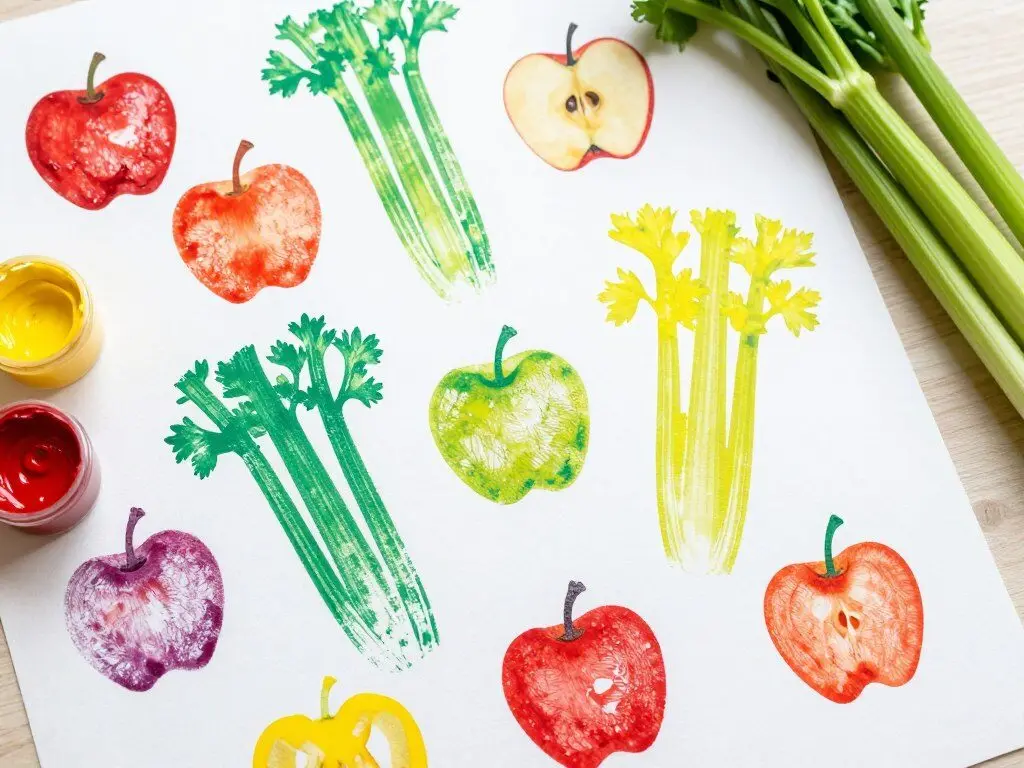
Explore symmetry using apple halves showing star patterns inside. Count seeds or segments visible in prints. These mathematical observations naturally emerge during creative play, making learning organic rather than forced.
24. Paper Weaving
Simple paper strips transform into woven mats teaching over-under patterns. This traditional craft develops concentration, hand-eye coordination, and sequential thinking.
Cut slits in construction paper leaving borders intact. Weave paper strips over and under through slits in alternating patterns. Secure ends with glue or tape.
Create rainbow patterns, checkerboards, or random designs. The repetitive motion calms active children while building focus. Pattern recognition skills transfer to math, reading, and problem-solving in other areas.
Frame finished weavings or use as placemats. The practical application gives purpose to the activity beyond decoration. Children take pride seeing their art serve functional roles in daily life.
Why These Daycare Crafts Matter for Development
Every activity in this collection serves purposes beyond creating pretty pictures. Daycare crafts build crucial developmental skills children need for kindergarten and beyond.
Fine motor skills strengthen through cutting, gluing, painting, and manipulating small objects. These same muscles control pencils during writing. Children who regularly engage in arts and crafts show improved hand-eye coordination compared to those with limited creative time.
Cognitive development accelerates through craft activities. Following multi-step instructions builds working memory and sequential thinking. Choosing colors and deciding where to place elements exercises decision-making abilities. Problem-solving emerges naturally when plans don’t work as expected.
Physical Benefits
- Strengthens fine motor skills needed for writing
- Develops hand-eye coordination through precise movements
- Builds bilateral coordination using both hands together
- Improves visual processing and spatial awareness
Cognitive Benefits
- Enhances focus and concentration abilities
- Teaches planning and sequential thinking
- Encourages creative problem-solving approaches
- Develops pattern recognition and categorization
Social-emotional growth happens during group craft time. Sharing supplies teaches patience and turn-taking. Admiring each other’s work builds appreciation for diverse ideas. Completing projects independently boosts confidence and self-esteem.
Language development weaves throughout craft activities. Discussing materials, colors, and processes builds vocabulary. Explaining their creations develops narrative skills. Following verbal directions strengthens listening comprehension.
Selecting the Right Craft for Your Group
Not every craft suits every age group. Understanding developmental stages helps you choose activities that challenge without frustrating young learners.
Toddlers ages two to three need simple projects with few steps. They have limited attention spans and still developing motor skills. Choose crafts focusing on process over product like finger painting or cotton ball gluing.
Preschoolers ages three to five handle more complex activities. Their fine motor skills allow cutting and detailed work. They enjoy crafts with multiple steps and can wait for layers to dry between sessions.
Quick Age Guide: For children under age three, focus on sensory experiences and large motor movements. Avoid small pieces that pose choking hazards. For ages three to five, introduce scissors, detail work, and multi-step projects. Always supervise craft activities and adapt based on individual skill levels rather than age alone.
Mixed-age groups work well when crafts offer flexibility. Simple base activities can be enhanced for older children through additional details or complexity. Younger kids create basic versions while older peers add elaborate decorations.
Consider attention span when planning craft time. Twenty minutes works well for most preschoolers. Break longer projects into separate sessions rather than rushing. Quality engagement matters more than finishing quickly.
Building Your Craft Supply Collection
Stocking basic supplies ensures you’re always ready for spontaneous creativity. Most activities in this collection use common materials found in classrooms and homes.
Essential paper supplies include construction paper in various colors, white copy paper, paper plates, paper cups, and tissue paper. These versatile materials work for countless projects. Buy in bulk during back-to-school sales for significant savings.
Basic tools needed include child-safe scissors, glue sticks, liquid glue, tape, and staplers. Keep multiple scissors available so children aren’t waiting for turns. Markers, crayons, and washable paint in primary colors cover most coloring needs.
- Construction paper (assorted colors)
- Child-safe scissors (multiple pairs)
- White glue and glue sticks
- Washable markers and crayons
- Tempera or washable paint
- Paint brushes (various sizes)
Must-Have Basics
- Toilet paper and paper towel tubes
- Egg cartons and milk jugs
- Cardboard boxes and pieces
- Newspaper and magazines
- Plastic bottle caps and containers
- Fabric scraps and old clothes
Recyclable Materials
- Googly eyes (assorted sizes)
- Pipe cleaners in various colors
- Pom-poms and cotton balls
- Craft sticks and toothpicks
- Buttons and beads
- Feathers and sequins
Special Additions
Recyclable materials stretch budgets while teaching environmental responsibility. Save toilet paper rolls, egg cartons, bottle caps, and cardboard from packages. These free supplies enable creativity without constant purchasing.
Organize supplies in clear bins labeled with pictures and words. This system allows children to independently access materials, building responsibility and literacy skills. Rotate specialty items to maintain novelty and excitement.
Tips for Smooth and Enjoyable Craft Sessions
Preparation makes the difference between chaotic craft time and enjoyable creative sessions. Small adjustments to your setup and approach maximize success for everyone involved.
Set up before children arrive. Having materials ready prevents long waits that lead to behavior issues. Pre-cut difficult shapes for younger children so they focus on decorating rather than struggling with scissors.
Cover work surfaces with newspaper, plastic tablecloths, or butcher paper. This simple step reduces cleanup stress and allows children to work without worrying about spills. Smocks or old shirts protect clothing from paint and glue.
Successful Strategies
- Demonstrate each step before children begin
- Offer samples showing possibilities without requiring copying
- Emphasize process and effort over perfect results
- Allow children to make independent choices
- Provide adequate time without rushing
Common Pitfalls to Avoid
- Expecting all projects to look identical
- Completing steps for children rather than guiding
- Introducing too many new techniques at once
- Scheduling crafts during hungry or tired times
- Forgetting to celebrate individual creativity
Keep expectations realistic for age and ability levels. Young children create process art focused on exploration rather than specific outcomes. Avoid showing a perfect example that children feel pressured to replicate exactly.
Build in flexibility for individual pace and interest. Some children finish quickly while others work slowly and methodically. Have extension activities ready for early finishers and patience for those needing extra time.
Cleanup becomes part of the activity rather than a burden. Assign specific tasks like wiping tables, capping markers, or organizing supplies. This responsibility builds life skills and community cooperation.
Bringing Creative Magic to Every Day
These twenty-four daycare crafts offer endless opportunities for learning disguised as play. Each activity builds essential skills while creating joyful memories that children carry forward.
Start with crafts matching your available supplies and children’s interest levels. Success with simple projects builds confidence for trying more complex activities later. Remember that messy hands mean engaged minds developing crucial abilities.
The true value of craft time extends beyond finished products hanging on walls. Children develop problem-solving approaches, build resilience when things don’t work perfectly, and learn that their ideas have value worth expressing.
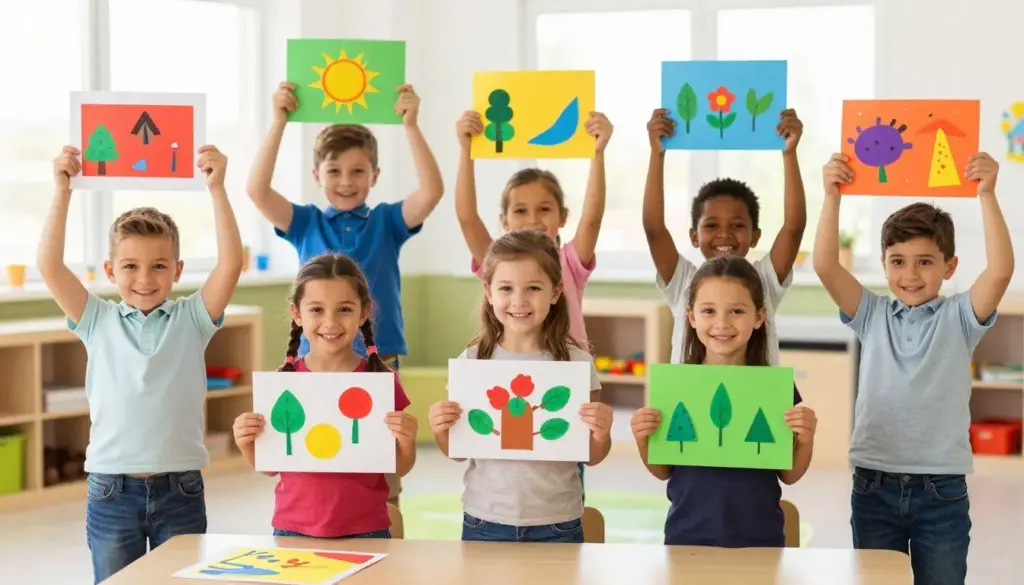
Keep this collection bookmarked for those moments when you need fresh inspiration. Rotate through activities to maintain excitement and challenge different skill sets. Mix familiar favorites with new adventures to balance comfort and growth.
Watch confidence blossom as children master new techniques and express unique perspectives through art. These early creative experiences shape how they approach challenges throughout life. Your role in facilitating these moments matters more than you might realize.
Start Your Creative Journey Today
You now have 24 fantastic craft ideas ready to delight and educate young minds. Don’t let this inspiration slip away! Join our creative community to receive weekly craft ideas, printable templates, supply discount alerts, and tips from experienced educators. Plus, get instant access to our exclusive craft planning calendar when you sign up today.
Over 15,000 parents and educators already creating magic daily