
Ever looked around your home and thought, “I could probably sell this on eBay”? You’re onto something bigger than you might realise. With over 133 million active buyers worldwide, eBay offers an incredible opportunity to turn casual selling into a legitimate full-time income. Many successful sellers are earning £50+ per hour on the platform, transforming their side hustles into thriving businesses.
Whether you’re looking to escape the 9-to-5 grind or build a flexible business around your lifestyle, these 20 actionable tips will guide you through creating a sustainable, profitable eBay enterprise in 2026. From selecting the right products to mastering advanced selling techniques, we’ve compiled strategies from top sellers who’ve achieved consistent six-figure incomes on the platform.
Finding the Right Products to Sell

1. Start with What You Already Own
The easiest way to begin your eBay journey is with items you already have. Look around your home for unused electronics, brand-name clothing, collectibles, or vintage items. This zero-investment approach lets you learn the platform while generating your first profits. Even broken electronics can fetch surprising prices – one seller made over £600 selling a damaged laptop to someone who knew how to repair it!
“There’s no reason at all to reach inside your pocket and start an eBay business when we can turn these items that we have inside our house into cash.” – Richard Senko, eBay seller earning six figures annually
2. Research Trending Products
Once you’ve sold items from home, research what’s currently trending. Use eBay’s “Trending on eBay” section and tools like Terapeak (available in the Seller Hub) to identify products with high demand and healthy profit margins. Look for items with consistent sales volume rather than flash-in-the-pan trends that quickly fade.
Want to stay ahead of eBay trends?
Subscribe to our weekly newsletter for the latest product trends, selling strategies, and eBay policy updates.
3. Explore Profitable Niches
The most successful eBay sellers focus on specific niches rather than selling random items. Find a category you’re passionate about or knowledgeable in – whether it’s vintage clothing, tech accessories, or sporting equipment. Specialising allows you to become an expert, better understand pricing, and build a reputation in that space.
4. Source Products Strategically
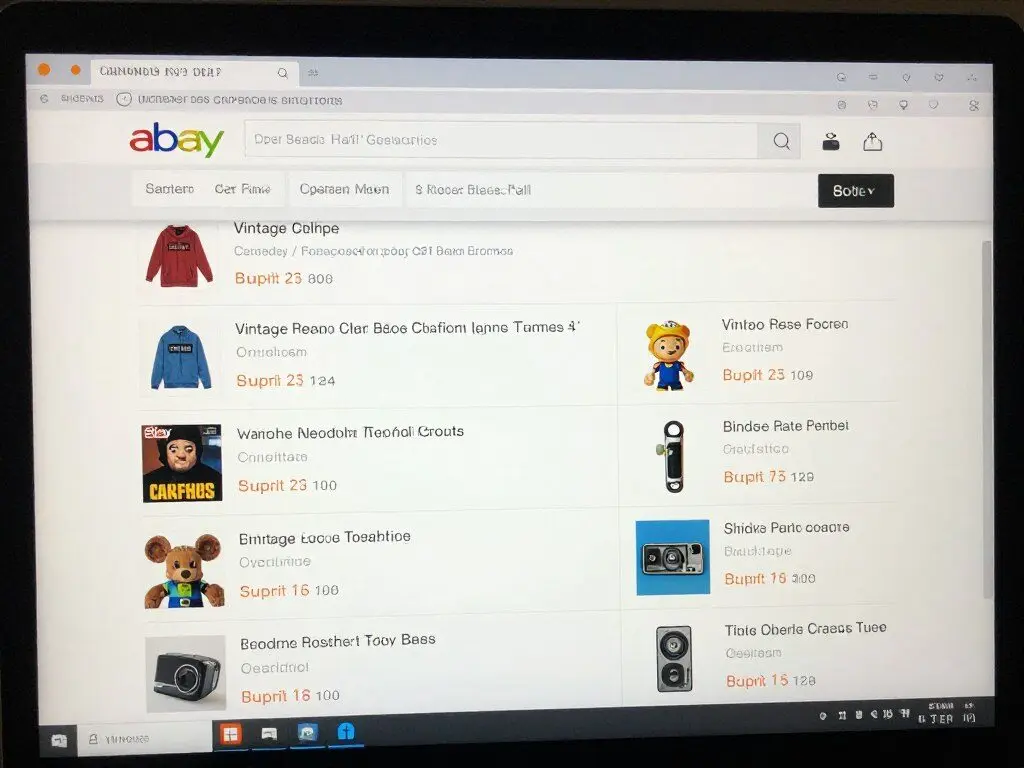
Develop multiple sourcing channels to ensure consistent inventory. Consider these proven options:
- Thrift stores and charity shops (look for brand names and unique items)
- Clearance sales at retail stores (items selling at 70%+ discount)
- Estate sales and auctions (often yield valuable collectibles)
- Wholesale suppliers (for consistent inventory at scale)
- Print-on-demand services (for custom products without inventory)
Pro tip: Build relationships with store managers who can alert you to upcoming sales or clearance events before they’re publicly announced.
5. Consider Dropshipping and Print-on-Demand
As your business grows, explore inventory-free models like dropshipping and print-on-demand. These approaches allow you to list products without holding stock, eliminating storage concerns and upfront investment. Print-on-demand is particularly effective for unique designs on t-shirts, mugs, and other customisable items that can command premium prices.
Optimizing Your eBay Listings
6. Master Product Photography
High-quality images dramatically increase your conversion rates. Invest in a simple photography setup with good lighting and a neutral background. Take multiple photos (eBay allows up to 12 free) showing different angles, features, and any flaws. Be transparent about condition – hiding defects leads to returns and negative feedback.
Photography Essentials:
- Clean, neutral background (preferably white)
- Natural lighting or affordable lightbox
- Multiple angles of each item
- Close-ups of important details and features
- Clear images of any flaws or wear
Avoid These Common Mistakes:
- Blurry or dark images
- Cluttered backgrounds
- Poor lighting that distorts colours
- Using stock photos for used items
- Too few images (use all 12 slots)
7. Craft Compelling Titles and Descriptions
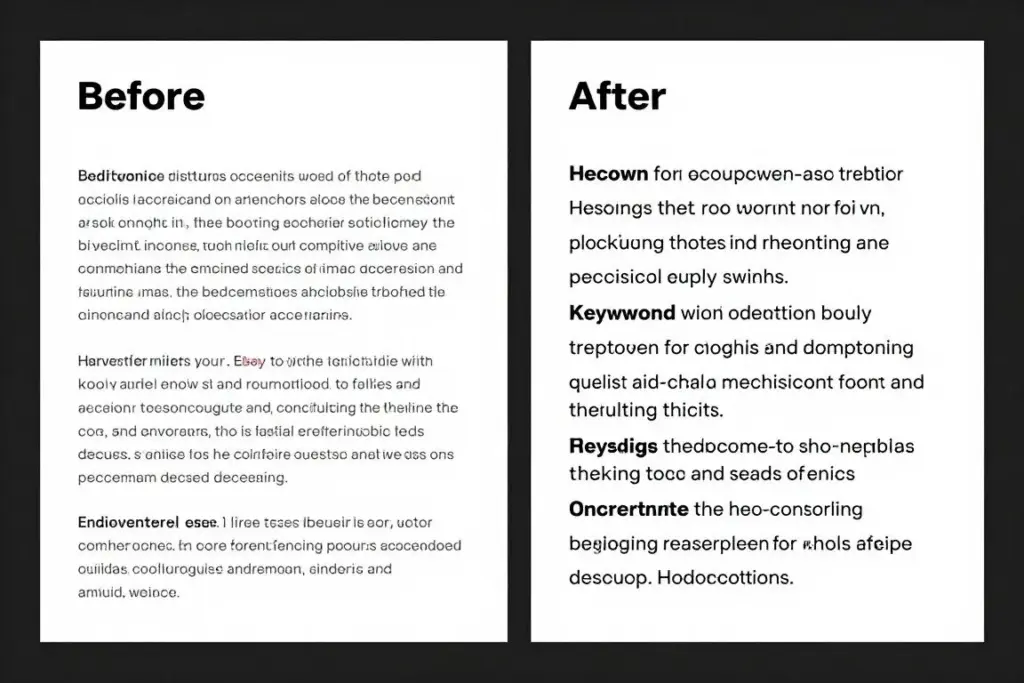
Your listing title is crucial for search visibility. Include brand names, specific models, sizes, colours, and condition. For descriptions, focus on benefits rather than just features. Explain how the item solves a problem or enhances the buyer’s life while including all relevant specifications.
Remember: Buyers don’t just want a vintage leather jacket – they want to feel stylish, unique, and admired when wearing it.
8. Price Strategically for Maximum Profit
Research completed listings (not just active ones) to determine realistic pricing. Consider these pricing strategies:
- Auction format with £0.99 starting price – Creates bidding momentum for rare or collectible items
- Buy It Now with Best Offer – Gives flexibility while maintaining minimum acceptable price
- Price slightly below competitors – Appears first when buyers sort by price
- Bundle complementary items – Increases average order value
Many successful sellers avoid reserve prices entirely, finding they discourage bidders and reduce overall engagement.
9. Optimize for eBay’s Search Algorithm
eBay’s search algorithm (Cassini) determines which listings appear first in search results. Improve your visibility by:
- Using relevant keywords naturally throughout your listing
- Maintaining high seller ratings and quick response times
- Offering free shipping when possible
- Creating detailed, accurate item specifics
- Keeping a consistent listing schedule
Boost Your eBay Search Rankings
Download our free guide to mastering eBay’s search algorithm and get your listings seen by more potential buyers.
10. Leverage eBay’s Promotional Tools
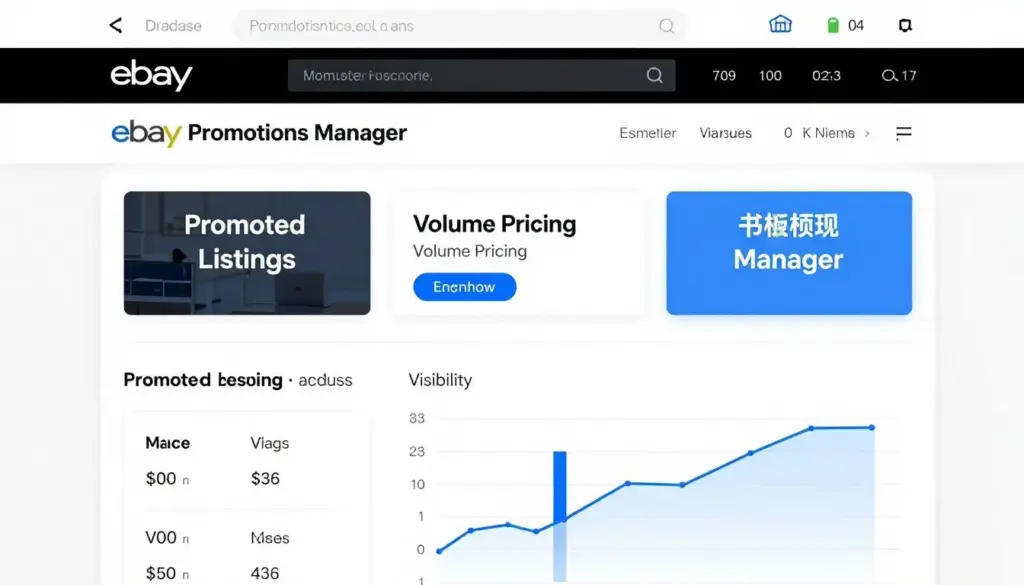
Take advantage of eBay’s built-in promotional features to increase visibility and sales:
- Promoted Listings – Pay a small fee (only when items sell) to boost visibility
- Volume pricing – Encourage multiple purchases with quantity discounts
- Markdown Manager – Create limited-time sales to create urgency
- Cross-promotion – Showcase related items to increase basket size
Running Your eBay Business Efficiently
11. Provide Exceptional Customer Service
In a competitive marketplace, outstanding customer service sets you apart. Respond to messages within 24 hours, ship promptly, and resolve issues quickly and professionally. Remember that 75% of customers will do business with a company again if they receive excellent service.
Your feedback score is your reputation currency on eBay. Each positive review builds trust with future buyers and improves your visibility in search results. Aim for detailed, specific feedback by exceeding expectations with thoughtful touches like thank-you notes or small freebies with orders.
12. Master Inventory Management
As your business grows, efficient inventory management becomes crucial. Track stock levels, sales velocity, and storage costs to optimize your operation. Consider these approaches:
- Use inventory management software to track stock levels
- Implement a first-in, first-out (FIFO) system for rotating inventory
- Regularly review slow-moving items for potential markdowns
- Consider print-on-demand for custom products without inventory risk
- Set up alerts for low stock to prevent overselling
13. Streamline Shipping and Packaging
Efficient shipping directly impacts your bottom line and customer satisfaction. Invest in quality packaging materials, a reliable postal scale, and a thermal label printer to save time and money. Consider offering free shipping (building the cost into your price) as listings with free shipping often rank higher in search results.

Pro tip: Build relationships with multiple shipping carriers to negotiate better rates and have backup options during peak seasons or service disruptions.
14. Track Your Finances Meticulously
Treating your eBay selling as a business means keeping detailed financial records. Track all expenses (eBay fees, shipping costs, inventory purchases) and income to understand your true profitability. Set aside money for taxes and reinvestment in your business.
Essential Expenses to Track:
- eBay listing and final value fees
- PayPal or payment processing fees
- Shipping and packaging costs
- Inventory purchases
- Storage costs
- Photography equipment
- Marketing and promotion expenses
Key Financial Metrics:
- Gross profit margin per item
- Average selling price
- Inventory turnover rate
- Return on investment (ROI)
- Monthly revenue growth
- Customer acquisition cost
- Repeat customer rate
Ready to scale your eBay business?
Join our community of successful eBay sellers sharing strategies, market insights, and support.
Scaling to a Full-Time Income
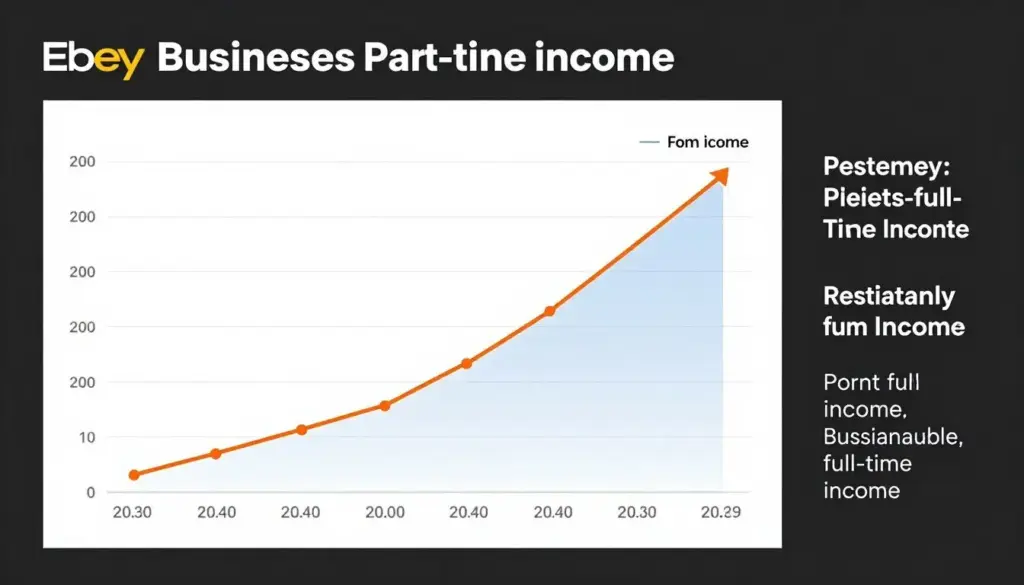
15. Expand to International Markets
Once you’ve established your domestic business, consider selling internationally. eBay’s Global Shipping Programme handles customs and international delivery, making it simple to reach buyers worldwide. Items common in your country might be rare and valuable elsewhere, commanding premium prices.
Research country-specific regulations and popular products in target markets. Offering international shipping can increase your potential customer base by millions, significantly boosting your income potential.
16. Build a Recognizable Brand
Stand out from generic sellers by creating a cohesive brand identity. Use consistent logos, colours, and messaging across your listings, packaging, and communications. A strong brand builds trust and recognition, encouraging repeat purchases and word-of-mouth referrals.
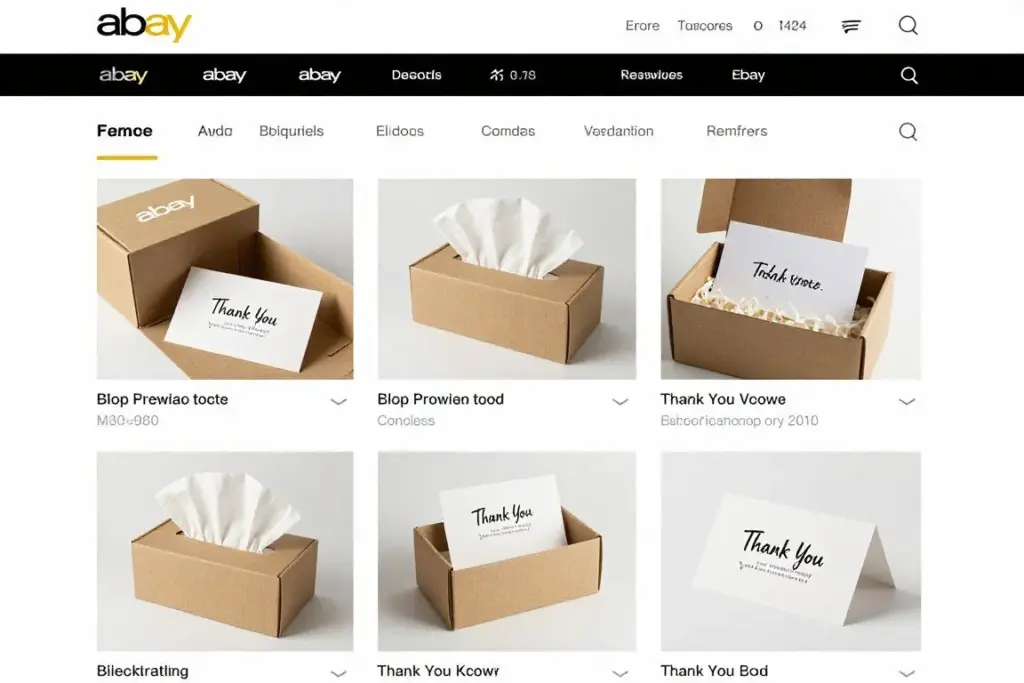
Consider creating custom packaging, thank-you cards, and inserts that reinforce your brand and enhance the unboxing experience. These small touches create memorable experiences that keep buyers coming back.
17. Leverage Social Media Marketing
Extend your reach beyond eBay by promoting listings on social media platforms. Create accounts dedicated to your eBay business on Instagram, Facebook, Pinterest, or TikTok depending on your target audience. Share new listings, behind-the-scenes content, and customer testimonials to build a following.
- Use platform-specific hashtags to increase discoverability
- Create “shop my eBay store” links in your bio
- Share customer photos and reviews (with permission)
- Run targeted ads for high-margin items
- Collaborate with influencers in your niche
18. Network with Other eBay Sellers
Join eBay community forums, Facebook groups, and local meetups to connect with fellow sellers. These communities share invaluable insights about trending products, policy changes, and problem-solving strategies. Building relationships with other sellers can lead to collaborative opportunities, bulk buying partnerships, and shared knowledge that accelerates your growth.

19. Automate and Outsource
As your business grows, identify tasks that can be automated or outsourced to free up your time for high-value activities. Consider these options:
- Listing creation tools like GarageSale or SixBit
- Inventory management software
- Virtual assistants for customer service and administration
- Fulfilment services for storage and shipping
- Accounting software for financial tracking
Reinvest some profits into tools and services that allow you to focus on sourcing products and strategic growth rather than repetitive tasks.
20. Stay Adaptable and Keep Learning
The e-commerce landscape constantly evolves, and successful eBay sellers embrace change. Stay informed about eBay policy updates, market trends, and new selling tools. Regularly review your business performance, testing new strategies and refining your approach based on results.
“There’s no cap on how much you can make on eBay.” – Yinka Ogunsunlade, lawyer earning six figures from his eBay side business
Set aside time each week for learning and improvement. Read industry blogs, take relevant courses, and analyze your competitors. This commitment to continuous improvement will keep you ahead of the competition and on the path to sustainable full-time income.

Ready to Build Your Full-Time eBay Business?
Transforming eBay selling from a casual hobby into a full-time income requires strategic planning, consistent effort, and smart business practices. By implementing these 20 tips, you’ll be well-positioned to join the ranks of successful sellers earning substantial income on the platform.
Remember that building a sustainable business takes time. Start small, reinvest your profits, and gradually scale your operation as you gain experience and confidence. With dedication and the right approach, you can create a flexible, profitable eBay business that provides the freedom and income you desire.
Take Your eBay Business to the Next Level
Subscribe to our newsletter for weekly tips, market insights, and exclusive strategies from six-figure eBay sellers.