Engaging outdoors provides children with vital sensory stimulation, and exploring 15 nature autumn activities for kids encourages curiosity across the changing seasonal landscape. Practical explorations foster environmental appreciation through simple materials like fallen foliage, conkers, and bare twigs found in local green spaces.
The success of these projects depends on aligning tasks with weather conditions and local habitats. Flexibility and observation transform ordinary garden strolls into rewarding seasonal discoveries.
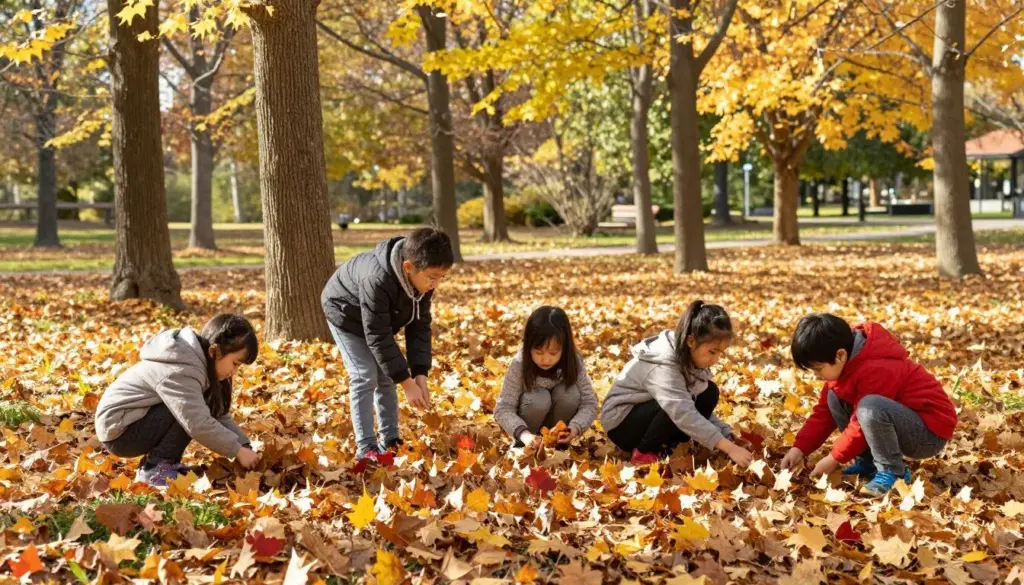
Woodland visits provide natural materials and open space for seasonal outdoor activities.
1. Autumn Leaf Hunt: The First of 15 Nature Autumn Activities for Kids
Leaf hunts prompt children to observe subtle differences in plant species and stages of decay. Creating a designated collection bag helps focus their attention on distinct colours and shapes.
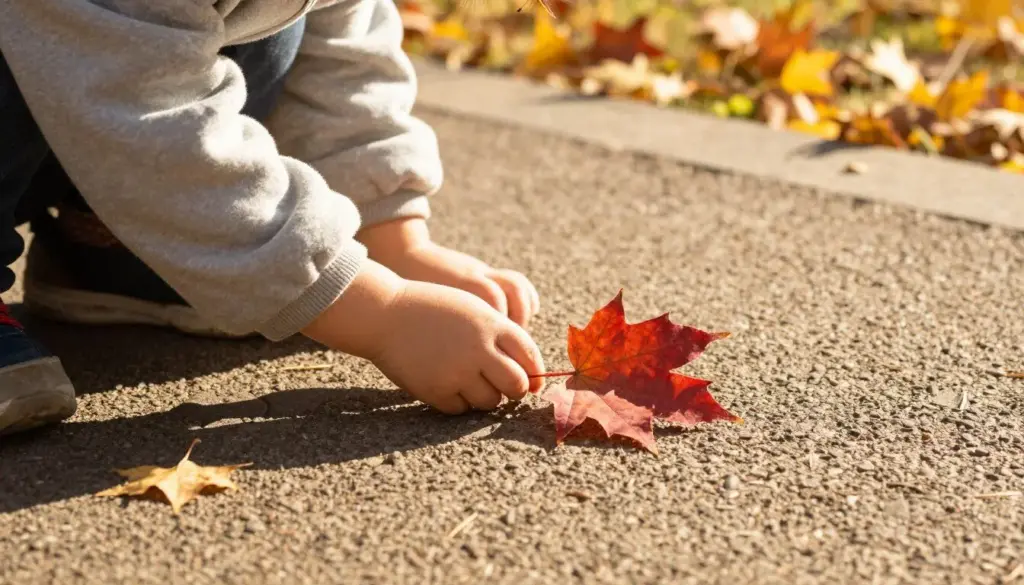
Searching for varied foliage reveals the rich palette of autumn trees.
Children can hunt for particular woodland items across a short walking loop.
- Fallen oak leaves with wavy margins
- Golden birch leaves displaying pointed tips
- Smooth, unblemished acorns resting in cups
2. Pine Cone Bird Feeders
Pine cone feeders support resident garden birds as natural food sources decline in cooler weather. Working with seed mixtures develops fine motor skills while teaching basic wildlife care.
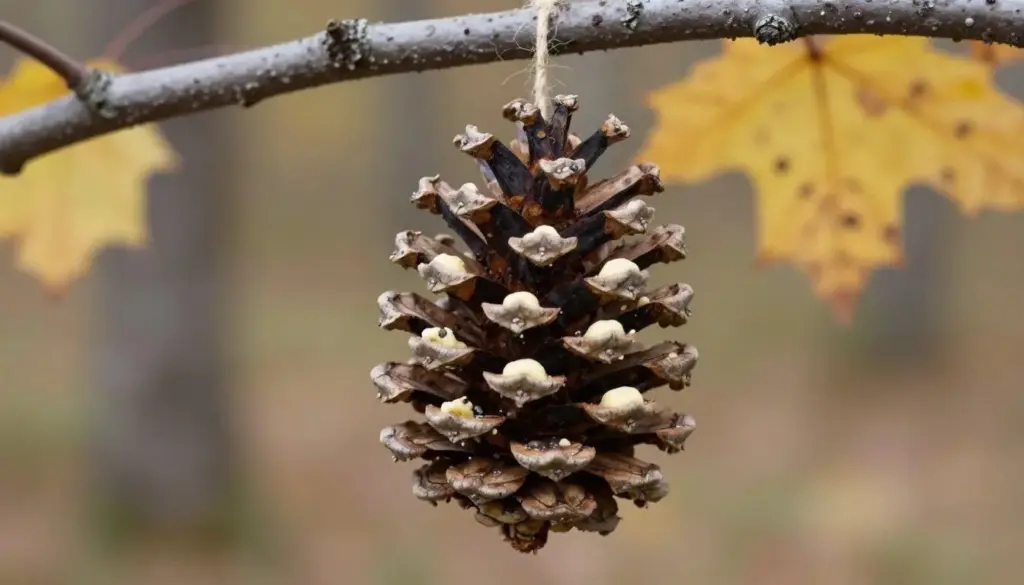
Suspended seed feeders provide nourishment for visiting garden birds.
Spread vegetable fat or seed butter across open pine cone scales before rolling them through wild bird seed. Suspend the finished feeders from sturdy garden branches away from domestic predators.
3. Tree Bark Rubbing
Bark rubbing highlights the tactile diversity of mature trees without damaging the outer trunk. Comparing rough oak with smooth beech introduces early scientific classification through artistic expression.
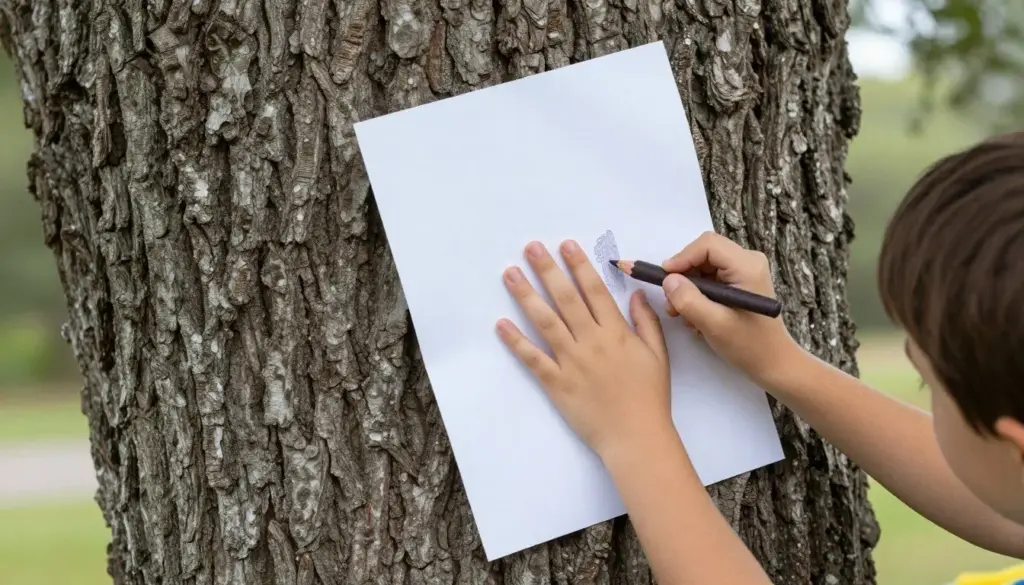
Bark rubbings capture the varied surface textures of garden and woodland trees.
Press heavy paper against the bark and rub sideways using unwrapped wax crayons to reveal structural patterns.
Broad wax blocks produce clearer surface impressions than pointed pencils on uneven tree trunks.
4. Pressed Leaf Collages
Pressing leaves preserves the vivid pigments of deciduous trees for indoor craft sessions on rainy afternoons. Selecting flat, dry specimens reduces the risk of mould forming between pages.
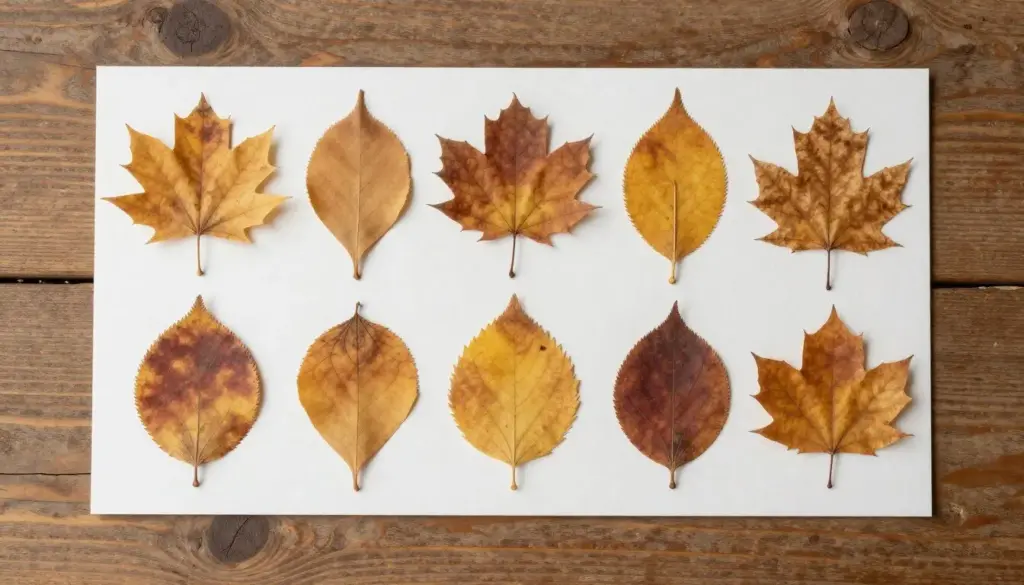
Dried botanical specimens create striking visual patterns on paper.
Gather fallen foliage for creative projects inspired by Autumn Activities for Kids to develop observational skills. Sandwich specimens between sheets of absorbent paper beneath heavy reference books until completely crisp.
5. Mud Kitchen Confections
Mud kitchens encourage imaginative outdoor play using damp soil, fallen petals, and puddle water. Mixing natural textures supports sensory exploration and cognitive development in young children.
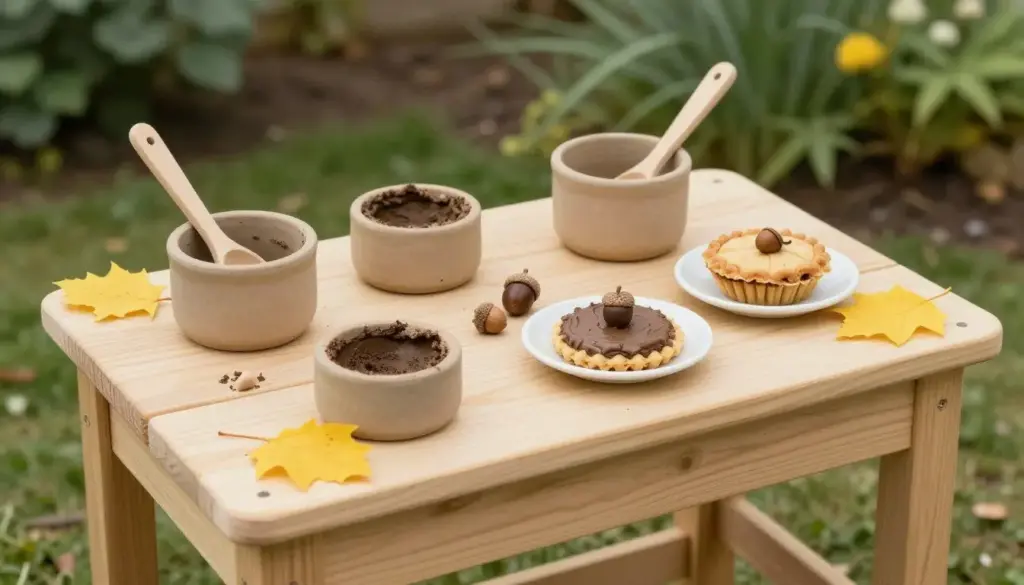
Mud kitchens transform everyday garden materials into creative role-play tools.
Structured baking steps maintain focus and encourage creative experimentation.
- Gather rich topsoil and crumbled dry leaves into a mixing vessel.
- Add water slowly to achieve a firm, moldable consistency.
- Decorate the shaped creations with spruce cones and bright berries.
6. Woodland Nature Crowns
Constructing nature crowns turns a standard park walk into a focused scavenger hunt. Children practise pattern creation by arranging collected leaves in repeating colours or symmetrical shapes.
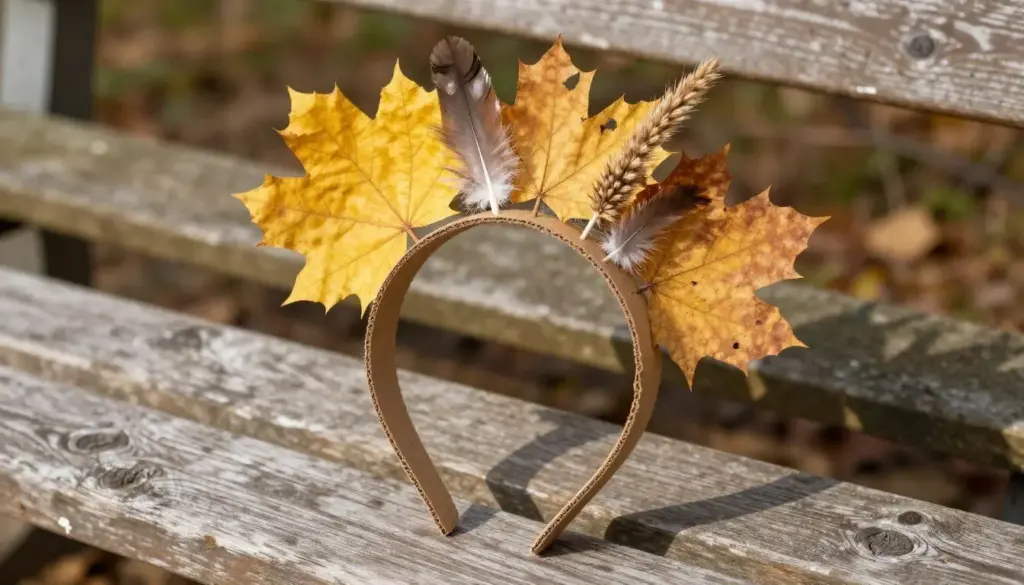
Crafting headbands with natural findings turns outdoor strolls into imaginative adventures.
Fasten a strip of flexible card around the head to measure size, applying a band of double-sided tape along the exterior. Children can press collected beech leaves, sycamore seeds, and grasses directly onto the adhesive.
7. Conker and Seed Pod Classification
Classifying autumn seeds introduces early biological concepts through tactile discovery. Sorting nuts, keys, and pods encourages young minds to observe adaptation strategies for wind and animal dispersal.
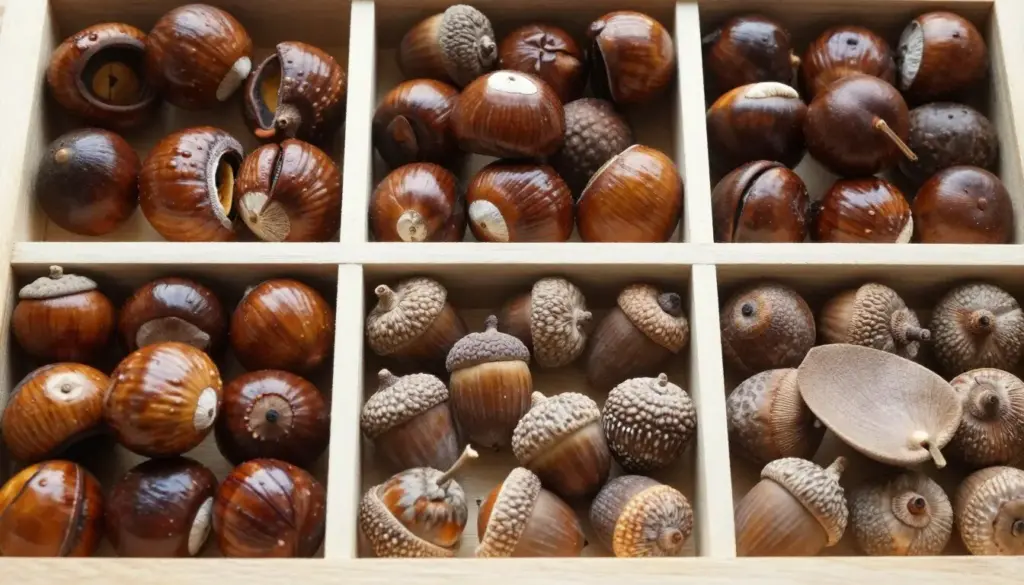
Examining seed structures reveals how native trees distribute their seeds.
| Specimen | Seed Type | Dispersal Method |
| Horse chestnut | Heavy nut | Falls directly to ground beneath branches. |
| Field maple | Winged samara | Spins through autumn breezes over distances. |
| Pedunculate oak | Capped acorn | Buried by small woodland mammals. |
Reviewing physical traits helps children identify native tree species during routine outdoor walks.
8. Bug Hotel Construction
Building small shelters helps garden insects find protective winter refuges beneath falling temperatures. Using hollow stems and loose bark mimics natural forest floor microhabitats.
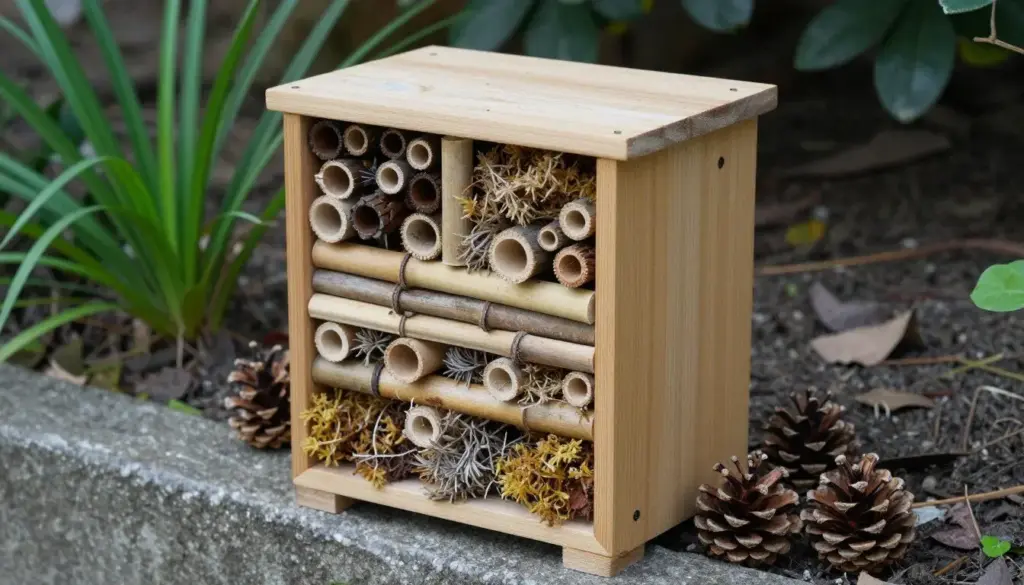
Layered natural materials provide shelter for beneficial garden invertebrates.
Bundle dried hollow reeds, elder twigs, and dry pine cones inside a wooden box or cut plastic bottle. Position the shelter in a quiet, sheltered garden nook close to shrubs.
9. Autumn Sensory Walking Trail
Sensory paths invite children to experience ground textures through direct touch and deliberate movement. Listening to crunching leaves and smelling damp soil grounds seasonal awareness in physical sensations.
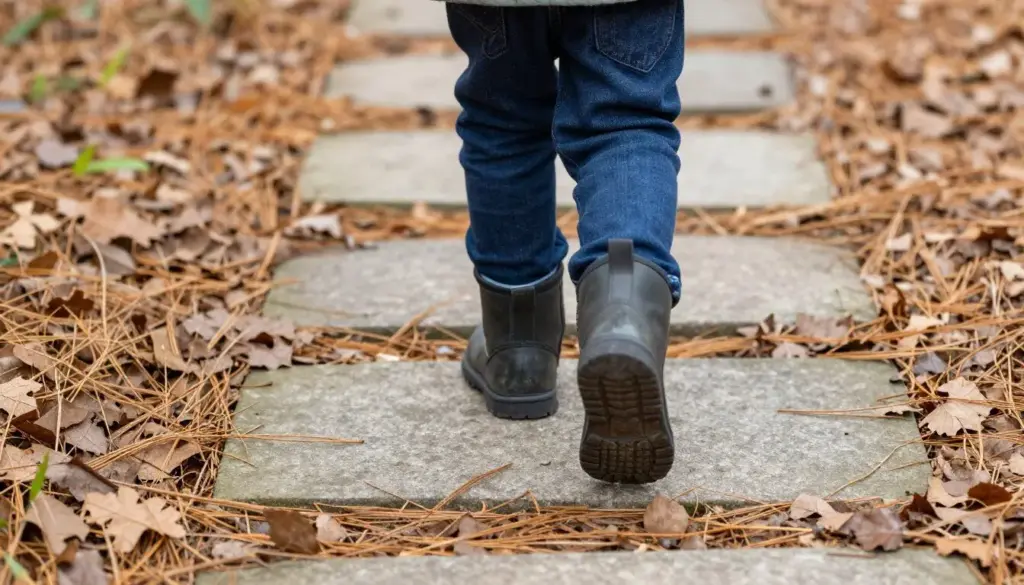
Walking through distinct ground materials sharpens balance and sensory awareness.
Construct a path using shallow trays or defined ground sections filled with distinct materials such as moss, dry leaves, and gravel.
Walking across contrasting woodland textures builds balance and tactile perception in young children.
10. Apple Bird Feeders
Fruit feeders attract thrushes, blackbirds, and starlings preparing for winter cold snaps. Repurposing bruised garden apples reduces domestic waste while assisting local biodiversity.
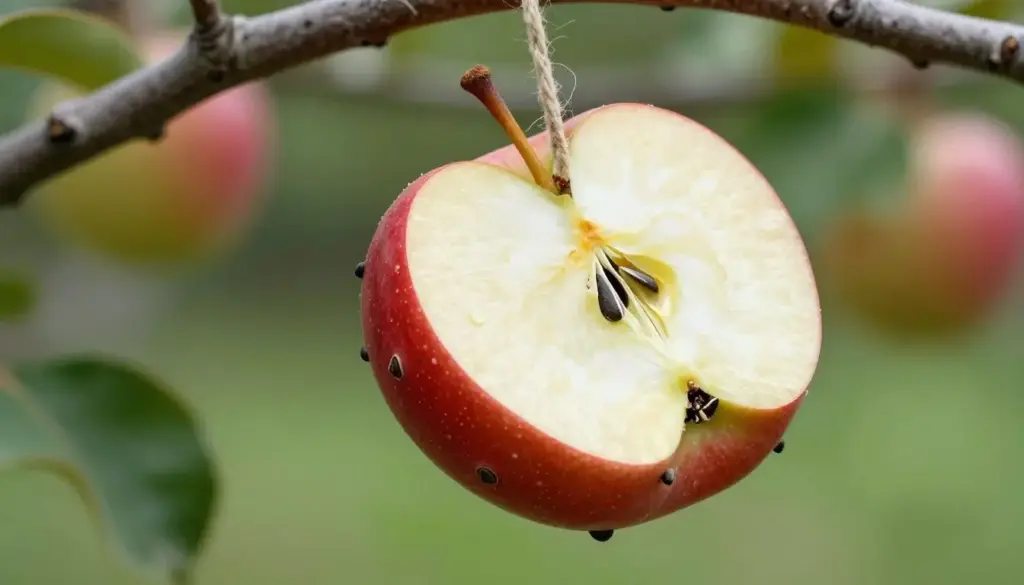
Fresh fruit feeders offer essential moisture and sugars for garden wildlife.
Thread a length of twine through the core of an apple and push sunflower seeds directly into the flesh. Hang the feeder at medium branch height where birds can feed with clear sightlines.
11. Twig Boat Building and Stream Sailing
Crafting small boats tests fundamental buoyancy principles using found timber from the forest floor. Floating the finished crafts along shallow streams promotes friendly group problem-solving.
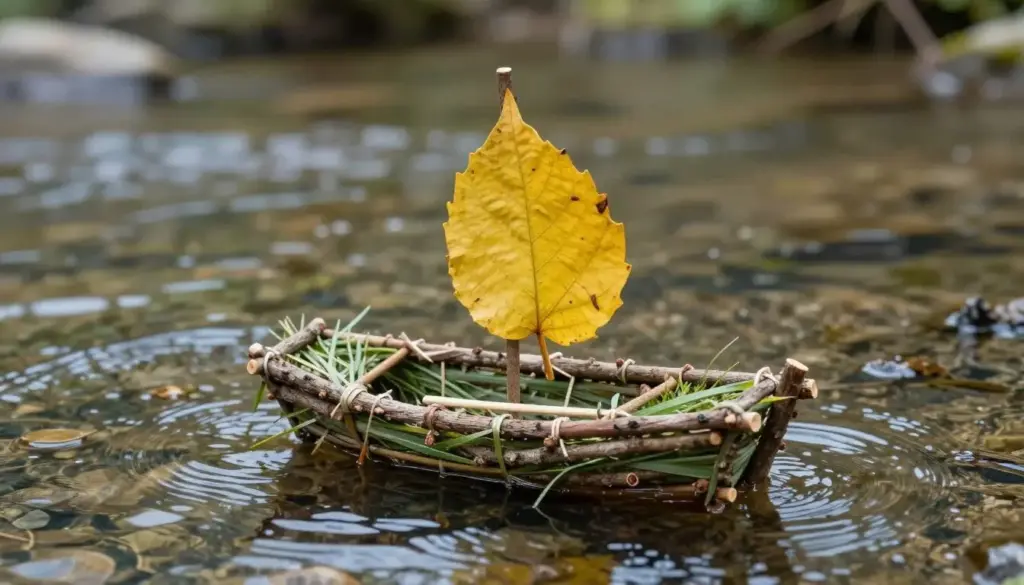
Natural rafts demonstrate principles of floatation on moving water.
Advantages
- Introduces basic physics concepts naturally
- Uses only biodegradable materials
Limitations
- Demands continuous supervision near water
- Light crafts can snag on riverbed debris
Lash several uniform twigs together with natural jute twine before inserting an upright twig with a pierced leaf sail.
12. Natural Texture Paintbrushes
Natural paintbrushes produce irregular strokes that commercial bristle brushes cannot replicate. Fastening various plant heads onto handle sticks encourages experimentation with line weight and mark making.
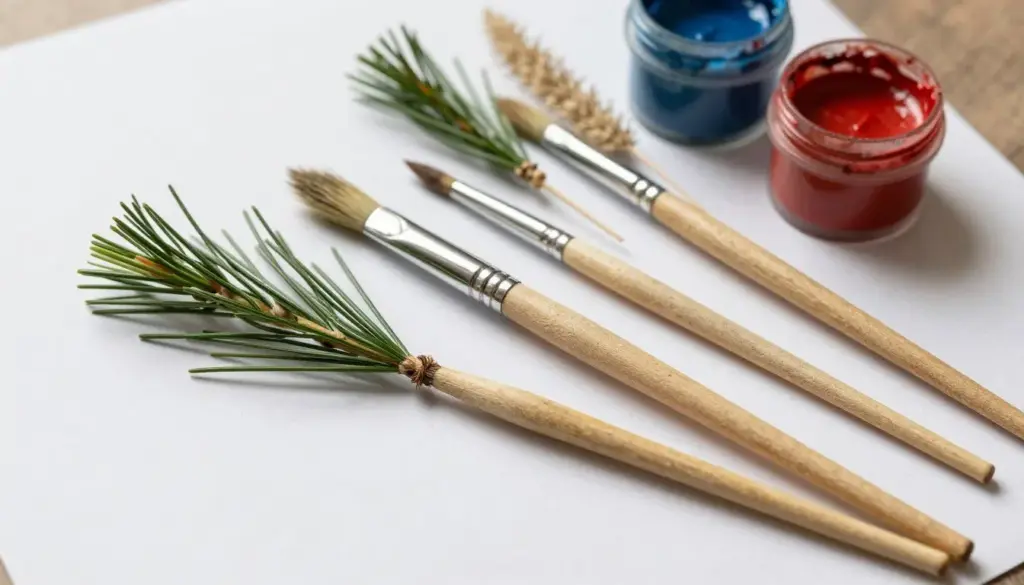
Plant-based brushes produce unique patterns and organic visual textures.
Bind bunches of pine needles, coarse grasses, or fern leaves to the tips of sturdy sticks using rubber bands. Dip the foliage tips into water-based paint to explore organic textures on rough cartridge paper.
13. Painted Garden Story Stones
Story stones provide tangible props for imaginative outdoor storytelling throughout the colder months. Smooth river stones accept simple painted motifs representing weather, animals, and plants.
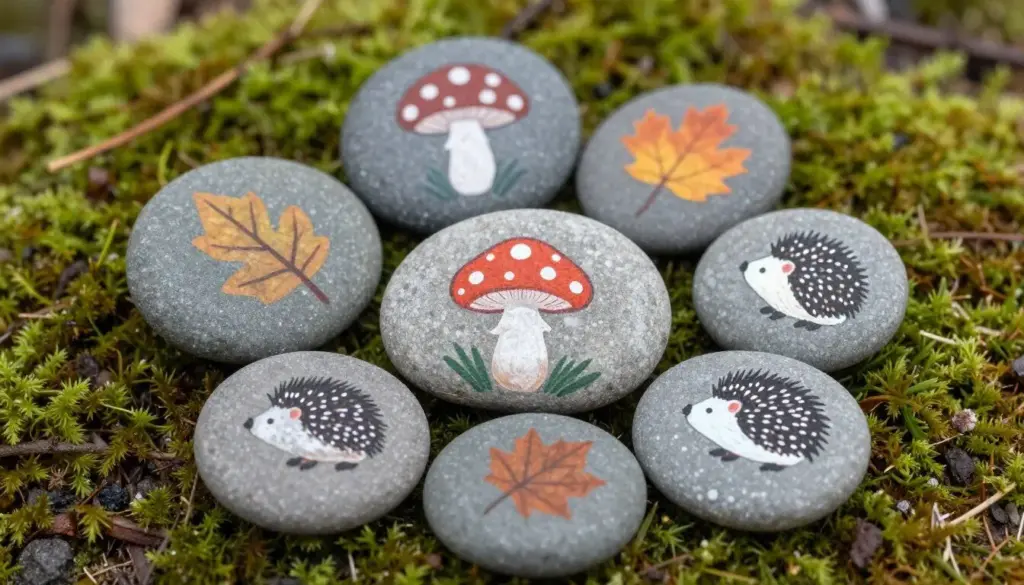
Decorated stones serve as creative storytelling prompts for children.
Simple preparations keep the painting process organised and long-lasting.
- Wash stones thoroughly in warm water to clear loose soil
- Apply water-based paints depicting single seasonal items
- Coat dry designs with child-safe sealant for outdoor placement
14. Autumn Cloud and Bird Tracking
Autumn skies display changing cloud formations and visible flocks of migrating birds heading southward. Laying on an outdoor ground mat encourages quiet reflection and macro-environmental observation.
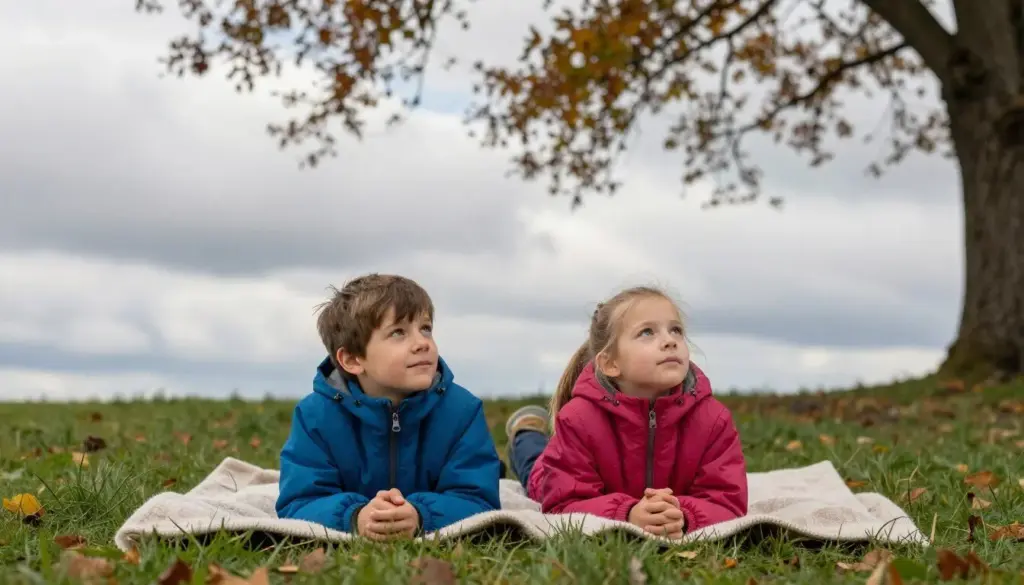
Quiet observation helps track bird migration routes and changing cloud shapes.
Provide clipboards for recording cloud types such as cumulus and cirrus alongside flying flock formations. Tracking the direction of passing birds introduces seasonal migration concepts in a relaxed setting.
15. Hedgehog Shelters with Fallen Foliage
Creating ground nests helps small mammals find insulation before entering periods of seasonal winter torpor. Piling leaves over low timber frameworks prevents the nesting chamber from collapsing under rainfall.
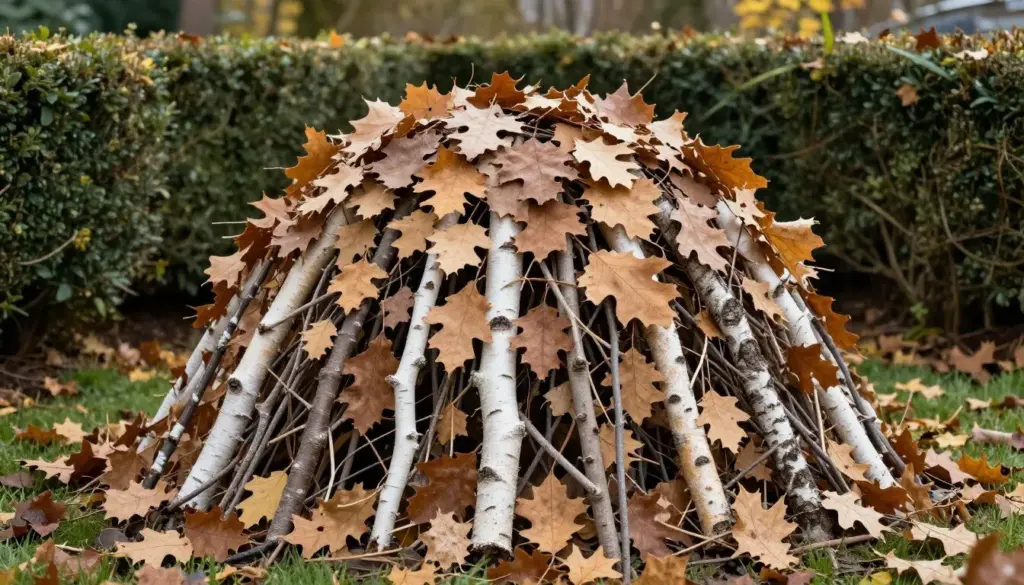
Leaf mounds offer vital insulation for hibernating hedgehogs and toads.
Lean thick branches against an undisturbed boundary wall to establish a triangular framework. Heap dry leaves and moss over the structure, leaving an unobstructed entrance tunnel at ground level.
Avoid disturbing established brush piles where small garden mammals may already be roosting.
Frequently Asked Questions
What is the most effective way to preserve autumn leaves?
Pressing leaves between sheets of absorbent paper beneath heavy books preserves flat shapes and pigmentation. Storing specimens away from direct heat prevents curling and brittleness.
At what age can children start nature-based autumn crafts?
Toddlers can explore large sensory items like pine cones and dry leaves under supervision. More complex tasks involving tying twine or cutting card suit older primary-aged children.
How can outdoor autumn activities remain safe for garden wildlife?
Gathering fallen materials without stripping live plants preserves essential animal habitats. Checking brush piles thoroughly before moving materials prevents disturbance to resting hedgehogs.
What clothing helps children stay comfortable during autumn walks?
Breathable layers combined with waterproof outer garments allow easy temperature adjustments outdoors. Sturdy waterproof footwear keeps feet warm across damp grass and muddy paths.
Fostering Lifelong Connections with Nature
Simple autumn activities turn routine garden explorations into valuable learning experiences that deepen environmental stewardship. Collecting fallen seeds, building small wildlife habitats, and crafting with natural materials keep children active throughout the changing season. Selecting a few manageable projects each week encourages lasting curiosity and healthy outdoor habits.