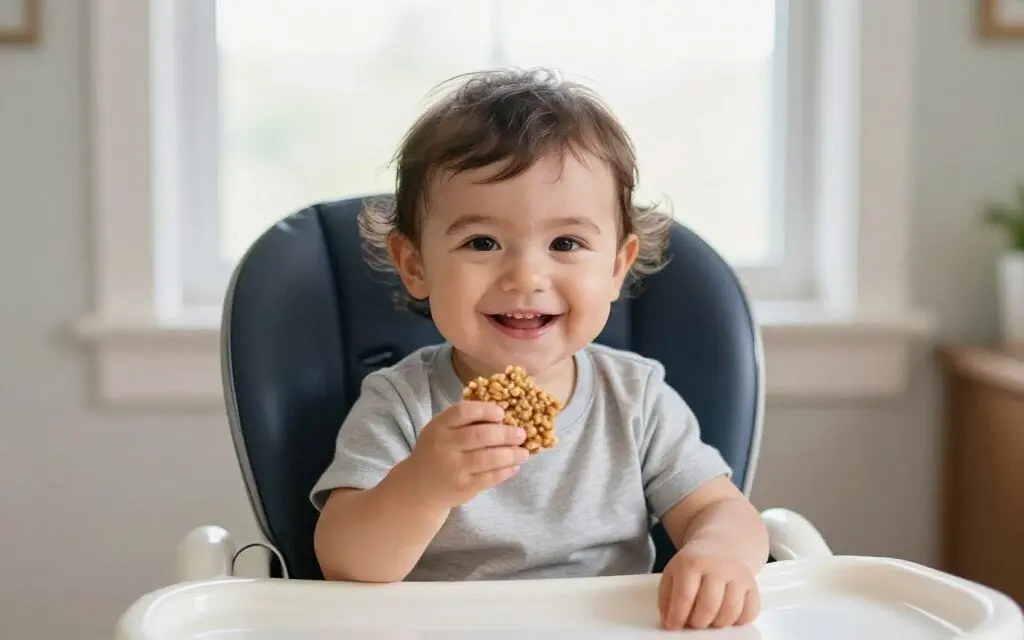
Finding snacks that toddlers actually eat can feel like solving a puzzle. You want something nutritious but also quick to make. These toddler oatmeal bars recipe options give you exactly that. They use simple ingredients you probably already have in your pantry. Better yet, they freeze beautifully for those busy mornings when time runs short.
Making homemade oatmeal bars means you control what goes into your child’s body. No mystery ingredients or excess sugar. Just wholesome oats, nut butter or seed butter, and natural sweetness from dried fruit. Your toddler gets sustained energy for playtime while you get peace of mind about nutrition.
Why This Recipe Works for Busy Parents
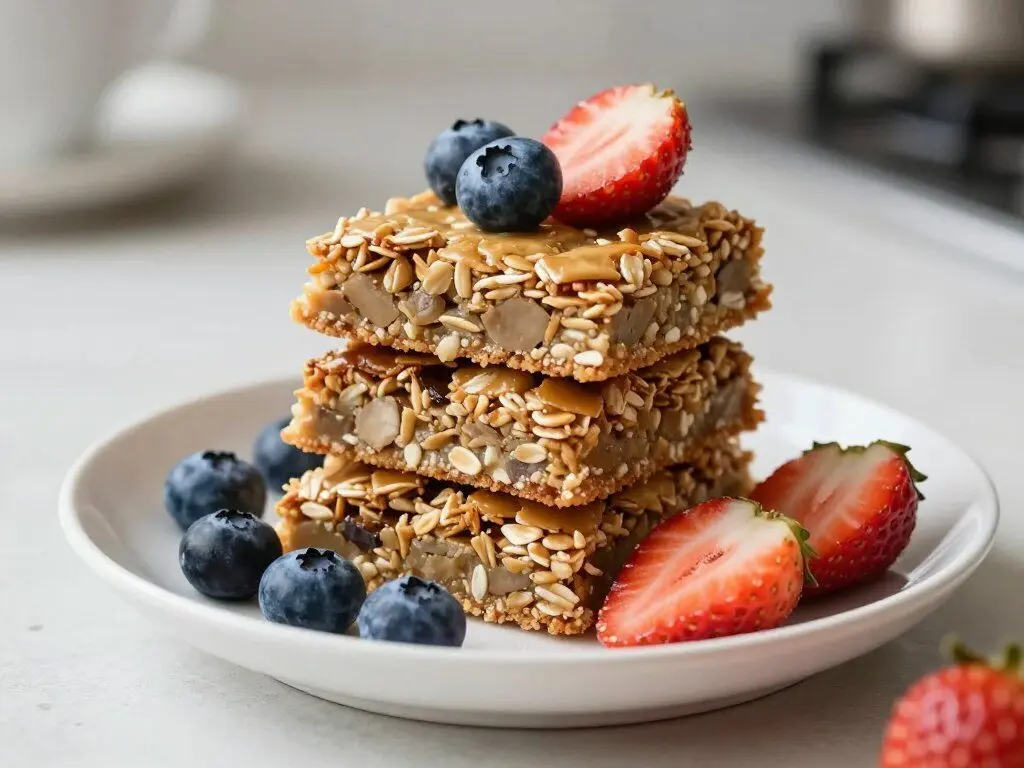
This toddler oatmeal bars recipe solves multiple problems at once. The bars hold together well in little hands without crumbling everywhere. They pack easily into lunch boxes and stay fresh at room temperature for several days. Most importantly, they require minimal prep work and just one bowl for mixing.
Perfect Texture for Toddlers
The combination of peanut butter and oats creates a chewy texture that toddlers can manage safely. The bars are soft enough to bite through easily but firm enough not to fall apart. You can adjust the consistency by pressing the mixture more firmly into the pan or adding a bit more nut butter for extra moisture.
Rolling oats provide the perfect base because they soften during baking while maintaining some texture. Quick oats work too if that’s what you have on hand. The bars become easier to chew after sitting in the fridge for an hour.
Naturally Sweetened Without Added Sugar
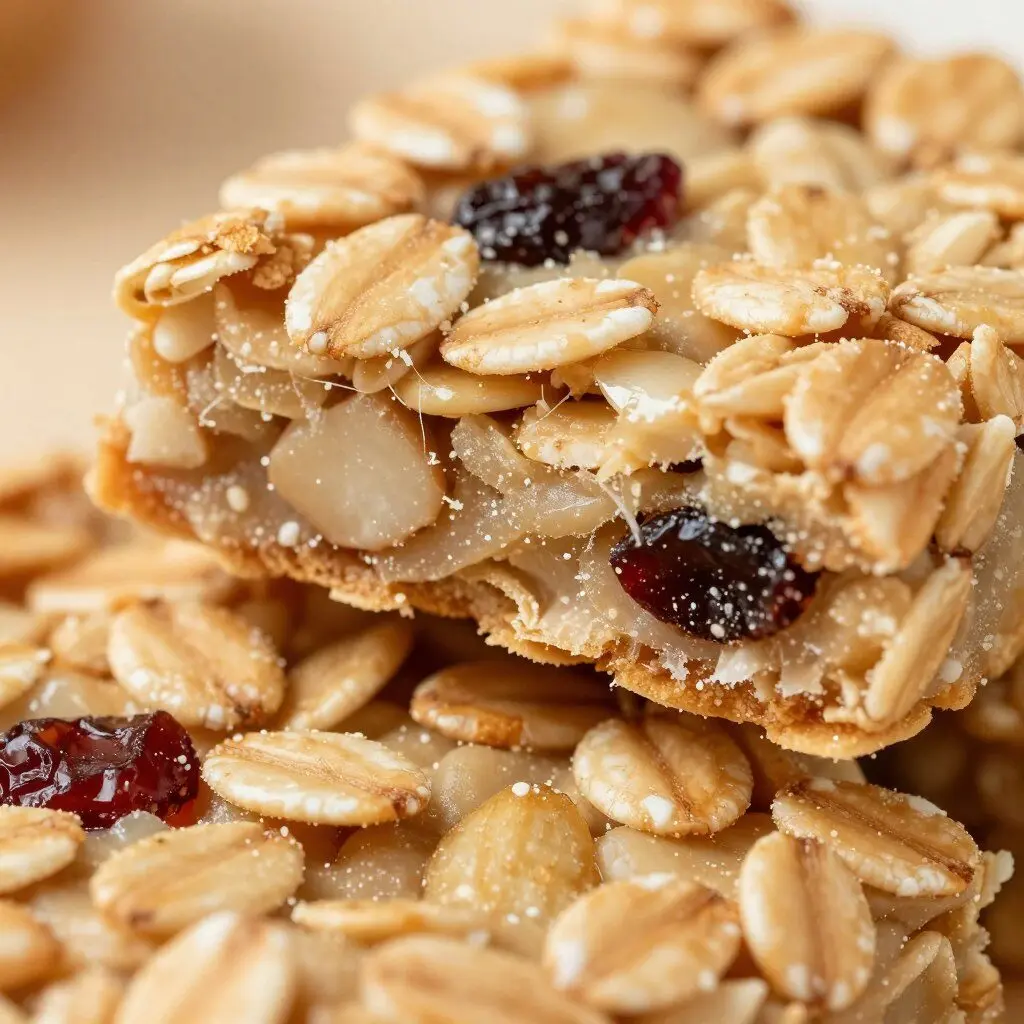
Dates and dried fruit bring natural sweetness without the need for processed sugar. Ripe bananas add moisture and flavor while keeping ingredients simple. This approach works especially well for toddlers who are still developing their taste preferences. You avoid creating a dependency on overly sweet foods while still making something they enjoy eating.
Get Your Free 7-Day Toddler Snack Guide
Discover 21 quick, nutritious snack ideas your toddler will actually eat. Includes prep tips, storage advice, and allergy-friendly alternatives.
Essential Ingredients You Need
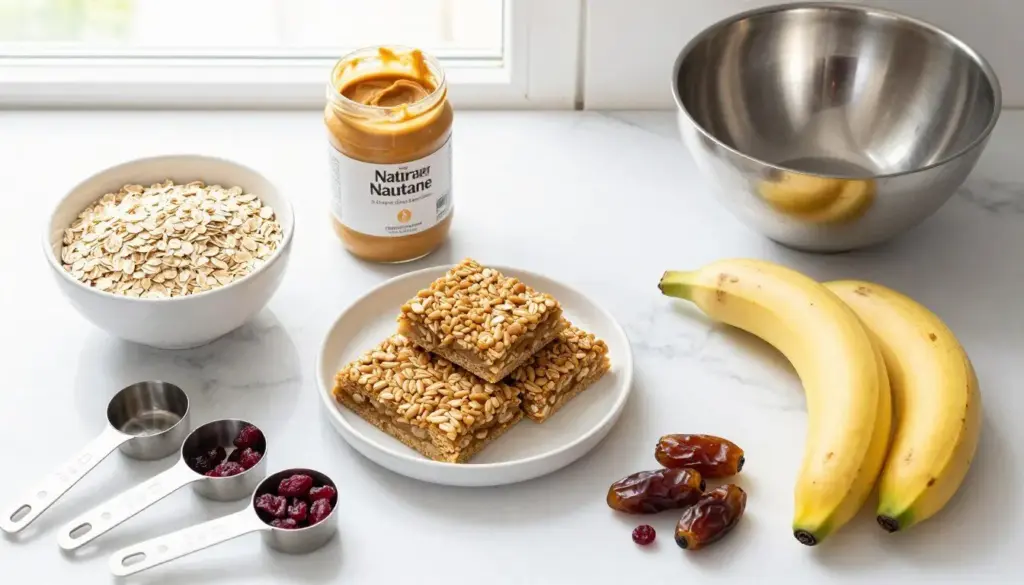
This recipe keeps things simple with ingredients most families already have. The beauty lies in how few items you need to create something nutritious. Each ingredient serves a specific purpose in creating the right texture and flavor balance.
Base Ingredients
- Rolled oats provide fiber and help bars hold together
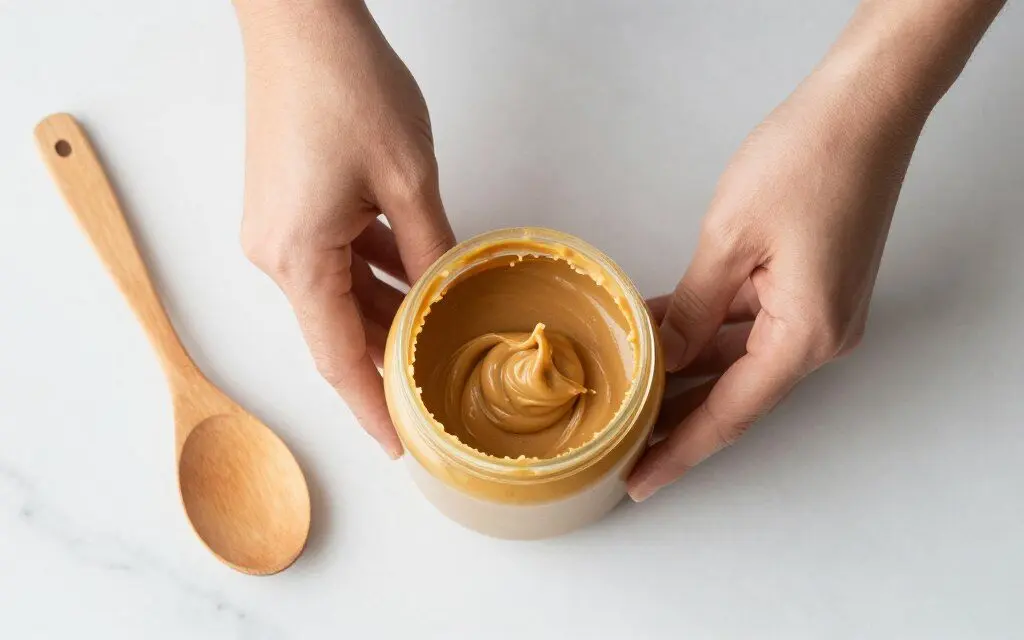
- Natural peanut butter adds protein and healthy fats
- Ripe bananas create moisture and natural sweetness
- A pinch of salt enhances all the flavors
Natural Sweeteners
- Pitted dates offer concentrated sweetness without refined sugar
- Dried cranberries add tartness and chewy texture
- Maple syrup works as an alternative to honey for babies under one year
- Dried fruit pieces provide natural energy
Optional Mix-Ins
- Mini chocolate chips for occasional treats
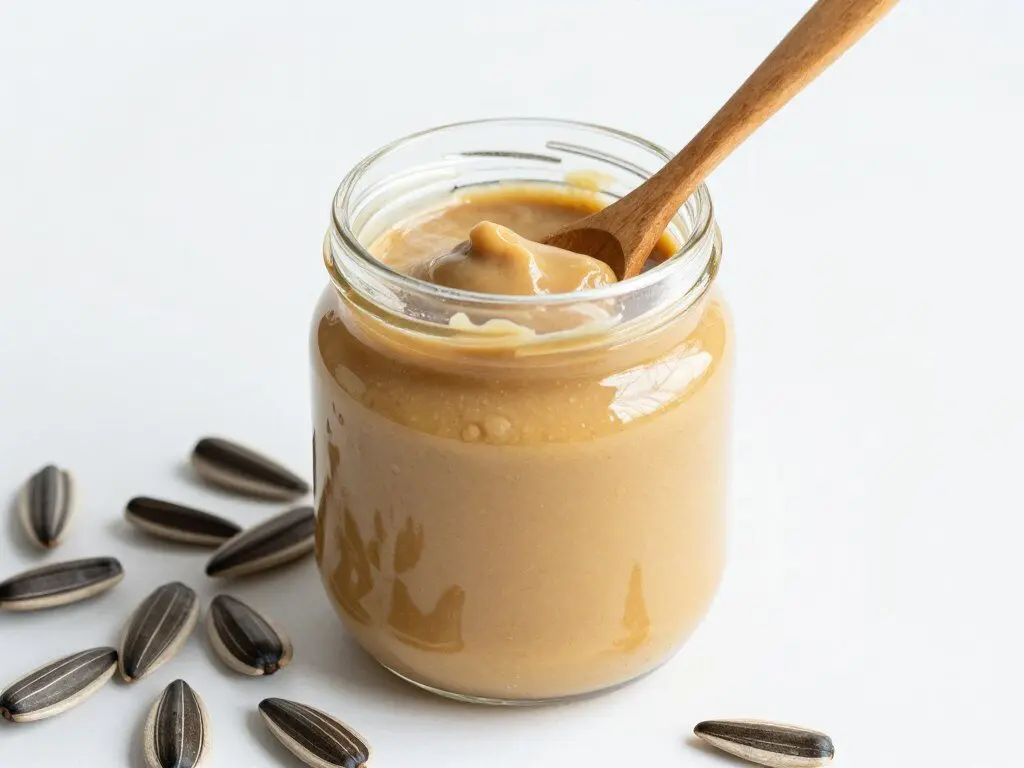
- Sunflower seed butter for nut-free versions
- Shredded coconut adds tropical flavor
- Ground cinnamon brings warmth without spice
Important Note: Always use pitted dates and check carefully for any remaining pits before adding to your mixture. Date pits present a serious choking hazard for toddlers. Take extra time to inspect each date thoroughly.
Allergy-Friendly Substitutions
Making these bars work for different dietary needs requires simple swaps. Many families deal with food allergies or sensitivities. This recipe adapts easily to accommodate various restrictions without sacrificing taste or texture.
Nut-Free Options
Schools often require nut-free snacks. These modifications make the bars safe for classrooms while keeping the protein content high.
- Replace peanut butter with sunflower seed butter using equal amounts
- Try tahini for a different flavor profile
- Soy nut butter works well if soy allergies aren’t a concern
- Add extra oats if the mixture seems too wet
Gluten-Free Versions
Oats are naturally gluten-free but often get contaminated during processing. Look for certified options if gluten sensitivity is an issue.
- Purchase certified gluten-free rolled oats
- Check all dried fruit packaging for cross-contamination warnings
- Verify that your nut butter or seed butter facility is gluten-free
- Store bars separately from gluten-containing foods
Dairy-Free Recipe
This recipe naturally contains no dairy products. However, some optional ingredients might include milk derivatives.
- Choose dairy-free chocolate chips if adding them
- Read labels on all packaged ingredients carefully
- Most natural nut butters contain only nuts and salt
- Dried fruits are typically dairy-free by nature
Low-Sugar Adjustments
Reducing sweetness helps develop better taste preferences in young children while still creating appealing snacks.
- Cut dates in half and increase banana for moisture
- Use unsweetened dried fruit when possible
- Skip chocolate chips or use very small amounts
- Let natural fruit flavors shine through
Complete Toddler Oatmeal Bars Recipe
Ingredients
Main Components
- 3 medium ripe bananas with brown spots
- 2 and 1/4 cups rolled oats (old-fashioned or quick)
- 1/2 cup natural peanut butter (or seed butter)
- 1/2 cup dried cranberries
- 1/2 cup pitted dates, chopped small
Optional Additions
- 1/4 cup mini chocolate chips
- 1 teaspoon vanilla extract
- 1/4 teaspoon cinnamon
- 2 tablespoons hemp hearts
Step-by-Step Instructions
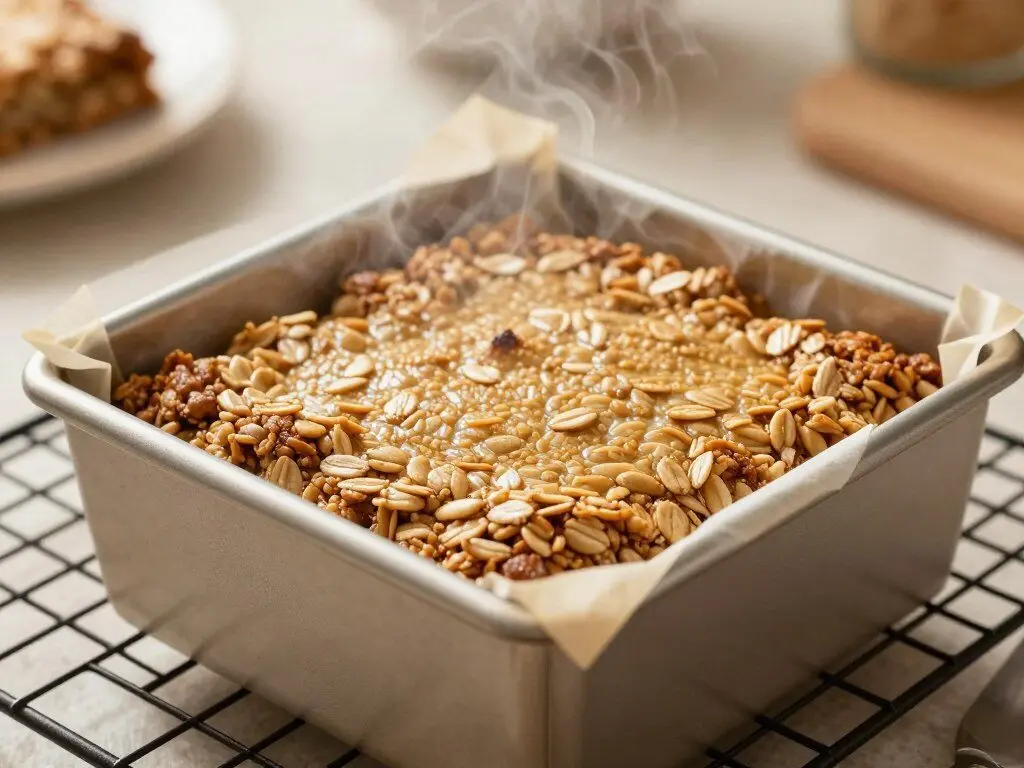
- Line a 9-inch by 9-inch baking pan with parchment paper, leaving overhang on two sides for easy removal. Set the pan aside on your counter.
- Place bananas in a large mixing bowl. Use a fork to mash them thoroughly until mostly smooth with just a few small lumps remaining.
- Add peanut butter to the mashed bananas. Stir vigorously with a spoon or whisk until the mixture becomes smooth and well combined.
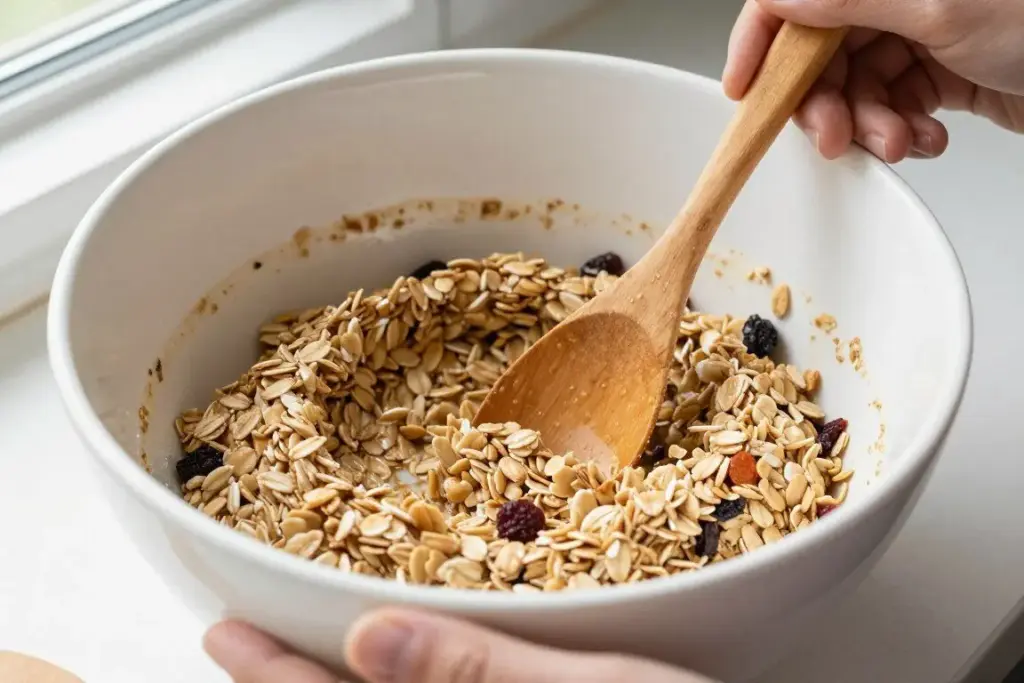
- Pour rolled oats into the bowl with the banana and peanut butter mixture. Stir everything together until the oats are completely coated.
- Add cranberries and chopped dates to the bowl. Make absolutely certain no date pits remain. Mix all ingredients thoroughly.
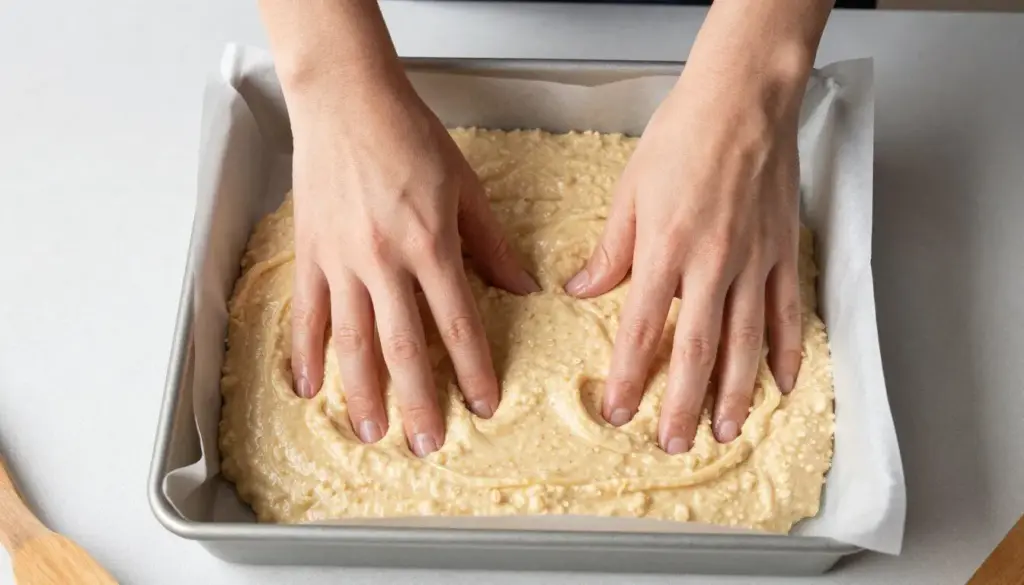
- Transfer the mixture into your prepared baking pan. Use a spatula or the back of a spoon to press down very firmly, creating an even layer.
- If using chocolate chips, sprinkle them across the top surface now. Press gently so they stick to the mixture.
- Place the pan in an oven preheated to 350 degrees Fahrenheit. Bake for 22 to 25 minutes until edges turn golden brown.
- Remove the pan from the oven carefully. Let it cool in the pan for 10 minutes, then transfer to the fridge for at least 20 more minutes.
- Lift the cooled mixture out using the parchment paper overhang. Cut into 16 squares or 12 rectangles using a sharp knife.
Prep Time: 10 minutes | Cook Time: 23 minutes | Cooling Time: 30 minutes | Total Time: 1 hour 3 minutes | Servings: 16 bars
Storage and Make-Ahead Tips
Proper storage keeps these bars fresh and ready whenever your toddler needs a snack. Planning ahead saves time during hectic weekday mornings. These bars actually taste better after sitting for a day as flavors meld together.
Room Temperature Storage
These bars stay fresh at room temperature for up to three days. Place them in an airtight container with parchment paper between layers. Keep the container away from direct sunlight and heat sources. This method works best if you plan to eat them quickly.
Refrigerator Storage
The fridge extends freshness up to one week. Store bars in an airtight container to prevent them from drying out. Let them sit at room temperature for a few minutes before serving if you prefer a softer texture. Cold bars work great for teething toddlers who enjoy the firmer consistency.
Freezer Storage
Freezing these bars gives you a three-month supply of ready-to-go snacks. Wrap individual bars in plastic wrap, then place them all in a freezer bag. Remove as much air as possible before sealing. Take out bars the night before and let them thaw in the fridge. You can also thaw them at room temperature for about 30 minutes.
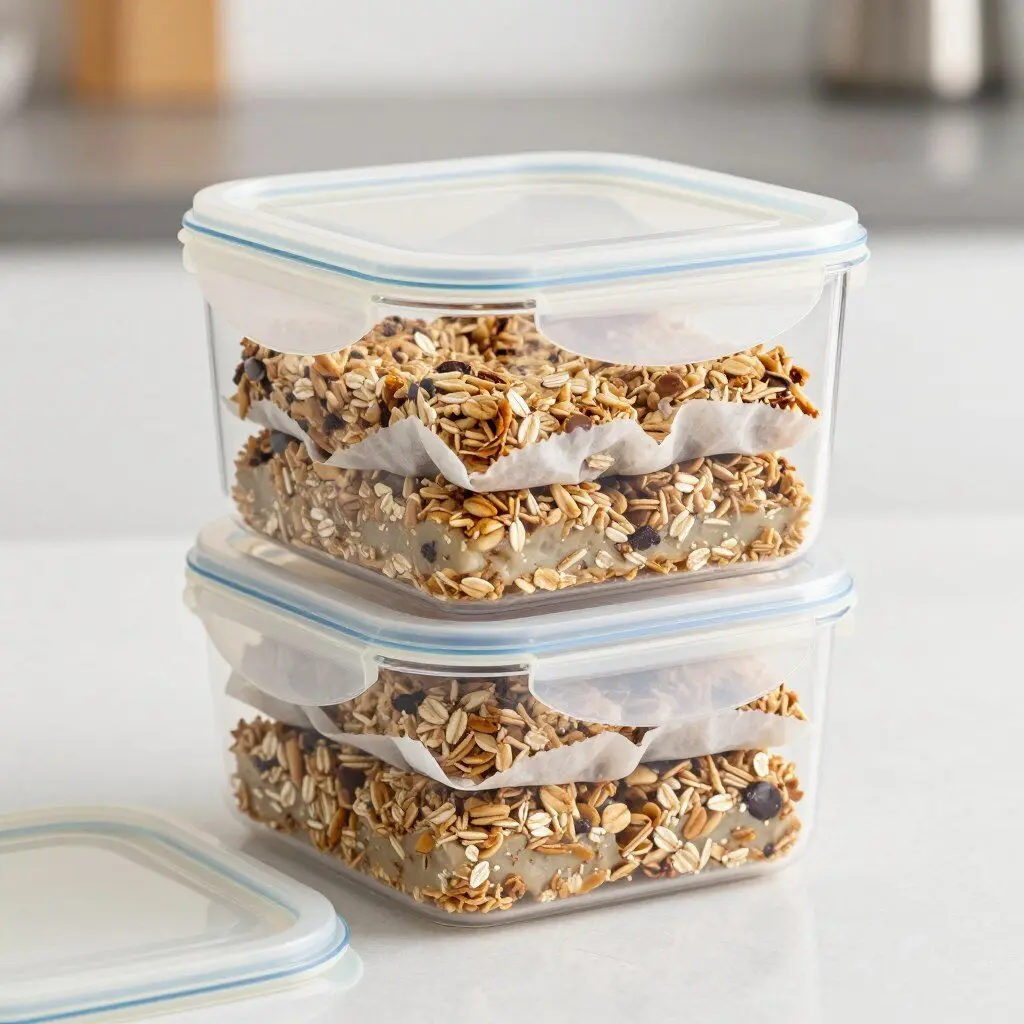
Food Safety Note: Never leave these bars sitting out for extended periods, especially in warm weather. Discard any bars that smell off or show signs of mold. When packing for outings, use an insulated lunch box with ice packs to maintain freshness.
Creative Flavor Variations
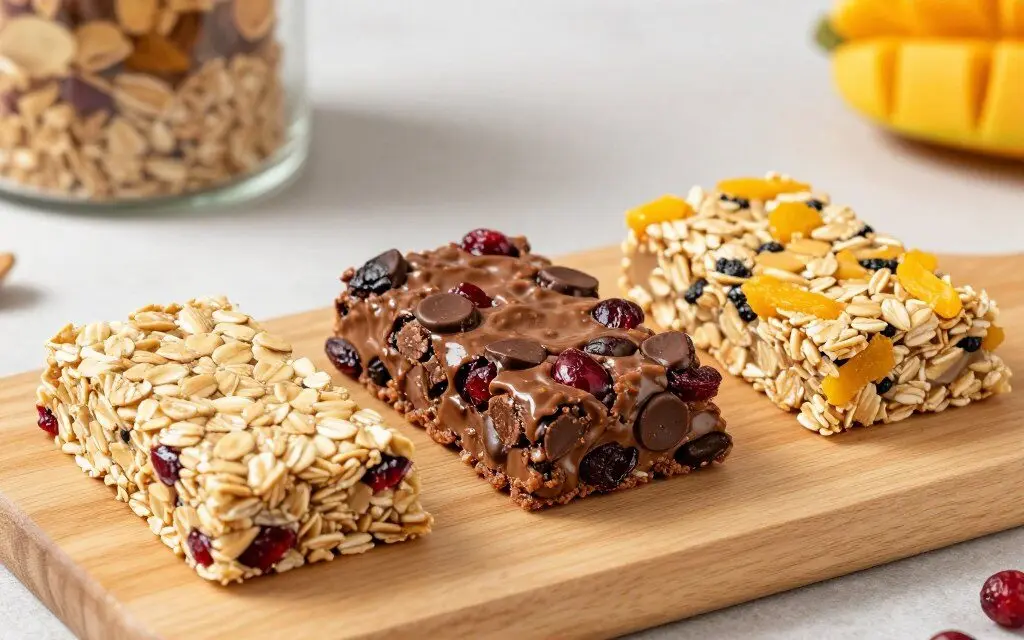
Once you master the basic recipe, experimenting with flavors keeps snack time interesting. Your toddler might prefer certain combinations over others. Try one variation at a time so you can identify which ingredients they enjoy most.
Apple Cinnamon
- Replace cranberries with dried apple pieces
- Add one teaspoon of ground cinnamon
- Mix in two tablespoons of unsweetened applesauce
- Top with a light sprinkle of cinnamon before baking
Tropical Twist
- Use dried mango instead of cranberries
- Add shredded unsweetened coconut
- Include a few drops of vanilla extract
- Sprinkle coconut flakes on top
Berry Blast
- Combine dried blueberries and strawberries
- Add freeze-dried raspberries crushed into powder
- Include a handful of fresh blueberries
- Skip the chocolate chips
Getting Your Toddler Involved
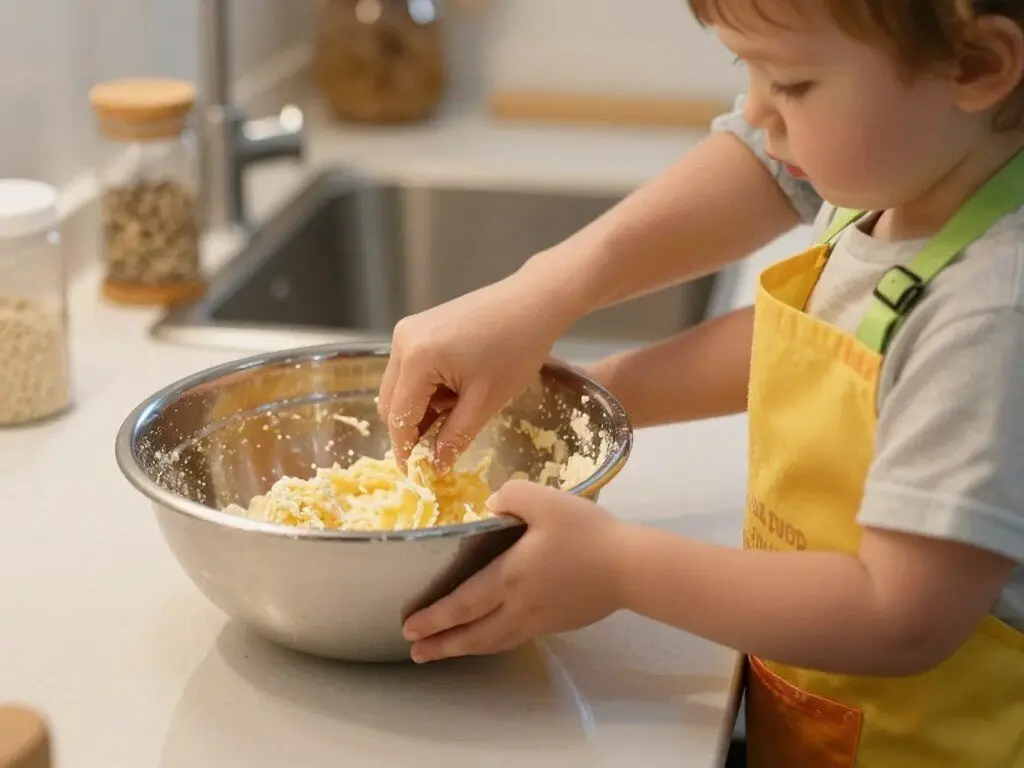
Cooking together creates special memories while teaching valuable skills. Even young toddlers can participate in safe, age-appropriate tasks. This involvement often increases their willingness to try new foods they helped prepare.
Safe Tasks for Little Helpers
- Mashing bananas with a fork builds hand strength and coordination
- Pouring pre-measured oats into the bowl teaches following directions
- Stirring ingredients together develops motor skills
- Pressing the mixture into the pan provides sensory experience
- Counting ingredients reinforces early math concepts
- Smelling different ingredients engages multiple senses
Making it Educational
Turn baking time into a learning opportunity. Talk about textures as you touch different ingredients. Count the number of dates or cranberries you add. Describe colors and shapes of various components. Ask your toddler to predict what will happen when you mix ingredients together. These simple conversations build vocabulary and cognitive skills.
Nutritional Benefits for Growing Toddlers
Understanding what makes these bars nutritious helps you feel confident about serving them regularly. Each ingredient contributes specific nutrients that support your toddler’s growth and development. The combination creates a balanced snack that provides sustained energy.
| Ingredient | Key Nutrients | Benefits for Toddlers |
| Rolled Oats | Fiber, Iron, B Vitamins | Supports digestive health and provides lasting energy |
| Peanut Butter | Protein, Healthy Fats, Vitamin E | Builds strong muscles and supports brain development |
| Bananas | Potassium, Vitamin C, Fiber | Promotes heart health and aids digestion |
| Dates | Natural Sugars, Potassium, Magnesium | Provides quick energy and supports bone health |
| Dried Cranberries | Antioxidants, Vitamin C | Supports immune system function |
One bar typically provides around 110 to 120 calories, making it an appropriate snack portion for toddlers. The protein from nut butter or seed butter helps keep them satisfied between meals. Whole grain oats provide complex carbohydrates that release energy slowly rather than causing sugar spikes.
Common Questions and Solutions
Why do my bars fall apart when I cut them?
This usually happens when the mixture isn’t pressed firmly enough into the pan. Try pressing much harder with your spatula or the back of a measuring cup. Also make sure your bars have fully cooled in the fridge before cutting. If your mixture seems too dry, add another tablespoon of peanut butter or a mashed banana.
Can I make these bars without baking?
Yes, you can create a no-bake version. Heat your nut butter and a small amount of maple syrup or honey in the microwave for 30 seconds. Mix with oats and other ingredients, then press firmly into the pan. Refrigerate for at least one hour until firm. The texture will be slightly different but still delicious.
My toddler has trouble chewing the dried fruit pieces
Chop your dates and cranberries into very small pieces before mixing them in. You can also soak dried fruit in warm water for 10 minutes to soften it, then drain well before adding. Another option is replacing dried fruit with mashed banana or unsweetened applesauce for moisture and sweetness.
Can I use instant oats instead of rolled oats?
Instant oats work but create a softer, less chewy texture. If using instant oats, reduce the amount slightly to two cups instead of two and one-quarter cups. The bars may also need less time in the fridge to set properly. Quick oats fall somewhere between rolled and instant in terms of texture.
How do I know if my bananas are ripe enough?
Look for bananas with yellow peels covered in brown spots. The more brown spots, the sweeter and softer the banana. Avoid bananas that are completely brown or black unless you plan to use them immediately. Under-ripe bananas with green on the peel won’t mash smoothly and won’t add enough sweetness.
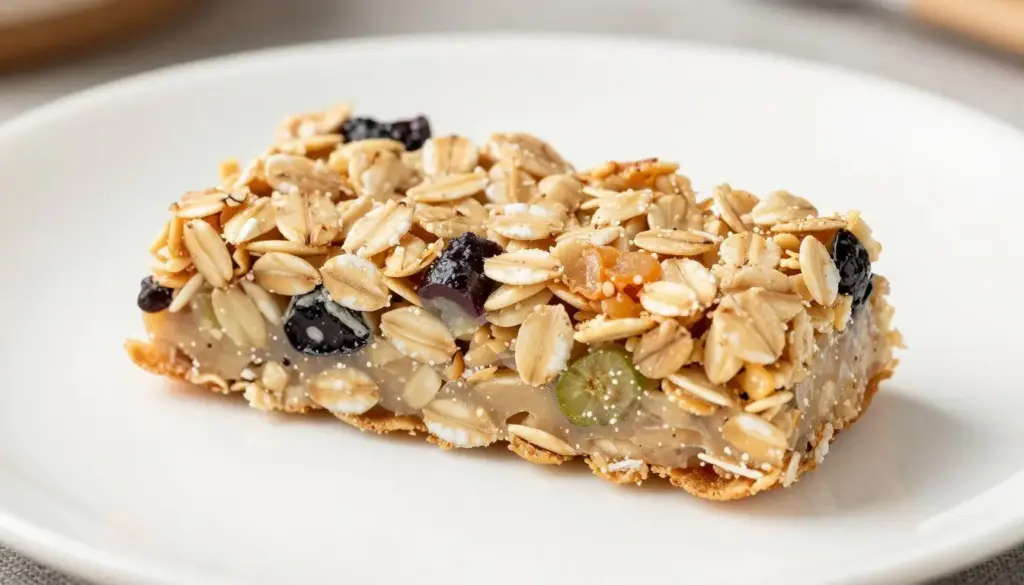
Smart Serving Ideas
These versatile bars work for multiple meal occasions throughout the day. Pairing them with other foods creates balanced nutrition that keeps your toddler satisfied longer. Consider the rest of your child’s daily intake when planning how to serve these bars.
Breakfast Options
- Serve one bar alongside scrambled eggs for protein balance
- Pair with a small bowl of yogurt and fresh berries
- Offer with a glass of whole milk for added calcium
- Cut into small pieces and add to oatmeal for extra texture
Snack Time Pairings
- Pack with cheese cubes for protein and calcium
- Serve alongside sliced apples or pear wedges
- Pair with hummus and veggie sticks for variety
- Offer with a small smoothie for hydration
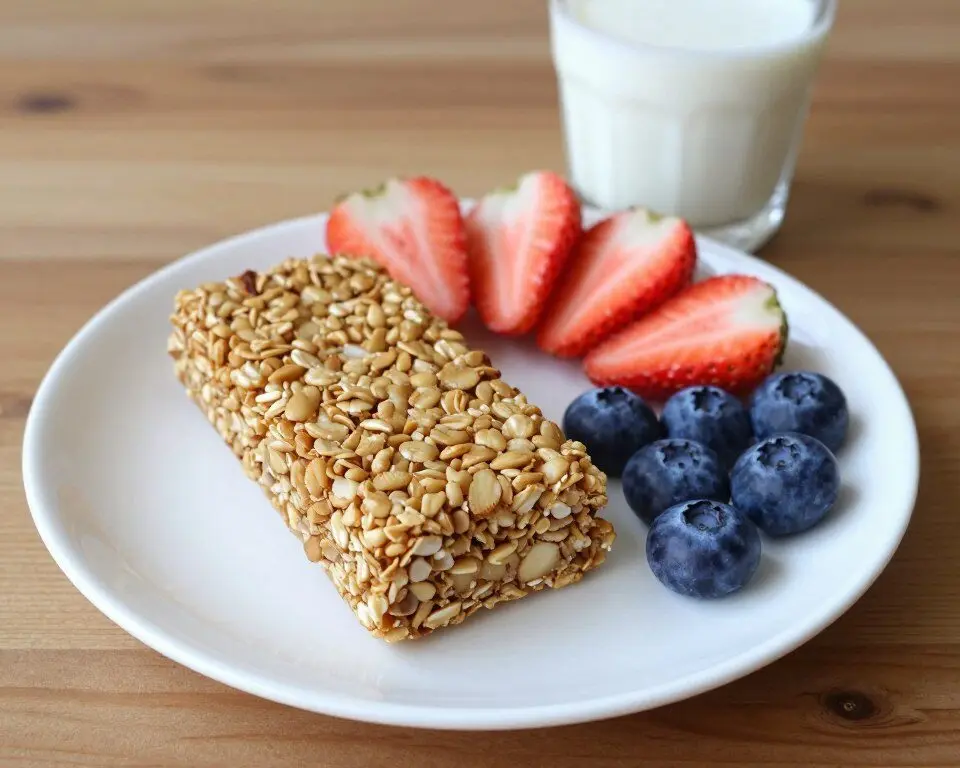
On-the-Go Solutions
These bars travel exceptionally well for outings and errands. Wrap individual bars in parchment paper or small reusable bags. Keep them in an insulated lunch box if you’ll be out for more than an hour. They make perfect car snacks because they don’t create much mess. Pack wet wipes for easy cleanup after eating.
Making Snack Time Simple and Nutritious
This toddler oatmeal bars recipe gives you a reliable solution for healthy snacking. The simple ingredient list means you can whip up a batch anytime without a special shopping trip. Your freezer becomes a treasure chest of ready-to-eat snacks that actually nourish your growing child.
Start with the basic recipe until you get comfortable with the process. Then branch out into different flavor combinations based on what your toddler enjoys most. Remember that getting kids involved in preparation often increases their excitement about eating what they helped create. These bars prove that healthy snacking doesn’t need to be complicated or time-consuming.