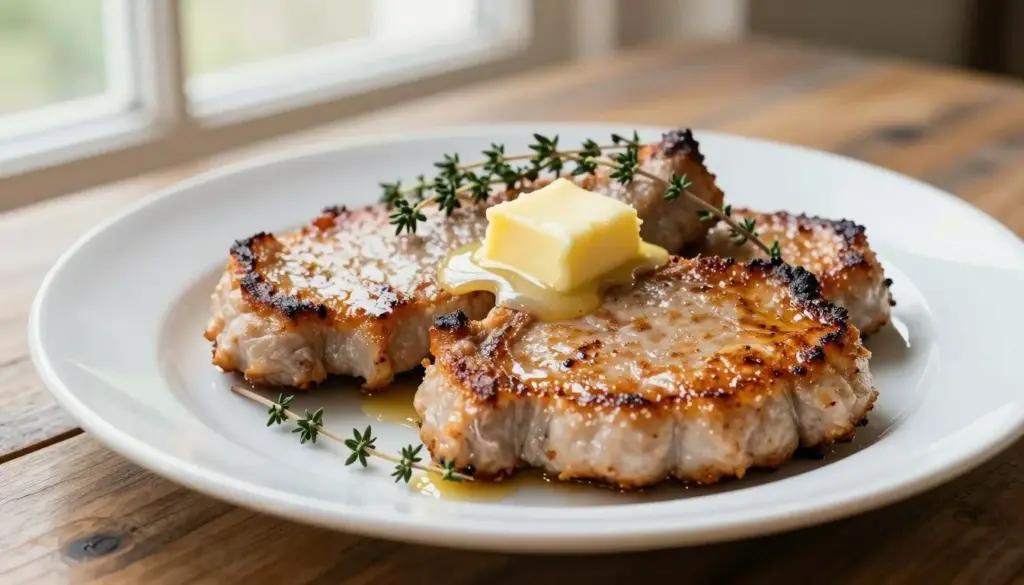
Dry, tough pork chops are a thing of the past. Whether you have struggled with overcooked meat or simply want to expand your dinner repertoire, mastering pork chop recipes opens up a world of delicious, protein-packed meals your whole family will love. This comprehensive guide walks you through everything you need to know to cook pork chops that turn out juicy and flavorful every single time.
From skillet methods to oven-baked perfection, you will discover multiple cooking techniques that work with both boneless pork chops and bone-in varieties. The key lies in understanding proper temperatures, cooking times, and a few simple tricks that professional chefs use to guarantee tender results. Ready to transform your weeknight dinners?
Choosing the Right Pork Chops for Your Recipe
Success starts at the grocery store. Not all pork chops are created equal, and selecting the right cut makes a significant difference in your final results. Understanding the various types of pork chops available helps you pick the perfect option for your cooking method and desired outcome.
Bone-In vs. Boneless Pork Chops
Bone-in pork chops typically deliver more flavor and stay juicier during cooking. The bone acts as a heat conductor, helping the meat cook more evenly while adding richness to the overall taste. These chops work exceptionally well for grilling and pan-searing methods where you want maximum flavor development.
Boneless pork chops cook faster and offer convenience for quick weeknight meals. They are easier to eat and work well in recipes where you plan to slice the meat before serving. While they can dry out more quickly than bone-in varieties, proper cooking techniques keep them tender and delicious.
Thickness Matters for Juicy Results
Aim for pork chops that are at least one inch thick. Thicker cuts give you more control over the cooking process and reduce the risk of overcooking. Thin chops cook so quickly that they often become dry before you achieve a nice golden-brown exterior.
When shopping, look for chops between one and one-and-a-half inches thick. This thickness allows you to develop a beautiful crust on the outside while keeping the interior moist and tender. If your store only has thin chops, adjust your cooking time accordingly and consider using a meat thermometer to avoid overcooking.
Center-Cut Chops
These versatile chops come from the center of the loin. They offer a good balance of lean meat and fat, making them ideal for most pork chop recipes. Center-cut chops work beautifully whether you pan-fry, bake, or grill them.
Rib Chops
Cut from the rib section, these chops contain more fat and connective tissue. This extra fat keeps them incredibly juicy and flavorful. Rib chops are perfect for high-heat cooking methods like grilling or broiling.
Understanding Pork Quality and Labels
Look for pork with a pinkish-red color and some marbling throughout the meat. Avoid chops that appear pale or have excessive liquid in the package. The meat should feel firm to the touch, not mushy or slimy.
Many packages include labels like “enhanced” or “self-basting,” which means the pork has been injected with a salt solution. While these can be convenient, they may taste saltier than natural pork. If you prefer to control your seasoning, choose natural pork without added solutions.
Essential Preparation Steps for Perfect Pork Chops
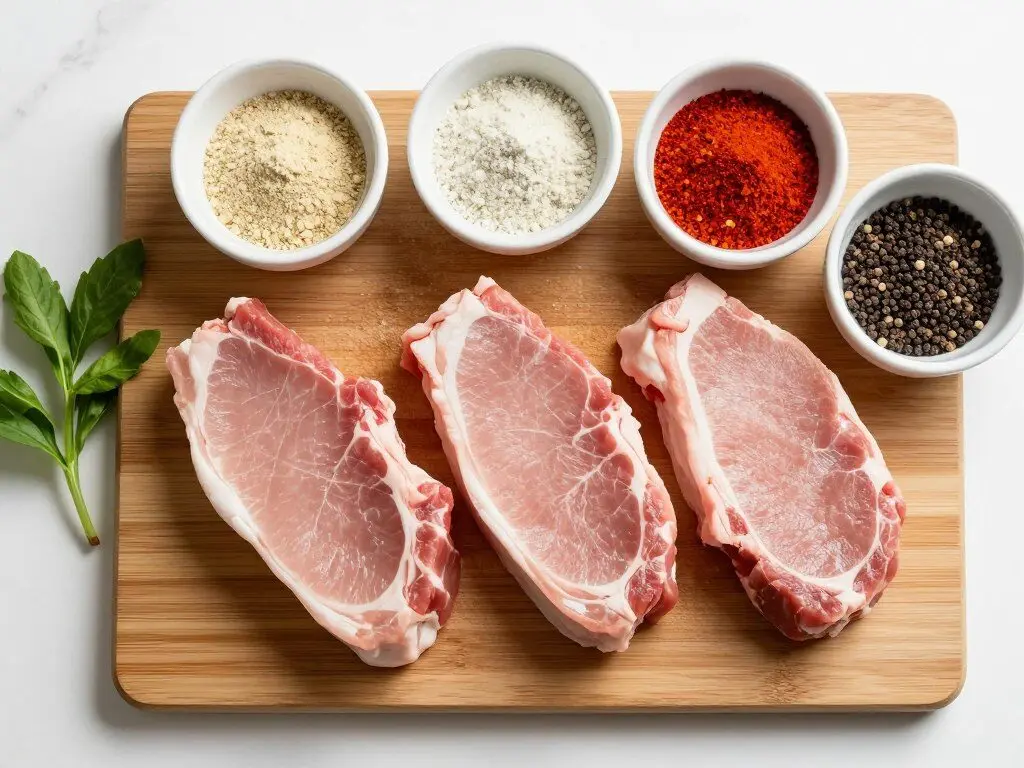
Proper preparation sets the foundation for delicious pork chops. These simple steps take just a few minutes but make a dramatic difference in texture and flavor. Follow these techniques before you start cooking, and you will notice the improvement immediately.
Bringing Pork to Room Temperature
Remove your pork chops from the refrigerator about thirty minutes before cooking. Cold meat straight from the fridge cooks unevenly, with the outside overcooking before the center reaches the proper temperature. Allowing the meat to rest at room temperature ensures more consistent cooking throughout.
Place the chops on a plate and leave them on your counter while you prepare other ingredients. This brief waiting period also gives you time to season the meat properly, allowing the salt to penetrate and enhance the flavor from within.
The Power of Dry Brining
Seasoning your pork chops with salt thirty minutes before cooking transforms their texture and taste. This technique, called dry brining, helps the meat retain moisture during cooking. The salt dissolves into the surface, breaking down some proteins and allowing the meat to hold onto its natural juices.
Use about one-quarter teaspoon of salt per chop, sprinkling it evenly over both sides. The meat may look slightly wet after this resting period, which is normal. Pat the surface dry with paper towels just before cooking to ensure proper browning.
Creating a Flavorful Spice Rub
A simple spice rub elevates plain pork chops into a memorable meal. Mix your dry spices in a small bowl before applying them to the meat. This ensures even distribution and allows you to adjust the blend to your taste preferences.
Basic Pork Chop Spice Rub
- One tablespoon paprika for color and mild sweetness
- One teaspoon garlic powder for savory depth
- One teaspoon onion powder for aromatic flavor
- One-half teaspoon black pepper for subtle heat
- Optional: One teaspoon brown sugar for caramelization
Adding just one tablespoon of flour to your spice mixture creates a light coating that browns beautifully in the pan. This technique produces a crispy, flavorful crust without the heaviness of traditional breading. The flour also helps thicken any pan sauce you make later.
Patting Meat Dry for Better Browning
Moisture on the surface of your pork prevents proper browning. Before seasoning and again just before cooking, use paper towels to thoroughly pat the chops dry. This simple step ensures you get that gorgeous golden-brown crust everyone loves.
Dry meat also sears more effectively, creating those delicious caramelized flavors that make restaurant-quality pork chops at home. The Maillard reaction, responsible for browning and complex flavors, only occurs when the surface is dry enough to reach high temperatures quickly.
Mastering Different Pork Chop Cooking Methods
Different cooking methods produce different results, each with its own advantages. Understanding these techniques gives you flexibility to adapt based on what equipment you have available and the specific texture you want to achieve. Let’s explore the most reliable methods for cooking pork chops.
Skillet Searing for Maximum Flavor
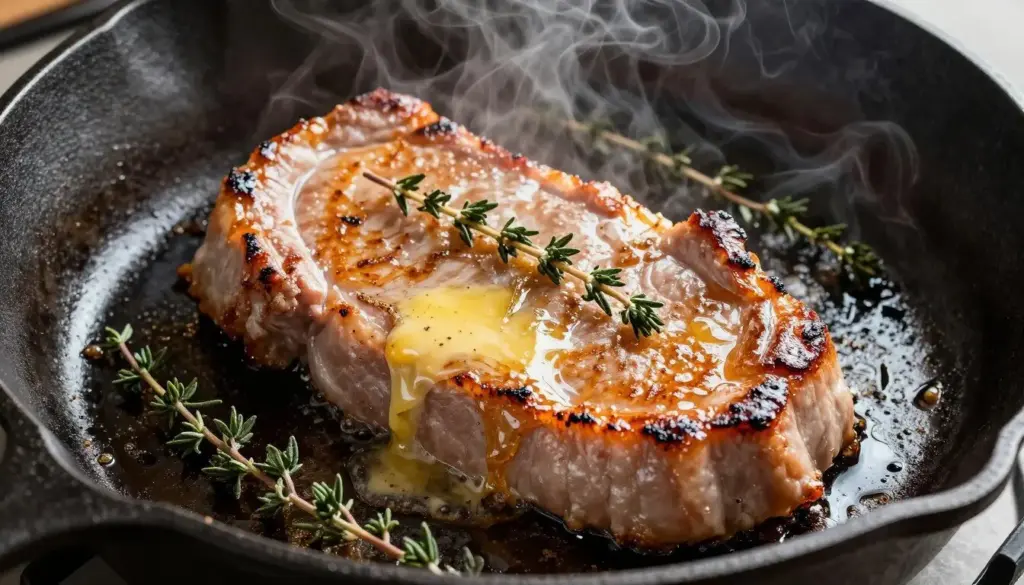
Pan-searing creates the most flavorful crust and works perfectly for both bone-in pork chops and boneless varieties. Start with a heavy skillet, preferably cast iron, which retains heat exceptionally well. Heat the pan over medium-high heat until it feels very hot when you hold your hand a few inches above the surface.
Add one tablespoon of oil with a high smoke point, such as avocado oil or vegetable oil. When the oil shimmers and moves freely across the pan, carefully place your seasoned pork chops in the skillet. Resist the urge to move them around. Let them sear undisturbed for three to four minutes until a golden-brown crust forms.
Flip the chops using tongs and sear the second side for another three to four minutes. If your chops have a fat cap around the edge, use the tongs to hold them upright for about thirty seconds, allowing that fat to render and crisp up. This adds incredible flavor and texture.
After browning both sides, reduce the heat to low and cover the skillet with a lid. This traps steam and heat, cooking the pork chops through without drying them out. Check the internal temperature after about six minutes for one-inch thick chops, adding more time for thicker cuts.
Oven-Baked Method for Even Cooking
Baking pork chops in the oven provides more hands-off cooking and works wonderfully when preparing multiple chops at once. Preheat your oven to four hundred degrees Fahrenheit while you season your meat and let it come to room temperature.
Line a baking sheet with aluminum foil and lightly coat it with cooking spray or olive oil. Arrange your seasoned pork chops on the sheet, leaving space between each one for air circulation. Drizzle a small amount of olive oil over the tops to prevent drying.
Bake for fifteen to twenty-five minutes, depending on thickness and whether you are using boneless or bone-in chops. Start checking the internal temperature around the twelve-minute mark if your chops are on the thinner side. For a crispy, caramelized exterior, turn on the broiler for the last two to three minutes of cooking time.
The oven method ensures even cooking throughout the meat, making it nearly foolproof for beginners. You can easily prepare side dishes in the oven simultaneously, making this approach efficient for complete weeknight meals.
Combination Method for Restaurant Results
Professional chefs often combine stovetop searing with oven finishing for the best of both worlds. This technique gives you a beautiful crust from the skillet while ensuring the interior cooks perfectly in the oven’s even heat.
Start by preheating your oven to three hundred seventy-five degrees Fahrenheit. Sear the pork chops in an oven-safe skillet following the instructions above, browning them for three to four minutes per side. Instead of covering the pan on the stovetop, transfer the entire skillet directly to the preheated oven.
Finish cooking for six to twelve minutes, depending on thickness. This method works particularly well for thick-cut pork chops, where getting the center to temperature without burning the outside can be challenging using only one cooking method.
Temperature Guidelines for Safe, Juicy Pork
The USDA recommends cooking pork to an internal temperature of one hundred forty-five degrees Fahrenheit, followed by a three-minute rest period. At this temperature, your pork will have a slight pink hue in the center, which is perfectly safe and indicates juicy, tender meat. Use a digital meat thermometer inserted into the thickest part of the chop, avoiding contact with bone, for accurate readings.
Honey Garlic Pork Chops: A Complete Recipe
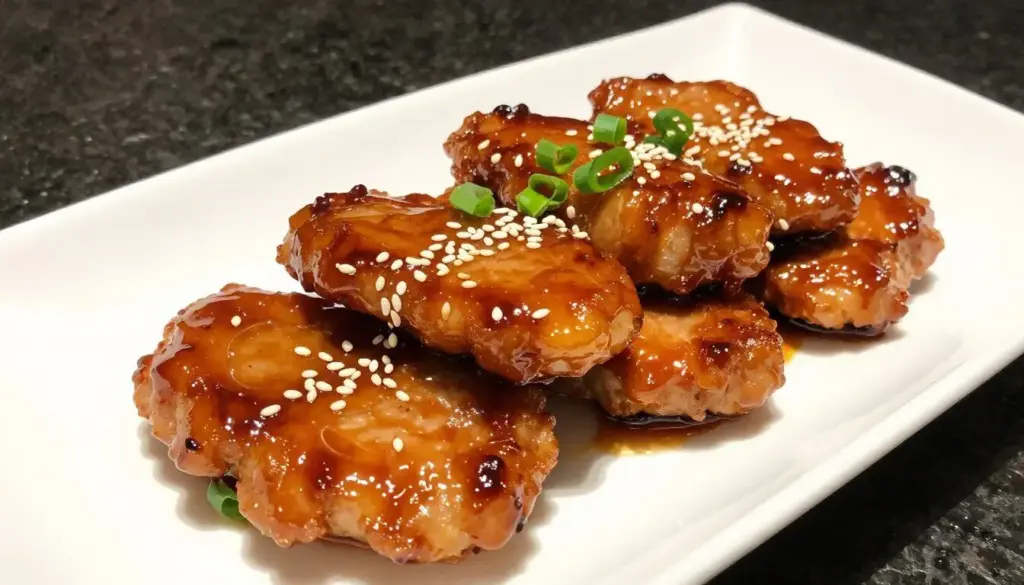
This honey garlic pork chop recipe delivers incredible flavor with minimal effort. The sweet and savory glaze caramelizes beautifully, creating a sticky coating that clings to every bite. This recipe works with both boneless pork chops and bone-in varieties, making it versatile for whatever you have on hand.
Ingredients You Will Need
For the Pork Chops
- Four pork chops, about six ounces each, one inch thick
- One teaspoon salt
- One-half teaspoon black pepper
- One teaspoon garlic powder
- One teaspoon paprika
- Two tablespoons olive oil
For the Honey Garlic Sauce
- One-third cup honey
- Three tablespoons soy sauce
- Four cloves garlic, minced
- One tablespoon apple cider vinegar
- One tablespoon butter
- Optional: red pepper flakes for heat
How to Prepare Honey Garlic Pork Chops
Remove your pork chops from the refrigerator and let them sit at room temperature for thirty minutes. While they rest, combine the salt, black pepper, garlic powder, and paprika in a small bowl. This creates your seasoning blend for the meat.
Pat the pork chops completely dry with paper towels on both sides. Sprinkle the spice mixture evenly over both sides of each chop, using your fingers to gently press the seasonings into the meat. This helps them adhere better during cooking.
Heat two tablespoons of olive oil in a large skillet over medium-high heat. When the oil shimmers, carefully add the seasoned pork chops to the pan. Let them cook undisturbed for four minutes until a golden-brown crust develops on the bottom.
Flip the chops using tongs and cook for another four minutes on the second side. If using bone-in pork chops, stand them on their fat edge for thirty seconds to render and crisp that portion. Transfer the cooked chops to a clean plate and tent loosely with aluminum foil to keep warm.
In the same skillet, reduce the heat to medium. Add the minced garlic and cook for thirty seconds until fragrant, stirring constantly to prevent burning. Pour in the honey, soy sauce, and apple cider vinegar, stirring to combine all the ingredients.
Bring the sauce to a gentle simmer and cook for three to four minutes, stirring occasionally. The mixture will reduce and thicken slightly, becoming glossy and syrupy. Remove the pan from heat and stir in one tablespoon of butter until it melts completely into the sauce.
Return the pork chops to the skillet, turning them to coat both sides with the honey garlic sauce. Spoon extra sauce over the tops. Let the meat rest in the warm sauce for two minutes before serving. This final step ensures the pork chops reach the perfect internal temperature while absorbing maximum flavor.
Essential Tool for Perfect Pork Chops
A reliable digital meat thermometer takes the guesswork out of cooking pork. Check the internal temperature to ensure your chops reach exactly one hundred forty-five degrees Fahrenheit every time, guaranteeing juicy results without overcooking. This simple tool transforms you from uncertain cook to confident chef.
Serving Suggestions for Complete Meals
These honey garlic pork chops pair beautifully with a variety of side dishes. The sweet and savory flavors complement both starchy sides and fresh vegetables, giving you flexibility in planning your complete meal.
For a classic comfort food approach, serve the pork chops over creamy mashed potatoes. The rich sauce pools around the potatoes, creating an irresistible combination. Add steamed green beans or roasted asparagus for color and nutrition.
Rice works wonderfully as a base for this recipe, soaking up every drop of the delicious honey garlic sauce. Try jasmine rice or brown rice for different textures and nutritional profiles. A simple side salad with vinaigrette dressing balances the richness of the glazed meat.
Roasted vegetables make an excellent accompaniment. Brussels sprouts, carrots, or butternut squash develop caramelized edges in the oven that complement the sweetness of the honey glaze. Toss your chosen vegetables with olive oil, salt, and pepper, then roast alongside the pork chops for a one-pan meal solution.
Avoiding Common Pork Chop Cooking Mistakes
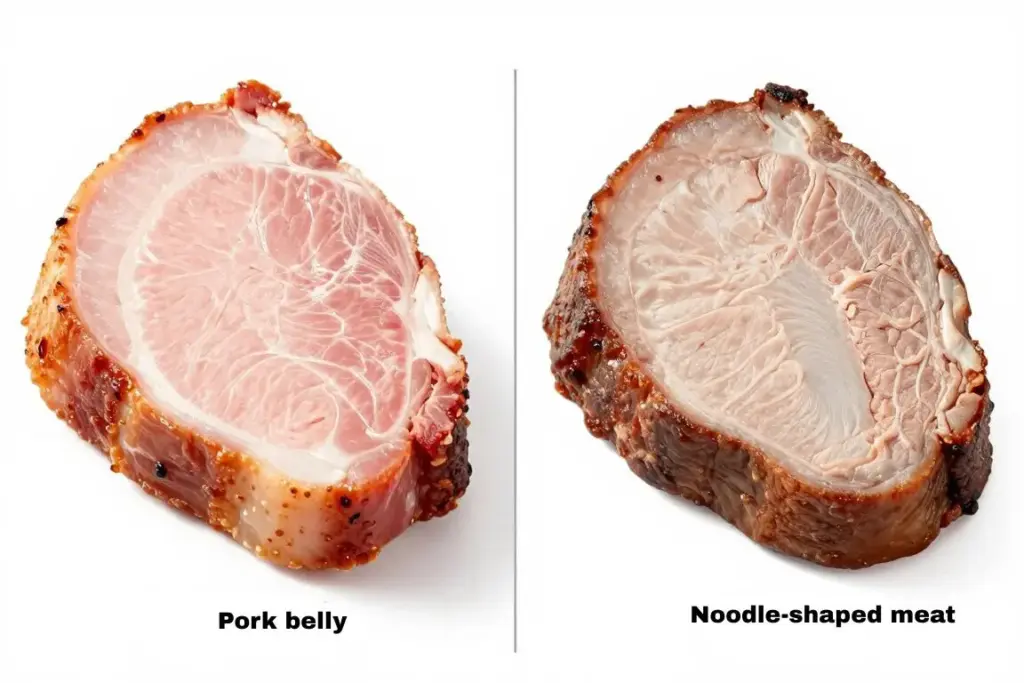
Even experienced cooks sometimes struggle with pork chops. Understanding the most common pitfalls helps you avoid them and achieve consistent success every time you prepare this protein. Let’s examine the mistakes that lead to disappointing results and how to prevent them.
Overcooking and Temperature Control
The single biggest mistake home cooks make is overcooking pork. Outdated food safety guidelines once recommended cooking pork to one hundred sixty degrees Fahrenheit or higher, resulting in dry, tough meat. Modern research shows that pork cooked to one hundred forty-five degrees Fahrenheit is both safe and delicious.
Invest in a reliable digital meat thermometer and use it every time you cook pork. Insert the probe into the thickest part of the chop, avoiding any bone, which conducts heat differently than meat. When the temperature reaches one hundred forty-three degrees, remove the pork from heat. It will continue cooking to one hundred forty-five degrees during the resting period.
Remember that carryover cooking occurs after you remove meat from the heat source. The internal temperature can rise by three to five degrees during resting. Pulling your pork chops off the heat slightly before they reach the target temperature prevents overcooking.
Skipping the Resting Period
Many home cooks slice into their pork chops immediately after cooking, causing all those precious juices to run out onto the cutting board. Resting allows the meat fibers to relax and reabsorb moisture, resulting in juicier, more tender pork.
Transfer your cooked pork chops to a clean plate and tent them loosely with aluminum foil. Let them rest for at least three minutes, or up to five minutes for thicker cuts. This brief waiting period makes a dramatic difference in the final texture and moisture content of your meat.
Using the Wrong Heat Level
Too much heat causes the exterior to burn before the interior cooks through. Too little heat results in gray, steamed meat without any flavorful browning. Finding the right balance ensures beautiful caramelization and proper internal cooking.
For stovetop cooking, start with medium-high heat to achieve initial browning, then reduce to medium or medium-low to finish cooking through. The pan should be hot enough that the meat sizzles when it makes contact, but not so hot that smoke immediately rises from the oil.
Watch for These Warning Signs
If you see excessive smoke coming from your pan, the heat is too high. If your pork chops are browning too quickly or turning black in spots, immediately reduce the temperature. Conversely, if the meat sits in the pan without any sizzle, your pan was not hot enough when you added the chops. Proper temperature control separates mediocre pork chops from exceptional ones.
Neglecting Proper Seasoning
Pork has a mild flavor that requires adequate seasoning to shine. Under-seasoning results in bland, forgettable meat no matter how perfectly you cook it. Salt penetrates the meat and enhances its natural flavors, while other spices add complexity and interest.
Season generously with salt at least twenty minutes before cooking, allowing time for the seasoning to work its way into the meat. Add other spices just before cooking to prevent them from burning. Taste your finished dish and adjust seasoning as needed, adding a pinch more salt or a squeeze of lemon juice to brighten flavors.
Crowding the Pan
Placing too many pork chops in the pan at once drops the cooking temperature dramatically. This prevents proper browning and can lead to steaming instead of searing. Each chop needs adequate space for air circulation and heat exposure.
Cook pork chops in batches if necessary, keeping finished pieces warm in a low oven while you cook the rest. Leave at least one inch of space between each piece in the pan. This ensures even cooking and proper crust development on all sides.
Delicious Pork Chop Recipe Variations
Once you master the basic technique for cooking pork chops, endless flavor variations open up to you. These alternative recipes use the same fundamental cooking methods while introducing different seasonings, sauces, and accompaniments. Experimenting with these variations keeps your dinner rotation interesting and exciting.
Herb-Crusted Pork Chops
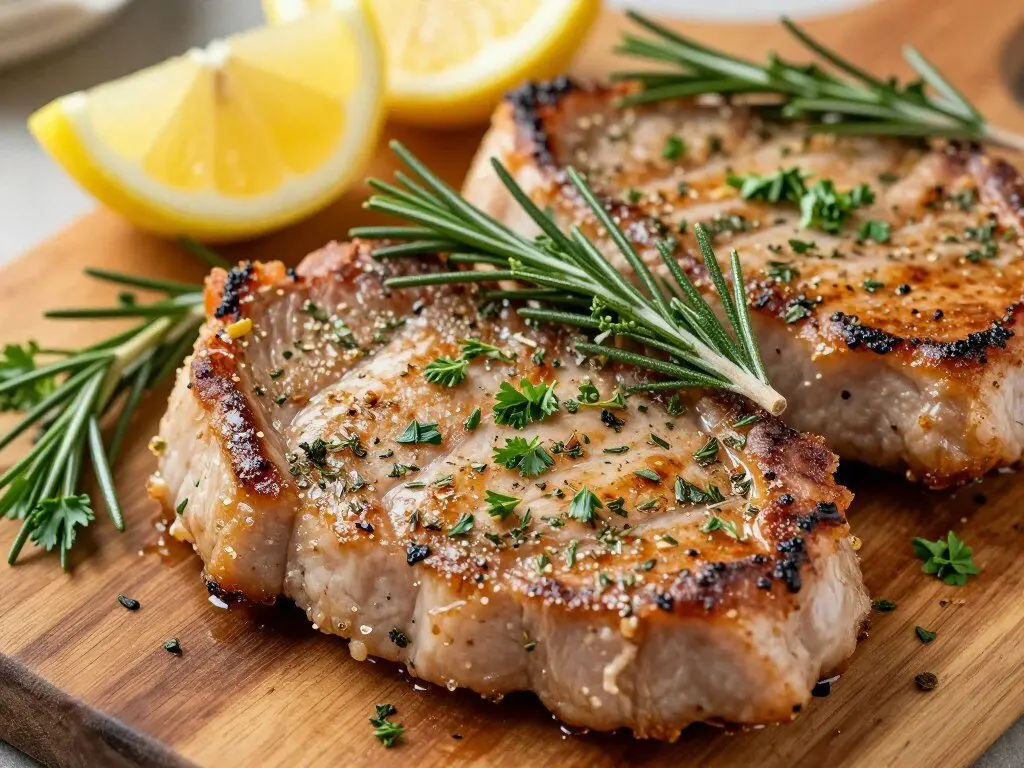
Fresh herbs create an aromatic, flavorful crust that elevates simple pork chops into an elegant dinner. Combine two tablespoons of minced fresh rosemary, two tablespoons of fresh thyme leaves, and three minced garlic cloves with two tablespoons of olive oil. Press this mixture onto both sides of your seasoned pork chops before cooking.
The herbs release their essential oils during cooking, infusing the meat with incredible fragrance and flavor. This preparation works beautifully with the skillet method, creating a crispy, aromatic crust that impresses dinner guests while requiring minimal effort.
Apple Cider Glazed Pork Chops
The natural sweetness of apples pairs perfectly with pork, making this variation ideal for fall dinners. After browning your pork chops using the basic method, remove them from the pan and create a quick sauce.
Add one cup of apple cider, two tablespoons of apple cider vinegar, and one tablespoon of whole grain mustard to the hot skillet. Simmer until the liquid reduces by half, creating a concentrated, tangy-sweet glaze. Stir in one tablespoon of butter for richness, then return the pork chops to the pan, coating them with the glossy sauce.
Serve these pork chops with roasted sweet potatoes or butternut squash to continue the autumn theme. The combination of flavors feels comforting and sophisticated simultaneously.
Cajun-Spiced Pork Chops
For those who enjoy bold, spicy flavors, a Cajun seasoning blend transforms plain pork into an exciting meal. Mix two teaspoons of paprika, one teaspoon of garlic powder, one teaspoon of onion powder, one teaspoon of dried oregano, one teaspoon of dried thyme, one-half teaspoon of cayenne pepper, and one teaspoon of salt.
Rub this spice mixture generously over your pork chops before cooking. The combination creates a flavorful crust with moderate heat that appeals to most palates. Adjust the cayenne pepper up or down based on your heat preference.
Pair Cajun pork chops with cooling side dishes like coleslaw or cucumber salad to balance the spiciness. Creamy mashed potatoes or rice also help temper the heat while soaking up the flavorful pan juices.
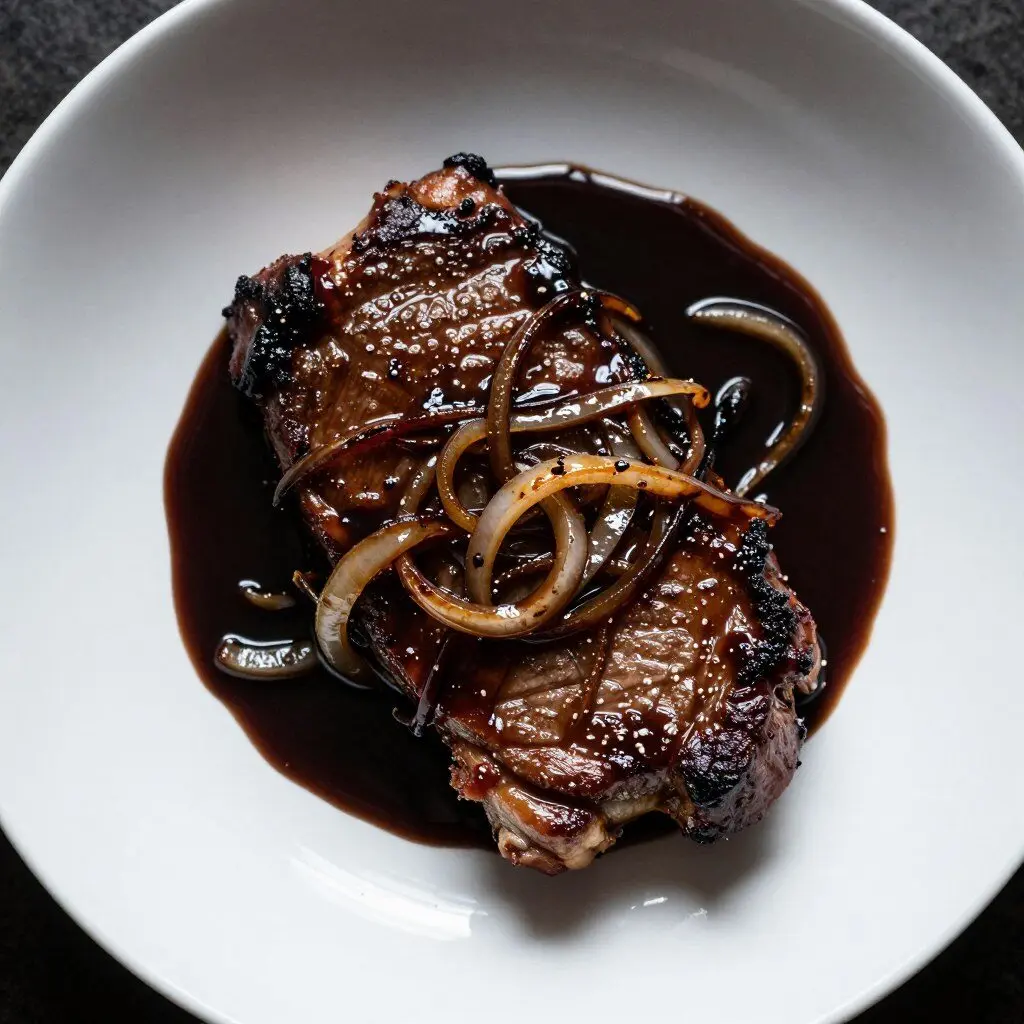
Balsamic Glazed Version
Create an elegant sauce using balsamic vinegar, honey, and fresh garlic. The acidity cuts through the richness of the pork while the honey adds depth.
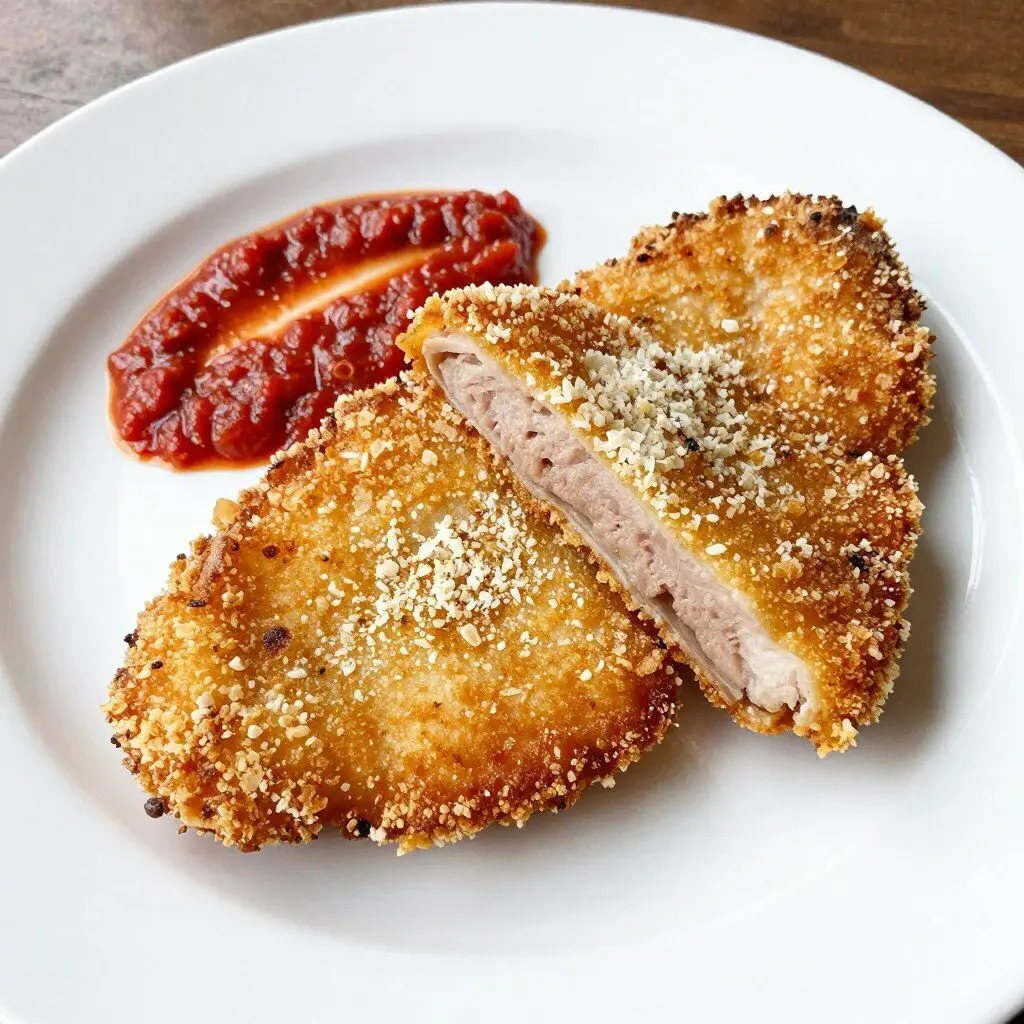
Parmesan Crusted Style
Coat your pork chops in a mixture of Parmesan cheese, breadcrumbs, and Italian herbs for a crispy, cheesy exterior that children especially love.
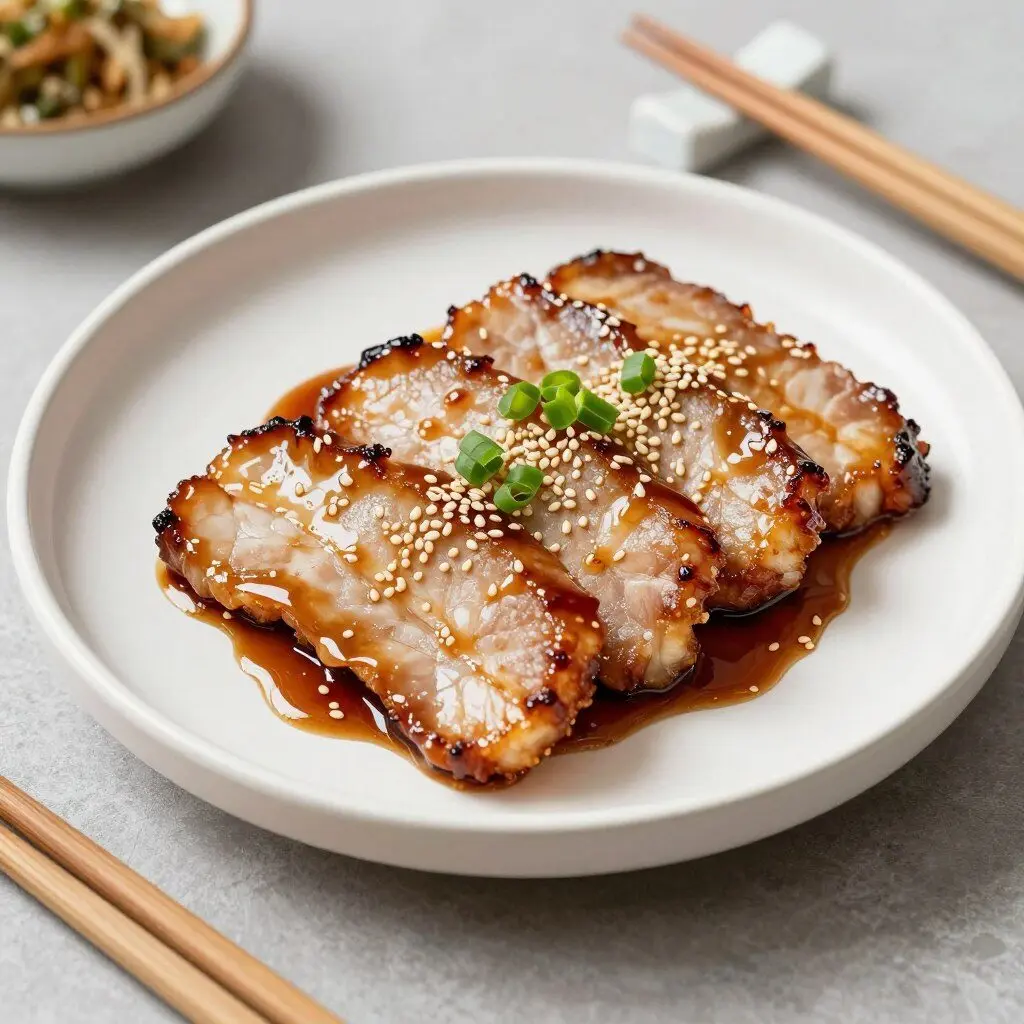
Asian-Inspired Marinade
Marinate pork chops in soy sauce, fresh ginger, sesame oil, and a touch of brown sugar for complex umami flavors that taste restaurant-quality.
Perfect Side Dishes for Pork Chops
Choosing the right side dishes completes your meal and showcases your pork chops beautifully. The best accompaniments balance the richness of the meat with fresh vegetables, creamy starches, or bright, acidic elements that cleanse the palate between bites.
Classic Comfort Food Pairings
Mashed potatoes remain the quintessential pork chop companion for good reason. Their creamy texture and mild flavor provide the perfect canvas for rich pan sauces. Prepare them with butter, cream, and roasted garlic for extra indulgence, or keep them lighter with chicken broth and olive oil.
Macaroni and cheese appeals to families with children, offering familiar comfort alongside the protein. The combination creates a satisfying, complete meal that even picky eaters enjoy. Choose a sharp cheddar for depth of flavor that stands up to seasoned pork.
Scalloped potatoes bake in the oven alongside your pork chops, making them efficient for busy weeknights. Thinly sliced potatoes layered with cream and cheese become tender and golden while your meat cooks, creating a cohesive, comforting dinner.
Fresh Vegetable Sides
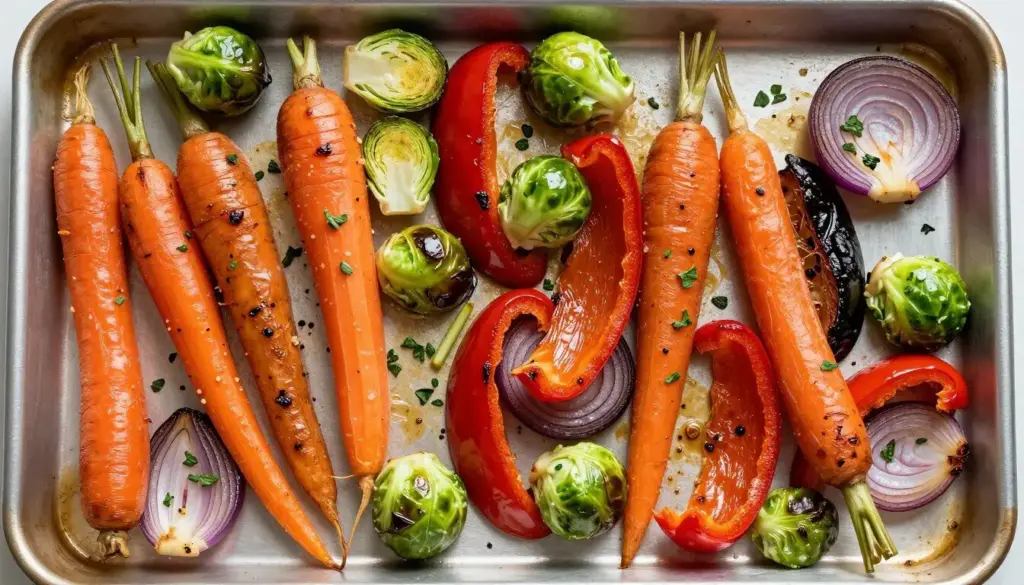
Roasted Brussels sprouts develop sweet, caramelized edges that complement pork beautifully. Toss them with olive oil, salt, and pepper, then roast at four hundred degrees until the outer leaves crisp up. A drizzle of balsamic vinegar before serving adds brightness.
Green beans amandine brings French elegance to your plate. Blanch fresh green beans until tender-crisp, then sauté them with butter, sliced almonds, and a squeeze of lemon juice. The nutty crunch and citrus notes balance rich pork perfectly.
Roasted asparagus requires minimal preparation while delivering maximum impact. Thick spears roast better than thin ones, developing concentrated flavor and tender texture. Season simply with olive oil, salt, and pepper, finishing with grated Parmesan cheese if desired.
Grain and Starch Options
Wild rice pilaf offers nutty flavor and interesting texture that pairs wonderfully with pork chops. Cook the rice according to package directions, then stir in sautéed mushrooms, onions, and fresh thyme. This side dish feels special enough for company while remaining simple to execute.
Creamy polenta provides a smooth, comforting base for your pork and its sauce. The mild corn flavor complements almost any seasoning profile you choose for your meat. Top with extra Parmesan cheese and butter for added richness.
Quinoa salad brings freshness and protein to your plate. Mix cooked quinoa with diced cucumber, cherry tomatoes, fresh herbs, and a lemon vinaigrette. This lighter option balances heavier pork preparations and adds nutritional value to your meal.
Quick Sautéed Options
- Garlic spinach with butter and lemon
- Zucchini ribbons with Parmesan
- Mushrooms with fresh thyme
- Snap peas with sesame seeds
Make-Ahead Salads
- Creamy coleslaw with tangy dressing
- Cucumber and tomato salad with herbs
- Apple and walnut salad with blue cheese
- Mixed greens with balsamic vinaigrette
- Broccoli salad with bacon and raisins
Storing and Reheating Leftover Pork Chops
Properly stored leftover pork chops make excellent quick lunches or dinners later in the week. Following correct storage and reheating techniques preserves the quality of your meat and prevents it from drying out during its second appearance on your table.
Proper Storage Guidelines
Allow cooked pork chops to cool to room temperature before storing them, but do not leave them out for more than two hours. Transfer cooled meat to airtight containers or wrap tightly in aluminum foil or plastic wrap. Store in the refrigerator for up to four days.
For longer storage, freeze cooked pork chops for up to three months. Wrap each chop individually in plastic wrap, then place all wrapped pieces in a freezer-safe bag or container. Remove as much air as possible to prevent freezer burn. Label the container with the date so you track how long they have been frozen.
Thaw frozen pork chops overnight in the refrigerator rather than at room temperature. This slow thawing prevents bacterial growth and maintains better texture in the meat. Plan ahead when you know you want to use frozen pork for dinner.
Reheating Methods That Preserve Moisture
The oven provides the most even reheating for pork chops. Preheat your oven to three hundred twenty-five degrees Fahrenheit. Place the pork chops in a baking dish and add two tablespoons of chicken broth or water to prevent drying. Cover the dish tightly with aluminum foil and heat for ten to fifteen minutes until warmed through.
For faster reheating, use the microwave with caution. Place one or two pork chops on a microwave-safe plate and cover with a damp paper towel. Heat on medium power in thirty-second intervals, checking the temperature between each burst. The damp paper towel creates steam that keeps the meat moist.
Stovetop reheating works well if you have leftover sauce. Place the pork chops in a covered skillet over medium-low heat with a splash of broth or water. Heat gently, turning once, until warmed throughout. This method rehydrates the meat while preventing it from becoming tough.
Creative Ways to Use Leftover Pork
Slice leftover pork chops and use them in stir-fries with fresh vegetables and your favorite sauce. The meat just needs to heat through since it is already fully cooked. This transforms yesterday’s dinner into an entirely new meal.
Chop cold pork chops and add them to salads for a protein boost. The meat pairs well with mixed greens, apples, walnuts, and a honey mustard dressing. This makes a satisfying lunch that requires no reheating.
Create quick tacos or quesadillas using sliced leftover pork. Season the meat with taco spices, add cheese and your favorite toppings, and you have a completely different meal that tastes fresh and exciting.
Nutritional Benefits of Pork Chops
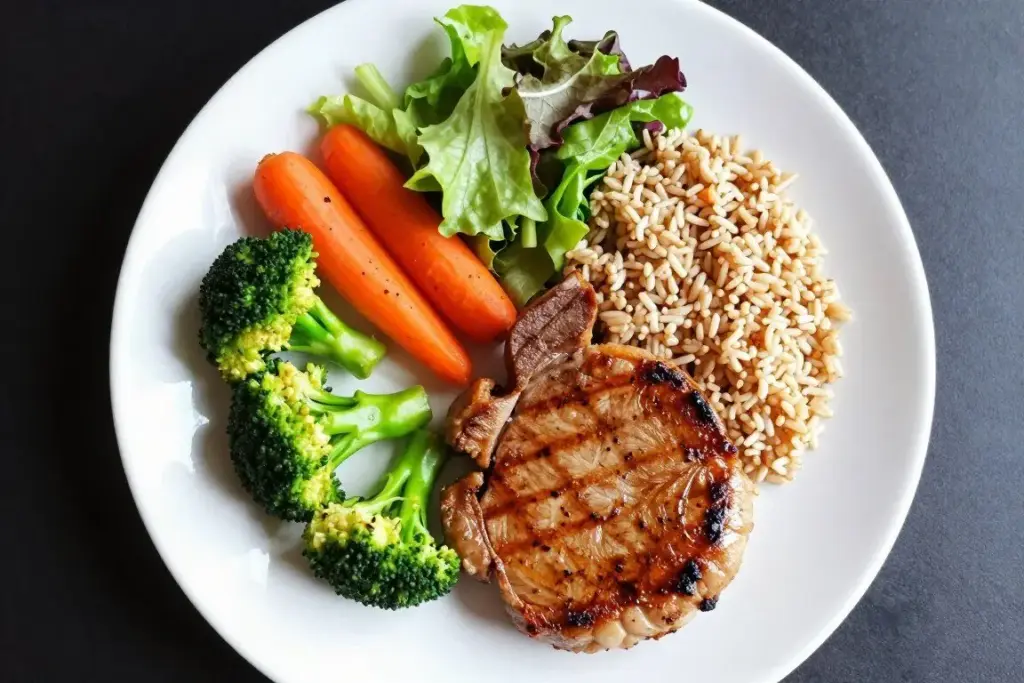
Pork chops offer impressive nutritional value beyond just their delicious taste. Understanding the health benefits of including pork in your diet helps you make informed choices about meal planning and nutrition for your family.
High-Quality Protein Source
A single six-ounce pork chop provides approximately thirty-six grams of protein, meeting a significant portion of your daily requirements. Protein supports muscle growth and repair, helps maintain healthy bones, and keeps you feeling satisfied after meals.
The protein in pork is complete, meaning it contains all nine essential amino acids your body cannot produce on its own. This makes pork an excellent choice for active individuals, growing children, and anyone looking to maintain or build muscle mass.
Essential Vitamins and Minerals
Pork chops are rich in B vitamins, particularly thiamin, niacin, and vitamin B6. These vitamins play crucial roles in energy metabolism, helping your body convert food into usable fuel. They also support healthy brain function and nervous system operation.
The meat provides substantial amounts of zinc and iron, minerals essential for immune function and oxygen transport throughout your body. Iron from animal sources is more readily absorbed than iron from plant sources, making pork an efficient way to meet your needs.
Selenium, another mineral found in pork, acts as an antioxidant and supports thyroid function. One serving of pork chops provides a significant percentage of your daily selenium requirements.
Lower Fat Content Than You Might Think
Modern pork is considerably leaner than it was decades ago due to improved breeding and feeding practices. Center-cut pork chops contain less fat than many people assume, especially when compared to other protein sources like ribeye steak or dark meat chicken with skin.
A three-ounce serving of cooked pork chop contains approximately seven grams of fat, with only two to three grams being saturated fat. Trimming visible fat before cooking further reduces the total fat content if desired.
The fat in pork includes beneficial monounsaturated fats similar to those found in olive oil. These fats support heart health and help your body absorb fat-soluble vitamins like vitamins A, D, E, and K.
| Nutrient | Amount per 6 oz Serving | Daily Value Percentage |
| Protein | 36 grams | 72% |
| Thiamin (Vitamin B1) | 0.9 mg | 75% |
| Niacin (Vitamin B3) | 10 mg | 63% |
| Vitamin B6 | 0.8 mg | 47% |
| Zinc | 3.2 mg | 29% |
| Iron | 1.4 mg | 8% |
| Selenium | 58 mcg | 105% |
Common Questions About Cooking Pork Chops
How do I know when pork chops are done without a thermometer?
While a meat thermometer provides the most accurate results, you can check doneness by making a small cut in the thickest part of the chop. The juices should run clear, not pink or red, and the meat should appear opaque throughout with just a hint of pink in the very center. The texture should feel firm but not hard when pressed. However, investing in an inexpensive digital thermometer eliminates guesswork and prevents both undercooking and overcooking.
Can I cook frozen pork chops without thawing them first?
Yes, you can cook pork chops from frozen, though they will take approximately fifty percent longer to cook through. Increase your cooking time and check the internal temperature frequently to avoid overcooking the exterior while waiting for the center to reach one hundred forty-five degrees. For best results and more even cooking, thaw pork chops in the refrigerator overnight before cooking. The texture and flavor will be superior compared to cooking from frozen.
Why do my pork chops always turn out dry?
Dry pork chops usually result from overcooking. Pork continues cooking after you remove it from heat, so take it off when the internal temperature reaches one hundred forty-three degrees. It will rise to the safe temperature of one hundred forty-five during resting. Also ensure you are buying thick-cut chops of at least one inch, which retain moisture better than thin cuts. Brining or salting the meat thirty minutes before cooking also helps it retain natural juices.
Should I rinse pork chops before cooking them?
No, you should not rinse pork chops or any raw meat before cooking. Rinsing can spread bacteria around your sink and kitchen through splashing water. Any bacteria present on the surface will be killed during proper cooking to one hundred forty-five degrees. Instead, pat the chops dry with paper towels, which removes excess moisture and helps achieve better browning without spreading potential contaminants.
How long should I marinate pork chops?
Marinate pork chops for at least thirty minutes and up to twenty-four hours in the refrigerator. Shorter marinating times of one to two hours work well for thin chops and lighter marinades. Longer times suit thick-cut chops and strongly flavored marinades. Avoid marinating longer than twenty-four hours, especially with acidic marinades containing vinegar or citrus juice, as the acid can break down the meat texture too much, making it mushy.
What is the best oil for cooking pork chops?
Choose oils with high smoke points for cooking pork chops over high heat. Avocado oil works exceptionally well with a smoke point around five hundred twenty degrees Fahrenheit. Refined vegetable oil, canola oil, and grapeseed oil also perform well. Avoid olive oil for high-heat searing as it can smoke and develop bitter flavors, though it works fine for moderate oven temperatures. Butter adds flavor but burns easily, so combine it with oil or add it at the end of cooking.
Can I cook different thickness pork chops together?
You can cook different thickness chops together, but they will finish at different times. Use a meat thermometer to check each chop individually and remove them as they reach one hundred forty-five degrees. Transfer the thinner, faster-cooking chops to a plate and tent with foil while the thicker ones finish cooking. This prevents overcooking some pieces while waiting for others. For easiest cooking, try to select chops of similar thickness whenever possible.
Master Your Pork Chop Game
Cooking perfect pork chops consistently becomes simple once you understand the fundamental principles. Focus on buying quality meat at least one inch thick, bringing it to room temperature before cooking, and using a reliable meat thermometer to avoid overcooking. These three steps alone transform results dramatically.
Remember that pork cooked to one hundred forty-five degrees Fahrenheit with a slight pink center is both safe and delicious. Modern food safety guidelines have evolved based on scientific research, so trust the temperature reading rather than visual cues alone. The resting period after cooking allows juices to redistribute, ensuring every bite stays moist and tender.
Experiment with different cooking methods, seasonings, and sauces to keep your pork chop meals interesting. The versatility of this protein means you can create completely different dishes using the same basic technique. From honey garlic glazes to herb crusts to Cajun spices, the flavor possibilities are endless.
Start with the honey garlic pork chop recipe provided in this guide. Once you master that preparation, branch out to the variations suggested or create your own signature style. Your confidence in cooking pork will grow with each successful meal, expanding your weeknight dinner repertoire significantly.
Explore More Delicious Pork Recipes
Discover additional ways to prepare pork with our collection of tested recipes. From slow-cooked pulled pork to quick stir-fries, you will find new family favorites that showcase this versatile protein in different cuisines and cooking styles.
Cooking pork chops successfully comes down to temperature control, proper timing, and adequate seasoning. With the techniques and recipes shared in this comprehensive guide, you have everything needed to create restaurant-quality pork chops in your own kitchen. The combination of crispy, caramelized exterior and juicy, tender interior will make this protein a regular request at your dinner table.