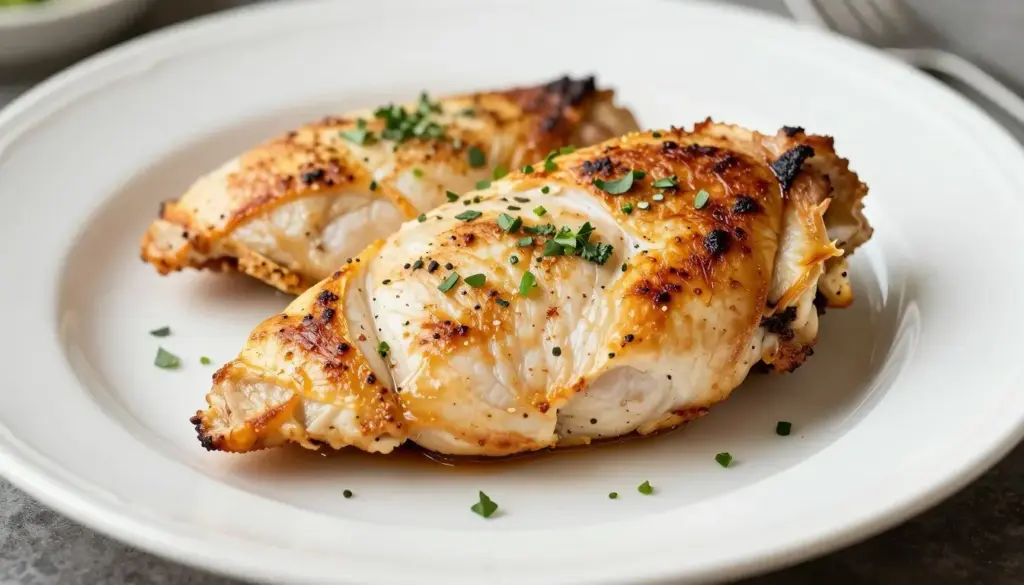
Getting dry, rubbery baked chicken breast is frustrating. You follow recipes, set your timer, and still end up with disappointing results. The good news? This oven baked chicken breasts recipe changes everything. With a simple technique and the right temperature, you’ll serve tender juicy chicken every single time.
This recipe delivers boneless skinless chicken breasts that are moist on the inside with perfectly seasoned, golden exteriors. No complicated steps or fancy equipment needed. Just a reliable method that works whether you’re cooking for weeknight dinners or meal prep Sunday.
Why This Oven Baked Chicken Breasts Recipe Works
Most baked chicken breast recipes fail because they cook at low temperatures for too long. This dries out the meat and creates that chalky texture everyone hates. My approach flips the script.
The secret to juicy baked chicken breasts lies in three key steps. First, we use high heat at 450 degrees Fahrenheit. This might seem counterintuitive, but it creates a beautiful golden crust that locks in moisture. Second, we coat the chicken breasts with oil and seasonings before baking. This adds flavor and prevents the surface from drying out. Third, we let the chicken rest after cooking. Those five minutes allow the juices to redistribute throughout the meat.
The cooking time matters too. At 450 degrees, most chicken breasts need just 18 to 23 minutes. This short cooking time at high temperature produces chicken that stays tender. You’ll want to use a meat thermometer to check doneness. The thickest part should reach 165 degrees Fahrenheit.
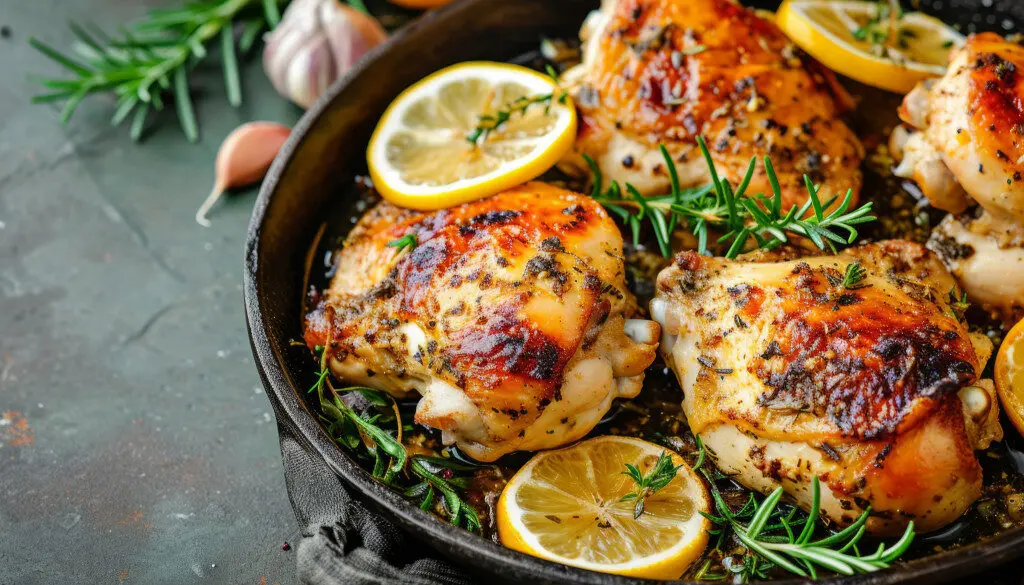
Another reason this method succeeds is the optional butter and lemon addition. A small pat of butter on each chicken breast adds richness without going overboard. Lemon slices release their juice during baking, creating pan drippings that taste amazing spooned over the finished chicken.
Ingredients You’ll Need
This recipe keeps things simple with ingredients you probably have in your pantry. Quality matters here, especially with the chicken itself. Look for fresh boneless skinless chicken breasts that feel firm and smell clean.
Main Ingredients
- Boneless skinless chicken breasts (4 pieces, about 2 pounds total)
- Olive oil or avocado oil (1.5 tablespoons)
- Unsalted butter (1.5 tablespoons, optional but recommended)
- Fresh lemon (1, sliced, optional but recommended)
Seasonings
- Garlic powder (1 teaspoon)
- Onion powder (1 teaspoon)
- Paprika (1 teaspoon, smoked or regular)
- Salt (1 teaspoon)
- Black pepper (1/2 teaspoon)
- Chili powder (1/2 teaspoon, optional)
- Dried parsley (1 tablespoon)
Feel free to swap the seasonings based on what you have available. Italian seasoning, cajun spices, or even a simple salt and pepper blend work beautifully. The key is coating the chicken breasts evenly so every bite has flavor.
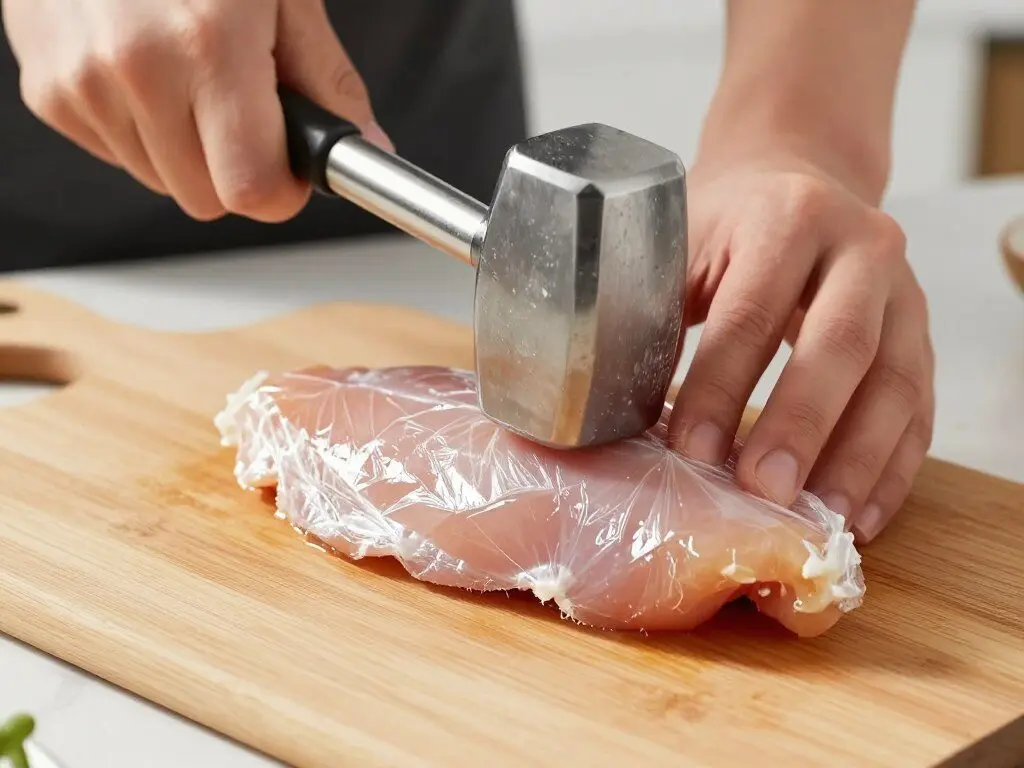
For best results, use chicken breasts that are similar in size. This ensures even cooking. If your pieces vary dramatically in thickness, you can pound them to an even thickness using a meat mallet. Place the chicken between plastic wrap and gently pound the thicker portions until they match the rest.
Essential Equipment
You don’t need fancy equipment to bake chicken breasts perfectly, but a few key tools make the process easier and more reliable.
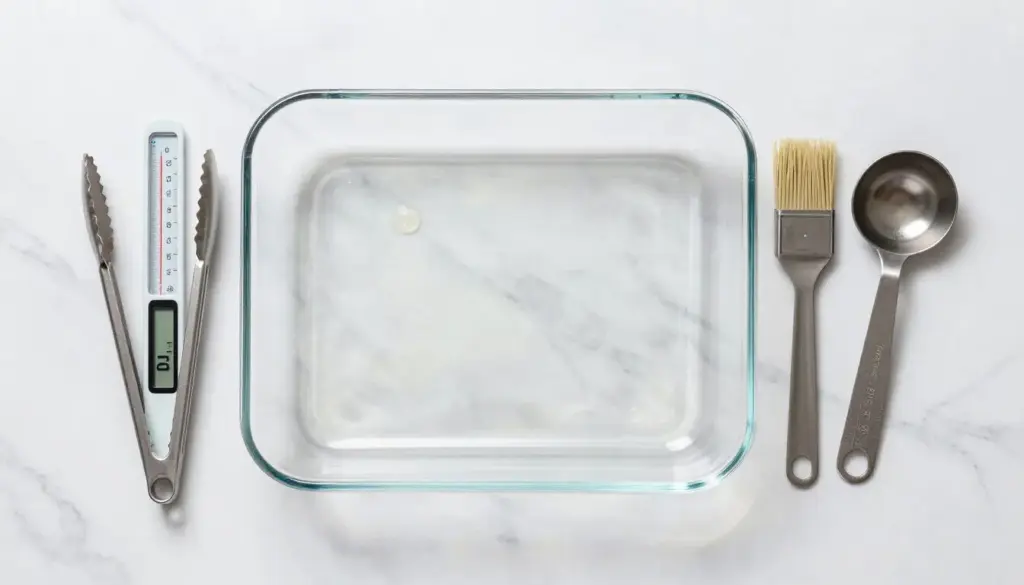
- 9×13 inch baking dish – Glass or metal works well. Avoid ceramic dishes that can’t handle high temperatures. Make sure your dish can withstand 450 degrees. A quality baking dish ensures even heat distribution and prevents hot spots that can overcook portions of the chicken.
- Instant-read thermometer – This tool takes the guesswork out of cooking chicken. You’ll know exactly when your chicken reaches safe internal temperature without cutting into it and releasing those precious juices. Digital thermometers give readings in seconds.
- Meat mallet or rolling pin – For pounding chicken to even thickness when needed. This simple step prevents thin ends from overcooking while thick portions stay raw.
- Aluminum foil – Used to cover the chicken during the final minutes of baking and for resting afterward. This keeps the chicken warm and helps it finish cooking gently.
- Basting brush – Makes coating the chicken breasts with oil quick and even. Silicone brushes clean easily and don’t retain odors.
If you’re serious about cooking chicken regularly, investing in a good instant-read thermometer changes everything. It removes the anxiety of wondering whether your chicken is done. Many affordable options exist that work perfectly for home cooks.
How to Prepare Oven Baked Chicken Breasts
Follow these detailed steps for perfectly cooked chicken every time. The process is straightforward once you understand the technique.
Step 1: Prepare Your Chicken
Remove the boneless skinless chicken breasts from the refrigerator about 15 minutes before cooking. This allows them to come closer to room temperature, which promotes even cooking. Pat them completely dry with paper towels. Excess moisture prevents proper browning.
If your chicken breasts are very large, more than 10 ounces each, slice them in half horizontally to create thinner cutlets. This ensures they cook through in the recommended time without burning on the outside. Place chicken between plastic wrap and pound any thick portions to match the thinner areas.
Step 2: Preheat Oven and Prepare Baking Dish
Set your oven to 450 degrees Fahrenheit and let it fully preheat. This takes about 10 to 15 minutes in most ovens. While the oven heats, pour olive oil into your baking dish. Tilt the dish to spread the oil across the bottom, or use your hands to distribute it evenly.
Step 3: Season the Chicken Breasts
In a small bowl, mix together garlic powder, onion powder, paprika, salt, black pepper, chili powder, and dried parsley. Stir until the seasonings are well combined. This creates your signature chicken seasoning blend.
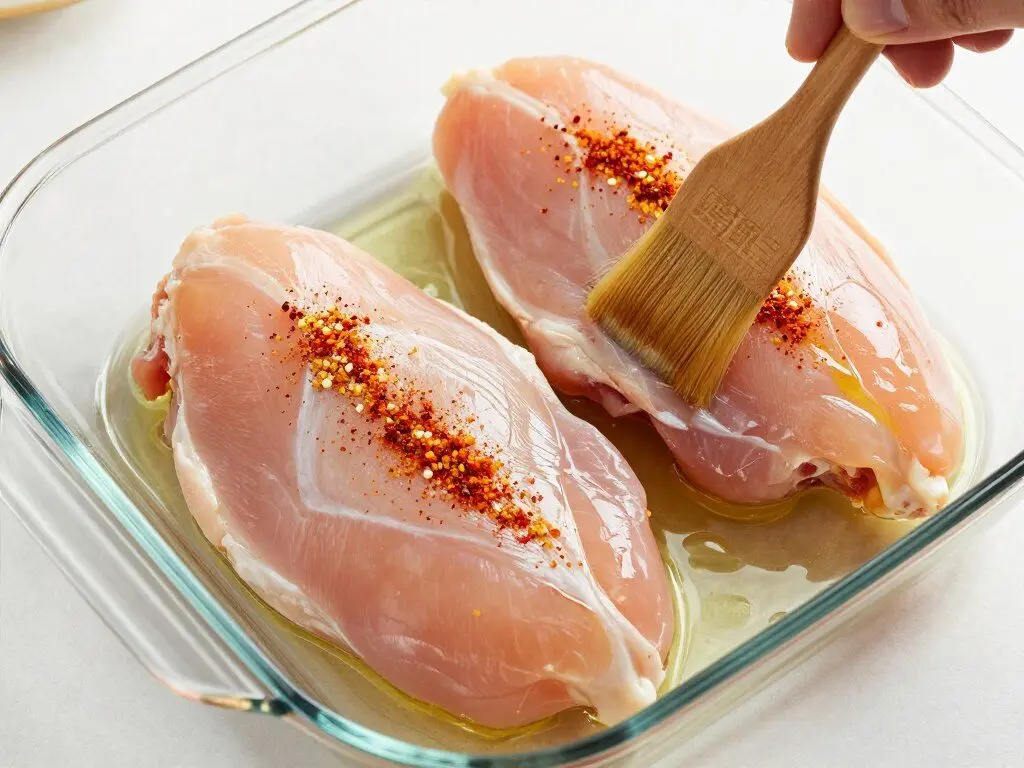
Place chicken breasts in the oiled baking dish. Turn each piece to coat both sides with oil. Use your hands or a brush to make sure the oil covers the entire surface. This oil barrier helps the chicken stay moist while baking.
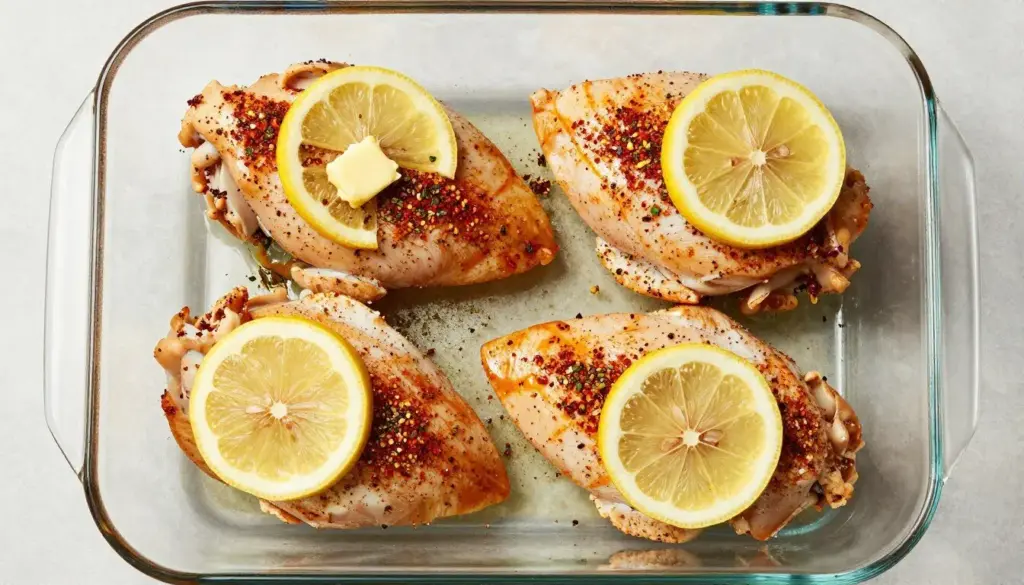
Sprinkle the seasoning mixture generously over both sides of each chicken breast. Use your hands to rub the seasonings into the meat, ensuring complete coverage. Don’t be shy with the spices. The high heat and short cooking time mean you need assertive seasoning for flavorful results.
Step 4: Add Butter and Lemon
If using, place a small pat of butter on top of each chicken breast. About one-half tablespoon per breast works perfectly. The butter will melt during baking, basting the chicken from above and adding rich flavor to the pan drippings.
Slice one lemon into rounds and arrange the slices around and between the chicken breasts in the baking dish. As the lemon bakes, it releases juice that mingles with the butter and chicken juices. This creates an incredible sauce you’ll want to spoon over everything.
Step 5: Bake the Chicken
Place the baking dish on the center rack of your preheated oven. Set a timer for 18 minutes. After 18 minutes, check the internal temperature of the thickest chicken breast using your meat thermometer. Insert the thermometer into the thickest part, avoiding bone or touching the pan.
When the thermometer reads 160 to 165 degrees Fahrenheit, your chicken is done. If it hasn’t reached this temperature yet, continue baking and check every 2 minutes. Most chicken breasts finish between 18 and 23 minutes depending on their size and your oven.
Once the chicken reaches temperature, remove the baking dish from the oven. Immediately cover the entire dish with aluminum foil. This traps heat and moisture while the chicken rests.
Step 6: Rest and Serve
Let the chicken rest under the foil for 5 to 10 minutes. This step is crucial. As the chicken rests, the internal temperature rises slightly and the juices redistribute throughout the meat. Cutting into chicken immediately after cooking causes all those flavorful juices to run out onto your cutting board instead of staying in the meat.
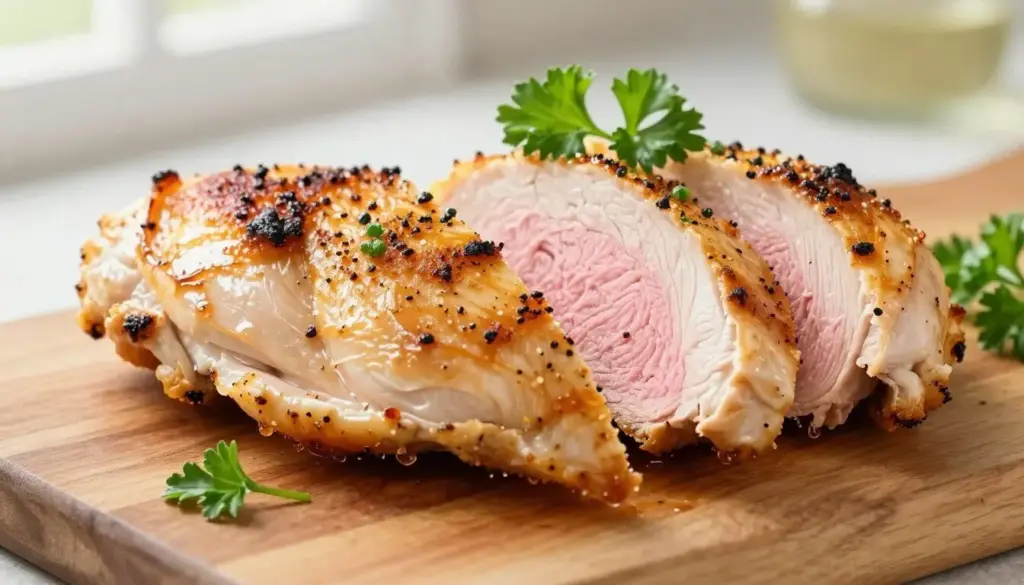
After resting, use a spoon to drizzle some of the pan drippings over each chicken breast. These drippings are packed with flavor from the butter, lemon, and chicken juices. Serve immediately while the chicken is hot.
Expert Tips for the Best Baked Chicken
These tips come from years of testing different methods. They’ll help you avoid common mistakes and achieve restaurant-quality results at home.
Temperature is Everything: Don’t skip the thermometer. Oven temperatures vary, and chicken breast sizes differ. A thermometer gives you certainty that your chicken is safely cooked but not overdone. The difference between 165 and 175 degrees is the difference between juicy and dry.
- Pound for Even Thickness – Chicken breasts taper from thick to thin. Pounding them creates uniform thickness so the thin end doesn’t overcook while the thick center finishes. This simple step dramatically improves your results.
- Don’t Overcrowd the Pan – Leave space between each chicken breast. Crowded chicken steams instead of roasting, which prevents that beautiful golden crust from forming. Use a larger pan if needed.
- Let It Rest – Patience pays off here. That 5 to 10 minute rest period allows the meat fibers to relax and reabsorb moisture. Your chicken will be noticeably juicier if you resist cutting into it immediately.
- Save the Pan Drippings – The liquid left in your baking dish is liquid gold. It contains concentrated chicken flavor mixed with butter, lemon, and seasonings. Spoon it generously over your chicken or save it to add to sauces, soups, or grain dishes.
- Adjust Cooking Time by Weight – Small 6-ounce chicken breasts may be done in 15 to 18 minutes, while large 10-ounce pieces might need 23 to 25 minutes. Always check with a thermometer rather than relying solely on time.
- Use High Quality Chicken – Fresh, never frozen chicken breasts have better texture. If using frozen chicken, thaw it completely in the refrigerator before cooking. Never cook chicken from frozen using this high-heat method.
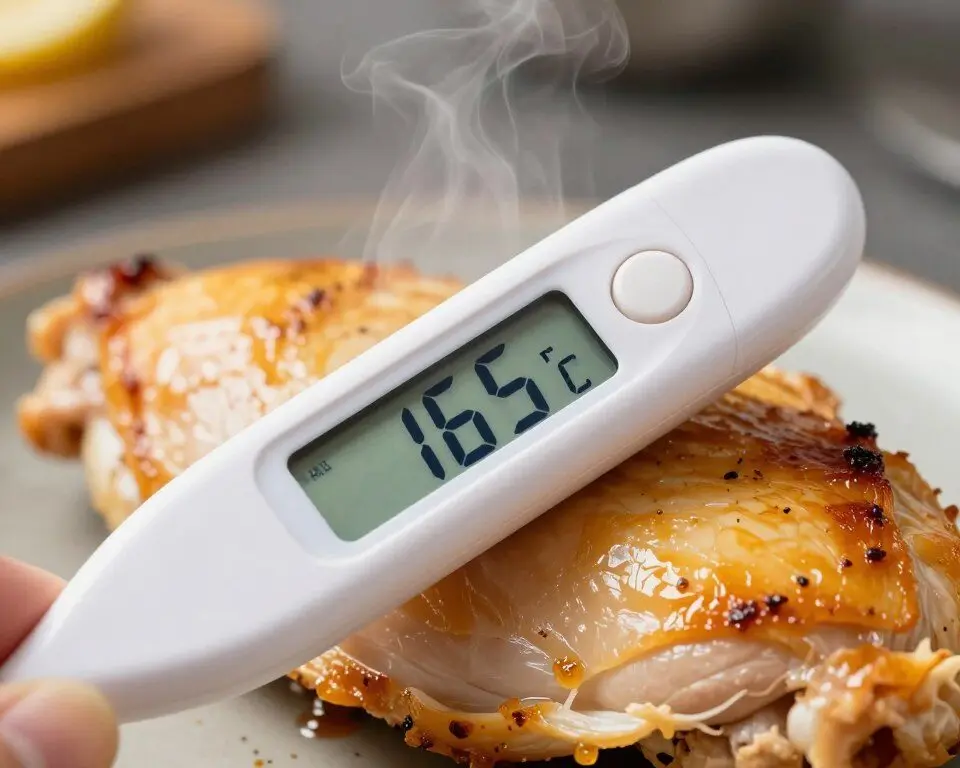
If you notice your chicken browning too quickly on top before the internal temperature reaches 165 degrees, loosely tent it with foil for the remaining cooking time. This prevents burning while allowing the chicken to finish cooking through.
Delicious Seasoning Variations
The basic seasoning in this recipe works beautifully, but baked chicken breasts adapt to countless flavor profiles. Here are some of my favorite variations.
Italian Herb Chicken
Replace the basic seasonings with Italian seasoning blend, garlic powder, salt, pepper, and a sprinkle of parmesan cheese. Add fresh basil leaves and tomato slices instead of lemon. The parmesan creates a delicious crust.
Cajun Spiced Chicken
Use a cajun or creole seasoning blend for bold, spicy flavor. These pre-made blends contain paprika, cayenne, garlic, onion, and herbs. Perfect for serving over rice or in jambalaya.
Lemon Garlic Chicken
Double the garlic powder, add lemon zest to your seasoning mix, and use extra lemon slices. Finish with fresh chopped parsley after baking. Bright and perfect for spring dinners.
Mexican-Style Chicken
Use cumin, chili powder, paprika, garlic powder, onion powder, and a pinch of cayenne. Add lime slices instead of lemon. Great for tacos, burrito bowls, or enchiladas.
Honey Mustard Chicken
Mix Dijon mustard with honey and brush over the chicken breasts before adding a simple salt, pepper, and garlic seasoning. The glaze caramelizes beautifully in the oven.
Ranch Chicken
Use ranch seasoning mix combined with garlic powder and paprika. Serve with a drizzle of ranch dressing after baking for ultimate comfort food.
Feel free to experiment with your favorite spice blends. The high-heat baking method works with any seasoning combination. Just make sure to coat the chicken breasts thoroughly with oil first, then apply your seasonings.
What to Serve with Baked Chicken Breasts
These versatile chicken breasts pair with almost anything. They work as the centerpiece of a complete dinner or as a protein to add to other dishes throughout the week.
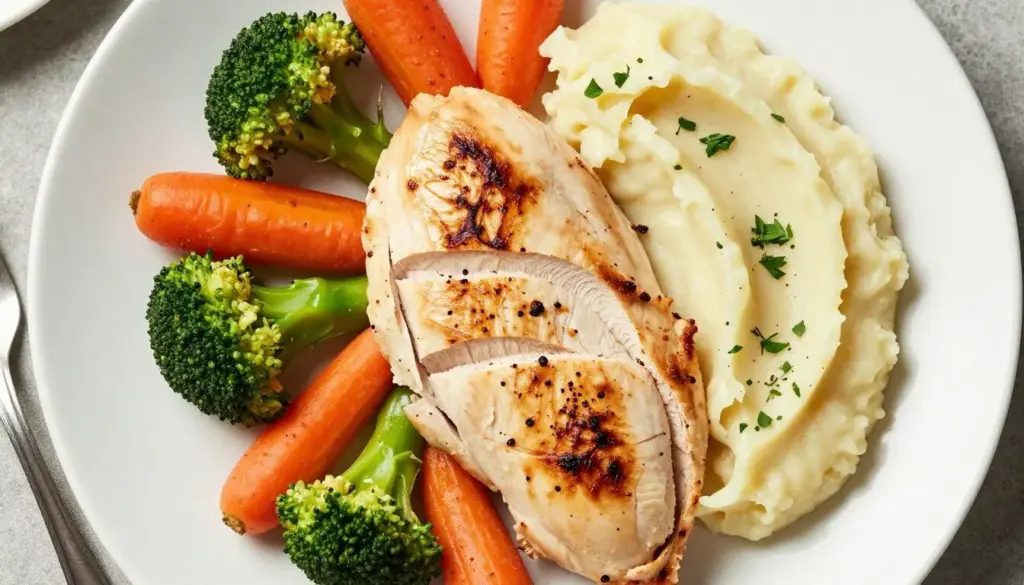
Complete Meal Ideas
- Roasted Vegetables – Toss Brussels sprouts, broccoli, cauliflower, or asparagus with olive oil, salt, and pepper. Roast them on a separate baking sheet at 425 degrees while your chicken bakes. Everything finishes around the same time.
- Mashed Potatoes – Creamy mashed potatoes are classic comfort food alongside baked chicken. The pan drippings from the chicken make an excellent gravy when whisked with a little flour and milk.
- Rice and Grains – Serve over brown rice, quinoa, or couscous. The pan drippings soak into the grains, adding tremendous flavor. This is my go-to for meal prep.
- Fresh Salads – A crisp green salad with cucumber, tomatoes, and vinaigrette balances the richness of the chicken. Or try a Caesar salad with sliced chicken on top.
- Steamed Green Beans – Simple steamed green beans with butter, garlic, and almonds make an elegant side that takes just minutes to prepare.
Using Leftover Baked Chicken
This recipe is perfect for meal prep because the chicken stays delicious for days. Store cooled chicken in an airtight container in the refrigerator for up to four days. Here are great ways to use leftover baked chicken breasts:
- Slice for salads, wraps, or sandwiches
- Dice for pasta dishes, casseroles, or pizza topping
- Shred for chicken tacos, enchiladas, or quesadillas
- Chop for chicken salad with mayo, celery, and grapes
- Add to soups like chicken noodle or tortilla soup
- Mix into grain bowls with quinoa, veggies, and dressing
To reheat, place chicken in a baking dish with a splash of chicken broth or water. Cover with foil and heat at 350 degrees for about 10 minutes. The liquid keeps the chicken from drying out during reheating.
Common Mistakes to Avoid
Even with a foolproof recipe, certain mistakes can sabotage your results. Here’s what to watch out for when you bake chicken breasts.
Don’t Cut Into Chicken to Check Doneness: This is the number one mistake home cooks make. Every time you cut into chicken, precious juices escape. Use a thermometer instead. It’s faster, more accurate, and keeps your chicken juicy.
- Using Cold Chicken – Chicken straight from the refrigerator cooks unevenly. The outside overcooks while the center stays cold. Always let chicken sit at room temperature for 15 to 20 minutes before baking.
- Skipping the Oil – Oil serves multiple purposes. It helps seasonings stick, prevents sticking to the pan, and keeps the surface moist. Don’t skip this step even if you’re watching calories.
- Overcooking – Chicken continues cooking during the rest period. Remove it from the oven when it hits 160 degrees. By the time it rests, the internal temperature will reach 165 degrees, which is perfectly safe.
- Not Preheating the Oven – Putting chicken in a cold oven means longer cooking time and less predictable results. Always preheat fully to 450 degrees before the chicken goes in.
- Using a Glass Dish at High Temperature – Many glass baking dishes have maximum temperature limits of 425 degrees. Check your dish. If it can’t handle 450 degrees, use a metal baking sheet or roasting pan instead.
- Forgetting to Season Both Sides – Season the chicken liberally on both sides. The bottom side gets just as much exposure to heat and needs flavor too.
If your baked chicken consistently comes out dry, you’re likely cooking it too long. Chicken breasts cook faster than most people expect at high temperature. Trust your thermometer and remove the chicken as soon as it hits temperature.
Complete Recipe Card
Perfect Oven Baked Chicken Breasts
Tender, juicy baked chicken breasts with incredible flavor. High-heat method ensures perfect results every time.
Ingredients
- 4 boneless skinless chicken breasts (about 2 pounds total)
- 1.5 tablespoons olive oil or avocado oil
- 1 teaspoon garlic powder
- 1 teaspoon onion powder
- 1 teaspoon paprika
- 1/2 teaspoon chili powder
- 1 teaspoon salt
- 1/2 teaspoon black pepper
- 1 tablespoon dried parsley
- 1.5 tablespoons butter (optional)
- 1 lemon, sliced (optional)
Instructions
- Preheat oven to 450 degrees Fahrenheit. Pour olive oil into a 9×13 inch baking dish.
- If chicken breasts are very large, slice them in half horizontally. Pat all chicken pieces dry with paper towels.
- In a small bowl, mix garlic powder, onion powder, paprika, chili powder, salt, pepper, and parsley.
- Place chicken breasts in the baking dish. Turn to coat both sides with oil.
- Sprinkle seasoning mixture over both sides of chicken breasts. Rub seasonings in with your hands.
- Place a small pat of butter on each chicken breast if using. Arrange lemon slices around the chicken.
- Bake uncovered for 18 minutes. Check internal temperature with a thermometer.
- When the thickest part reaches 165 degrees, remove from oven. Cover dish with aluminum foil.
- Let chicken rest under foil for 5 to 10 minutes before serving.
- Spoon pan drippings over chicken before serving.
Recipe Notes
- Serving Size: 1 chicken breast
- Prep Time: 5 minutes
- Cook Time: 20 minutes
- Rest Time: 5 minutes
- Total Time: 30 minutes
- Servings: 4
- Calories: Approximately 210 per serving
Storage Instructions
Store cooled chicken in an airtight container in the refrigerator for up to 4 days. Reheat gently with a splash of broth to maintain moisture.
To freeze, place cooled chicken in a freezer-safe container or bag. Freeze for up to 3 months. Thaw in refrigerator overnight before reheating.
Nutrition Information
Per serving: Calories 210, Protein 24g, Fat 12g, Saturated Fat 3g, Carbohydrates 2g, Sodium 650mg
Frequently Asked Questions
How long do you bake chicken breasts at 450 degrees?
Bake chicken breasts at 450 degrees for 18 to 23 minutes depending on thickness. Use an instant-read thermometer to check doneness. The internal temperature should reach 165 degrees Fahrenheit at the thickest part. Smaller breasts around 6 ounces finish closer to 18 minutes, while larger 10-ounce pieces need the full 23 minutes.
Should I cover chicken breasts when baking?
No, bake chicken breasts uncovered for most of the cooking time. This allows the exterior to brown and develop flavor. Cover with foil only after removing from the oven, during the rest period. Some recipes suggest covering during the last few minutes if the chicken browns too quickly, but generally uncovered baking produces the best results.
Why is my baked chicken breast always dry?
Dry chicken results from overcooking. Most people bake chicken too long at too low a temperature. Use high heat (450 degrees) for a shorter time (18 to 23 minutes). Always use a meat thermometer and remove chicken at exactly 165 degrees. The rest period allows carryover cooking without overdoing it. Coating chicken with oil before baking also helps retain moisture.
Do I need to pound chicken breasts before baking?
You should pound chicken breasts if they have uneven thickness. Most chicken breasts are thicker on one end and taper to a thin point. Pounding creates uniform thickness so everything cooks evenly. Without pounding, the thin end overcooks and dries out before the thick portion finishes. Place chicken between plastic wrap and gently pound the thick sections until they match the rest.
Can I bake chicken breasts from frozen?
You can bake frozen chicken breasts, but results won’t be as good as with thawed chicken. Frozen chicken takes about 50 percent longer to cook and the exterior often overcooks before the center thaws and cooks through. For best results, thaw chicken completely in the refrigerator before cooking. This takes about 24 hours for a package of chicken breasts.
What temperature should baked chicken breast be?
The safe internal temperature for cooked chicken is 165 degrees Fahrenheit as measured at the thickest part of the breast. Use an instant-read thermometer inserted into the center of the chicken, avoiding the pan. The temperature will rise 5 to 10 degrees during the rest period, so you can remove chicken from the oven when it reaches 160 degrees if you prefer.
Final Thoughts
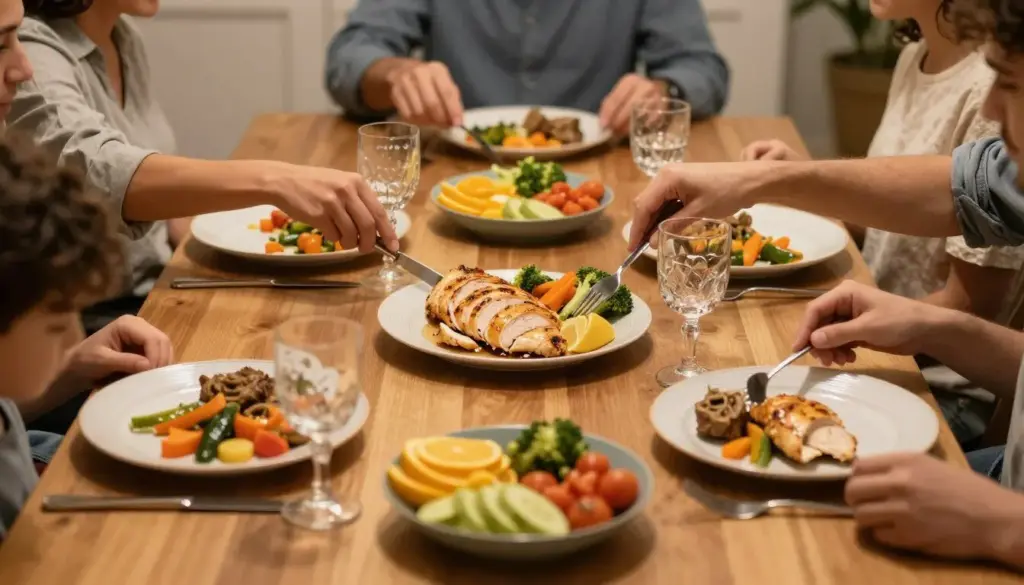
This oven baked chicken breasts recipe solves the age-old problem of dry, flavorless chicken. The high-heat method combined with proper seasoning and a rest period produces chicken that’s genuinely delicious, not just acceptable.
Once you master this basic technique, you’ll find yourself returning to it again and again. It’s quick enough for busy weeknights but impressive enough for company. The ability to customize seasonings means you never get bored, and the versatility of baked chicken breast means it fits into countless meals throughout the week.
Remember the key points: high heat, don’t overcook, season generously, and always rest your chicken before cutting. Follow these principles and you’ll serve tender juicy chicken every single time. Your days of dry, disappointing baked chicken are officially over.