Every year, millions of people observe the Lent season. Yet many feel confused about what the rules actually require. You might wonder if you’re doing it right. You might worry about accidentally breaking a fasting rule.
The truth is simpler than you think. Lent doesn’t have to be complicated. This guide cuts through the confusion with clear answers about dates, rules, fasting practices, and what genuinely counts during these forty days.
Whether you’re completely new to Lent or returning after years away, you’ll find straightforward explanations without religious jargon. No judgment, no pressure. Just practical clarity for a meaningful Lent season in 2026.
What Is Lent Season?
Lent season marks forty days of spiritual preparation before Easter Sunday. This Christian observance echoes the forty days Jesus Christ spent fasting in the desert. During that time, he faced temptation but remained faithful to his purpose.
The word “Lent” comes from old English meaning “spring season.” It represents renewal and new growth. Christians use this time for prayer, fasting, and reflection on their faith journey.
Lent serves as a season of preparation for Easter. It invites believers to examine their lives honestly. People focus on growing closer to God through specific practices like giving up certain habits or adding spiritual disciplines.
Many Christians observe Lent across different denominations. Catholics, Lutherans, Anglicans, Methodists, and Orthodox Christians all participate. Each tradition brings slightly different practices, but the core purpose remains the same.
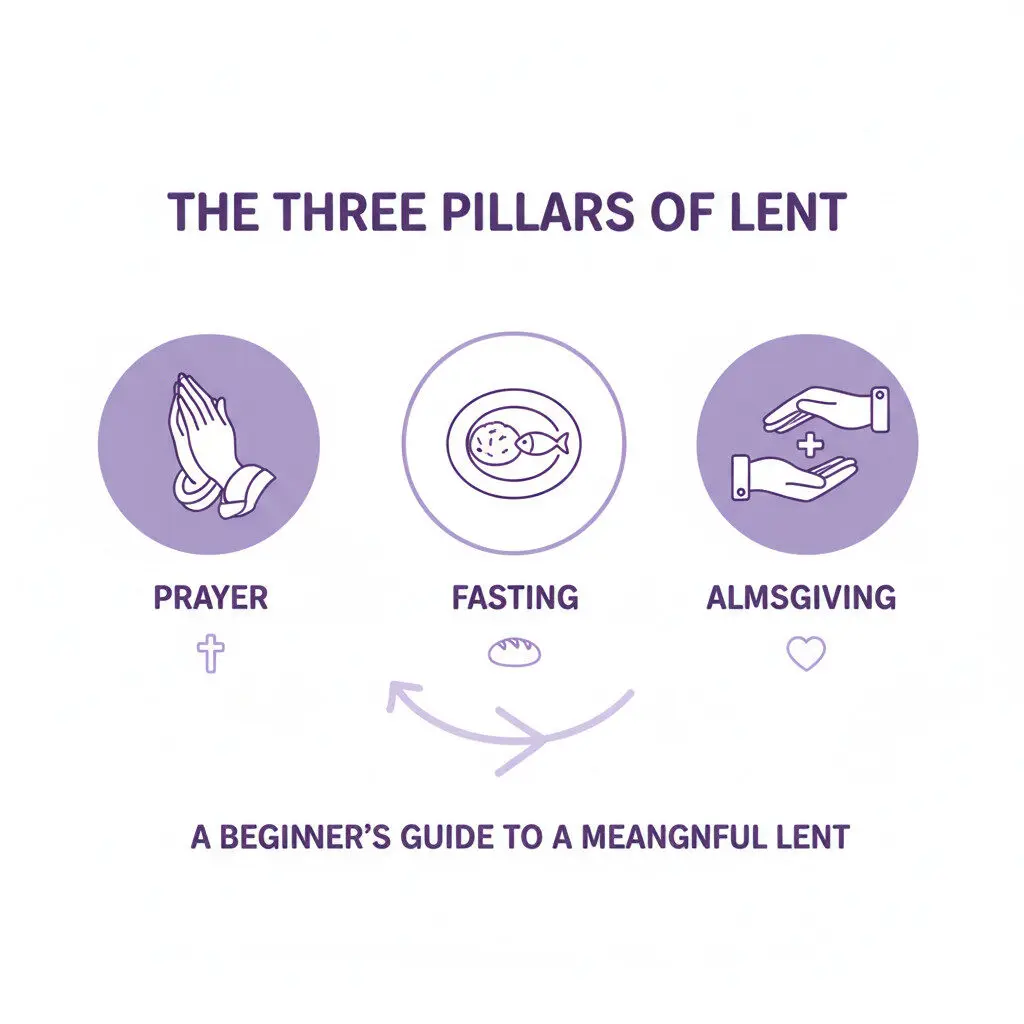
The season emphasizes three main practices. These pillars include prayer for connection with God, fasting as self-discipline, and almsgiving to help others. Together, these practices create a holistic spiritual experience.
Lent still matters today because it offers structured time for spiritual growth. In our busy world, these forty days create intentional space. People step back from distractions to focus on what truly matters in their faith and character.
Modern observers find Lent valuable for personal development too. The discipline of giving something up strengthens willpower. The focus on service and charity builds compassion. Even those outside traditional religious practice appreciate these benefits.
New to Lent? Start Here.
Download your free Lent Starter Guide with everything you need for a meaningful forty days. Simple explanations, key dates, and practical ideas—no experience required.
When Does Lent Start and End?
When Does Lent Start?
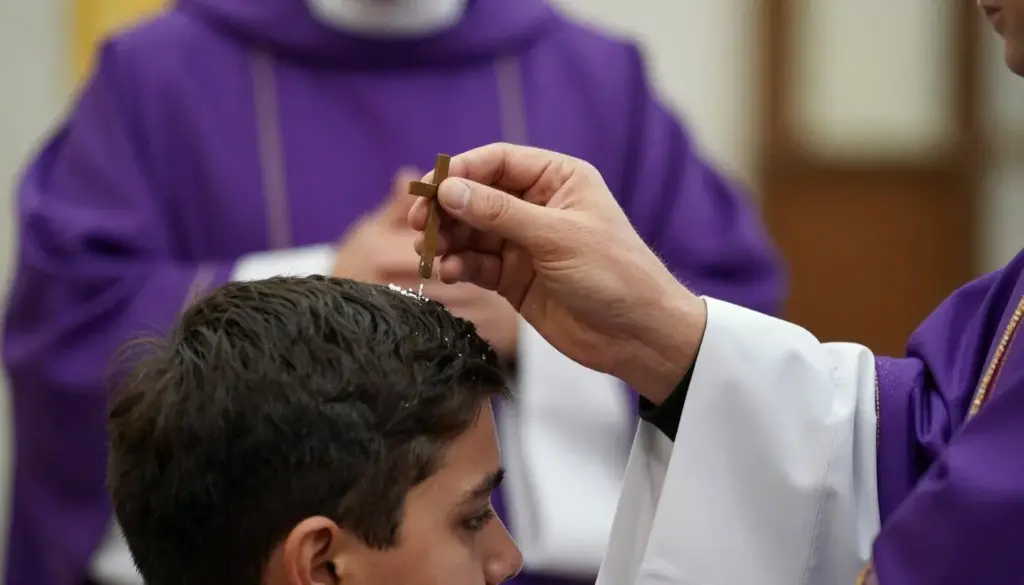
Lent begins on Ash Wednesday every year. This day marks the official start of the Lent season. Churches hold special services where priests or ministers apply ashes to foreheads in the shape of a cross.
The date of Ash Wednesday changes each year. Easter Sunday falls on the first Sunday after the first full moon following the spring equinox. Working backward from that date determines when Lent starts.
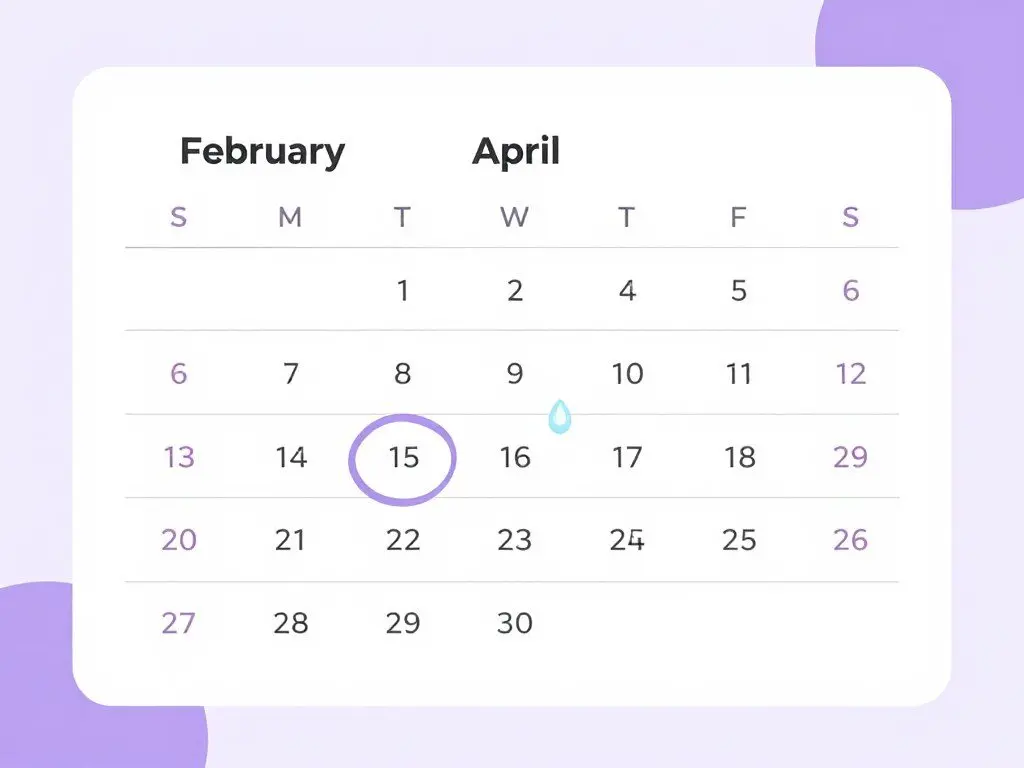
In 2025, Ash Wednesday falls on March 5th. Lent will begin on that Wednesday and continue for the next several weeks. In 2026, Ash Wednesday comes earlier on February 18th.
The ashes used on Ash Wednesday come from burned palm branches. These palms were blessed during Palm Sunday the previous year. The ashes symbolize mortality and the need for repentance.
When receiving ashes, you’ll hear one of two phrases. Either “Remember you are dust and to dust you shall return” or “Turn away from sin and be faithful to the Gospel.” Both remind believers of life’s temporary nature.
When Does Lent End?
Lent ends with the beginning of Holy Week celebrations. The exact endpoint depends on your Christian tradition. Most Catholics consider Lent complete at the start of the Mass of the Lord’s Supper on Holy Thursday evening.
Other traditions extend Lent through Holy Saturday. This approach counts Lent as ending just before the Easter Vigil service begins. Either way, Lent concludes as Easter celebrations commence.

Holy Week represents the final week of Lent. It includes several important days of worship and remembrance. Palm Sunday kicks off Holy Week by commemorating Jesus entering Jerusalem.
Maundy Thursday remembers the Last Supper Jesus shared with his disciples. Good Friday marks Jesus’s crucifixion and death on the cross. Holy Saturday observes the day Jesus lay in the tomb.
Easter Sunday celebrates Jesus’s resurrection from the dead. This joyful day marks the end of the solemn Lent season. The fasting period gives way to celebration and feasting.
In 2026, Easter Sunday falls on April 5th. This means Lent spans from February 18th through early April. The entire season lasts approximately six weeks, creating meaningful time for spiritual growth.
Lent Rules Made Simple
Basic Lent Rules Everyone Should Know
Lent centers on three fundamental practices. Prayer deepens your connection with God through conversation and listening. Fasting teaches self-control by limiting food or other pleasures. Almsgiving helps others through charitable acts and donations.
Every Friday during Lent is a day of abstinence from meat. This practice honors the day Jesus died on the cross. Many Christians skip meat and choose fish, vegetables, or other alternatives instead.
Ash Wednesday and Good Friday stand out as special days. These two days require both fasting and abstinence. Catholics and many other Christians observe stricter practices on these particular days.
Sundays during Lent don’t count toward the forty days of fasting. Each Sunday celebrates the resurrection like a “little Easter.” You can relax your Lenten sacrifice on Sundays if you choose.
The Lent season encourages giving up something meaningful. Popular choices include chocolate, social media, television, or alcohol. The point isn’t suffering but creating space for spiritual growth.
Catholic Lent Rules for Adults
Catholic adults between ages eighteen and fifty-nine must fast on Ash Wednesday and Good Friday. Fasting means eating only one full meal during the day. Two smaller meals that together don’t equal a full meal are also allowed.
Abstinence from meat applies to Catholics age fourteen and older. This rule covers every Friday during Lent plus Ash Wednesday. Meat includes beef, pork, chicken, and other animal flesh.

Fish and seafood don’t count as meat for Catholic Lent rules. Cold-blooded creatures from water are permitted. This explains why fish fries become popular at Catholic churches during Lent season.
Certain people receive exemptions from fasting requirements. Pregnant women, nursing mothers, and those with health conditions don’t need to fast. Manual laborers whose work demands physical strength are also excused.
If you’re sick or unable to fast for health reasons, don’t worry. The Church understands medical needs come first. You can substitute other forms of penance like extra prayer or charitable service.
Age exemptions exist for practical reasons. Young children under fourteen aren’t required to abstain from meat. Adults over fifty-nine aren’t obligated to fast, though many choose to continue these practices.
Lent Rules for Beginners
Start small if you’re new to Lent. You don’t need to tackle every traditional practice immediately. Choose one meaningful sacrifice or spiritual discipline that fits your current life situation.
Giving up a habit works better than giving up a food. Consider limiting screen time, reducing social media use, or skipping your morning coffee. The goal is creating space for prayer and reflection.
Adding a positive practice can be more powerful than giving something up. Try reading a short daily devotional. Spend ten minutes in prayer each morning. Volunteer once per week at a local charity.
Don’t stress about perfection during your first Lent season. Missing a day or slipping up doesn’t ruin the entire season. Lent emphasizes progress and growth, not flawless performance.
Join with others for support and encouragement. Many churches offer Lent study groups or prayer gatherings. Friends observing Lent can check in with each other and share the journey.
Remember that intention matters more than rigid rule-following. God values sincere effort over technical compliance. Approach Lent with an open heart rather than anxious perfectionism.
Lent Fasting and Abstinence Explained
What Is Lent Fasting?
Fasting during Lent means eating less food than usual. The practice teaches self-control and dependence on God rather than physical comfort. It creates physical hunger that reminds you of spiritual hunger.
Traditional Catholic fasting allows one normal meal per day. You can also have two smaller meals or snacks. The key rule states that the two smaller portions together shouldn’t equal another full meal.
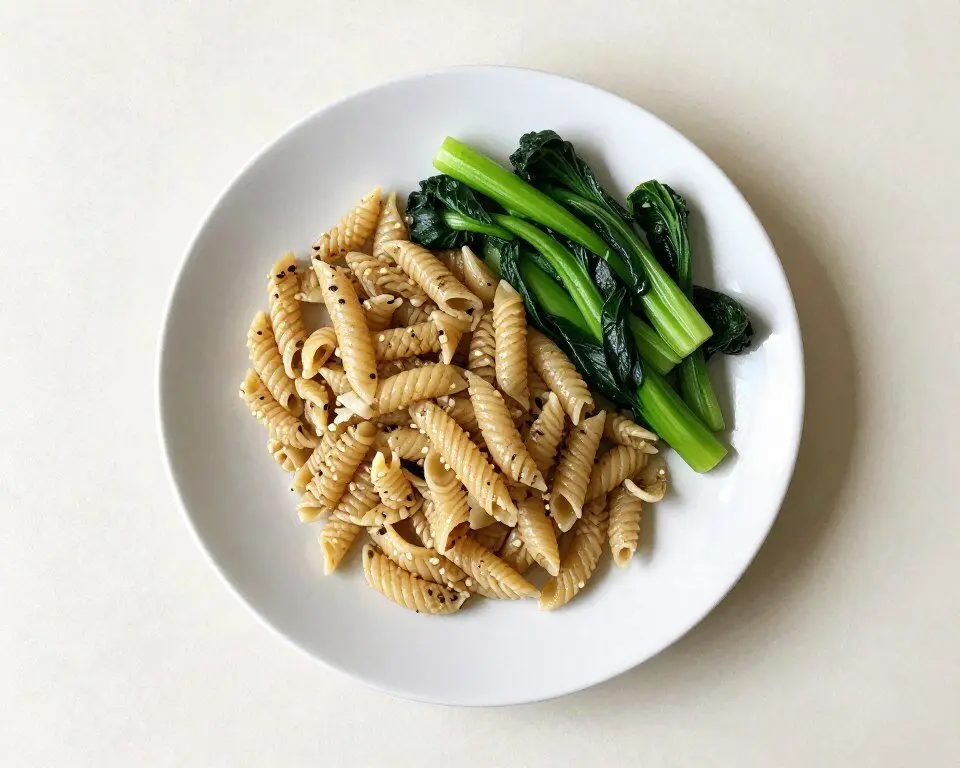
Fasting differs from abstinence in important ways. Fasting limits the amount of food you eat. Abstinence restricts the type of food, specifically avoiding meat products.
Many people find fasting challenging at first. Your body adjusts over time to eating less. Start gradually if complete fasting feels too difficult initially.
Fasting serves spiritual purposes beyond hunger. The time you save from meal preparation can go toward prayer. The money saved from fewer or simpler meals can help others through charitable giving.
Modern fasting takes various forms beyond food. Some people fast from television, social media, or entertainment. These practices create mental and emotional space for spiritual focus just as effectively as food fasting.
Days of Fasting During Lent
Ash Wednesday requires fasting for Catholics aged eighteen to fifty-nine. This first day of Lent sets the tone for the season ahead. The combination of receiving ashes and fasting creates a powerful beginning.
Good Friday stands as the other required fasting day. This day remembers Jesus’s death on the cross. Fasting on Good Friday honors his sacrifice through personal sacrifice.
Some Christians choose to fast more frequently during Lent. Every Friday offers an opportunity for voluntary fasting. Some people fast on Wednesdays too, following early church traditions.

The forty days of Lent technically allow for fasting every weekday. Sundays remain feast days celebrating resurrection. Most modern Catholics fast only on the two required days, though stricter practices existed historically.
Eastern Orthodox Christians follow different fasting rules. Their Great Lent involves stricter dietary restrictions. Orthodox believers often avoid all animal products including dairy and eggs throughout the season.
What Can You Eat During Lent?
You can eat most foods during Lent season. Vegetables, fruits, grains, beans, and legumes are always allowed. Dairy products like milk, cheese, and eggs remain acceptable for Catholics and most Western Christians.
Fish and seafood don’t count as meat in Catholic tradition. Salmon, tuna, shrimp, and other aquatic animals are permitted. This explains the popularity of fish dinners at churches during Friday Lent observances.
Meat from mammals and birds requires abstinence on Fridays. Beef, pork, chicken, lamb, and other animal flesh shouldn’t be eaten. This restriction applies every Friday throughout the Lent season.

Common misconceptions about Lent eating exist. Some people think all enjoyable food must be avoided. Actually, the food just needs to follow the meat abstinence rules. Delicious vegetarian meals are perfectly acceptable.
Beverages don’t typically face restrictions during Lent. Water, juice, coffee, and tea remain fine to drink. Some people choose to give up alcohol or soda as a personal Lenten sacrifice.
Condiments and cooking oils aren’t restricted. You can use butter, olive oil, and other fats. The goal centers on avoiding meat, not making food bland or unpalatable.
Restaurant eating during Lent requires some attention. Many restaurants now offer “Lent specials” with fish options. You can also build meals from vegetarian menu items on meatless days.
What Actually Counts During Lent?

Intention matters more than perfect execution during Lent season. God values sincere effort over flawless rule-following. Your heart’s direction counts more than technical compliance with every detail.
Missing a day of your Lenten sacrifice doesn’t ruin everything. Life happens, and slip-ups occur. Simply acknowledge the mistake, learn from it, and continue your Lent journey the next day.
The purpose behind your sacrifice holds greater weight than the sacrifice itself. Giving up chocolate while remaining irritable and impatient misses the point. Growing in patience and kindness matters more than any specific food restriction.
Accidentally eating meat on Friday isn’t a crisis. If you genuinely forgot the day or didn’t realize the food contained meat, don’t stress. The Church understands honest mistakes differ from deliberate disregard.
Legalistic rule-keeping without spiritual growth defeats Lent’s purpose. Jesus criticized religious leaders who focused on minor rules while ignoring justice and mercy. The same principle applies to modern Lent observance.
Personal circumstances affect what counts for your Lent. A parent caring for sick children has different capacity than a single person. A person working two jobs faces different constraints than someone with flexible time.
Comparison with others doesn’t help during Lent season. Someone else’s dramatic sacrifice might not fit your life. Your modest but sincere effort holds equal value in spiritual terms.
Common Lent Misunderstandings
- Thinking perfection is required
- Believing slip-ups ruin everything
- Assuming harder always means better
- Focusing only on food restrictions
- Neglecting prayer and service
- Comparing your practice to others
What Really Counts
- Sincere effort and intention
- Growing in faith and character
- Choosing appropriate challenges
- Balancing all three pillars
- Serving others with love
- Personal spiritual growth
The three pillars work together during Lent. Prayer without service becomes self-centered. Fasting without prayer becomes just a diet. Giving without spiritual connection becomes mere philanthropy.
Small, consistent efforts often produce better results than dramatic gestures. Daily five-minute prayer builds more than sporadic hour-long sessions. Weekly volunteer work creates more impact than one-time donations.
Your Lenten practice should draw you closer to God. If your chosen sacrifice makes you cranky, judgmental, or proud, reconsider it. The right practice produces humility, patience, and increased compassion.
What counts most is movement toward becoming more loving. This transformation happens gradually through small daily choices. Lent provides structure and time for this essential spiritual work.
Why Lent Still Matters Today

Modern life moves at overwhelming speed. Constant notifications, endless tasks, and digital distractions fragment our attention. Lent offers structured time to slow down and refocus on what truly matters.
The discipline of sacrifice builds character strength. Choosing to give up something pleasant trains your willpower. This mental muscle helps in all areas of life beyond religious practice.
Fasting teaches you to distinguish needs from wants. Our consumer culture constantly tells us we need more. Lent helps you realize you can thrive with less than you thought necessary.
Prayer during Lent creates space for reflection. Regular quiet time helps you process emotions and experiences. This practice improves mental health and emotional regulation.
Serving others through almsgiving builds empathy and connection. Helping people in need reminds you of shared humanity. These acts combat the isolation many people feel in modern society.
Lent season provides community through shared experience. Millions of people worldwide observe these forty days together. This connection offers support and accountability for personal growth.

The rhythm of Lent aligns with natural cycles of renewal. Spring arrives as Lent progresses toward Easter. This seasonal timing reinforces themes of new growth and fresh starts.
Even non-religious people find value in Lent practices. The structure helps anyone wanting to break bad habits or build good ones. Forty days provides enough time to create lasting change.
Lent reminds us that transformation takes time. Quick fixes rarely produce lasting results. These forty days teach patience with the slow work of personal growth.
The season challenges consumer culture’s empty promises. Advertisements constantly suggest happiness comes from buying more. Lent demonstrates that meaning comes from simplicity and service instead.
Facing your limits during Lent builds healthy humility. Recognizing you can’t do everything perfectly helps. This honest self-assessment creates room for grace and growth.
The anticipation of Easter makes the journey worthwhile. Lent isn’t punishment but preparation for celebration. The contrast between sacrifice and joy makes both more meaningful.

40-Day Prayer Journal
Guided daily prompts help you reflect throughout Lent. Simple questions spark deeper thinking about faith and growth.

Video Teaching Series
Short videos explain Lent practices in clear, friendly terms. Watch on your schedule, learn at your own pace.
Complete Resource Bundle
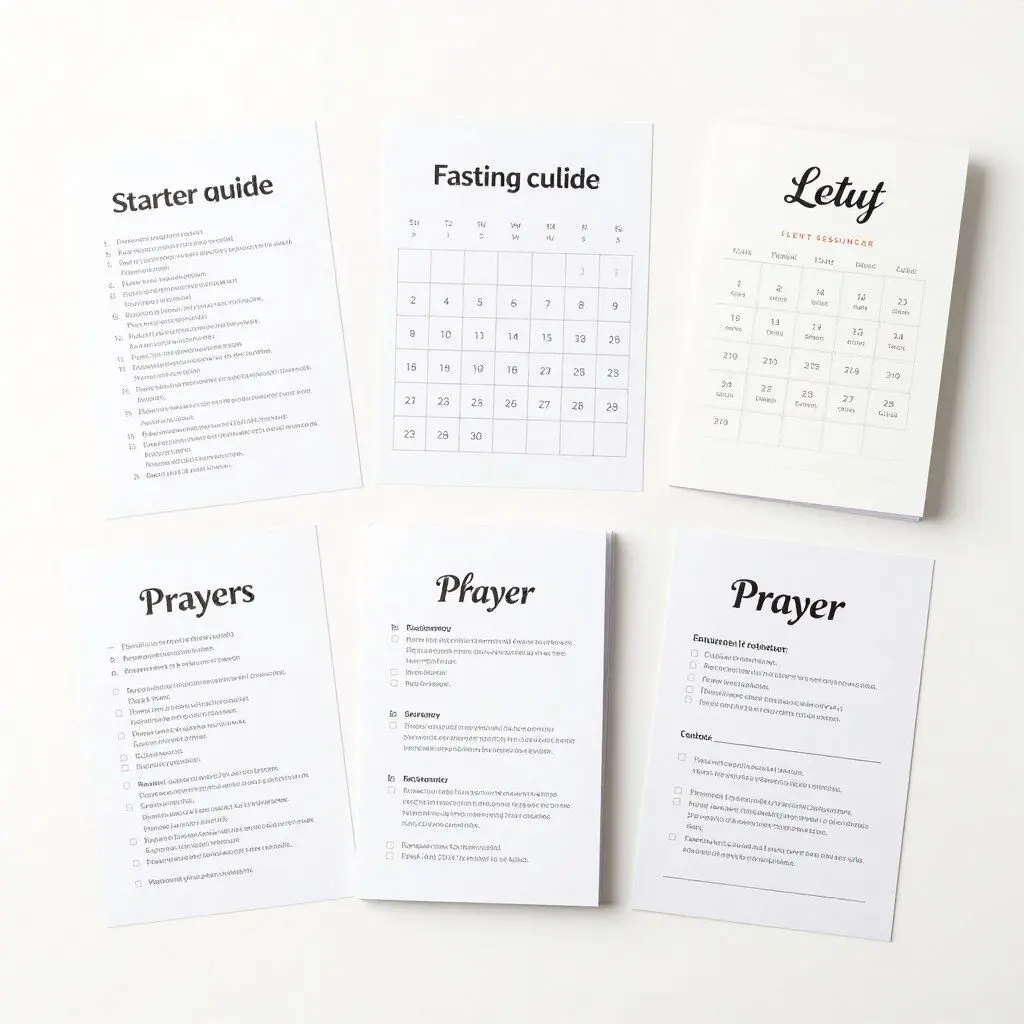
Everything you need in one package. Includes starter guide, daily emails, prayer journal, and video access.
Your Lent Journey Starts Here

Lent season doesn’t have to feel overwhelming or confusing. The basics are straightforward—forty days from Ash Wednesday to Easter for prayer, fasting, and service to others.
Remember that progress matters more than perfection. Your sincere effort counts far more than flawless rule-following. God values your willing heart over technical compliance.
Start where you are with what you can manage. Choose one meaningful practice that fits your current life. Small consistent steps produce better results than dramatic unsustainable gestures.
The Lent season offers precious time for spiritual growth. These forty days create space to refocus on what truly matters. You’ll emerge on Easter with deeper faith and stronger character.
Whether this is your first Lent or your fiftieth, approach it with openness. Let go of anxiety about doing it perfectly. Embrace the journey with its inevitable stumbles and victories alike.
Lent 2026 begins February 18th on Ash Wednesday. Mark your calendar now and prepare your heart. The forty-day journey toward Easter starts soon, and you’re ready to walk it with purpose.