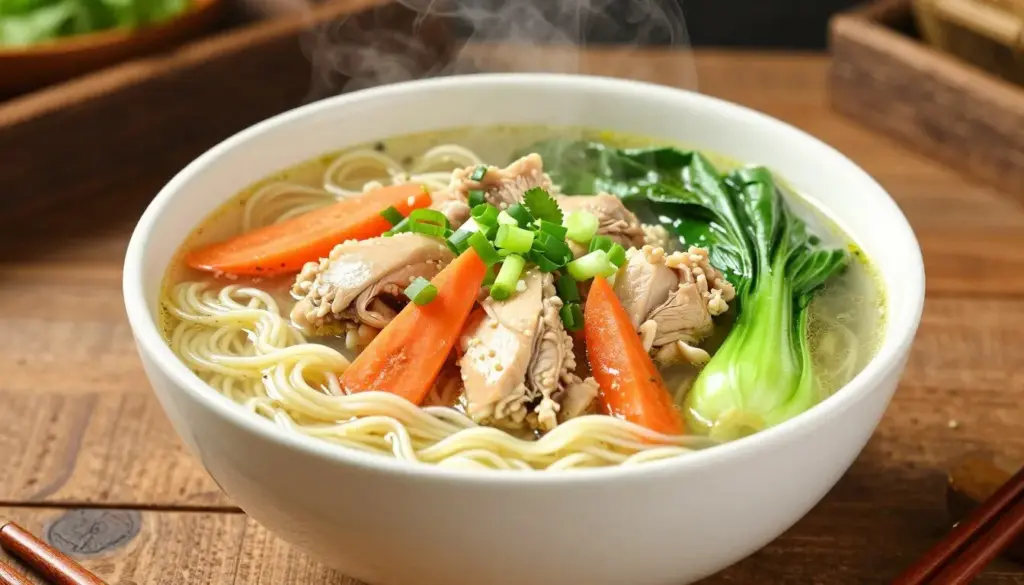
There’s something magical about a steaming bowl of ginger garlic chicken noodle soup on a chilly evening. The aromatic steam rises to greet you, carrying hints of fresh ginger and roasted garlic that promise warmth and comfort. This isn’t just any chicken soup – it’s an elevated version that transforms the classic comfort food into something truly special.
Whether you’re fighting off a cold, craving something nourishing, or simply want to fill your home with incredible aromas, this ginger garlic chicken noodle soup delivers on every level. The combination of tender chicken, slurp-worthy noodles, vibrant vegetables, and that signature ginger-garlic punch creates a bowl of pure happiness.
Why This Ginger Garlic Chicken Noodle Soup Recipe Stands Out
Not all chicken noodle soup recipes are created equal. This ginger garlic version elevates the traditional recipe with Asian-inspired flavors that add depth and complexity. The fresh ginger provides a warming, slightly spicy note that soothes your throat and awakens your senses. Meanwhile, the garlic adds savory richness that makes each spoonful irresistible.
Health Benefits That Matter
Ginger contains powerful anti-inflammatory compounds called gingerols that help reduce inflammation and support your immune system. Garlic cloves are packed with allicin, a compound known for its antibacterial and antiviral properties. Together, they create a healing broth that does more than just taste good.
- Boosts immune system function naturally
- Reduces inflammation throughout the body
- Aids digestion and soothes upset stomach
- Provides essential vitamins and minerals
This recipe works beautifully because it balances flavor intensity with comfort. The broth isn’t overpowering – the ginger and garlic enhance rather than dominate. You get all the healing properties without sacrificing the comforting, familiar taste of classic chicken soup.
Essential Ingredients for Perfect Ginger Garlic Chicken Noodle Soup
Quality ingredients make the difference between good soup and extraordinary soup. Here’s what you’ll need to create this nourishing bowl of comfort:
The Protein Base
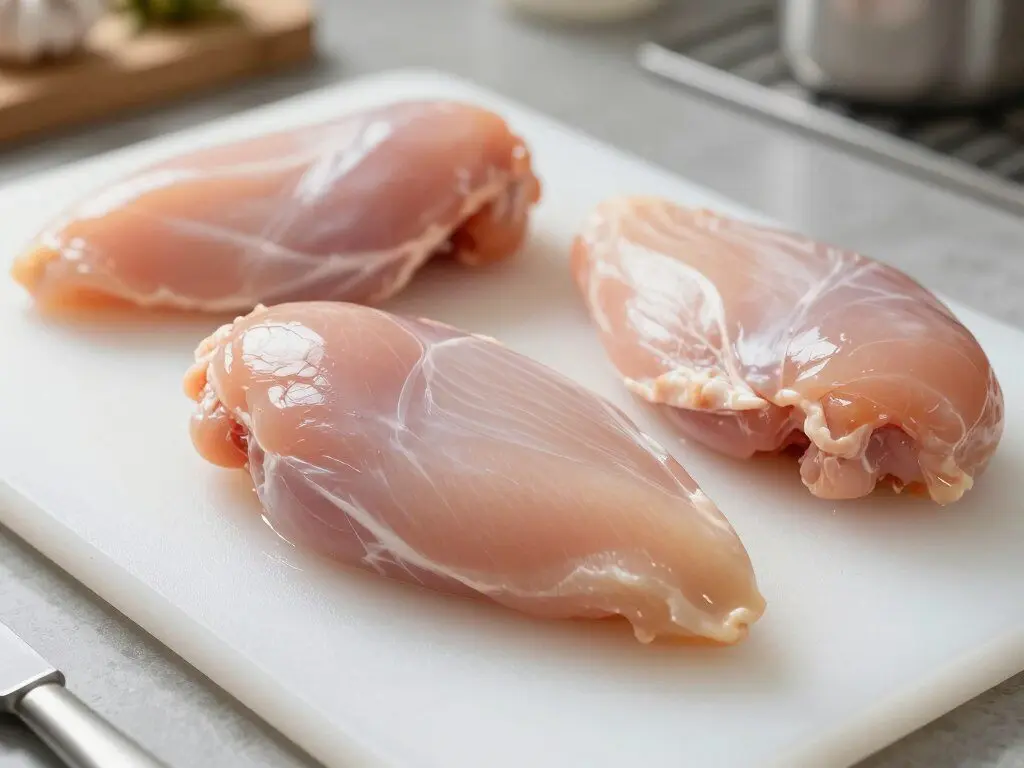
Use boneless, skinless chicken thighs for maximum flavor and tenderness. Chicken breast works too, but thighs stay moist and add richness to the broth. You’ll need about two pounds of chicken for a hearty pot of soup that serves six people.
- Chicken thighs provide richer flavor
- Rotisserie chicken saves time
- Pre-cooked chicken reduces cooking time
The Aromatic Stars
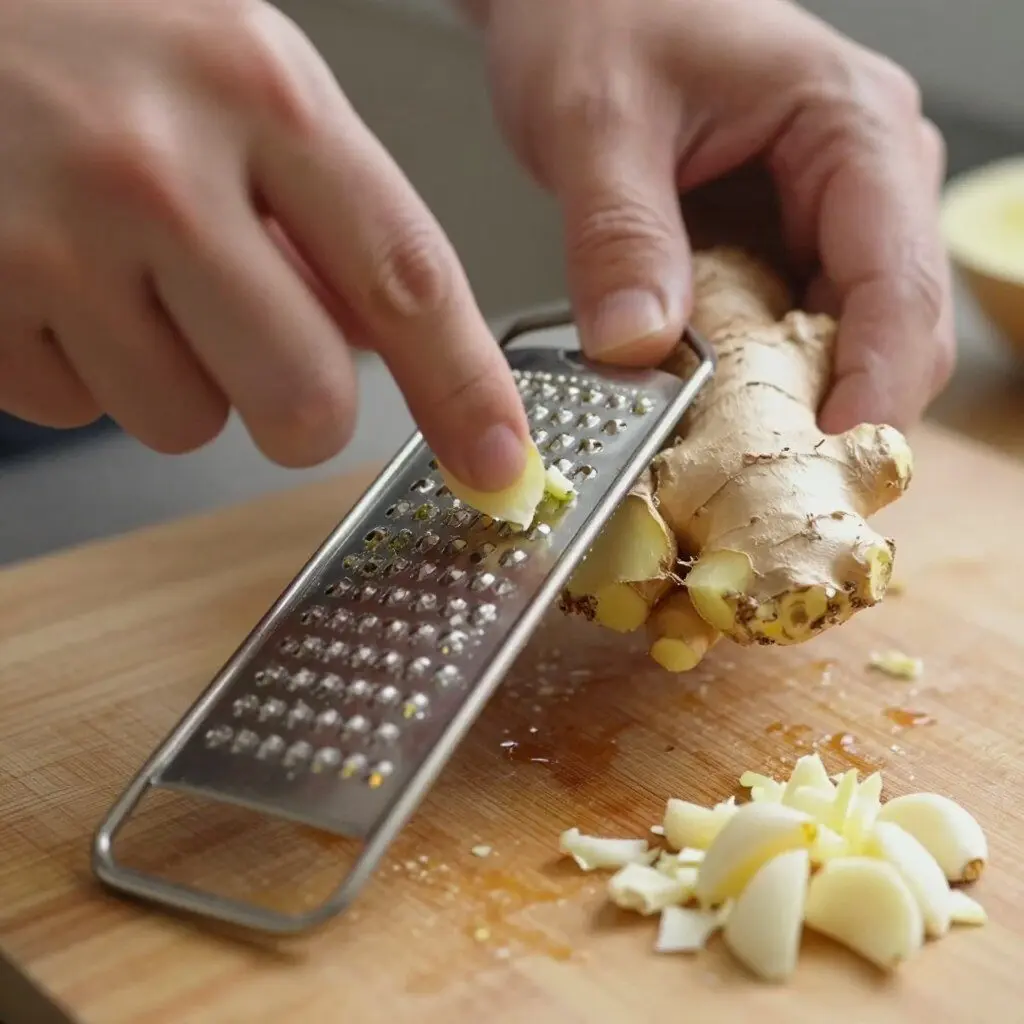
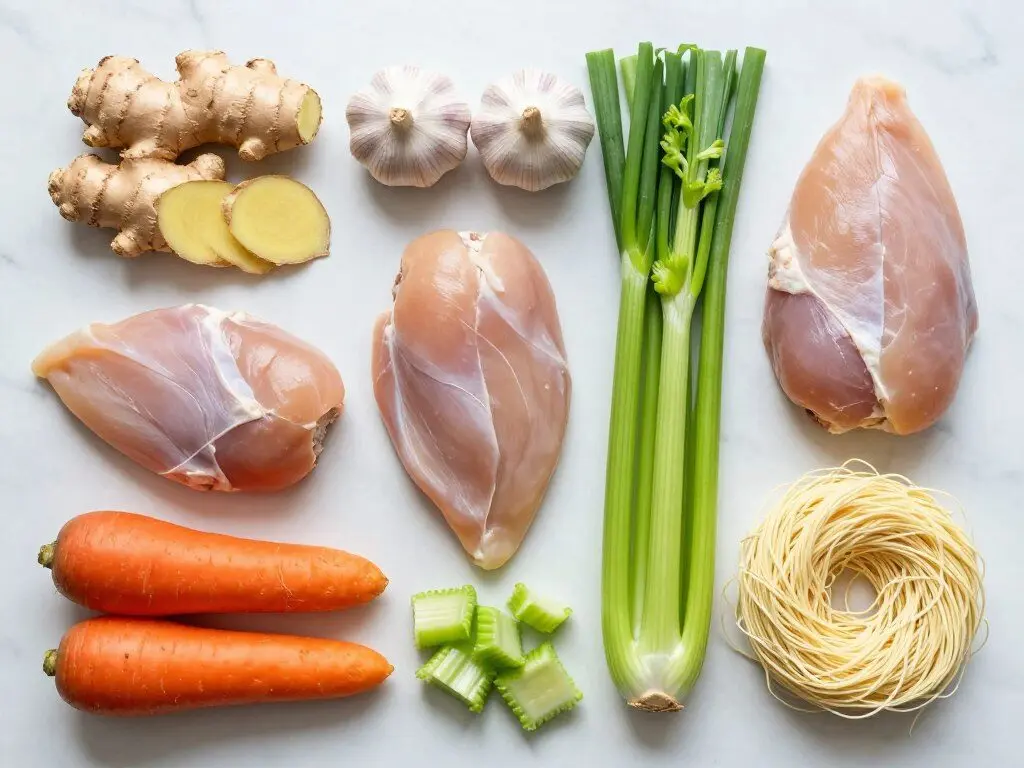
Fresh ginger is non-negotiable – it’s what makes this ginger chicken noodle soup special. You’ll need about two tablespoons of grated fresh ginger. Pair it with four to six garlic cloves, minced. These aromatics create the signature flavor profile.
- Fresh ginger beats dried every time
- Grate ginger for maximum flavor release
- Mince garlic just before cooking
The Broth Foundation
Start with eight cups of low-sodium chicken broth or homemade stock. The lower sodium content lets you control the salt level and prevents the soup from becoming too salty as it simmers. Quality broth makes a noticeable difference in the final taste.
- Low-sodium broth prevents over-salting
- Homemade bone broth adds extra nutrients
- Vegetable broth works for vegetarian versions
Pro Ingredient Tip
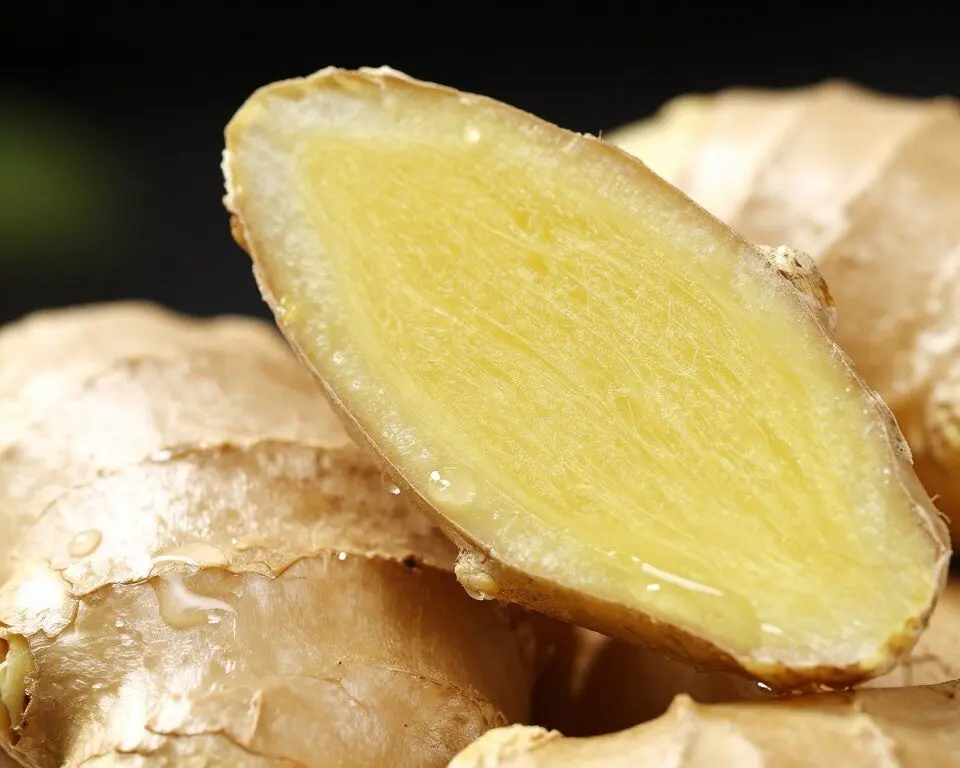
When selecting ginger, look for firm roots with smooth, tight skin. Wrinkled or soft ginger has lost moisture and flavor. Store fresh ginger in the freezer – it’s easier to grate when frozen and lasts for months.
Choosing the Right Vegetables and Noodles
The vegetables and noodles you choose affect both texture and nutrition. This ginger garlic chicken noodle soup welcomes a variety of additions, so feel free to customize based on what you have available or prefer.
Vegetable Options That Work Best
Classic Choices
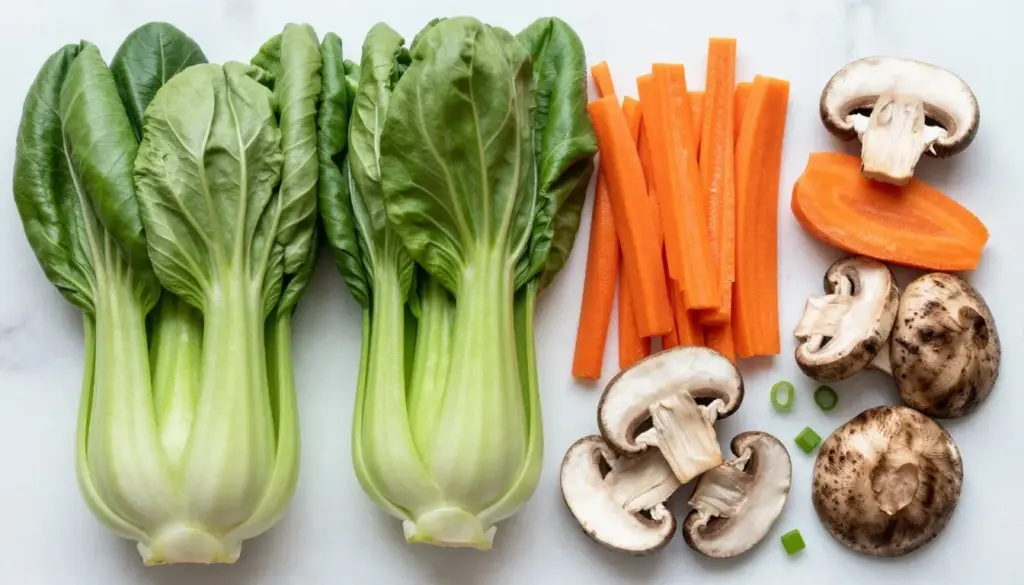
Traditional vegetables like carrots and celery provide sweetness and crunch. Slice carrots into thin matchsticks or rounds so they cook evenly.
- Carrots add natural sweetness
- Celery provides aromatic base
- Green onions offer mild onion flavor
- White onions create savory depth
Asian-Inspired Additions
Bok choy is a fantastic addition to this soup. The leafy greens wilt beautifully while the white stems add a pleasant crunch.
- Baby bok choy stays tender
- Mushrooms add umami depth
- Bell peppers contribute color
- Spinach wilts in minutes
Quick-Cooking Greens
Add delicate greens near the end of cooking time. They need just two to three minutes to wilt perfectly without losing their vibrant color.
- Spinach cooks in two minutes
- Bok choy needs three to four minutes
- Kale holds up to longer cooking
- Swiss chard adds earthy flavor
Root Vegetables
Heartier vegetables need more time. Add them early in the cooking process so they have twenty minutes to become tender.
- Carrots need fifteen to twenty minutes
- Celery softens in ten to fifteen minutes
- Turnips add unique flavor
- Parsnips provide sweetness
Noodle Selection Guide
The noodles you choose change the character of your ginger garlic chicken noodle soup. Each type brings its own texture and cooking requirements.
Best Noodle Choices
- Egg Noodles: Classic choice with soft texture, cook in five to seven minutes
- Rice Noodles: Gluten-free option, soak in hot water for fifteen minutes
- Ramen Noodles: Quick-cooking and fun to slurp, ready in three to four minutes
- Udon Noodles: Thick and chewy texture, add heartiness to soup
Noodles to Avoid
- Angel Hair Pasta: Becomes mushy too quickly in hot broth
- Spaghetti: Too firm and doesn’t absorb broth flavors well
- Rice Vermicelli: Turns to mush if cooked in the soup
- Whole Wheat Pasta: Flavors can clash with Asian-inspired broth
Ready to Start Cooking?
Get our complete recipe card with exact measurements and detailed instructions. Perfect for printing and keeping in your recipe collection.
Step-by-Step Cooking Process for Ginger Garlic Chicken Noodle Soup
Making this chicken noodle soup is straightforward. The entire process takes about forty minutes from start to finish, with most of that time being hands-off simmering. Here’s how to build layers of flavor.
Building the Aromatic Base
Heat two tablespoons of olive oil in a large pot over medium heat. The oil should shimmer but not smoke. This is your flavor foundation. Add your sliced onion first and cook for three to four minutes until it turns translucent. The onion releases its natural sugars and creates a sweet base for your soup.
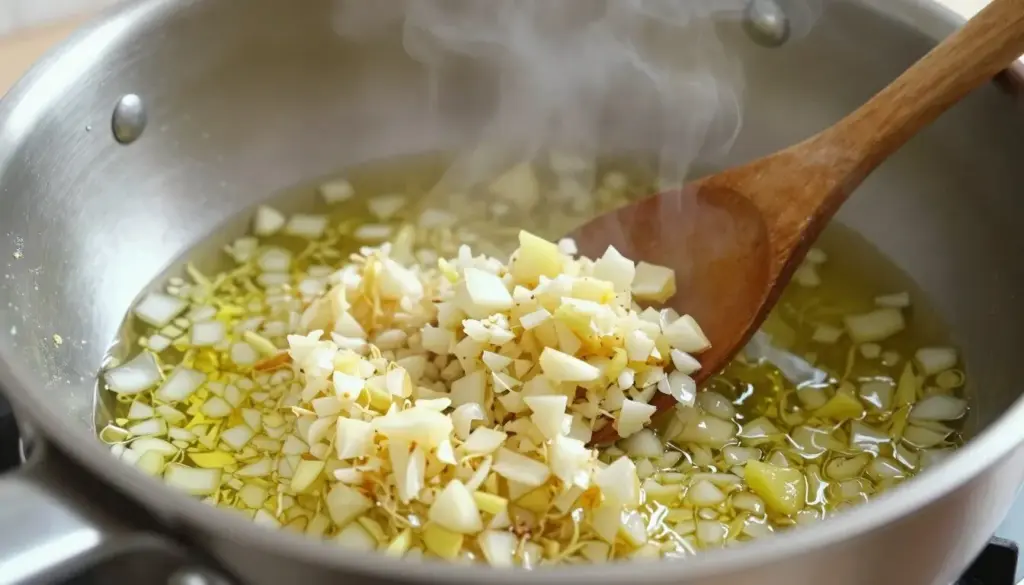
Next comes the magic moment. Add your minced garlic and grated fresh ginger to the pot. Stir constantly for about one minute. You’ll know it’s ready when the kitchen fills with that incredible aroma that makes everyone ask what you’re cooking. Be careful not to let the garlic burn – it turns bitter quickly.
Adding Chicken and Broth
If you’re using raw chicken, add the sliced pieces now. Season with salt and pepper, then cook until the chicken is no longer pink on the outside, about five to seven minutes. The chicken doesn’t need to be fully cooked at this point – it will finish cooking in the broth.
Pour in your eight cups of chicken broth along with two cups of water. The water helps stretch the broth and prevents the soup from becoming too salty. Bring everything to a rolling boil over high heat, then reduce to medium-low for a gentle simmer.
Time-Saving Tip
Using pre-cooked rotisserie chicken cuts your cooking time significantly. Simply add the shredded chicken after the broth has simmered for fifteen minutes. This method works perfectly when you need dinner on the table fast.
Simmering and Flavor Development
Let your soup simmer uncovered for fifteen to twenty minutes. This time allows the flavors to meld together beautifully. The ginger and garlic infuse the broth, creating that signature taste that makes this ginger chicken noodle soup special. During this time, add your harder vegetables like carrots and celery.
Taste your broth at the fifteen-minute mark. Adjust the seasoning with more salt if needed. You can also add a tablespoon of soy sauce for extra umami depth, or a squeeze of fresh lemon juice for brightness. Some cooks like to add a splash of toasted sesame oil for a nutty aroma.
Finishing with Noodles and Greens
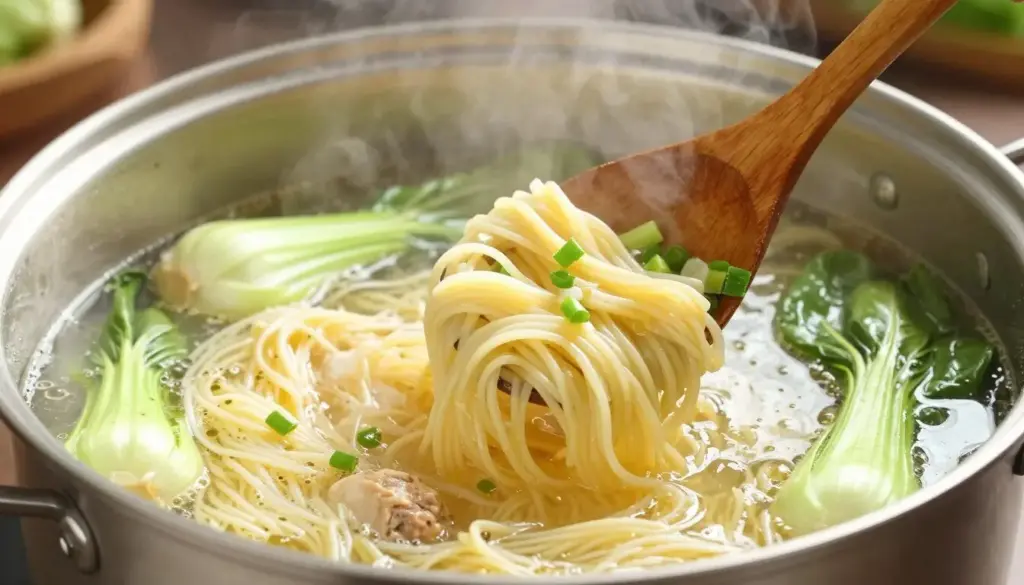
About ten minutes before serving, add your noodles. Follow the package directions, but start checking them two minutes early. Noodles continue cooking in the hot broth even after you turn off the heat. You want them tender but not mushy.
In the final two minutes, stir in your leafy greens. Bok choy, spinach, or other quick-cooking vegetables need just enough time to wilt and turn bright green. Remove the pot from heat as soon as the greens are tender.
Delicious Variations of Ginger Garlic Chicken Noodle Soup
One of the best things about this recipe is its versatility. You can adapt this ginger garlic chicken noodle soup to match your preferences, dietary needs, or what you have in your pantry. Here are some tested variations that work beautifully.
Spicy Version
- Add red pepper flakes to the broth
- Stir in sriracha sauce to taste
- Include sliced fresh jalapeños
- Top with chili oil before serving
- Use hot curry powder for depth
Coconut Curry Style
- Replace two cups broth with coconut milk
- Add yellow or green curry paste
- Include lime juice and zest
- Top with fresh cilantro and basil
- Serve with lime wedges on the side
Veggie-Packed Version
- Double the amount of vegetables
- Add sliced mushrooms for umami
- Include diced bell peppers for color
- Stir in frozen peas at the end
- Add corn kernels for sweetness
Dietary Modifications That Work
This soup adapts easily to various dietary requirements without sacrificing flavor. Here’s how to modify the recipe while keeping it delicious.
Gluten-Free Option
Swap regular egg noodles for rice noodles or gluten-free pasta. Use tamari instead of regular soy sauce. Check that your chicken broth is certified gluten-free. The rest of the recipe remains the same.
Low-Carb Version
Replace noodles with zucchini noodles or shirataki noodles. Add them in the last two minutes of cooking. You get all the flavor without the carbs. This version is perfect for keto diets.
Vegetarian Adaptation
Use vegetable broth instead of chicken broth. Replace chicken with firm tofu, chickpeas, or white beans. Add extra vegetables and mushrooms for substance. The ginger garlic flavor shines even without meat.
Serving Suggestions and Storage Tips
How you serve and store your ginger garlic chicken noodle soup affects the final experience. These tips help you present the soup beautifully and keep leftovers tasting fresh.
Perfect Serving Presentation
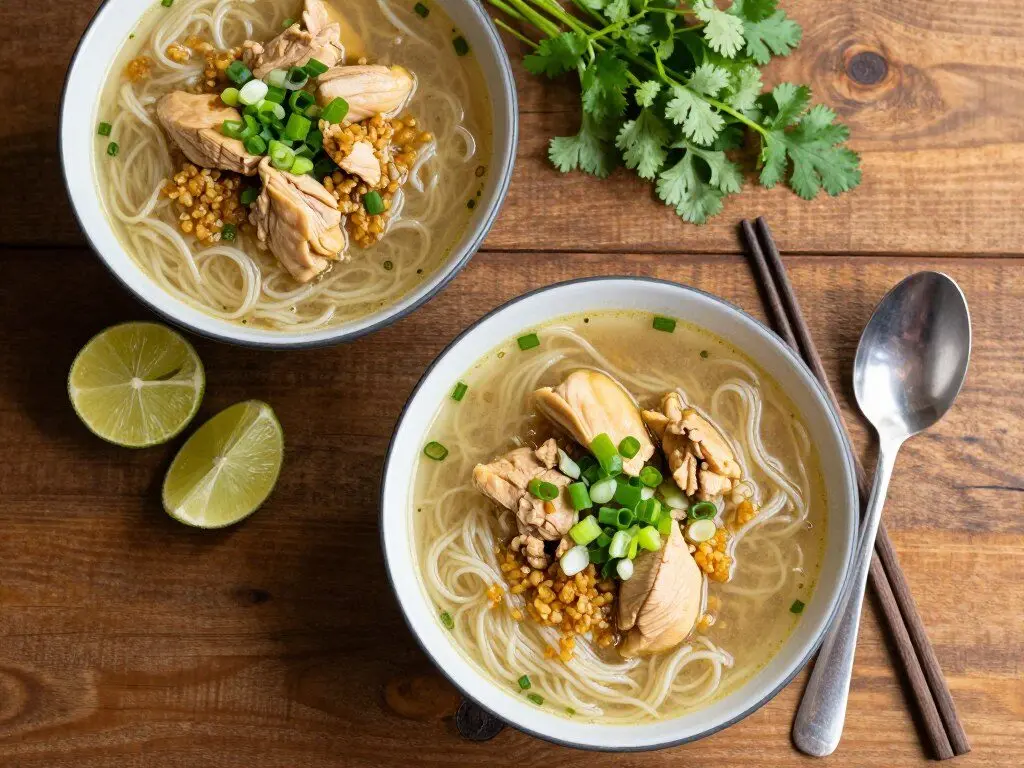
Ladle your hot soup into warmed bowls. This simple step keeps the soup at the perfect temperature longer. Garnish each bowl generously with sliced green onions – they add a fresh, mild onion flavor and bright green color that makes the dish pop.
Fresh cilantro leaves make an excellent topping for those who enjoy the herb. A squeeze of fresh lime juice just before eating brightens all the flavors. Consider serving lime wedges on the side so everyone can adjust to their preference.
- Warm bowls in the oven before serving
- Garnish with fresh green onions
- Add cilantro for herbal brightness
- Serve lime wedges on the side
- Offer chili oil for spice lovers
Accompaniments That Complement
While this ginger garlic chicken noodle soup is satisfying on its own, certain sides enhance the meal. Crusty bread is perfect for soaking up the flavorful broth. Asian-style steamed buns work wonderfully too. A simple side salad with sesame dressing rounds out the meal nicely.
Storage and Reheating Guidelines
Proper storage keeps your leftover soup tasting fresh for days. However, there’s one important trick: store the noodles separately if possible. Noodles continue absorbing broth as they sit, turning mushy and leaving you with less soup.
| Storage Method | Duration | Best Practices |
| Refrigerator | 3-4 days | Store in airtight containers, separate noodles from broth if possible |
| Freezer (with noodles) | Not recommended | Noodles become mushy when frozen and thawed |
| Freezer (broth only) | 2-3 months | Freeze in portions, cook fresh noodles when reheating |
| Room Temperature | 2 hours max | Refrigerate promptly to prevent bacterial growth |
When reheating, add a splash of water or broth to thin the soup if it’s become too thick. Heat gently over medium heat, stirring occasionally. Microwave reheating works too – use a microwave-safe bowl and heat in one-minute intervals, stirring between each.
Food Safety Note
Never leave chicken soup at room temperature for more than two hours. Bacteria multiply rapidly between 40°F and 140°F. Cool soup quickly by dividing it into smaller containers before refrigerating.
Health Benefits of Ginger Garlic Chicken Noodle Soup
This isn’t just comfort food – it’s genuinely good for you. The combination of ingredients in ginger garlic chicken noodle soup provides real health benefits backed by scientific research. Let’s explore why this soup is considered a healing meal.
Ginger: The Healing Root
Fresh ginger contains gingerol, a bioactive compound with powerful medicinal properties. Studies show that gingerol has anti-inflammatory and antioxidant effects. When you’re fighting a cold or flu, ginger helps reduce nausea and soothes an upset stomach. The warming sensation you feel isn’t just comforting – it actually helps improve blood circulation.
Garlic: Nature’s Antibiotic
Garlic cloves contain allicin, which forms when garlic is crushed or chopped. Allicin has antibacterial, antiviral, and antifungal properties. Research suggests that regular garlic consumption can reduce the severity and duration of cold and flu symptoms. Just a few cloves in your soup provide these benefits.
Chicken Broth: Liquid Gold
Quality chicken broth is rich in minerals and electrolytes that your body needs when you’re sick. The amino acids in chicken, particularly cysteine, have anti-inflammatory effects. Hot broth also helps keep you hydrated and loosens mucus, making it easier to breathe when you’re congested.
Nutritional Profile Per Serving
A typical serving of ginger garlic chicken noodle soup provides balanced nutrition. You get quality protein from the chicken, complex carbohydrates from the noodles, and essential vitamins from the vegetables. The soup is relatively low in fat but high in satisfaction.
- Approximately 300-350 calories per serving
- 25-30 grams of protein for muscle maintenance
- Significant vitamin A from carrots
- Vitamin C from fresh vegetables and garlic
- B vitamins from chicken and broth
- Iron and zinc for immune function
Common Mistakes to Avoid When Making Chicken Noodle Soup
Even experienced cooks sometimes stumble when making chicken noodle soup. These common errors can turn your ginger garlic chicken noodle soup from amazing to mediocre. Here’s what to watch out for and how to avoid these pitfalls.
Why does my soup taste bland?
Under-seasoning is the most common issue. Taste your broth at multiple stages and adjust. Remember that salt enhances all the other flavors. Don’t add all your salt at once – build it gradually. The ginger and garlic should be fresh, not dried, for maximum impact. If your soup still tastes flat, add a splash of soy sauce or a squeeze of lemon juice to brighten the flavors.
How do I prevent mushy noodles?
Add noodles later than you think you should. They continue cooking in the hot broth even after you turn off the heat. If you’re making soup ahead, cook the noodles separately and add them when serving. This trick keeps the noodles perfect and prevents them from absorbing all your broth.
Why is my chicken tough and dry?
Overcooking ruins chicken texture. If using raw chicken, it only needs to cook until it reaches 165°F internally. This takes just twelve to fifteen minutes in simmering broth. Using chicken thighs instead of breasts helps too – thighs stay moist even with longer cooking time due to their higher fat content.
Can I use dried ginger instead of fresh?
Fresh ginger makes this ginger chicken noodle soup special. Dried ginger has a different, more concentrated flavor that doesn’t work the same way. If you absolutely must substitute, use only one teaspoon of dried ginger for every tablespoon of fresh. But seriously, buy fresh ginger – it’s worth it.
How do I fix soup that’s too salty?
Add more water or unsalted broth to dilute the saltiness. You can also add a peeled potato to the soup – it absorbs salt as it cooks. Remove the potato before serving. Another trick is adding a splash of vinegar or lemon juice, which balances the salt perception without making the soup sour.
Want More Soup Recipes?
Join our community to receive new recipe updates, cooking tips, and seasonal soup ideas delivered to your inbox. Plus, get our free guide to building the perfect soup.
Complete Ginger Garlic Chicken Noodle Soup Recipe
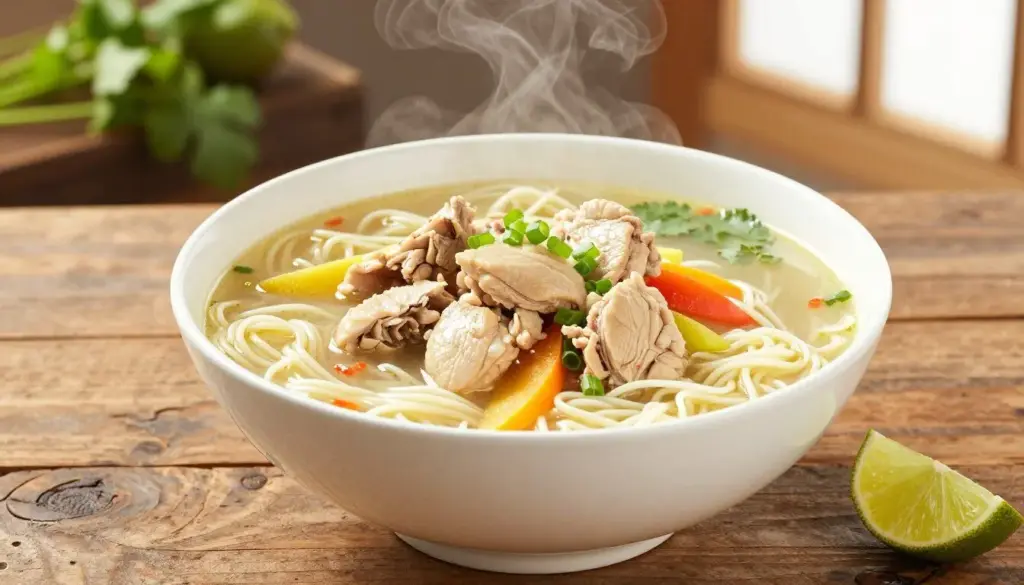
Recipe Information
- Prep Time: 15 minutes
- Cook Time: 25 minutes
- Total Time: 40 minutes
- Servings: 6 servings
- Difficulty: Easy
- Cuisine: Asian-Inspired American
Nutritional Facts (Per Serving)
- Calories: 325 kcal
- Protein: 28g
- Carbohydrates: 32g
- Fat: 10g
- Sodium: 780mg
- Fiber: 3g
Ingredients
For the Soup Base:
- 2 tablespoons olive oil
- 1 medium white onion, sliced thin
- 4 cloves garlic, minced
- 2 tablespoons fresh ginger, grated
- 8 cups low-sodium chicken broth
- 2 cups water
- 2 pounds boneless skinless chicken thighs
- 1 teaspoon salt (adjust to taste)
- 1/2 teaspoon white pepper
- 1 tablespoon soy sauce (optional)
For the Vegetables and Noodles:
- 2 large carrots, julienned or sliced thin
- 3 celery ribs, sliced
- 8 ounces egg noodles (or rice noodles for gluten-free)
- 2 cups bok choy, roughly chopped
- 3 green onions, sliced (white and green parts separated)
For Garnish:
- Fresh cilantro leaves
- Additional sliced green onions
- Lime wedges
- Red pepper flakes (optional)
- Toasted sesame oil (optional)
Instructions
- Heat the pot: In a large Dutch oven or stockpot, heat two tablespoons of olive oil over medium heat until it shimmers.
- Sauté aromatics: Add the sliced onion and cook for three to four minutes, stirring occasionally, until translucent. Add minced garlic and grated ginger. Cook for one minute, stirring constantly, until fragrant. Don’t let the garlic burn.
- Cook the chicken: If using raw chicken, add it now. Season with salt and pepper. Cook until no longer pink on the outside, about five to seven minutes. The chicken will finish cooking in the broth.
- Add liquids: Pour in the chicken broth and water. Add the white parts of the green onions. Bring to a boil over high heat, then reduce to medium-low for a gentle simmer.
- Simmer and develop flavor: Let the soup simmer uncovered for fifteen minutes. Add carrots and celery. Continue simmering for another five to ten minutes until vegetables begin to soften and chicken is cooked through.
- Remove and shred chicken: Using tongs, transfer chicken to a cutting board. Let it cool for two minutes, then shred or dice into bite-sized pieces. Return chicken to the pot.
- Cook the noodles: Add the egg noodles to the soup. Cook according to package directions, usually five to seven minutes. Start testing at five minutes – you want them tender but not mushy.
- Add greens: Two minutes before the noodles are done, stir in the chopped bok choy. Let it wilt and turn bright green.
- Final seasoning: Taste the broth and adjust seasoning. Add more salt if needed, a tablespoon of soy sauce for depth, or a squeeze of lime juice for brightness.
- Serve hot: Ladle soup into warmed bowls. Garnish with green parts of green onions, fresh cilantro, and lime wedges. Offer red pepper flakes and sesame oil on the side.
Chef’s Tips for Success
- Prep all ingredients before you start cooking – this soup comes together quickly
- Use a microplane grater for the ginger to get the finest texture
- Don’t skip warming your serving bowls – it keeps the soup hot longer
- Make a double batch of broth and freeze half for quick future meals
- The soup tastes even better the next day as flavors continue to develop
Expert Tips for the Best Ginger Garlic Chicken Noodle Soup
After making countless batches of this soup, these tips will elevate your ginger garlic chicken noodle soup from good to restaurant-quality. Small details make a big difference in the final result.
Temperature Control
Never let your soup boil vigorously once you add the chicken. A gentle simmer keeps the chicken tender and the broth clear. High heat makes chicken tough and clouds the broth. Medium-low heat is your friend here.
Layering Flavors
Add seasonings at different stages. Some salt at the beginning helps extract flavors. More salt toward the end adjusts the final taste. This technique creates depth that adding all the salt at once can’t match.
Fresh Herb Timing
Add delicate herbs like cilantro and the green parts of green onions at the very end or as garnish. Heat destroys their bright flavor and color. Heartier herbs like thyme can go in earlier.
Professional Techniques Worth Trying
Restaurant chefs often make a simple trick that home cooks overlook: they taste constantly throughout cooking. Don’t wait until the end to adjust seasoning. Check the broth after sautéing the aromatics, after adding the broth, after it simmers, and again before serving.
Another professional tip is to slightly undercook your vegetables. They continue cooking in the hot broth even after you remove the pot from heat. Vegetables should have a slight bite rather than being mushy. This texture contrast makes each bite more interesting.
Consider toasting your dried spices if you add any. A quick thirty seconds in the pot before adding liquids releases essential oils and intensifies flavor. This works especially well if you’re adding spices like curry powder or red pepper flakes to your ginger garlic chicken noodle soup.
Frequently Asked Questions About Ginger Garlic Chicken Noodle Soup
Can I make this soup in a slow cooker?
Yes, this recipe adapts well to slow cooking. Sauté the aromatics first for best flavor, then transfer everything except the noodles to your slow cooker. Cook on low for six to eight hours or high for three to four hours. Add the noodles in the last thirty minutes of cooking time.
What’s the best way to freeze this soup?
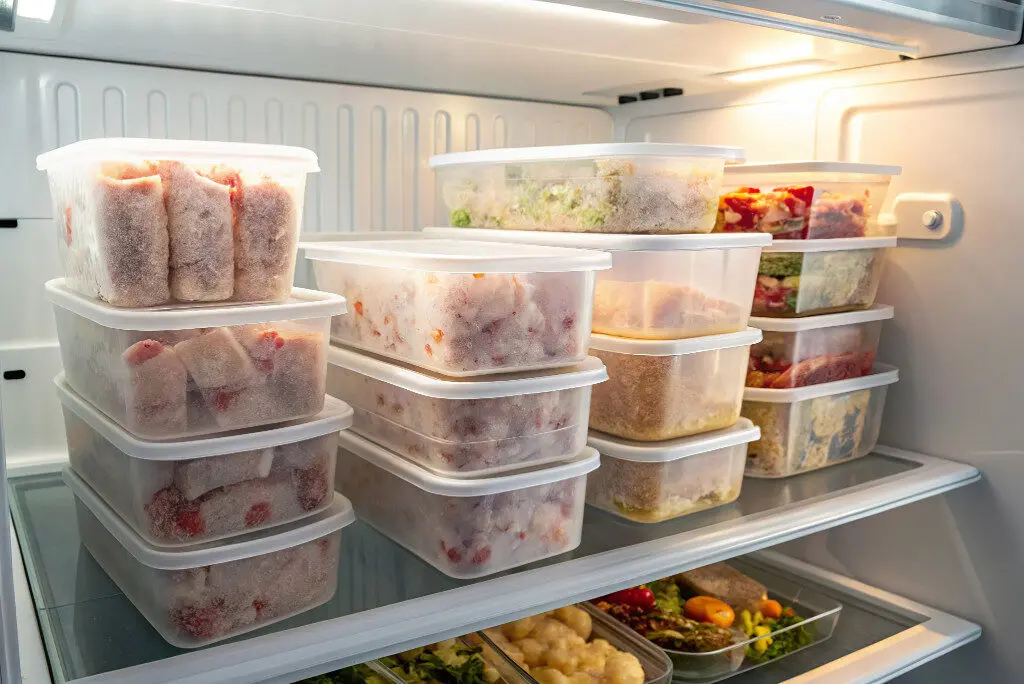
Freeze the broth with chicken and vegetables, but leave out the noodles. Cool the soup completely, then transfer to freezer-safe containers, leaving an inch of space at the top for expansion. The soup keeps well for two to three months. When ready to serve, thaw overnight in the refrigerator, reheat, and cook fresh noodles.
Can I use chicken breast instead of thighs?
You can absolutely use chicken breast. The soup will be lighter and have fewer calories. However, breasts dry out more easily, so watch your cooking time carefully. Remove them as soon as they reach 165°F internally. Many cooks prefer the richer flavor and moister texture of thighs, but breasts work if that’s what you have or prefer.
How do I make this soup spicier?
Add red pepper flakes when you sauté the aromatics, starting with half a teaspoon. You can also stir in sriracha or chili paste to taste. Sliced fresh jalapeños or Thai chilies add both heat and flavor. Top individual bowls with chili oil so everyone can adjust the spice level to their preference.
What can I substitute for bok choy?
Spinach, kale, Swiss chard, or napa cabbage all work beautifully. Spinach wilts fastest, so add it in the last minute of cooking. Kale is heartier and can go in with the carrots. The key is using a leafy green that adds color and nutrition without overpowering the ginger and garlic flavors.
Is this soup good for meal prep?
This ginger garlic chicken noodle soup is excellent for meal prep with one modification. Store the broth, chicken, and vegetables together, but keep the noodles separate. Cook noodles fresh when you’re ready to eat. This prevents the noodles from getting soggy and absorbing all the liquid. The soup keeps well in the refrigerator for three to four days.
Why This Ginger Garlic Chicken Noodle Soup Deserves a Spot in Your Recipe Collection
This ginger garlic chicken noodle soup represents everything comfort food should be. It’s nourishing, flavorful, and satisfying without being heavy. The aromatic combination of fresh ginger and garlic transforms ordinary chicken noodle soup into something special that you’ll crave again and again.
Whether you’re fighting off a cold, feeding your family on a busy weeknight, or simply craving something warm and comforting, this soup delivers. The recipe is flexible enough to adapt to what you have on hand while being foolproof enough that even beginners can achieve excellent results.
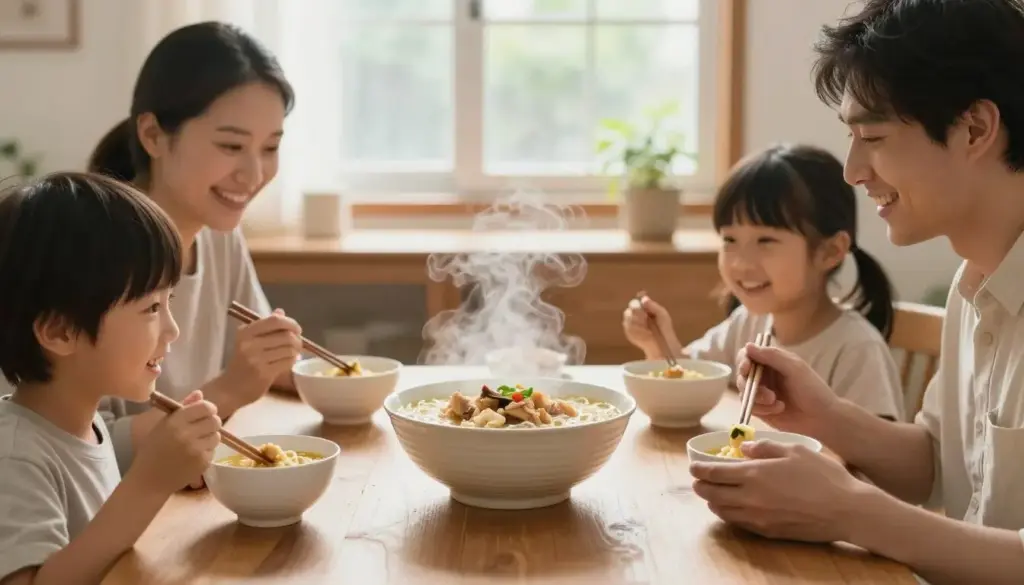
The best part? This soup only gets better with time as the flavors continue to develop. Make a big batch on Sunday and enjoy it throughout the week. Your future self will thank you when you come home to a container of this delicious soup ready to heat and eat.
Give this recipe a try and discover why ginger garlic chicken noodle soup has become a favorite in kitchens around the world. The combination of healing ingredients, incredible flavor, and simple preparation makes it a true keeper recipe that you’ll turn to time and again.
Made This Recipe?
We’d love to hear how it turned out! Share your experience, rate the recipe, and let us know any modifications you made. Your feedback helps other home cooks.