
When every paycheck disappears before the next one arrives, even a small bill can feel like a crisis. You may work hard, watch your spending, and still have no cash left at the end of the month.
The goal is not to fix every part of your finances in one day. The better way is to make small changes that create room over time. These 15 steps can help you understand your money, lower expenses, manage debt, and build savings without relying on risky promises.
Start With a Clear View of Your Money
1. Track Every Dollar for One Month

Before changing your budget, learn where your money goes. Track rent, food, transport, subscriptions, debt payments, and small purchases for one full month.
Use a notebook, spreadsheet, or bank statement. Do not judge the results. The purpose is to find patterns and spending areas that need attention.
2. Build a Simple Paycheck Budget
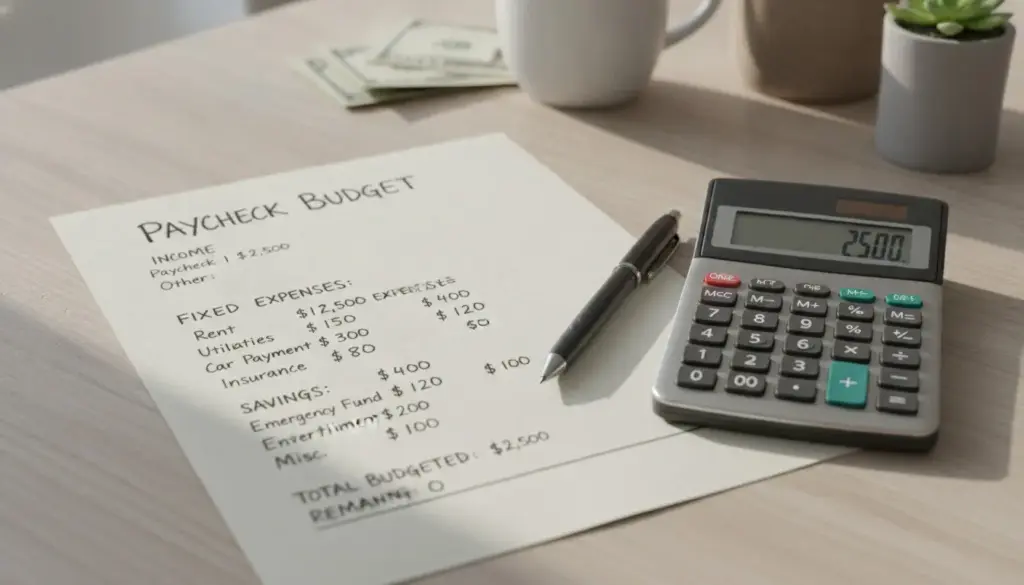
Give each paycheck a job before you spend it. List your income, fixed expenses, flexible expenses, debt payments, and savings.
If you are paid twice a month, divide your monthly plan between those two dates. Include annual costs, such as insurance or school supplies, so they do not become surprise expenses.
3. Separate Needs From Wants

Needs keep your home, health, work, and family stable. Wants may improve comfort but can often wait.
Review each expense and ask whether it supports a basic need, a useful goal, or a short-term urge. This simple pause can protect cash without removing every enjoyable activity.
Lower the Pressure From Monthly Expenses
4. Cut or Renegotiate Recurring Bills

Recurring expenses can quietly drain each paycheck. Review streaming services, phone plans, internet, insurance, delivery memberships, and unused apps.
Cancel what you no longer use. Then ask providers about lower plans or discounts. Move any savings into a savings account instead of allowing it to disappear into other spending.
5. Plan Low-Cost Meals

Food is a flexible expense, but cutting it too sharply can make a plan hard to follow. Choose several low-cost meals that use shared ingredients.
Check your kitchen before shopping. Compare unit prices, cook larger portions, and freeze extras. A planned grocery trip can reduce takeout and help preserve cash between paychecks.
6. Create a Waiting Rule for Purchases

For nonessential purchases, wait 24 hours. For expensive items, wait a week or longer.
During that time, check your budget and compare prices. If the purchase still fits your plan, you can decide with less pressure. This helps separate a real need from an impulse.
Make Debt Easier to Control
7. List Every Debt in One Place
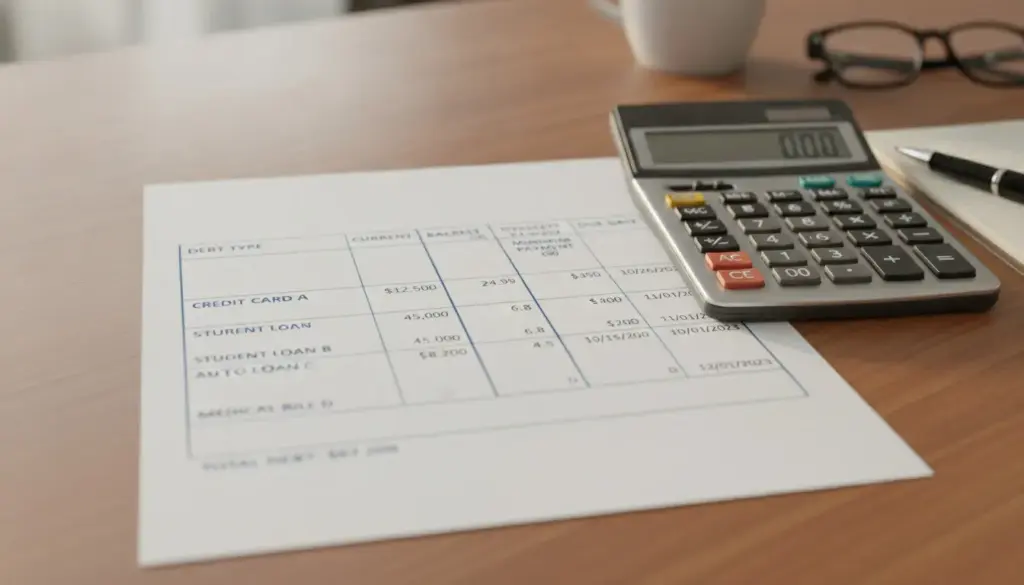
Write down each credit card, loan, balance, minimum payment, due date, and interest rate. Seeing the whole picture can make debt feel more manageable.
Set payment reminders or automatic minimum payments. Late fees can make the debt problem worse and damage your credit.
8. Choose a Debt Repayment Method

The debt snowball method targets the smallest balance first. The debt avalanche method targets the highest interest rate first.
Both can work when you keep making minimum payments on every account. Choose the method you can follow for a long time. Consistency matters more than finding a perfect system.
9. Stop Adding New Credit Card Debt
Paying debt is difficult while new balances continue to grow. Remove saved card details from shopping websites and avoid using credit cards for routine expenses you cannot cover with cash.
Keep one card available for a true emergency if needed, but define what counts as an emergency before one happens.
Build Savings and More Financial Room
10. Save a Small Starter Emergency Fund

Begin with an amount that feels possible, even if it is small. A starter emergency fund can help cover a repair, medical cost, or other unexpected expenses without immediately using credit.
Keep the fund in a separate savings account. Add a set amount after each paycheck until the balance becomes more useful.
11. Automate Savings on Paydays
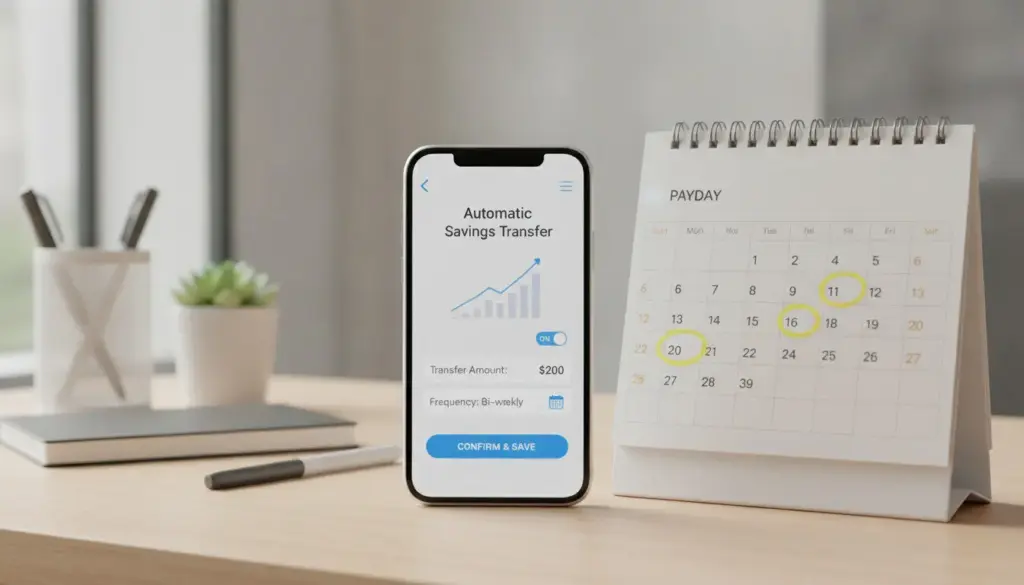
Automatic transfers reduce the need to make a decision every time you get paid. Start with an amount that will not cause overdrafts.
If your income changes, use a percentage instead of a fixed amount. Increase the transfer after a raise, paid-off debt, or lower monthly bill.
12. Give Bonuses and Extra Money a Plan

Extra money may come from a tax refund, work bonus, gift, sale, or side income. Decide how to use it before it arrives.
A balanced plan might send part to an emergency fund, part to debt, and a small part to something enjoyable. This approach supports progress without making the budget feel impossible.
Increase Income and Protect Your Progress
13. Add Income Carefully

Reducing expenses has limits. If your budget still falls short, explore safe ways to increase income.
You might sell unused items, request extra hours, use a skill for freelance work, or look for a better-paying role. Protect your time, avoid upfront-fee scams, and track taxes when required.
14. Create Sinking Funds for Large Costs
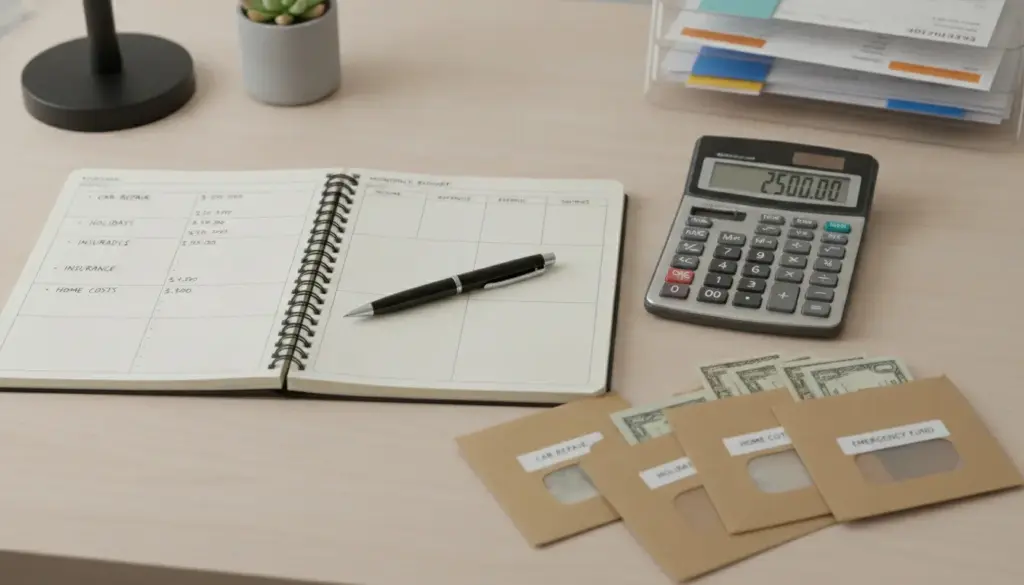
A sinking fund is money saved for a known future expense. Examples include car repairs, gifts, annual insurance, travel, and home maintenance.
Estimate the amount and divide it by the number of months until the bill arrives. Saving $600 over six months requires $100 per month, if your budget can support it.
15. Review Your Plan Every Month

Your budget should change as your life changes. Review income, expenses, debt, savings, and upcoming payments once each month.
Celebrate useful progress, such as fewer credit card charges or a growing emergency fund. If a plan fails, adjust the numbers instead of abandoning the entire effort.
Leaving the Paycheck Cycle Behind
Breaking the paycheck-to-paycheck cycle takes time. Start by tracking money, planning each paycheck, and lowering expenses that do not support your goals.
Then focus on debt, savings, emergency funds, and income. A small amount saved each month can create more options later. The best plan is one you can repeat, review, and adjust as your finances change.