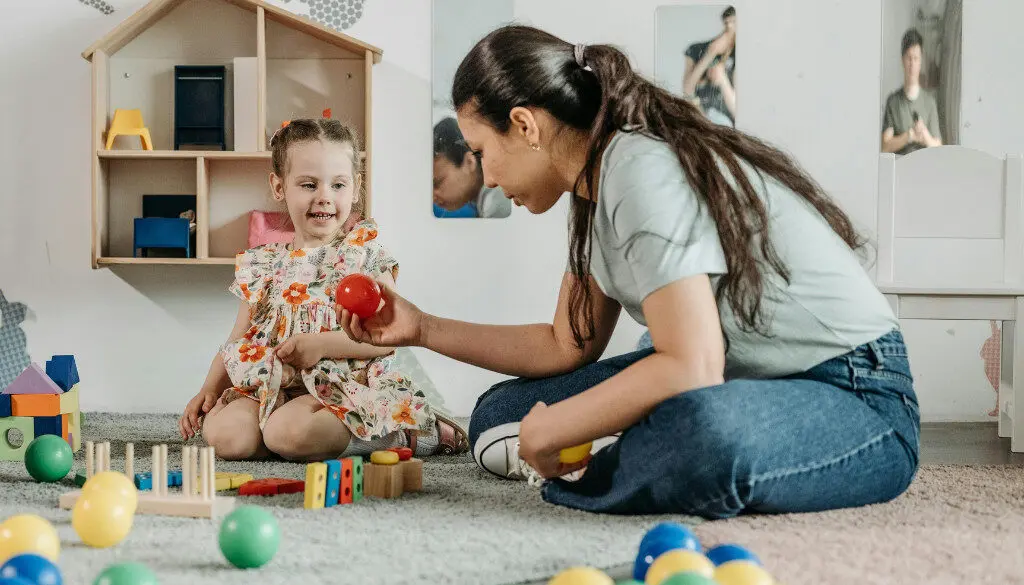

Parenting is one of life’s greatest joys, but let’s be honest—it can also feel like running a marathon while juggling flaming torches. Between meal prep, laundry mountains, homework battles, and the endless requests for snacks, parents often find themselves wondering where all the time went. The good news? Small changes can create massive time savings.
These 65 tiny parenting hacks are designed to help busy parents reclaim hours every single week. From morning routines that actually work to dinner shortcuts that don’t sacrifice nutrition, these practical strategies will transform your family life. Whether you’re a first-time parent or managing multiple kids, these time-saving tips will reduce stress and create more quality moments with your children.
Morning Routine Hacks That Eliminate Chaos
Mornings set the tone for your entire day. When they start smoothly, everyone feels less stressed and more prepared. These hacks will transform your morning routine from chaotic to calm.
1. Create Launch Pads by Every Door
Designate a specific spot near each exit with baskets for backpacks, shoes, jackets, and keys. This simple organizational system saves countless minutes searching for missing items. Keep everything your kids need in one accessible location.
2. Prep Clothes the Night Before
Lay out complete outfits including socks and underwear the evening before. This eliminates morning wardrobe negotiations and decision fatigue. Many parents report saving 15-20 minutes each morning with this single hack.
3. Use a Visual Morning Checklist
Create a picture-based checklist for young children showing each morning task: brush teeth, get dressed, eat breakfast, pack bag. Kids can follow along independently, reducing your need to constantly remind them.
4. Set Up Breakfast Stations
Place kid-friendly breakfast options in low cabinets and refrigerator bins where children can reach them safely. This encourages independence and lets kids start their morning without waiting for you.
5. Implement the “Two-Minute Warning” System
Give kids a two-minute heads-up before transitions: “Two minutes until we leave for school.” This preparation time helps children mentally shift gears and reduces resistance.
6. Pack Lunches While Making Dinner
Assemble tomorrow’s lunches while you’re already in cooking mode. This consolidates kitchen time and eliminates a morning task entirely. Store packed lunches in the fridge overnight.
7. Keep a Morning Playlist
Create a timed playlist that signals different morning activities. When certain songs play, kids know it’s time to get dressed or head to the door. Music makes routines more engaging and keeps everyone on schedule.
8. Try a Digital Family Calendar
Use a shared digital calendar that syncs across all family devices. Apps like Cozi or Google Calendar help coordinate schedules, set reminders, and ensure nothing gets forgotten. Parents save hours weekly by reducing scheduling conflicts and missed appointments.
Meal Planning and Kitchen Hacks

Cooking for a family is time-consuming, but these hacks will cut your kitchen time significantly while still providing nutritious meals everyone will eat.
9. Embrace Theme Nights
Assign themes to different nights: Taco Tuesday, Pizza Friday, Slow Cooker Sunday. This eliminates daily meal planning decisions and makes grocery shopping more efficient. Kids also love the predictability and anticipation.
10. Batch Cook Proteins on Weekends
Cook large quantities of chicken, ground beef, or beans on Sunday. Store in portion-sized containers to use throughout the week in different meals. This saves 30-45 minutes on busy weeknights.
11. Create a Family-Approved Meal Rotation
List 15-20 meals your family actually enjoys eating. Rotate through these proven winners rather than constantly searching for new recipes. This reduces meal planning stress and food waste.
12. Keep Pre-Chopped Vegetables on Hand
Buy pre-cut vegetables or spend 20 minutes on Sunday chopping. Store in clear containers at eye level in your fridge. This makes adding vegetables to any meal effortless and increases your family’s vegetable consumption.
13. Use Muffin Tins for Snack Portions
Fill muffin tins with various snack options—crackers, cheese cubes, berries, pretzels. Kids can grab a balanced snack without constant requests for help. This hack is especially popular with toddlers and preschoolers.
14. Implement “Breakfast for Dinner”
Serve scrambled eggs, pancakes, or oatmeal for dinner on exhausting days. Breakfast foods cook quickly, kids typically love them, and it’s perfectly nutritious. This gives you a guilt-free easy meal option.
15. Try a Meal Kit Service for Busy Weeks
Services like HelloFresh or Blue Apron deliver pre-portioned ingredients and simple recipes. While not for every meal, using them 2-3 times per week saves grocery shopping time and reduces meal planning stress during particularly busy periods.
16. Keep a Running Grocery List
Mount a whiteboard or notepad in your kitchen. When something runs low, add it immediately. This eliminates those frustrating mid-recipe discoveries that you’re out of a key ingredient.
17. Use Slow Cooker Liners
These inexpensive liners eliminate scrubbing slow cooker crocks. Simply toss the liner and rinse the pot. This small investment saves significant cleanup time and makes slow cooker meals even more appealing.
18. Prep Smoothie Bags
Pre-portion smoothie ingredients into freezer bags. In the morning, dump a bag into the blender with liquid. This provides nutritious breakfasts in under two minutes with minimal cleanup.
Home Organization and Cleaning Hacks
A more organized home means less time searching for things and lower overall stress levels. These organizational strategies create systems that maintain themselves.
19. Institute the “One In, One Out” Rule
When a new toy or clothing item enters your home, one must leave. This prevents clutter accumulation and teaches children about making choices and gratitude.
20. Use Clear Storage Bins
Store toys, craft supplies, and seasonal items in clear containers. Being able to see contents instantly saves time searching and helps kids put things away correctly. Label bins with pictures for pre-readers.
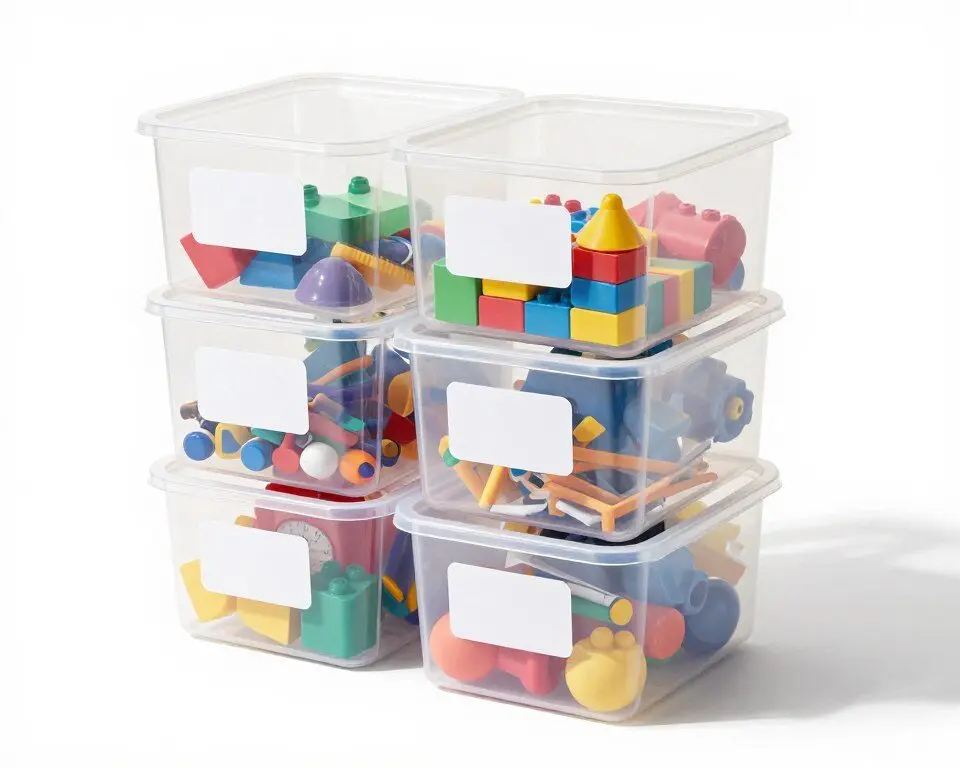
Recommended: Label Maker for Family Organization
A quality label maker transforms home organization. Create clear, consistent labels for storage bins, pantry items, clothing drawers, and school supplies. Children as young as three can follow picture labels, promoting independence and maintaining order. Parents report this single tool saves hours weekly in tidying time.
21. Implement a Donation Box System
Keep a donation box in each child’s closet. When clothes don’t fit or toys aren’t played with, immediately add them. When the box fills, donate it. This ongoing system prevents clutter buildup.
22. Create Zones in Your Home
Designate specific areas for specific activities: homework zone, craft zone, reading zone. When everything has a home, cleanup becomes faster and children develop better organizational habits.
23. Use Mesh Laundry Bags for Socks
Give each family member a mesh bag for their socks. Socks go directly into the bag when removed, wash in the bag, and stay paired. This eliminates the sock-matching time sink forever.
24. Establish a “One-Touch Rule” for Mail
Handle each piece of mail once: immediately file, shred, or act on it. This prevents paper pile-ups on counters and ensures important documents don’t get lost in the shuffle.
25. Set a Timer for Power Cleaning
Do 15-minute family speed cleaning sessions. Set a timer, play energizing music, and everyone tidies their assigned area. This makes cleaning less overwhelming and teaches kids that small efforts create big results.
26. Keep Cleaning Caddies in Multiple Rooms
Store basic cleaning supplies in caddies in bathrooms, kitchen, and kids’ rooms. This eliminates trips back and forth to get supplies, making it easier to clean as you go.
Want These Hacks in Printable Format?
Get instant access to our FREE Printable Parenting Toolkit including routine charts, chore lists, meal planning templates, and all 65 hacks in a handy reference guide. Join 50,000+ parents who’ve simplified their daily routines!
Laundry and Clothing Hacks
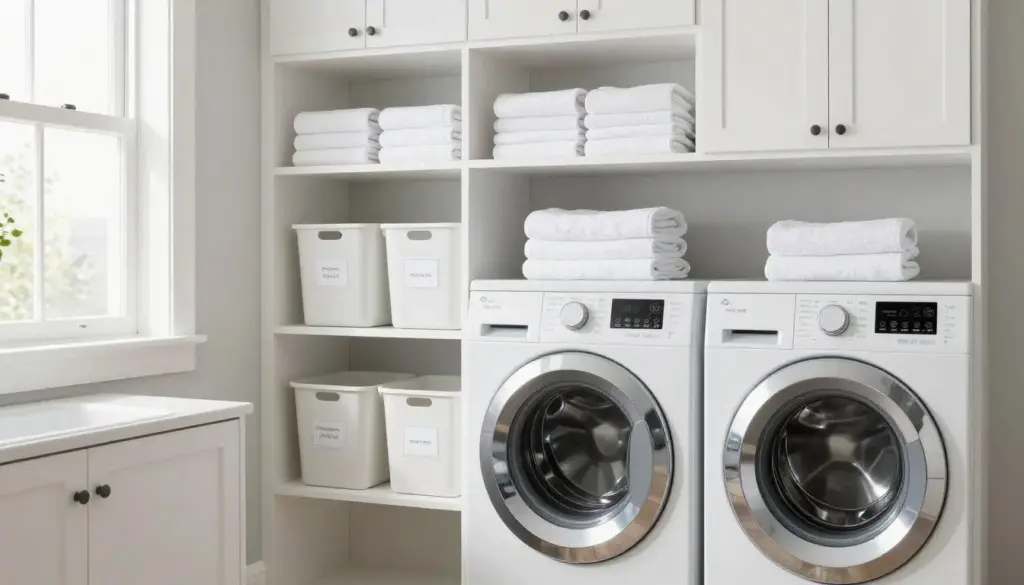
Laundry is never-ending with kids, but these strategies will cut your laundry time significantly and reduce the overall burden of this necessary chore.
27. Sort Laundry as You Go
Use separate hampers for lights, darks, and whites in bedrooms or the laundry room. When a hamper fills, it’s ready to wash—no sorting required. This eliminates a tedious pre-wash task.
28. Assign Each Child a Laundry Day
Older children can do their own laundry on assigned days. Even young kids can help sort, match socks, or put away folded clothes. This distributes the workload and teaches life skills.
29. Skip the Folding for Some Items
Underwear, socks, and pajamas don’t need perfect folding. Toss clean items directly into designated drawer bins. This simple change saves 30+ minutes per week.
30. Buy Uniform Socks
Purchase identical socks for each family member. When socks lose their mate, they can still pair with any other sock. This eliminates the frustrating sock-matching task.
31. Use Stain Removal Spray Immediately
Keep stain remover spray accessible in the laundry room and bathrooms. Spray stains immediately when clothes come off. This prevents set-in stains and reduces the need for rewashing or special treatment.
32. Hang or Fold Immediately After Drying
Handle clothes the moment the dryer stops. This prevents wrinkles, eliminating the need for ironing most items. Set a dryer alarm as a reminder if needed.
33. Limit Each Child’s Wardrobe
Reduce clothing quantities to what fits in designated drawer space. Fewer clothes mean less laundry overall and easier decision-making for kids getting dressed. Quality over quantity saves time and stress.
Bedtime Routine Hacks for Better Sleep
Bedtime battles drain energy from already exhausted parents. These strategies create smoother bedtime routines that help kids transition to sleep more easily.
34. Establish a Consistent Bedtime Sequence
Create the same sequence every night: bath, pajamas, brush teeth, story, lights out. The predictability signals to children’s brains that sleep is coming, making the transition easier.
35. Use a Visual Bedtime Chart
Create a picture chart showing each bedtime step. Young children move a magnet or sticker through each task. This promotes independence and reduces the need for parental reminders.
36. Implement “Last Call” for Requests
Announce “last call” for water, bathroom trips, or hugs before starting the bedtime routine. This reduces those endless post-bedtime requests that delay sleep.
37. Set Up a Bedtime Basket
Keep everything needed for bedtime in one portable basket: books, pajamas, toothbrush, favorite stuffed animal. Carry it to wherever you’re starting the routine. This eliminates trips back and forth for forgotten items.
38. Use Audio Stories Instead of Reading
On particularly exhausting nights, play an audiobook or sleep story app instead of reading aloud. Children still get story time, but you can rest nearby. Apps like Calm or Headspace have excellent kid-friendly sleep stories.
39. Try a Sunset Lamp
Use lamps that gradually dim to simulate sunset. This naturally encourages melatonin production, making children genuinely sleepier. Products like the Hatch Rest allow you to program lighting schedules that support healthy sleep patterns.
40. Allow Quiet Independent Time in Bed
For older children who resist sleep, allow 15-20 minutes of quiet reading or listening to calm music in bed. This gives them autonomy while still ensuring they’re resting, and often they fall asleep during this time.
Toy Organization and Entertainment Hacks
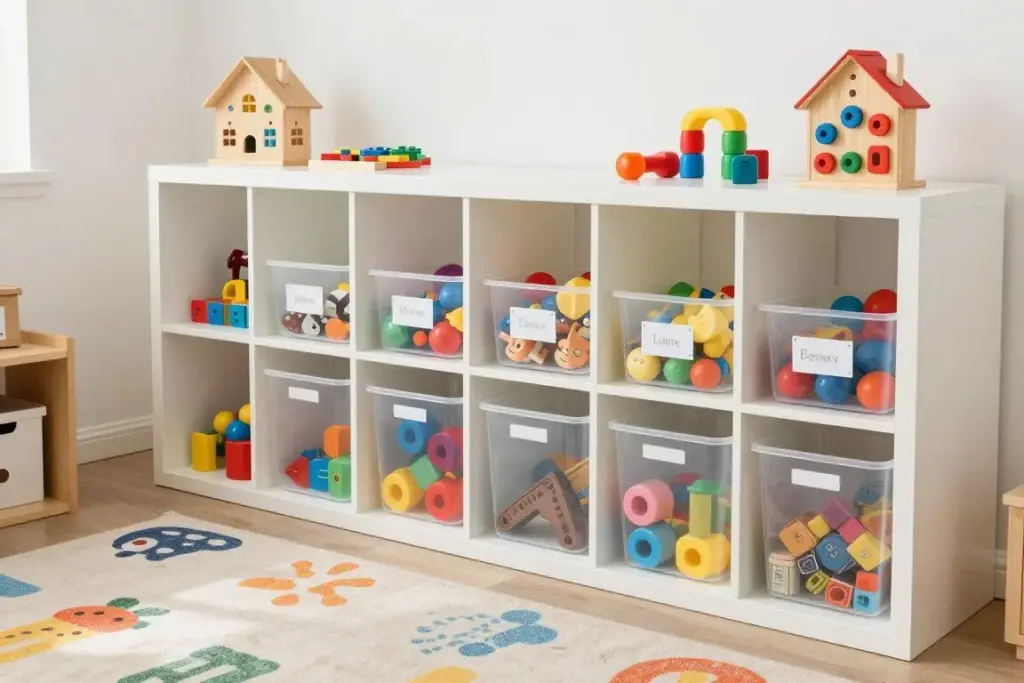
Toys can quickly overtake your home, but smart systems keep entertainment accessible while maintaining order. These hacks reduce toy clutter and keep kids engaged longer.
41. Rotate Toys Every Two Weeks
Keep only 25% of toys accessible. Store the rest in bins and rotate them biweekly. Toys feel new again, reducing demands for constant new purchases and making cleanup simpler with fewer items out.
42. Use Photo Labels on Toy Bins
Take pictures of bin contents and attach them to the outside. Even non-readers can return toys to correct homes. This dramatically improves cleanup success and teaches organizational skills.
43. Create Activity Boxes for Boredom
Prepare boxes with complete activities: craft supplies, puzzle, or building challenge. When kids say “I’m bored,” they draw an activity box. This eliminates your need to constantly generate entertainment ideas.
44. Keep a “Quiet Toys” Basket
Designate special toys that only come out during important calls, sibling naps, or quiet time. Their novelty keeps kids engaged during times you genuinely need uninterrupted focus.
45. Implement the “Toy Library” System
Check out toys from your stored collection like library books. Kids select what they want to play with, use it for a set period, then return it before checking out something else. This teaches responsibility and keeps play fresh.
46. Use Large Baskets for Quick Cleanup
Keep large baskets in main living areas. For quick tidying, toss all toys into baskets and sort properly later (or never). This prevents toys from taking over common spaces while maintaining sanity.
Errand and Shopping Hacks
Running errands with children can feel overwhelming, but these strategies make shopping trips faster, easier, and more pleasant for everyone involved.
47. Use Grocery Pickup or Delivery
Services like Instacart or store-provided curbside pickup eliminate shopping with kids entirely. While there’s often a small fee, the time saved and stress avoided is worth every penny for busy families.
48. Shop During Off-Peak Hours
When in-person shopping is necessary, go early morning or late evening when stores are less crowded. Faster checkout and easier navigation with strollers or carts saves significant time and stress.
49. Keep an “Errand Bag” in Your Car
Stock a bag with snacks, wipes, small toys, and entertainment. Having supplies ready prevents meltdowns and eliminates the frantic searching before leaving home. Replenish it immediately after errands.
50. Combine Errands by Location
Map out errands by geographic area rather than task priority. Complete all tasks in one area before moving to the next. This reduces driving time and keeps kids in car seats for shorter periods.
51. Use Online Shopping for Staples
Set up recurring deliveries for diapers, wipes, paper products, and household staples through Amazon Subscribe & Save or similar services. Never run out of essentials and eliminate these items from shopping lists.
52. Give Kids an “Errand Job”
Assign children a specific responsibility during errands: holding the shopping list, finding items, or pushing a small cart. Having a purpose reduces behavioral issues and teaches life skills.
School and Homework Hacks
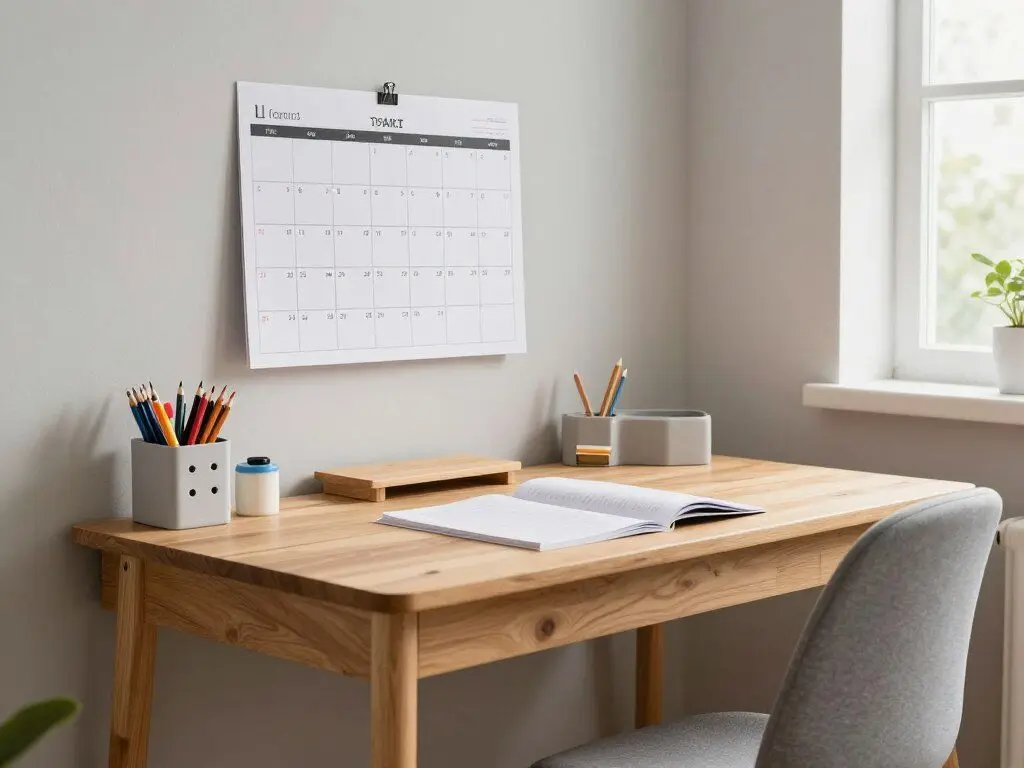
School-related tasks consume significant family time. These hacks streamline morning departures, homework sessions, and school communication to recover hours each week.
53. Create a Homework Station
Designate a specific area stocked with all necessary supplies: pencils, paper, calculator, reference materials. Children go directly there after school, and everything they need is accessible. This eliminates searching for supplies and establishes a homework routine.
54. Use a Homework Folder System
Implement a two-folder system: “To Do” and “Completed.” Papers go directly from backpack to appropriate folder. This keeps assignments organized and ensures nothing gets lost in the backpack abyss.
55. Set a Homework Timer
Work in focused 20-25 minute blocks with 5-minute breaks. This prevents homework from dragging on endlessly and teaches time management skills. The breaks keep kids engaged and reduce resistance.
56. Check School Portals Once Daily
Set a specific time each day to check school communication platforms. This consolidates checking time rather than constantly monitoring and reduces the mental load of wondering if you’ve missed something.
57. Prep School Forms Immediately
Complete permission slips, forms, and paperwork as soon as they come home. Return them to backpacks immediately. This prevents last-minute scrambles and ensures children don’t miss activities due to forgotten paperwork.
58. Use Voice-to-Text for Reminders
When children mention upcoming projects or events, immediately add them to your phone calendar using voice commands. This captures information in the moment and prevents forgotten commitments.
Parent Self-Care and Stress Management Hacks
Taking care of yourself isn’t selfish—it’s essential for sustainable parenting. These hacks help busy parents incorporate self-care into already packed schedules.
59. Wake Up 15 Minutes Before Kids
These quiet minutes allow you to mentally prepare for the day, drink coffee while it’s hot, or simply breathe. Starting your day calm sets a better tone for your entire family.
60. Use Screen Time Strategically
Don’t feel guilty about screen time when you need it. Designate specific times when kids watch shows while you shower, make dinner, or take a mental break. Educational programming like PBS Kids makes this time purposeful.

Recommended: Five Minute Journal for Parents
This guided journal takes just five minutes daily but significantly reduces parenting stress. Morning prompts set positive intentions, evening prompts encourage gratitude reflection. Parents report feeling more present and less overwhelmed. The structured format makes it impossible to skip—perfect for busy schedules.
61. Ask for Specific Help
Instead of general requests, ask precisely: “Can you unload the dishwasher?” People are more likely to help when they know exactly what’s needed. This applies to partners, relatives, and even older children.
62. Schedule “Worry Time”
Set aside 15 minutes daily to actively worry about concerns. Outside this time, postpone anxious thoughts. This psychological hack prevents constant stress and creates mental boundaries between parenting tasks and worry.
63. Lower Your Standards Temporarily
During particularly busy seasons, identify what can slide temporarily. Maybe floors aren’t mopped weekly or meals are simpler. Give yourself permission to prioritize mental health over perfection.
64. Create “No Phone” Zones
Designate times or places where phones are put away: family dinner, bedtime routine, playground visits. Being fully present during these moments improves connection with kids and reduces your own stress from constant connectivity.
65. Join or Create a Parent Support Network
Connect with other parents facing similar challenges. Share babysitting, meal swaps, or just encouragement. Parenting feels less overwhelming when you have a community. Local parenting groups, school connections, or online communities all provide valuable support.
Quick Bonus Tips for Maximum Time Savings
Communication Shortcuts
Streamline family communication with these rapid-fire strategies that keep everyone informed without lengthy conversations.
- Use family group texts for schedule updates instead of individual calls
- Keep a whiteboard calendar in a central location for at-a-glance planning
- Set recurring phone reminders for regular activities and commitments
- Create email templates for frequent teacher or caregiver communications
Kitchen Efficiency
Small kitchen adjustments create compound time savings across meal preparation, cooking, and cleanup throughout the week.
- Keep most-used items in easiest-to-reach locations for quick access
- Use sheet pan dinners that cook everything simultaneously with minimal cleanup
- Pre-portion snacks into grab-and-go containers during grocery unloading
- Run the dishwasher nightly regardless of fullness to always have clean dishes
Clothing Simplification
Reduce wardrobe-related decisions and conflicts with these clothing management strategies that save time daily.
- Buy clothing in complementary colors so everything matches easily
- Skip special care items that require hand washing or dry cleaning
- Keep “play clothes” separate from “nice clothes” to preserve good items
- Implement capsule wardrobes for each season to minimize choices
Behavior Management
Proactive behavior strategies prevent time-consuming conflicts and create smoother daily interactions with children.
- Use positive reinforcement charts for desired behaviors rather than punishment
- Offer limited choices to give autonomy while maintaining control
- Prevent meltdowns by ensuring kids are fed and rested before difficult activities
- Teach problem-solving skills so children can resolve minor conflicts independently
How to Implement These Parenting Hacks Successfully
Having 65 hacks is overwhelming if you try implementing them all at once. Success comes from strategic, gradual implementation that allows new habits to stick before adding more changes.
Start With Your Biggest Pain Point
Review this list and identify which area causes you the most stress or consumes the most time. If mornings are chaotic, start there. If dinner causes daily anxiety, focus on meal hacks first. Targeting your primary frustration provides immediate relief and motivation to continue.
Implement One Hack Per Week
Resist the temptation to overhaul everything immediately. Choose one hack, implement it consistently for a full week, then add another. This gradual approach allows habits to form naturally and prevents the overwhelm that causes people to abandon new systems.
Involve Your Family in Changes
Explain new systems to your children and partner. When everyone understands the “why” behind changes, cooperation increases dramatically. Family buy-in transforms these from “parent rules” to “our family systems.”
Track Your Time Savings
Keep a simple log of time saved from each hack. Seeing concrete results—”15 minutes saved on morning routine,” “30 minutes saved on dinner prep”—provides powerful motivation to maintain new habits and add more time-saving strategies.
Adjust and Customize
Not every hack will work perfectly for your family. Modify strategies to fit your specific situation, children’s ages, and parenting style. The goal isn’t perfect implementation but rather finding what saves your family time and reduces your stress.
Overcoming Common Obstacles
What if my partner isn’t on board with these changes?
Start by implementing hacks that only require your participation. When your partner sees reduced stress and more free time, they’ll naturally become more interested. Lead by example rather than demanding changes. Share specific time savings you’ve experienced: “I’m saving 20 minutes every morning with our new launch pad system.” Concrete results speak louder than requests for help.
How do I get young children to cooperate with new routines?
Make changes gradually and involve kids in the process. Use visual charts and positive reinforcement rather than punishment. Turn new routines into games: “Can you beat the timer?” or “Let’s race to get ready!” Most children adapt to new routines within 2-3 weeks if parents remain consistent and patient. Expect initial resistance but stay committed to the system.
What if I don’t have time to set up these systems?
Most hacks require minimal setup—15-30 minutes maximum. Schedule setup time during naps, after bedtime, or while kids watch a show. Consider this setup time an investment: spending 30 minutes now saves hours weekly for months or years. Start with zero-setup hacks like theme nights or the two-minute warning system, then gradually add systems requiring more initial time.
Will these hacks work with children of different ages?
Absolutely. Many hacks apply across age ranges, while others can be adapted. Visual charts work brilliantly for toddlers and preschoolers. Older children benefit more from independence-building strategies like doing their own laundry. Choose hacks matching your children’s developmental stages and adjust as they grow. The flexibility of these strategies makes them valuable for years.
What Real Parents Are Saying
Sarah M., mother of three: “The morning launch pad system changed our lives. We went from constant stress and being late to smooth, calm mornings. I’m not exaggerating when I say we save 30 minutes every single morning. That’s 3.5 hours weekly just from this one change!”
James T., father of two: “Batch cooking proteins on Sunday seemed like extra work initially, but it’s a game changer. Weeknight dinners take 15 minutes instead of an hour. My stress level at 6 PM has dropped dramatically. I can actually enjoy playing with my kids before dinner.”
Maria L., single mom: “Toy rotation and the ‘one in, one out’ rule saved my sanity. Our apartment feels spacious again, cleanup takes five minutes instead of thirty, and my daughter plays more creatively with less. I wish I’d implemented this years ago!”
Reclaim Your Time and Reduce Your Stress
Parenting doesn’t have to mean sacrificing every moment to logistics and chores. These 65 tiny parenting hacks prove that small systematic changes create massive time savings—potentially reclaiming 10-15 hours weekly when multiple strategies are combined.
The secret isn’t working harder as a parent but rather working smarter. Each hack represents a small efficiency that compounds over time. Morning routines that save 20 minutes daily equal 120+ hours annually. Meal planning that saves 30 minutes per dinner equals another 180+ hours yearly. These aren’t just minutes—they’re opportunities for quality family time, self-care, and simply breathing.
Remember that implementing these hacks is a journey, not a destination. Start with your biggest frustration, add strategies gradually, and customize everything to your unique family. Some hacks will work perfectly, others might need adjustment, and a few might not fit your situation at all—and that’s completely fine.
The goal isn’t perfection. The goal is progress toward a calmer, more organized family life where you spend less time managing logistics and more time enjoying your children. Because ultimately, that’s what parenting is really about: connection, growth, and creating joyful memories—not frantically searching for lost shoes or stressing about dinner.
Choose one hack today. Implement it this week. Watch how one small change creates ripples of improvement throughout your entire family routine. You’ve got this, and you deserve the time these strategies will give back to you.
Ready to Transform Your Parenting Routine?
Take the next step toward stress-free parenting. Whether you want time-saving products, ongoing tips, or free resources, we’re here to support your journey.