
Family vacations create some of life’s most treasured memories. The excitement of exploring new destinations together builds bonds that last a lifetime. Yet many parents hesitate to travel with children, worried about meltdowns, boredom, and the logistics of keeping everyone happy during long journeys.
The secret to successful family travel lies in preparation and having the right activities at your fingertips. With creative engagement strategies and practical planning, your next family trip can be remarkably smooth. This guide presents twelve proven kids travel activities paired with essential family vacation tips that transform potentially stressful trips into adventures the whole family will remember fondly for years to come.
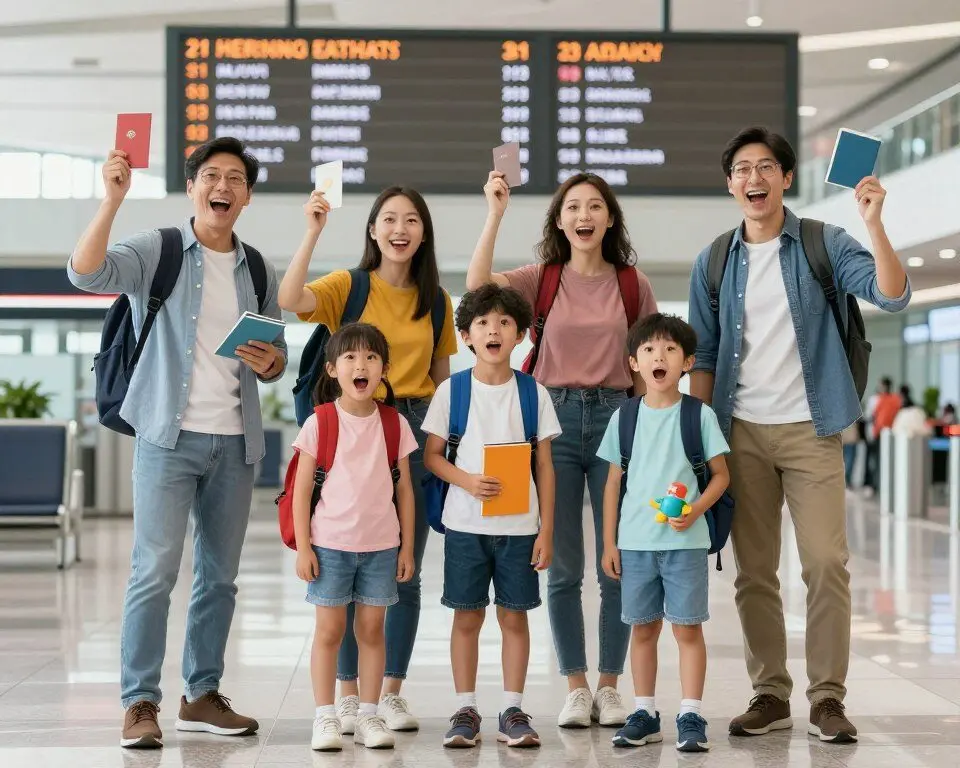
12 Creative Kids Travel Activities & Family Vacation Tips
These twelve activities work across different travel scenarios, from flights to road trips to destination exploration. Each activity includes practical implementation tips that make family travel more manageable and enjoyable.
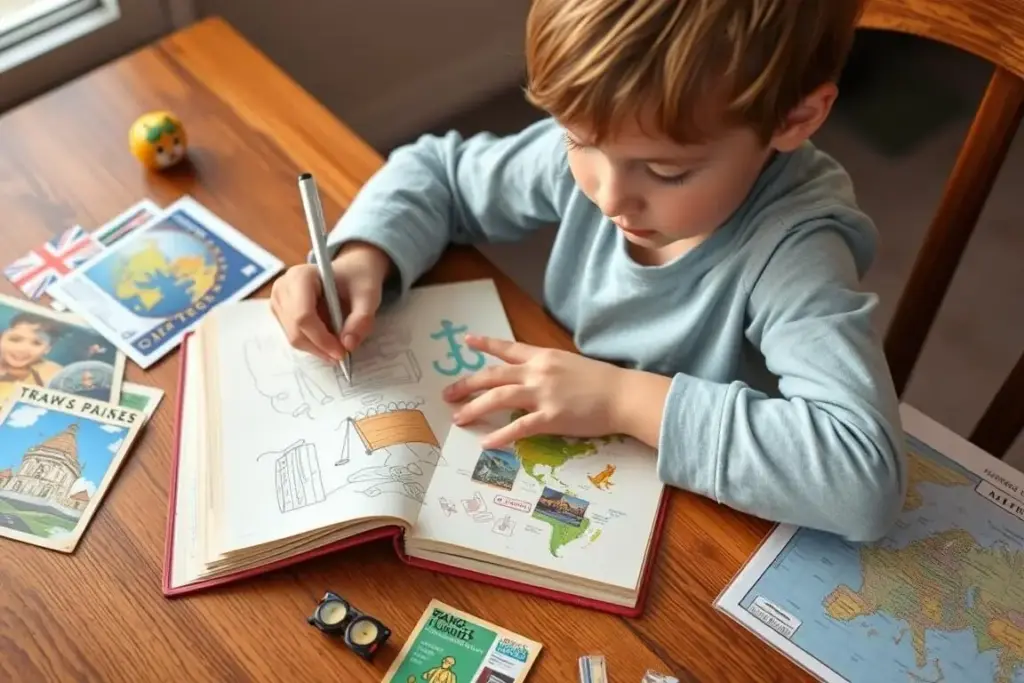
1. Travel Journal Creation: Document Your Adventure
Giving each child their own travel journal transforms the entire trip into a documentation project. Kids can draw pictures of things they see, paste ticket stubs, write about favorite moments, or collect pressed flowers from parks you visit. This activity works brilliantly on planes during quiet time or in hotel rooms before bed.
Family Vacation Tip: Purchase inexpensive blank journals before your trip and pack a small pencil case with colored pencils, glue sticks, and stickers. Set aside fifteen minutes each evening for kids to update their journals. This creates a routine that helps children process their day while giving parents a few moments of calm. Years later, these journals become priceless keepsakes that bring back detailed memories.
2. Destination Bingo: Custom Adventure Cards
Before departure, create custom bingo cards featuring items specific to your destination. For beach vacations, include seashells, sandcastles, and surfboards. Mountain trips might feature pine cones, hiking trails, and wildlife. Kids mark off items as they spot them throughout the vacation, making them more observant and engaged with their surroundings.
Family Vacation Tip: Make multiple card variations so siblings aren’t competing for identical items. Offer small prizes for completed rows or full cards, such as choosing the next ice cream flavor or picking an activity. This game naturally encourages children to pay attention to their environment rather than focusing solely on devices. It works especially well during walking tours or nature exploration.
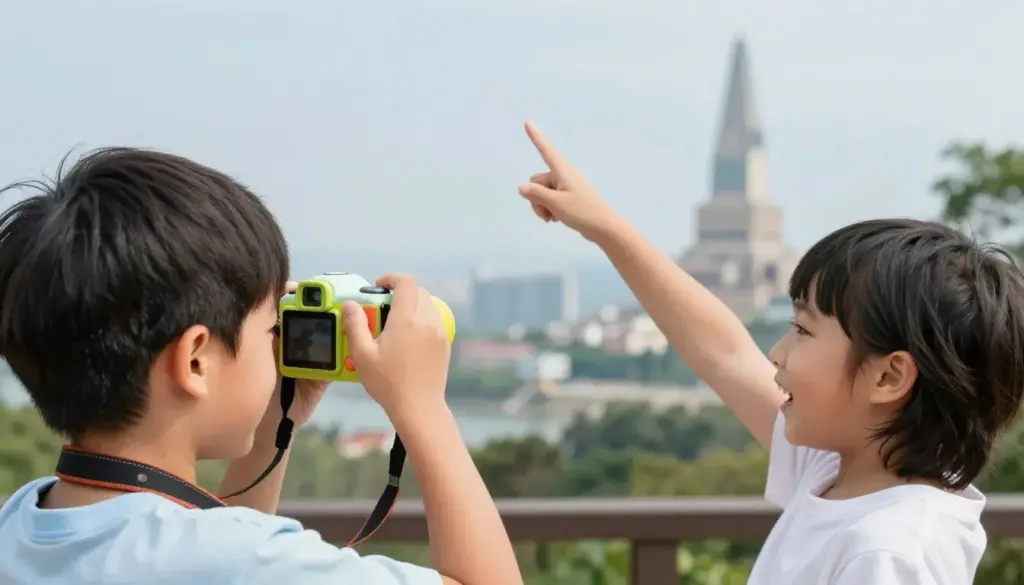
3. Photo Mission Challenges: Creative Documentation
Assign children specific photo missions using smartphones or kid-friendly cameras. Challenges might include “something blue,” “the funniest sign,” “a new friend,” or “your favorite meal.” This turns kids into active participants who see the world through a creative lens rather than passive observers.
Family Vacation Tip: Create a list of ten photo challenges at the trip’s start and review captured images each evening. This activity teaches photography basics, encourages creativity, and helps develop observation skills. Compile the best photos into a digital album or printed book after the vacation. Children take pride in their photographic contributions to the family’s memory collection.
4. Audiobook Adventures: Shared Stories
Family audiobooks create shared experiences during travel time. Choose age-appropriate adventure stories, mysteries, or educational content that captivates everyone. The whole family listens together, discussing plot developments and predictions during breaks. This works exceptionally well during long car drives or plane flights.
Family Vacation Tip: Download audiobooks before departure to avoid connectivity issues. Select stories with chapter lengths matching your typical travel segments, making natural stopping points. Many libraries offer free audiobook borrowing through apps. This activity requires zero materials, keeps everyone engaged simultaneously, and creates shared references the family will quote for years afterward.
5. Window Art Observations: Creative Looking
Provide window markers or wipeable surfaces where kids can trace interesting shapes they see through car or plane windows. They might outline building silhouettes, trace cloud formations, or mark the path of rivers below. This activity combines creativity with observation while keeping children positively occupied.
Family Vacation Tip: Pack special window markers that erase easily from glass or bring clear sheet protectors kids can draw on with dry-erase markers. Take photos of their creations before erasing them. This mess-free activity channel’s children’s energy into focused creative work that doesn’t disturb other passengers or require spreading materials everywhere.
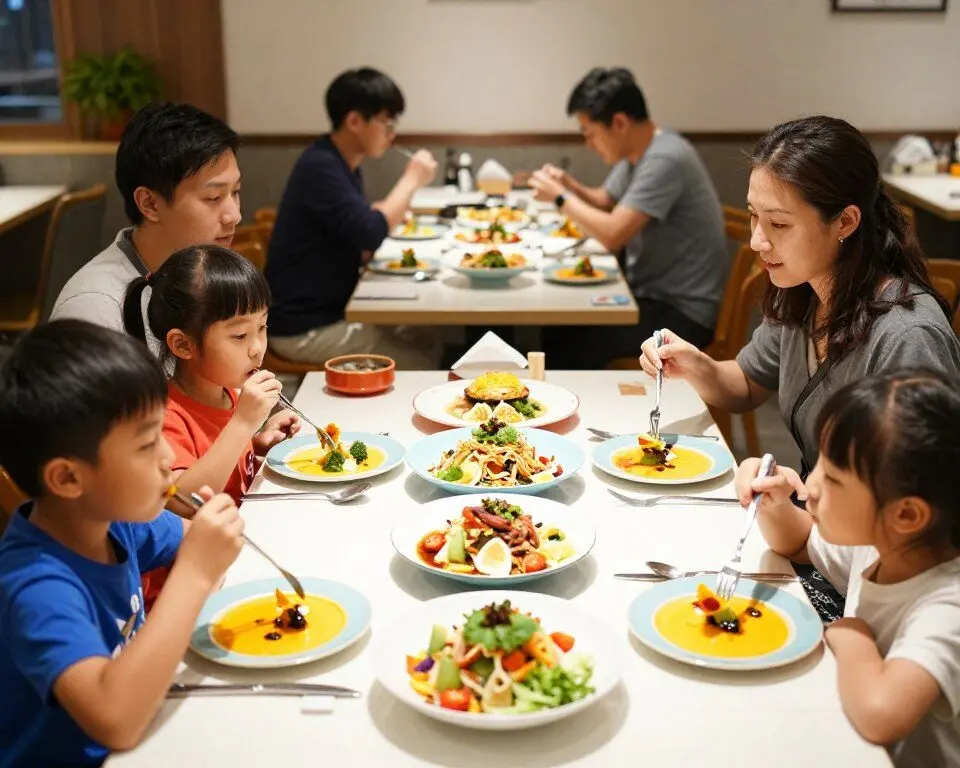
6. Snack Taste Testing Game: Culinary Exploration
Turn eating into an adventure by encouraging kids to try one new food at each destination or meal. Create a rating system where children score new foods on taste, texture, and whether they’d eat it again. This builds adventurous eating habits while making meals more engaging than simply satisfying hunger.
Family Vacation Tip: Keep a running list in one child’s travel journal of all new foods tried during the trip. Celebrate trying new things regardless of whether kids liked them. This approach reduces mealtime battles because the focus shifts from “finishing your plate” to “being brave enough to taste something new.” It naturally expands children’s palates while creating funny family stories about adventurous eating experiences.
7. Custom Travel Playlist: Musical Memories
Let each family member contribute songs to a shared vacation playlist. Everyone gets to choose three to five songs, creating a musical collection that represents the whole family. Play this playlist during travel days, and those specific songs will forever trigger memories of your trip together.
Family Vacation Tip: Download the playlist for offline listening to avoid data charges or connectivity issues. Let kids take turns being “DJ” and selecting which song plays next. This simple activity gives children decision-making power, reduces “are we there yet” questions, and creates lasting associations between music and positive family experiences. Years later, hearing these songs instantly transports everyone back to the vacation.
8. Travel Yoga and Stretches: Movement Breaks
Long periods of sitting make children restless and irritable. Learn five simple stretches or yoga poses the whole family can do in tight spaces like airplane aisles, rest stop parking areas, or hotel rooms. Make it fun by giving each pose a silly travel-themed name.
Family Vacation Tip: Schedule movement breaks every two hours during long travel days. Even three minutes of stretching significantly improves everyone’s mood and reduces physical discomfort. This proactive approach prevents behavior problems caused by pent-up physical energy. Kids who move regularly during travel arrive at destinations less cranky and sleep better that first night.

9. Twenty Questions: Travel Edition
This classic guessing game adapts perfectly for travel. One person thinks of something related to your destination, trip, or things visible around you. Others ask yes-or-no questions to identify it. Limit to twenty questions before revealing the answer if no one guesses correctly.
Family Vacation Tip: Add educational value by focusing questions on trip-specific categories like landmarks you’ll visit, animals native to your destination, or historical figures connected to where you’re traveling. This reinforces learning about your destination while providing entertainment. The game requires absolutely no materials and works for any age group with slight modifications to difficulty level.
10. Would You Rather: Vacation Scenarios
Pose travel-themed “would you rather” questions that spark discussion and reveal family preferences. Examples include “Would you rather swim with dolphins or see wild bears?” or “Would you rather stay in a treehouse or a castle?” These conversations help future trip planning while entertaining everyone during slow travel moments.
Family Vacation Tip: Keep a note of children’s answers to inform future vacation planning. Kids feel heard when their preferences shape family decisions. This activity also teaches decision-making, comparison thinking, and articulating preferences. It generates natural conversations that bring family members closer while filling time during waits at airports or traffic delays.
11. Map Tracking Adventures: Geography Lessons
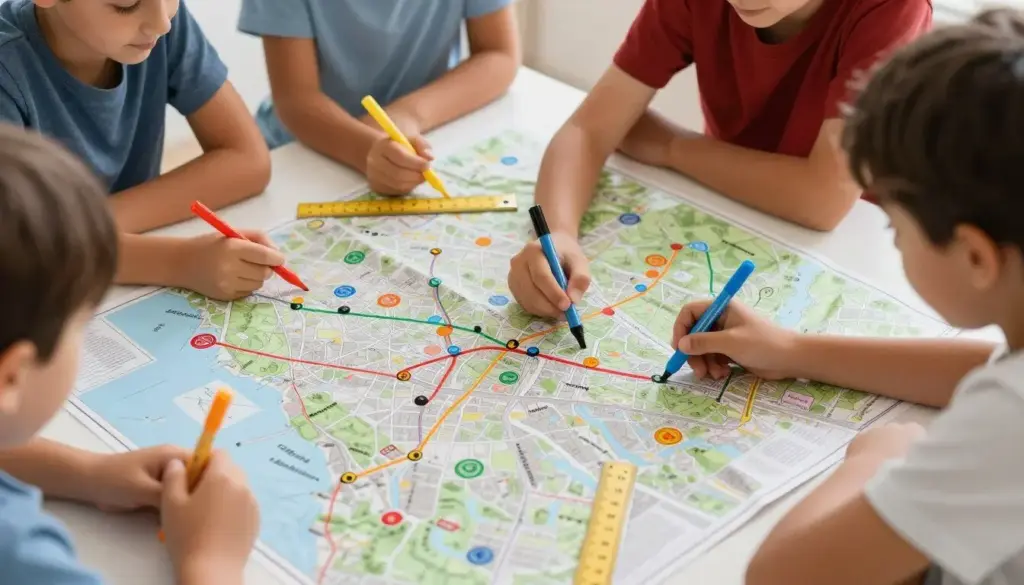
Provide physical maps or atlas pages where children track your route with highlighters or stickers. They mark each city visited, calculate distances between stops, and identify geographical features you pass. This transforms abstract travel into concrete geographical learning.
Family Vacation Tip: Before departure, review the route together and let kids estimate travel times between destinations. During the trip, they compare actual times with estimates, learning about distance, speed, and geography. This activity builds map-reading skills increasingly rare in GPS-dependent generations. Kids develop better spatial understanding and geographical literacy through hands-on route tracking.
12. Memory Collection Project: Bucket List Experiences
Create a family bucket list of experiences you want to collect during the vacation. Items might include “watched a sunset together,” “tried a food we can’t get at home,” or “made a new friend.” Focus on experiences rather than material things, building a collection of meaningful memories.
Family Vacation Tip: Review your bucket list each morning and check off completed items each evening. This practice helps families prioritize meaningful experiences over simply checking off tourist attractions. It shifts focus from buying souvenirs to collecting moments. Children learn that the best parts of travel are shared experiences and new adventures rather than accumulated possessions.
Get Your Free Family Travel Activity Kit
Download our complete collection of printable activity sheets, destination bingo cards, travel journal templates, and bucket list planners. Everything you need to keep kids engaged and create lasting family vacation memories!
Smart Packing Strategies for Family Vacation Success
Organized packing significantly reduces travel stress. Having the right items accessible at the right time prevents minor inconveniences from becoming major problems. These strategies help families pack efficiently while ensuring nothing essential gets forgotten.
Individual Activity Backpacks
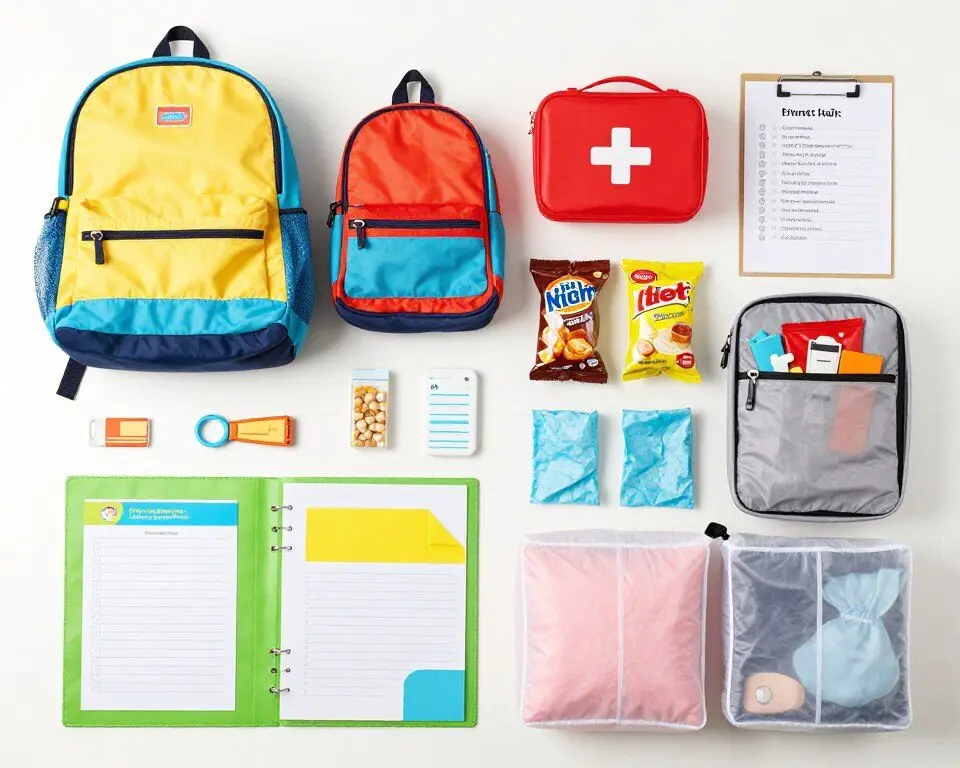
Each child should have their own small backpack containing personal entertainment and comfort items. Pack age-appropriate activities like coloring books for younger kids, puzzle books for middle years, and headphones with downloaded content for older children. This personal responsibility empowers kids while keeping their items organized and accessible.
Include one comfort item from home in each child’s bag. A favorite small stuffed animal, special pillowcase, or beloved blanket helps children feel secure in unfamiliar sleeping environments. The familiar scent and texture provide comfort that significantly improves sleep quality during trips. Limit comfort items to things that fit easily in carry-on bags to prevent devastation if checked luggage gets delayed.
The Essential Family Travel Bag
Create one family bag containing items everyone might need throughout the trip. This centralized approach prevents duplicate packing and ensures critical items stay accessible. Include basic first aid supplies, hand sanitizer, tissues, plastic bags for various purposes, and snacks everyone enjoys.
Pack a complete change of clothes for every family member in carry-on luggage or an easily accessible car bag. Spills, accidents, and unexpected weather happen. Having fresh clothes immediately available saves trips from being derailed by minor mishaps. This simple precaution has saved countless family vacations from unnecessary stress and discomfort.
Snack Planning Strategy
Never underestimate snacks’ power to maintain peace during family travel. Hungry children become difficult children quickly. Pack a variety of individually portioned snacks that travel well: crackers, dried fruit, granola bars, and nut butter packets. Avoid overly messy or melty options that create cleanup challenges in confined spaces.
Bring empty water bottles to fill after airport security or at rest stops throughout road trips. Staying hydrated improves everyone’s mood and energy levels. Dehydration contributes to headaches, fatigue, and irritability. Making water easily accessible encourages regular drinking without constant requests or expensive convenience store stops.
Must-Pack for Every Child
- Personal activity backpack with age-appropriate entertainment
- Favorite comfort item from home (stuffed animal or blanket)
- Headphones compatible with their devices
- Extra outfit in easily accessible bag
- Reusable water bottle with name label
- Small first day outfit and pajamas
Shared Family Essentials
- First aid kit with children’s pain reliever and thermometer
- Hand sanitizer and disinfecting wipes
- Plastic bags for trash or motion sickness
- Healthy snacks in individual portions
- Portable phone chargers and cables
- Important documents and insurance information
Planning Age-Appropriate Destination Activities
Successful family vacations balance everyone’s interests while maintaining realistic expectations for different age groups. Over-scheduling exhausts families while too much unstructured time can lead to boredom and conflict. Finding the right activity mix creates enjoyable experiences for the whole family.
Create a Balanced Daily Schedule
Plan one major activity per day rather than cramming multiple attractions into each day. Children need processing time and rest between stimulating experiences. A morning at a museum followed by afternoon pool time and evening exploration of a new neighborhood provides variety without overwhelming young travelers.
Build significant downtime into your vacation schedule. These unstructured periods allow spontaneous discoveries that often become favorite memories. Kids need time to simply play, explore hotel amenities, or relax without pressure to constantly experience something new. Parents also benefit from these slower moments that reduce the feeling of rushing from one scheduled activity to another.
Include Kids in Planning Decisions
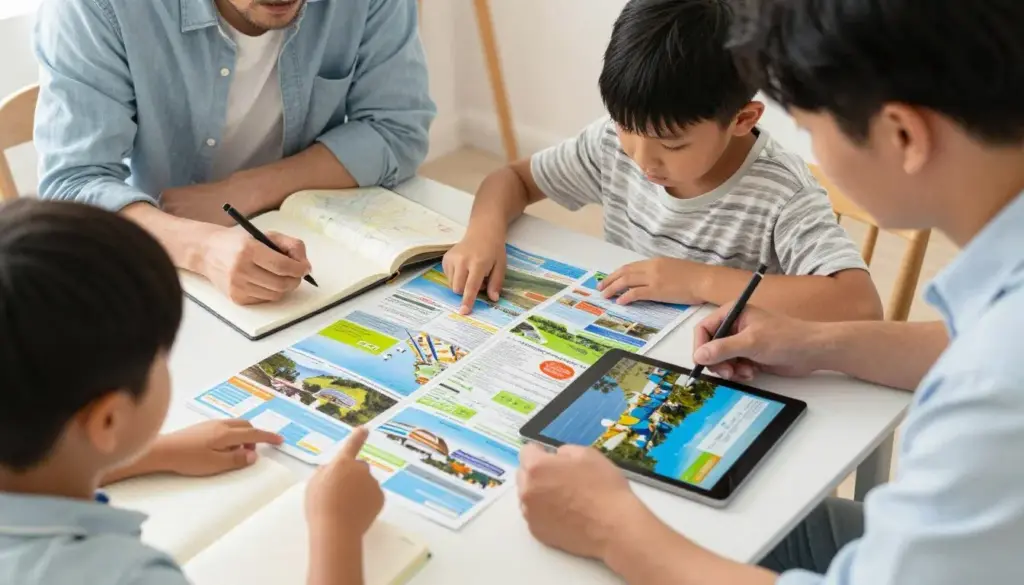
Give children age-appropriate input into vacation activities. Let younger kids choose between two restaurant options or vote on which playground to visit. Older children can research attractions and suggest activities matching their interests. When kids have ownership in planning, they cooperate better during the trip because they’re invested in the chosen activities.
Create a visual itinerary for young children showing pictures of planned activities in sequence. This helps them understand what’s happening each day and reduces anxiety about unfamiliar experiences. Knowing what comes next provides security that improves behavior and cooperation throughout the vacation.
Embrace Flexibility and Spontaneity
While planning provides structure, flexibility prevents frustration. If kids are having exceptional fun at an unexpected location, extend your time there even if it means skipping something else. Conversely, if a planned activity isn’t working, give yourself permission to leave early without guilt. The goal is creating positive experiences, not rigidly following a predetermined schedule.
Some families’ best vacation stories come from unplanned moments. The quirky roadside attraction spotted from the highway, the local festival stumbled upon, or the playground discovered while walking to dinner often become more memorable than extensively researched major attractions. Build space for these spontaneous discoveries into your travel plans.
Budget-Friendly Family Travel Tips
Family vacations strain budgets with multiple costs across transportation, accommodations, meals, and activities. Strategic planning helps create wonderful trips without financial stress. These approaches make travel more affordable while maintaining quality family experiences.
Accommodation Money-Saving Strategies
Consider vacation rentals for trips longer than three nights. Having a full kitchen saves significantly on meal costs while providing more space than typical hotel rooms. Many families share one large rental rather than booking multiple hotel rooms, further reducing costs. Look for properties with laundry facilities to pack fewer clothes and rewear items.
Travel during shoulder seasons when school schedules permit. Prices drop substantially outside peak summer and holiday weeks while weather often remains pleasant. Destinations are less crowded, attractions offer off-season discounts, and accommodations cost considerably less. This timing flexibility can save hundreds of dollars on identical trips taken just weeks apart.
Food Budget Management
Eating every meal at restaurants quickly drains vacation funds. Pack breakfast items from home or shop at grocery stores near your destination for cereal, yogurt, and fruit. Hotel room breakfasts save both money and morning time that would otherwise be spent waiting at restaurants when everyone’s hungry.
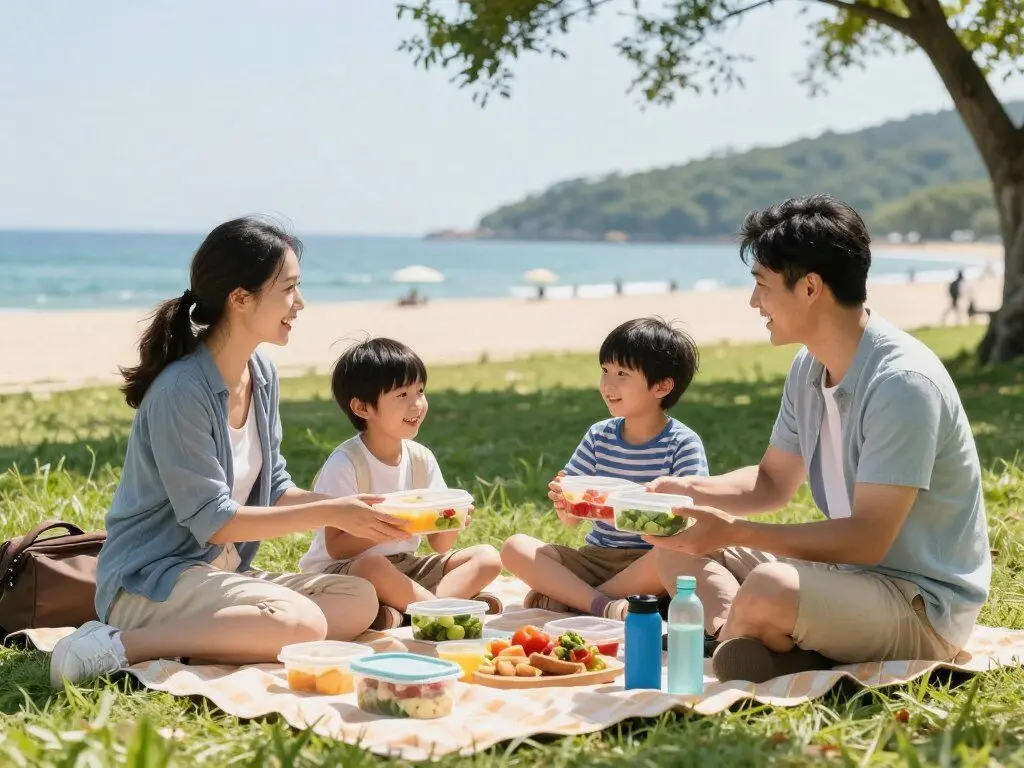
Make lunch your main restaurant meal since lunch menus typically cost less than identical dinner offerings. Pack afternoon snacks so dinner can happen later without hangry meltdowns. Picnic lunches at parks or beaches provide relaxed, mess-friendly dining while saving substantial money compared to restaurant meals for an entire family.
Free and Low-Cost Activity Research
Every destination offers free activities if you know where to look. Research public beaches, parks, playgrounds, hiking trails, and outdoor concerts before departure. Many museums offer free admission days or pay-what-you-wish hours. Library programs, botanical gardens, and community festivals provide entertainment without ticket costs.
Check reciprocal membership benefits for attractions. Many children’s museums, zoos, science centers, and aquariums participate in national reciprocity programs. Your home membership may provide free or significantly discounted admission to similar institutions across the country, saving substantial money on attraction costs during family trips.
Accommodation Savings
- Book vacation rentals with kitchens for longer stays
- Travel during shoulder seasons for lower prices
- Use hotel points and credit card rewards strategically
- Look for kids-stay-free promotions
Food Budget Tips
- Pack breakfast items from home
- Shop at grocery stores for snacks and easy meals
- Choose lunch as main restaurant meal
- Plan picnic lunches at parks and beaches
Activity Cost Reduction
- Research free museum days and community events
- Use membership reciprocity programs
- Explore public parks and natural areas
- Take free walking tours
Handling Common Family Travel Challenges
Even meticulously planned trips encounter unexpected difficulties. How families respond to these challenges determines whether they become disasters or merely minor inconveniences. These strategies help parents navigate common difficult situations with grace and minimal stress.
Motion Sickness Prevention and Management
Some children struggle with car sickness, airplane turbulence, or boat movement. Prepare by having affected kids sit where motion is less noticeable. In cars, front seats work best for older children when safe and legal. On planes, seats over the wings experience less movement than those toward the rear.
Avoid reading or screen time during movement for sensitive kids, as these activities worsen symptoms. Instead, encourage looking at the horizon or distant fixed objects. Pack supplies including plastic bags, wet wipes, change of clothes, and any medications your pediatrician recommends. Ginger candies or acupressure wristbands help some children manage nausea naturally.
Managing Meltdowns and Behavioral Challenges
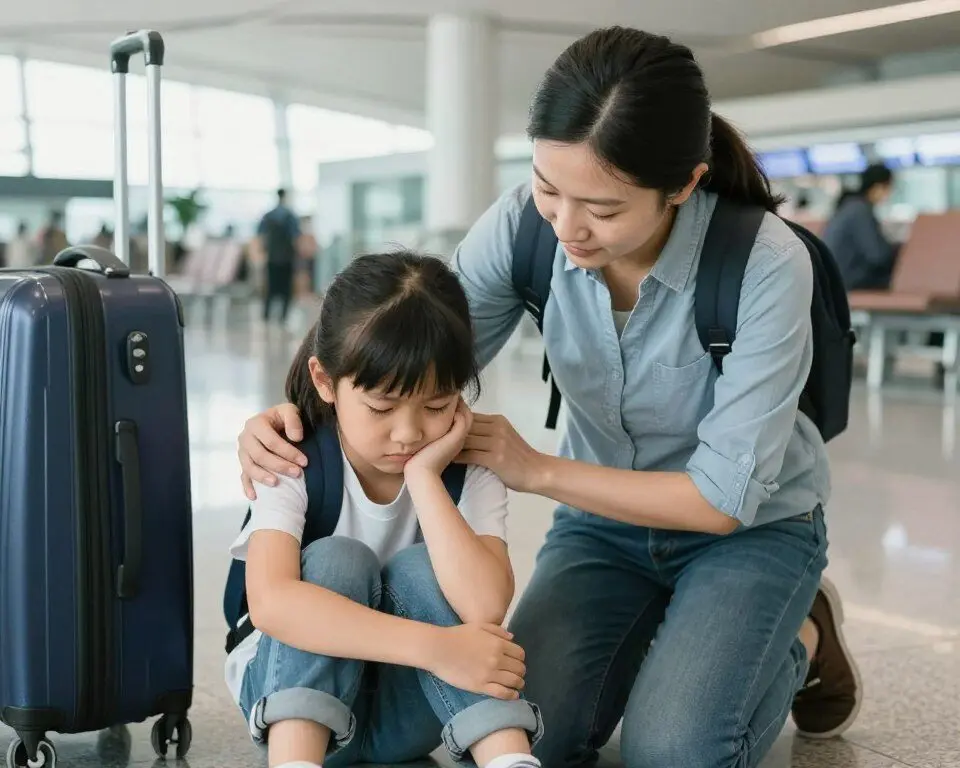
Despite best prevention efforts, public meltdowns happen during family travel. Stay calm yourself because your reaction influences both your child and how others perceive the situation. Remove the overwhelmed child from the immediate environment when possible, finding a quieter spot to help them regulate emotions.
Recognize warning signs before situations escalate. Hunger, tiredness, and overstimulation are common meltdown triggers. Address these needs proactively rather than waiting for behavior problems to appear. Sometimes the right choice is abandoning plans and returning to your hotel, even if it means missing a scheduled activity. One skipped attraction is better than a miserable rest of the day for everyone.
Dealing with Travel Delays and Changes
Flight delays and cancellations happen despite careful planning. Have backup entertainment and supplies easily accessible. Keep snacks, activities, chargers, and medications in carry-on bags rather than checked luggage. Know your airline’s policies and download their app for quickest rebooking access during disruptions.
Research whether airports have day-use hotel rooms where families can rest more comfortably during extended delays rather than spending eight hours in gate areas. Some credit cards provide travel insurance covering hotels and meals during significant delays, making unexpected overnight stays less financially stressful for families.
Age-Specific Considerations for Different Family Stages
Travel needs change dramatically as children grow. Strategies working perfectly for toddlers frustrate teenagers. Adapting approaches to your children’s developmental stages makes trips more successful for everyone involved.
Traveling with Younger Children (Ages 3-7)
Younger children need frequent breaks and consistent routines even during vacations. Build flexibility into schedules because rigid plans rarely survive when traveling with preschoolers. If naptime happens in a stroller while exploring a new city instead of at the scheduled hotel rest period, that’s perfectly acceptable.
Prepare young kids by talking about upcoming trips days in advance. Read books about your destination and show pictures of where you’ll stay and what you’ll do. This preparation reduces anxiety about unfamiliar experiences. Create countdowns to build excitement while giving children a concrete sense of when the trip will happen.
Elementary Age Travelers (Ages 8-12)
School-age children handle longer activities and retain trip memories more vividly than younger siblings. Include them in age-appropriate planning, letting them research attractions or choose between activity options. This involvement increases their investment in the vacation and teaches planning skills.
These kids enjoy educational components disguised as fun experiences. Interactive museums, hands-on cultural activities, and age-appropriate adventure experiences work well. They’re learning while thinking they’re simply having exciting adventures. Balance active experiences with quieter time since even energetic kids need rest during vacations.
Traveling with Teens (Ages 13+)
Teenagers want more independence and have stronger opinions about vacation activities. Give them appropriate freedom while maintaining family time. Let them explore gift shops independently while you wait nearby, or allow them to choose restaurants occasionally. These small autonomies acknowledge their growing maturity.
Consider their interests when planning rather than only visiting traditionally family-oriented attractions. Activities matching their hobbies, whether rock climbing, cooking classes, or historical sites related to their school studies, increase their engagement. Allow reasonable device time without guilt since staying connected to friends helps teens feel less disconnected from their regular lives during family trips.

Creating Lasting Family Vacation Memories
Beyond logistics management, family trips create precious memories shaping children’s perspectives and strengthening family bonds. Making the most of these opportunities enhances every vacation’s lasting value for the whole family.
Document the Journey Meaningfully
Encourage children to keep travel journals where they document favorite moments, funny incidents, or new things learned. These simple keepsakes become treasured records providing richer memory triggers than photos alone. Older children might enjoy photography projects, challenging them to capture specific themes throughout the trip.
Take photos showing authentic moments rather than only posed portraits. Capture kids being themselves during activities, candid sibling interactions, or funny incidents. Years later, these genuine images evoke stronger memories and emotions than perfectly staged family photos. Consider creating photo books after trips rather than leaving hundreds of images buried in phone storage where they’re rarely revisited.
Establish Family Travel Traditions
Create traditions around travel that make trips special and build anticipation for future adventures. Perhaps you always get ice cream on the first evening of every vacation, or each child chooses one souvenir within a set budget. Maybe you visit a new type of museum in every city or always find local playgrounds wherever you travel.
Annual trips to the same destination create especially powerful traditions. Children notice how places change over time and compare experiences across years. Returning to familiar locations also simplifies planning since you already know what works for your family there. These repeated destinations become part of your family’s story and identity.
Focus on Experiences Over Possessions
Shift vacation focus from buying souvenirs to collecting experiences. Create a family bucket list of moments you want to share: watching a sunset together, trying an unfamiliar food, making a new friend, or learning something about local culture. These experience-based goals create richer memories than accumulated objects.
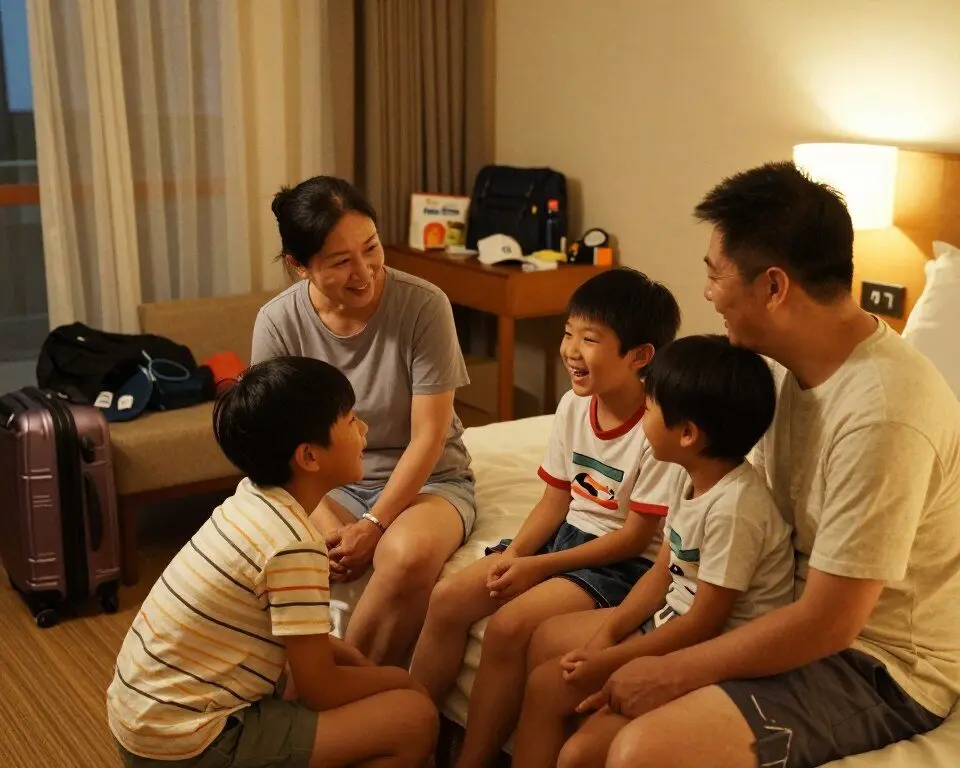
Discuss memorable moments each evening during trips. What was everyone’s favorite part of the day? What surprised them? What do they want to do again tomorrow? These conversations reinforce positive memories and help children process their experiences. They also provide valuable feedback for parents about what activities genuinely engage their specific kids versus what parents think should be fun.
Building Your Family Travel Bucket List
Creating a family travel bucket list transforms vacation planning from logistics into shared dreams. This collaborative process gets everyone excited about future adventures while teaching children about different destinations, cultures, and experiences waiting to be discovered around the world.
Start Your Family’s Destination List
Gather the family and brainstorm places everyone wants to visit. Include wild dreams alongside realistic nearby destinations. A comprehensive bucket list might include national parks, international cities, theme parks, historical sites, and natural wonders. Let each family member contribute ideas without immediately evaluating feasibility or cost.
Research destinations together during family time. Watch videos about potential bucket list locations, read travel blogs, and discuss what activities you’d do there. This research phase builds anticipation while educating children about geography, culture, and the incredible diversity of experiences available throughout the world. Young children begin understanding that the world extends far beyond their immediate community.
Create Experience Categories on Your List
Organize your family bucket list into experience categories rather than only listing destinations. Include items like “sleep under the stars,” “try food we’ve never heard of,” “visit a farm,” “see the ocean,” or “stay in a treehouse.” These experience-based goals can be achieved at multiple destinations, increasing opportunities to check them off your list.
Balance ambitious bucket list items requiring significant planning and budget with simpler goals achievable during weekend trips or nearby destinations. This mix ensures regular progress on your family bucket list rather than feeling like dreams that never materialize. Each checked item builds momentum and family confidence for tackling more ambitious adventures.
Track Your Bucket List Progress
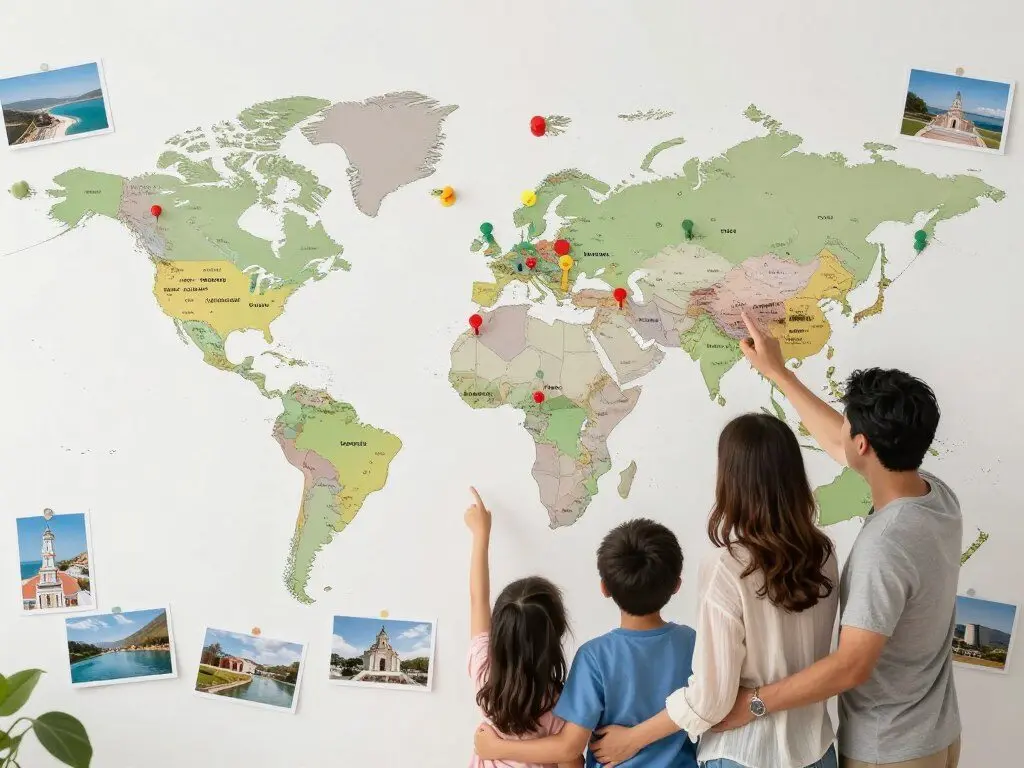
Create a visual representation of your family travel bucket list displayed prominently at home. A large map where kids place pins or stickers marking visited locations, a poster listing experiences with checkboxes, or a photo wall showing highlights from completed bucket list items keeps goals visible and exciting between trips.
Celebrate bucket list achievements appropriately. When you complete a significant list item, take time to acknowledge and appreciate the experience. Discuss favorite moments, what surprised everyone, and what you learned. This reflection deepens the value of each experience while reinforcing that your family prioritizes creating these special memories together.
Sample Destination Bucket List
- Visit a major national park and hike a trail together
- Experience a different country and culture
- See the ocean and build sandcastles on the beach
- Stay overnight in a unique accommodation like a cabin or yurt
- Visit a major city and use public transportation
- Explore historical sites and learn about the past
- Experience snow activities like skiing or sledding
- Take a road trip stopping at quirky roadside attractions
Sample Experience Bucket List
- Try a food none of us have ever tasted before
- Learn basic phrases in a foreign language during travel
- Watch a sunrise or sunset from somewhere beautiful
- Meet someone from a different culture and learn their story
- Swim in a natural body of water (lake, river, ocean)
- Visit a working farm and learn where food comes from
- See wild animals in their natural habitat
- Camp under the stars and tell stories around a fire
Making Family Travel Work for Your Unique Family
Every family’s travel style differs based on children’s ages, interests, budget, and comfort levels. What works perfectly for one family might not suit another. The key is finding approaches matching your specific family’s needs while remaining flexible enough to adjust as children grow and family dynamics evolve over time.
Start with manageable trips building confidence before attempting more ambitious adventures. A successful weekend getaway two hours from home teaches valuable lessons applicable to longer, more complex vacations. Each trip provides learning opportunities about what works for your family and what needs adjustment for next time.
Remember that perfect trips exist only in imagination. Real family vacations include tears alongside laughter, frustration mixed with joy, and challenges balanced by triumph. They’re wonderfully messy experiences that somehow transform into treasured memories as years pass. Your children won’t remember whether every detail went according to plan. They’ll remember that you prioritized exploring the world together as a family.
These twelve kids travel activities and family vacation tips provide starting points for creating smoother, more enjoyable trips. Adapt them to your family’s unique needs, interests, and travel style. Trust your instincts, stay flexible when plans need changing, and embrace both the planned adventures and unexpected surprises. The memories you’re creating together will last far beyond the vacation itself, shaping your children’s view of the world and strengthening your family bonds for years to come. Safe travels on your next family adventure!